
Virgin vs. Refined Olive Oil: How Your Choice Could Support a Healthier Gut and Sharper Brain
Virgin vs. Refined Olive Oil: What the Latest Science Suggests About Gut–Brain Health
If you already cook with olive oil, you might feel pretty good about that choice. But a recent study reported in Medical News Today suggests that the type of olive oil you pour—virgin vs. refined—could make a measurable difference for both your gut microbiome and your cognitive function.
In this guide, we’ll unpack what researchers found, how the gut–brain axis fits into the story, and what realistic, everyday changes you can consider if you’d like to gently support your gut and brain—without chasing miracle cures or throwing out everything in your pantry.

Why Olive Oil Type Might Matter for the Gut–Brain Axis
Over the last decade, scientists have come to see the gut–brain axis as a two-way communication highway linking:
- The trillions of microbes living in the digestive tract
- The immune and endocrine (hormone) systems
- The central nervous system and brain
Diet is one of the strongest day-to-day influences on this system. Polyphenol-rich foods—like fruits, vegetables, whole grains, tea, and extra-virgin olive oil—have repeatedly been linked with:
- Greater gut microbiome diversity (a marker generally associated with resilience)
- Lower markers of inflammation
- Better cognitive aging in long-term observational research
Virgin and extra-virgin olive oils are less processed than refined olive oils. That means they retain more of their natural polyphenols and other minor bioactive compounds, which may partly explain the new findings.
“The same basic fat—olive oil—can carry very different amounts of polyphenols depending on how it’s processed. Those polyphenols are food for gut microbes, and some of their breakdown products may affect the brain.”
— Registered Dietitian specializing in neuro-nutrition
What the New Study Found: Virgin vs. Refined Olive Oil
The research highlighted by Medical News Today examined adults who consumed either virgin olive oil or refined olive oil over a set period. Both oils provided similar amounts of fat and calories, but their polyphenol content differed substantially.
Key outcomes reported
- Improved cognitive function in the virgin olive oil group
Participants who consumed virgin olive oil showed better performance on cognitive tests compared with those who consumed refined olive oil. These were modest but measurable differences. - Greater gut microbiota diversity
The virgin olive oil group also showed higher diversity in gut bacteria, which is often (though not always) considered a positive sign for gut health.
The likely explanation: polyphenols and minor compounds preserved in virgin oils may act as:
- Prebiotics—fuel for beneficial microbes
- Antioxidants, helping to buffer oxidative stress
- Modulators of inflammation, which can influence brain health over time
How Could Virgin Olive Oil Influence the Gut–Brain Axis?
To understand why virgin olive oil might have different effects than refined oil, it helps to look at what’s inside the bottle.

1. Polyphenols as microbe fuel
Virgin olive oils are rich in polyphenols such as hydroxytyrosol and oleuropein. Many of these compounds:
- Reach the colon relatively intact
- Are broken down by gut bacteria into smaller metabolites
- May encourage the growth of certain beneficial bacteria
2. Microbial metabolites and brain signaling
Some byproducts from microbial digestion of polyphenols can:
- Enter the bloodstream and travel to the brain
- Interact with brain cells and support synaptic plasticity (how easily neurons adapt and form connections)
- Help regulate neuroinflammation, an important factor in cognitive aging
3. Systemic inflammation and blood vessels
The same compounds may also improve:
- Endothelial function (how well blood vessels relax and contract)
- Oxidative stress levels
Better vascular health supports a more efficient blood supply to the brain, which is associated with healthier cognition over time.
Virgin vs. Refined Olive Oil: A Practical Comparison

All olive oils share a similar fat and calorie content. The main differences relate to processing, flavor, and the amount of minor bioactive compounds.
Virgin / Extra-Virgin Olive Oil
- Made by mechanical pressing without high heat or chemical solvents
- Higher in polyphenols and natural antioxidants
- More robust flavor (peppery, grassy, fruity)
- Generally better supported by research on heart and brain health
Refined Olive Oil
- Undergoes heat and/or chemical refining to remove impurities and strong flavors
- Lower in polyphenols and minor bioactive compounds
- Milder flavor, often blended
- Still primarily monounsaturated fat, but with fewer protective plant chemicals
How to Use Virgin Olive Oil to Support Gut and Brain Health
You don’t need a complete kitchen overhaul. Consider making small, sustainable changes that fit into what you already do.
Step-by-step ideas
- Swap your main table oil
When your current bottle runs out, replace it with a virgin or extra-virgin olive oil. Use it as your default for:- Salad dressings
- Drizzling over cooked vegetables or legumes
- Finishing soups, whole grains, or fish
- Combine fat + fiber
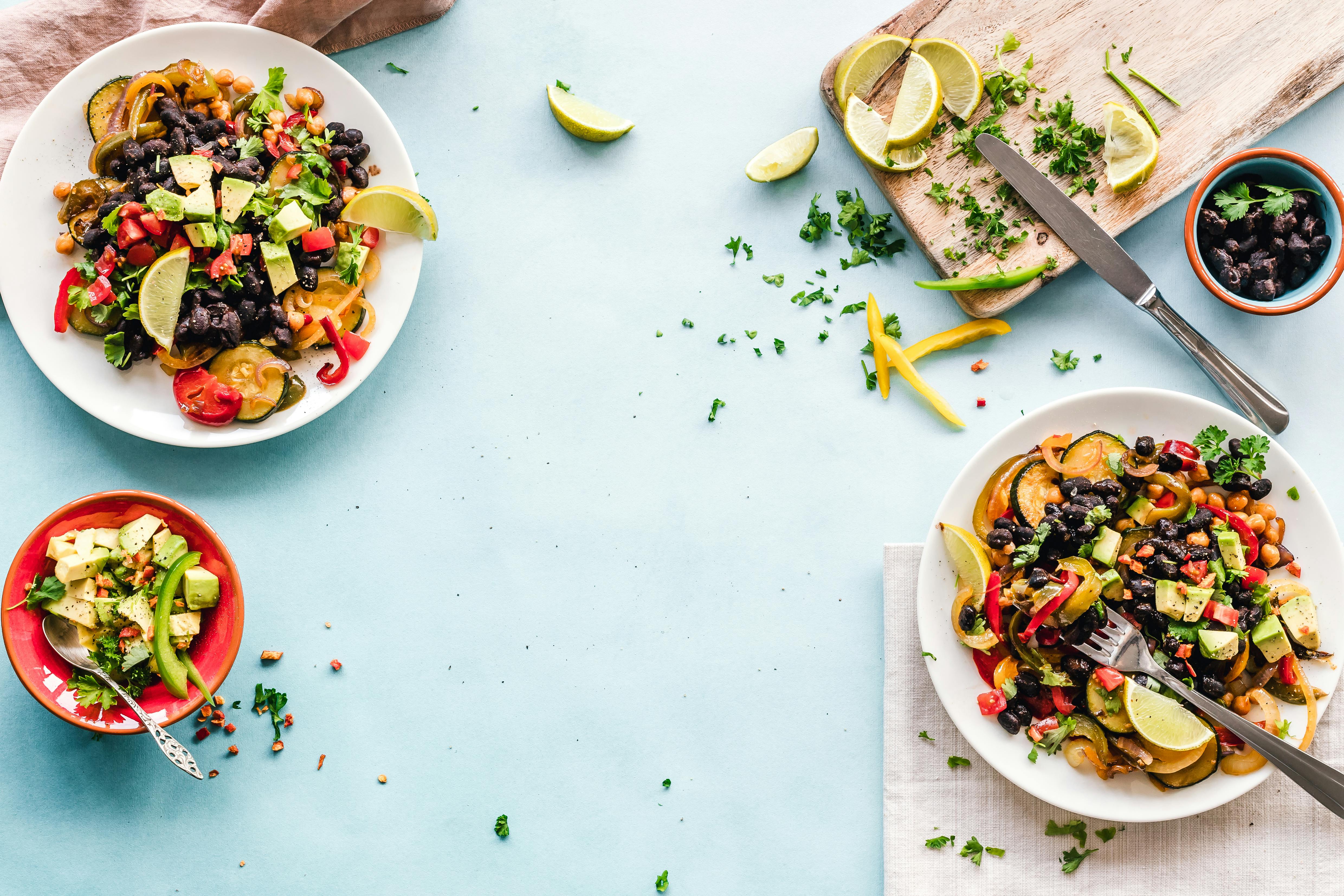
For gut and brain support, olive oil works best as part of a fiber-rich, plant-forward pattern. Try:- Roasted vegetables with olive oil, herbs, and chickpeas
- Whole grains (like farro or quinoa) tossed with olive oil and chopped vegetables
- Beans or lentils drizzled with olive oil and lemon
- Use gentle to moderate heat
Virgin olive oil is suitable for most everyday sautéing and roasting at moderate temperatures. For very high-heat searing or deep-frying, you might still prefer a more heat-stable oil—but remember that deep-frying is generally not gut- or heart-friendly. - Stay within healthy portions
Olive oil is energy-dense. Many studies use around 1–4 tablespoons per day as part of an overall balanced eating pattern. Work with your healthcare provider or dietitian if you’re managing weight, diabetes, or lipid disorders.
Common Obstacles (and Realistic Ways Around Them)
“Virgin olive oil is too expensive.”
Price can be a real barrier. A few strategies:
- Use virgin olive oil mainly for raw uses and finishing dishes, and a more affordable oil for higher-heat cooking.
- Buy in medium-sized, dark glass bottles to protect quality; very large bottles may go stale before you finish them.
- Look for store brands that still carry “extra-virgin” and have a harvest or best-by date.
“I don’t like the strong olive oil taste.”
Some extra-virgin oils are very peppery or bitter, which comes from those same polyphenols we’re talking about.
- Try a milder-tasting virgin oil or blends labeled “smooth” or “delicate.”
- Pair it with acid (like lemon or vinegar) and herbs—this can soften sharp flavors.
- Start with small amounts in dishes where other flavors dominate, like tomato-based sauces.
“I’m worried about calories.”
This concern is valid, especially if you’re managing weight. Olive oil is not a free food.
- Use a measuring spoon instead of pouring straight from the bottle.
- Focus on swapping less-healthy fats (like butter or highly processed snacks) rather than adding oil on top of everything.
- Prioritize high-fiber, low-energy-density foods—vegetables, fruits, legumes—to help with fullness.
How Does This Fit with the Bigger Body of Evidence?
The new virgin vs. refined olive oil study fits into a broader pattern of research on:
- Mediterranean-style eating patterns, which consistently associate with:
- Lower risk of cardiovascular disease
- Slower cognitive decline and lower dementia risk in many observational studies
- Gut microbiome diversity and mental health:
- More diverse diets → more diverse microbiomes
- More diverse microbiomes → often, but not always, better mood and cognitive outcomes
Virgin olive oil appears to be one of several supportive players in this pattern, alongside:
- Plenty of vegetables, fruits, legumes, and whole grains
- Regular fish and seafood intake
- Limited processed meats and ultra-processed foods
“When we look at brain health, the evidence overwhelmingly supports overall dietary patterns rather than single ‘superfoods.’ Extra-virgin olive oil is a strong component of those patterns, but it works best as part of the whole, not a magic bullet.”
— Neurologist with a focus on lifestyle and cognition
For detailed summaries, see reviews from:
A Real-World Example: A Gentle Kitchen Makeover
A client in her late 50s—let’s call her Maria—came to a dietitian worried about her memory and a family history of dementia. She already ate fairly well, but used mostly butter and a generic “vegetable oil” for cooking.
Over three months, they made three small shifts:
- Switching her salad dressings to extra-virgin olive oil, lemon, and herbs
- Roasting vegetables with virgin olive oil instead of butter
- Adding one more serving of beans or lentils on most days
Maria didn’t notice dramatic overnight changes. But she did report:
- More regular digestion and less bloating
- Feeling more “steady” energy-wise through the afternoon
- Greater sense of control over her long-term brain health
Her story isn’t a clinical trial, and it doesn’t prove cause and effect—but it illustrates what realistic, sustainable change can look like when we use the science as a guide rather than a set of rigid rules.
Bottom Line: What This Means for Your Next Bottle of Olive Oil
The latest research comparing virgin and refined olive oil adds one more piece of evidence that:
- Virgin and extra-virgin olive oils may modestly support gut microbiome diversity.
- These differences in gut microbes may relate to subtle improvements in cognitive function.
- The benefits likely come from polyphenols and other minor compounds preserved in less-refined oils.
No single food can guarantee a healthy brain or a perfect gut. But if you already use olive oil—or are open to it—choosing a virgin or extra-virgin variety when you can is a simple, evidence-informed step in the right direction.
A gentle call-to-action:
- When your current bottle runs out, choose a virgin or extra-virgin olive oil next time.
- Pair it with fiber-rich plant foods at least once a day.
- Notice how your digestion, energy, and sense of well-being respond over the next few weeks.
If you’re navigating specific gut or brain conditions, consider sharing this information with your healthcare team. Together, you can decide what role olive oil—and your overall eating pattern—should play in your long-term plan.
