
Ultra-Processed Food Backlash: Why ‘Whole Food First’ Is the Tastiest Health Revolution
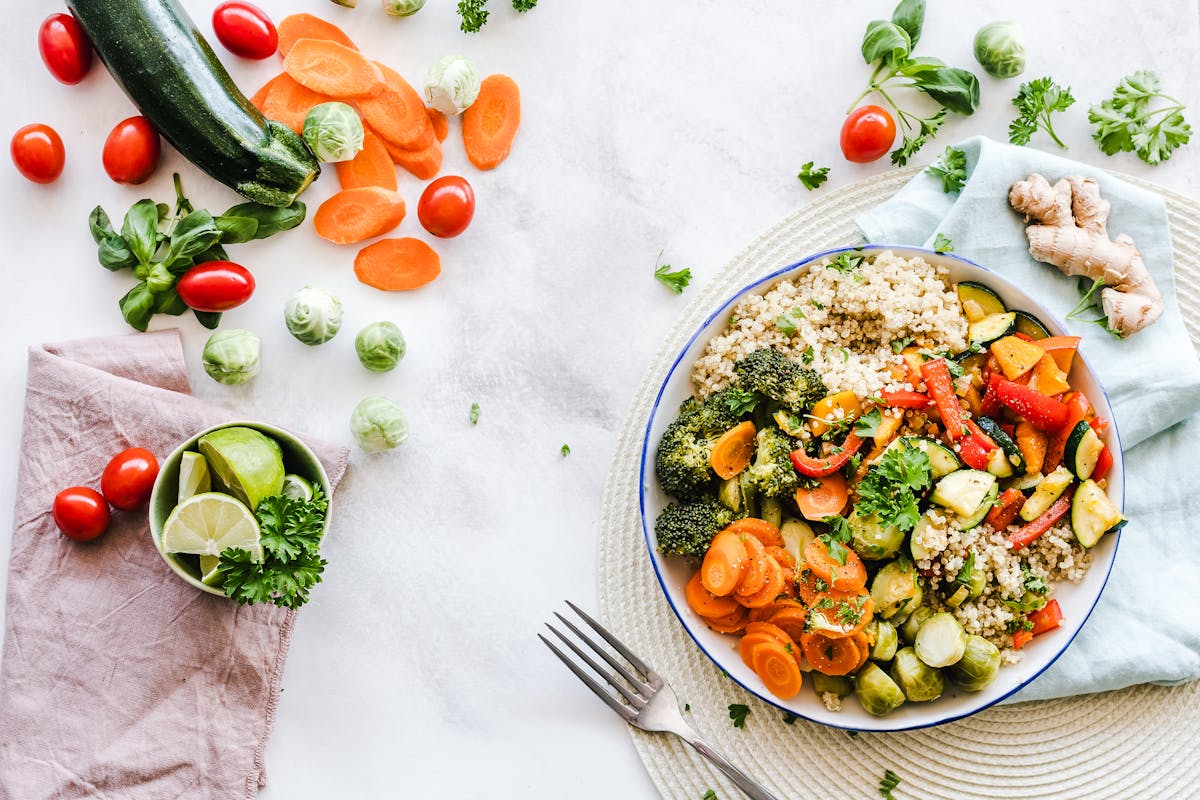
Ultra-Processed Food Backlash and the ‘Whole Food First’ Revival
Conversations around ultra-processed foods (UPFs) have exploded, sparking a delicious “whole food first” revival that’s less about perfection and more about learning how to fall in love with real, minimally processed ingredients again. From podcasts and documentaries to TikTok pantry makeovers, more people are asking a powerful question: What am I actually eating?
At the same time, we’re seeing a surge of cook‑at‑home enthusiasm—big pots of beans gently bubbling on the stove, roasted trays of vegetables, simple sourdough, and colorful grain bowls. The backlash against ultra‑processed foods has become the perfect excuse to rediscover the comfort of home cooking, even if you’re just starting out.
To bring this trend to life in your own kitchen, we’ll explore what ultra‑processed food really means, why it’s under fire, and then dive into a comforting, weeknight‑friendly recipe: a Roasted Vegetable & Chickpea Whole‑Food Power Bowl—a flexible, naturally high‑fiber, high‑protein meal that fits beautifully into a minimally processed lifestyle.
What Are Ultra‑Processed Foods (UPFs), Really?
In most current nutrition research, “ultra‑processed foods” refers to industrial formulations made mostly from refined ingredients and additives, rather than recognizable whole foods. Think:
- Many packaged snacks (chips, cheese puffs, candy bars)
- Sugary breakfast cereals and flavored instant oat packets
- Processed meats like hot dogs and some deli meats
- Ready‑to‑eat meals loaded with additives, stabilizers, and “natural flavors”
- Sodas and many sweetened drinks
These foods often combine refined carbohydrates, added fats, sugars, and salt in a way that’s incredibly tasty and convenient, but not very filling or nourishing per calorie. They tend to be lower in fiber and protein and higher in energy density—great for shelf life and profit margins, less great for long‑term health.
Why the Ultra‑Processed Food Backlash Is Booming
The current wave of UPF skepticism didn’t appear out of nowhere. It’s being driven by a mix of new science, culture, and sheer frustration with confusing labels.
1. Mounting Evidence From Nutrition Research
Researchers like Kevin Hall and Carlos Monteiro have popularized the concept of ultra‑processed foods through carefully designed studies:
- In controlled trials, people often eat more calories and gain weight when offered diets high in UPFs—even when macronutrients are matched.
- Large observational studies link heavy UPF intake to higher risks of cardiovascular disease, diabetes, and poor metabolic markers.
Food quality—fiber, structure, and how “intact” ingredients are—seems to matter as much as calorie counts alone.
2. Label Fatigue and Ingredient‑List Literacy
Many shoppers are weary of chasing ever‑changing health claims. “Low fat,” “keto,” “immune‑boosting,” “natural flavors”—it’s exhausting. A simpler idea is catching on:
Short ingredient list, mostly real food, minimal additives.
3. Influencer Momentum and Social Media
Social media creators, dietitians, and some celebrities are making whole‑food eating:
- 30‑day “no‑UPF” challenges
- “Real food vs. ultra‑processed” comparison videos
- Whole‑food kids’ lunchboxes and pantry makeovers
The ‘Whole Food First’ Lifestyle: Practical, Not Perfect
A “whole food first” approach simply means that most of your meals are built from recognizable ingredients:
- Vegetables and fruits (fresh, frozen, or even canned in water)
- Legumes: beans, lentils, chickpeas
- Whole grains: oats, brown rice, quinoa, barley
- Nuts and seeds
- Eggs, fish, and unprocessed meats or plant proteins
- Minimally processed staples like plain yogurt and peanut butter made from just nuts and salt
It also means giving yourself permission to lean on smart convenience: pre‑washed salad greens, rotisserie chicken (check the ingredients), frozen mixed vegetables, and canned beans are powerful tools for busy weeks.
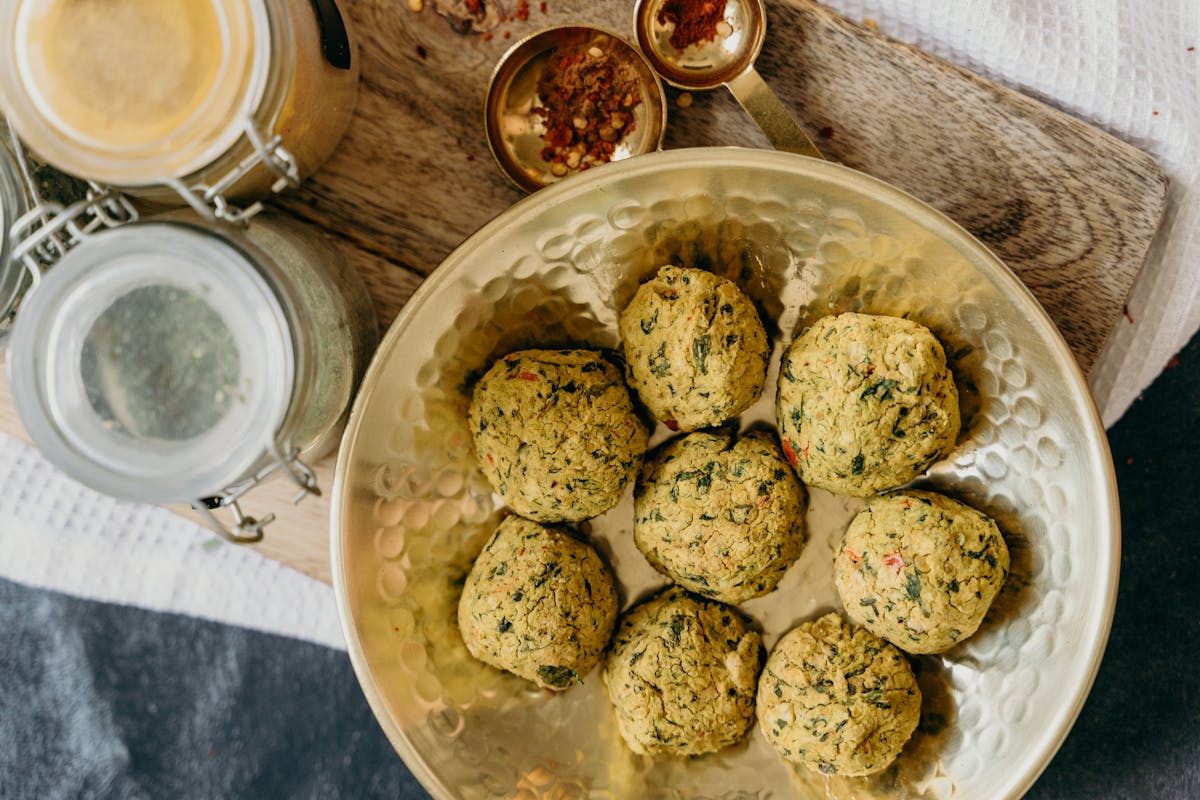
Recipe: Roasted Vegetable & Chickpea Whole‑Food Power Bowl
To make “whole food first” feel tangible (and delicious), let’s build a flexible bowl packed with fiber, protein, color, and crunch. This roasted vegetable and chickpea power bowl is:
- Rich in whole‑food ingredients: vegetables, legumes, whole grains, and healthy fats
- Customizable: swap veggies based on season or what’s in your fridge
- Meal‑prep friendly: perfect for lunches or easy weeknight dinners
- Naturally high in fiber and protein for better satiety and steadier energy
Quick Recipe Snapshot
Prep time: 20 minutes
Cook time: 30 minutes
Total time: ~50 minutes
Servings: 4 bowls
Difficulty: Easy
Dietary: Vegetarian, easily vegan & gluten‑free*
*Use certified gluten‑free grains and condiments if needed.
Equipment You’ll Need
- 1 medium saucepan with lid (for grains)
- 1 large baking sheet (or two smaller ones)
- Parchment paper (optional but helps prevent sticking)
- Cutting board and sharp knife
- Large mixing bowl or the baking sheet itself for tossing vegetables
- Small jar with lid or bowl and whisk (for dressing)
- Measuring cups and spoons
Ingredients
For the Base
- 1 cup (190 g) dry quinoa or brown rice, rinsed
- 2 cups (480 ml) water or low‑sodium vegetable broth
For the Roasted Vegetables & Chickpeas
- 1 can (15 oz / 400 g) chickpeas, drained and rinsed
- 2 medium carrots, sliced into coins or batons
- 1 red bell pepper, sliced into strips
- 1 small broccoli crown, cut into florets
- 1 small red onion, sliced into wedges
- 2 tbsp extra‑virgin olive oil
- 1 tsp smoked paprika
- 1/2 tsp ground cumin
- 1/2 tsp garlic powder
- 1/2 tsp fine sea salt, plus more to taste
- Freshly ground black pepper, to taste
For the Lemon‑Garlic Dressing
- 2 tbsp extra‑virgin olive oil
- 2 tbsp lemon juice (about 1 lemon)
- 1 tsp Dijon mustard
- 1 tsp maple syrup or honey (optional, for balance)
- 1 small garlic clove, finely minced or grated
- Salt & pepper, to taste
Toppings & Garnish (Optional but Wonderful)
- 2 tbsp chopped fresh parsley or cilantro
- 1 small avocado, sliced
- 2 tbsp toasted seeds (pumpkin or sunflower) or chopped nuts
Step‑by‑Step Instructions
1. Cook the Whole‑Grain Base
- Rinse the quinoa or brown rice under cold running water using a fine‑mesh strainer. This removes any bitterness or excess starch.
- Add the grains and water (or broth) to a medium saucepan. Bring to a boil over medium‑high heat.
- Once boiling, reduce heat to low, cover, and simmer:
- Quinoa: 15 minutes
- Brown rice: 30–35 minutes
- Turn off the heat and let sit, covered, for 5 minutes. Then fluff gently with a fork and set aside, covered to keep warm.

2. Prep and Roast the Vegetables & Chickpeas
- Preheat your oven to 425°F (220°C). Line a large baking sheet with parchment paper if you like easy cleanup.
- Pat the rinsed chickpeas dry with a clean kitchen towel. Removing excess moisture helps them crisp up in the oven.
- Spread the carrots, red pepper, broccoli, red onion, and chickpeas on the baking sheet in a single layer.
- Drizzle with 2 tbsp olive oil, then sprinkle on smoked paprika, cumin, garlic powder, salt, and pepper.
- Use your hands or a spatula to toss everything until evenly coated. Spread out again so nothing is crowded—this encourages browning rather than steaming.
- Roast for 20–25 minutes, stirring once halfway through, until:
- Edges of the vegetables are caramelized and slightly crisp.
- Broccoli is tender but not mushy.
- Chickpeas are golden and lightly crunchy.
3. Whisk the Bright Lemon‑Garlic Dressing
- In a small jar or bowl, combine:
- 2 tbsp olive oil
- 2 tbsp lemon juice
- 1 tsp Dijon mustard
- 1 tsp maple syrup or honey (if using)
- Minced garlic
- Pinch of salt and pepper
- Shake the jar or whisk vigorously until the dressing looks creamy and slightly thickened—that’s the mustard helping it emulsify.
- Taste and adjust: more lemon for brightness, more oil if it tastes too sharp, or a touch more sweetener for balance.

4. Assemble Your Whole‑Food Power Bowls
- Divide the fluffy grains among four bowls.
- Spoon generous portions of roasted vegetables and chickpeas over each base.
- Drizzle each bowl with a couple of spoonfuls of the lemon‑garlic dressing.
- Top with chopped herbs, avocado slices, and toasted seeds or nuts for crunch.
- Taste and add a final pinch of salt or squeeze of lemon if needed.
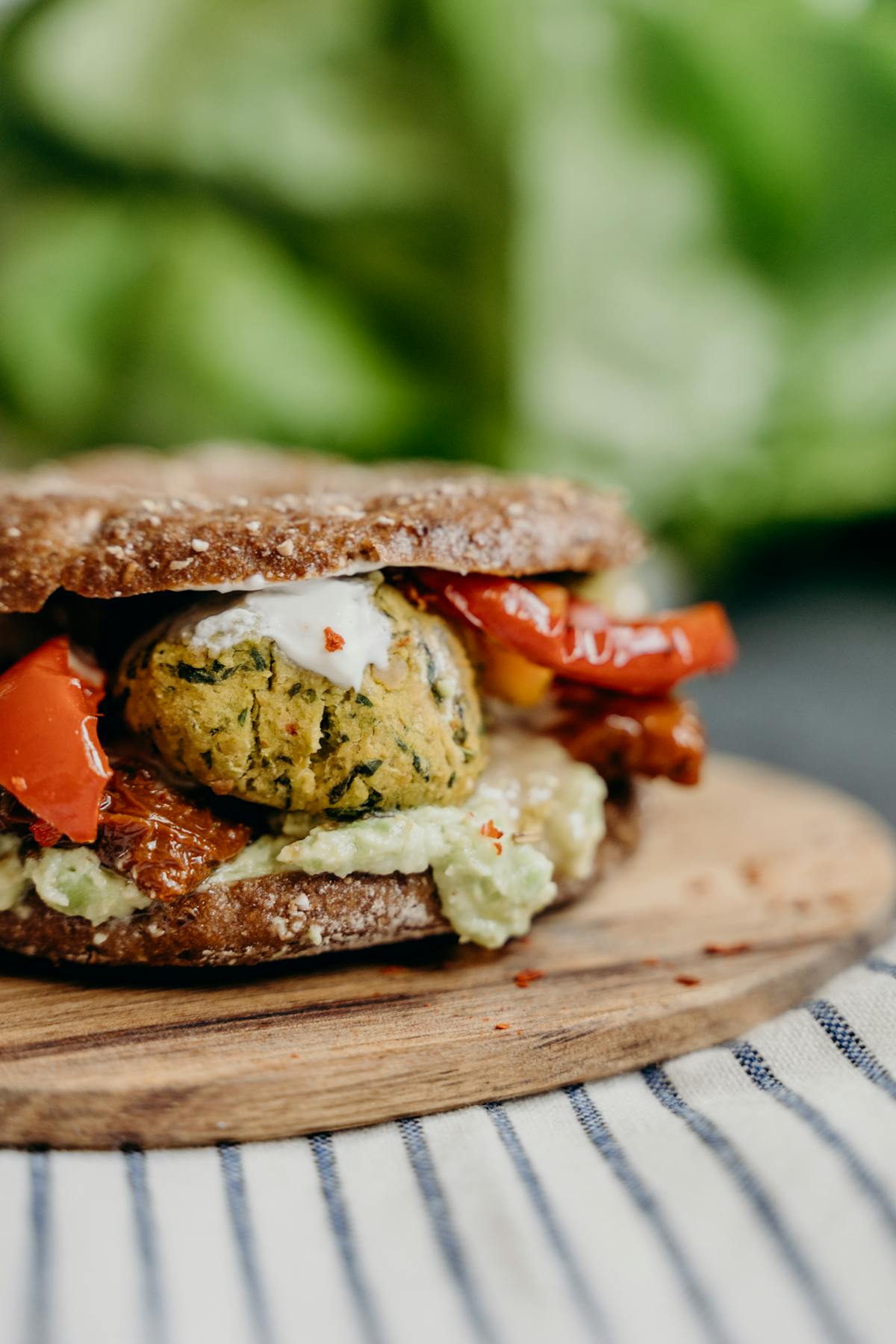
Variations, Swaps & Dietary Adaptations
One of the joys of whole‑food cooking is how forgiving it can be. Use this bowl as a template and play:
Seasonal Vegetable Ideas
- Spring: asparagus, snap peas, radishes
- Summer: zucchini, cherry tomatoes, eggplant
- Autumn: sweet potato, Brussels sprouts, red cabbage
- Winter: cauliflower, parsnips, beets (par‑roast beets a bit longer)
Protein Boosts
- Add roasted tofu or tempeh cubes for a vegan protein boost.
- Top with grilled chicken, salmon, or a soft‑boiled egg if you eat animal protein.
Dietary Notes
- Vegan: Use maple syrup in the dressing instead of honey.
- Gluten‑free: Stick to quinoa, buckwheat, or certified gluten‑free brown rice and check labels on mustard and broth.
- Nut‑free: Use seeds instead of nuts for topping.
Storage & Reheating Tips
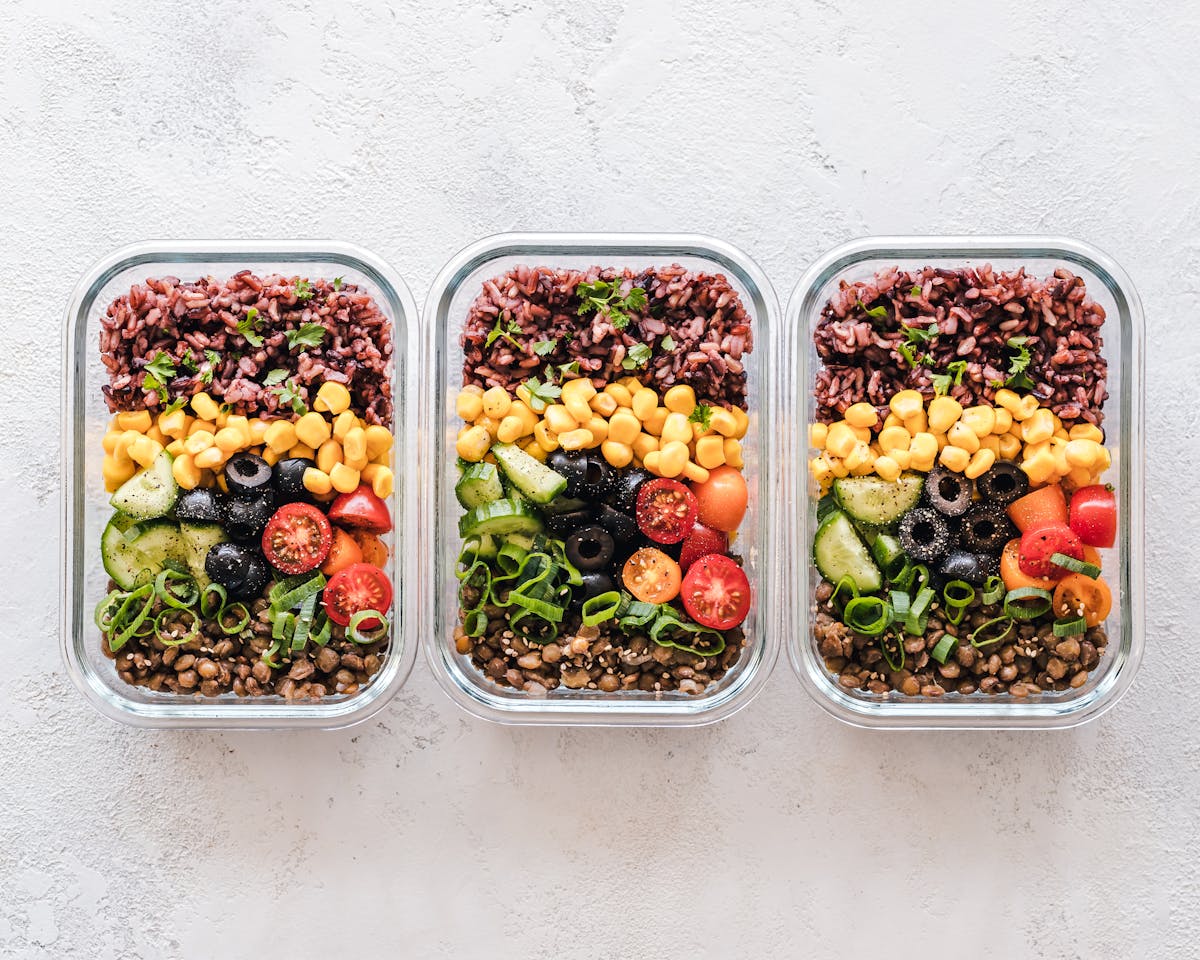
This bowl is ideal for meal prep and keeps well in the fridge, making it easier to skip ultra‑processed lunches on busy days.
Refrigeration
- Store cooked grains, roasted veg & chickpeas, and dressing in separate airtight containers.
- Refrigerate for up to 4 days.
- Slice fresh avocado only when serving to prevent browning.
Reheating
- Oven or toaster oven: Reheat veg and chickpeas at 350°F (175°C) for 8–10 minutes for best texture.
- Microwave: Reheat grains and veg together in 30–60 second bursts until warm.
- Drizzle with dressing and add fresh toppings after reheating.
Serving Ideas & Complementary Dishes
Turn this whole‑food bowl into a full “no‑UPF” style meal with simple sides:
- Fresh side salad with leafy greens, cucumber, and a splash of olive oil and vinegar.
- Simple fruit plate—orange segments, berries, or sliced apple with a sprinkle of cinnamon.
- Plain yogurt with a drizzle of honey and nuts for dessert (choose unsweetened yogurt with live cultures and short ingredient list).
- Herbal tea or sparkling water with lemon in place of sugary drinks.
Each of these sides reinforces the “whole food first” mindset: simple ingredients, layers of flavor, minimal fuss.
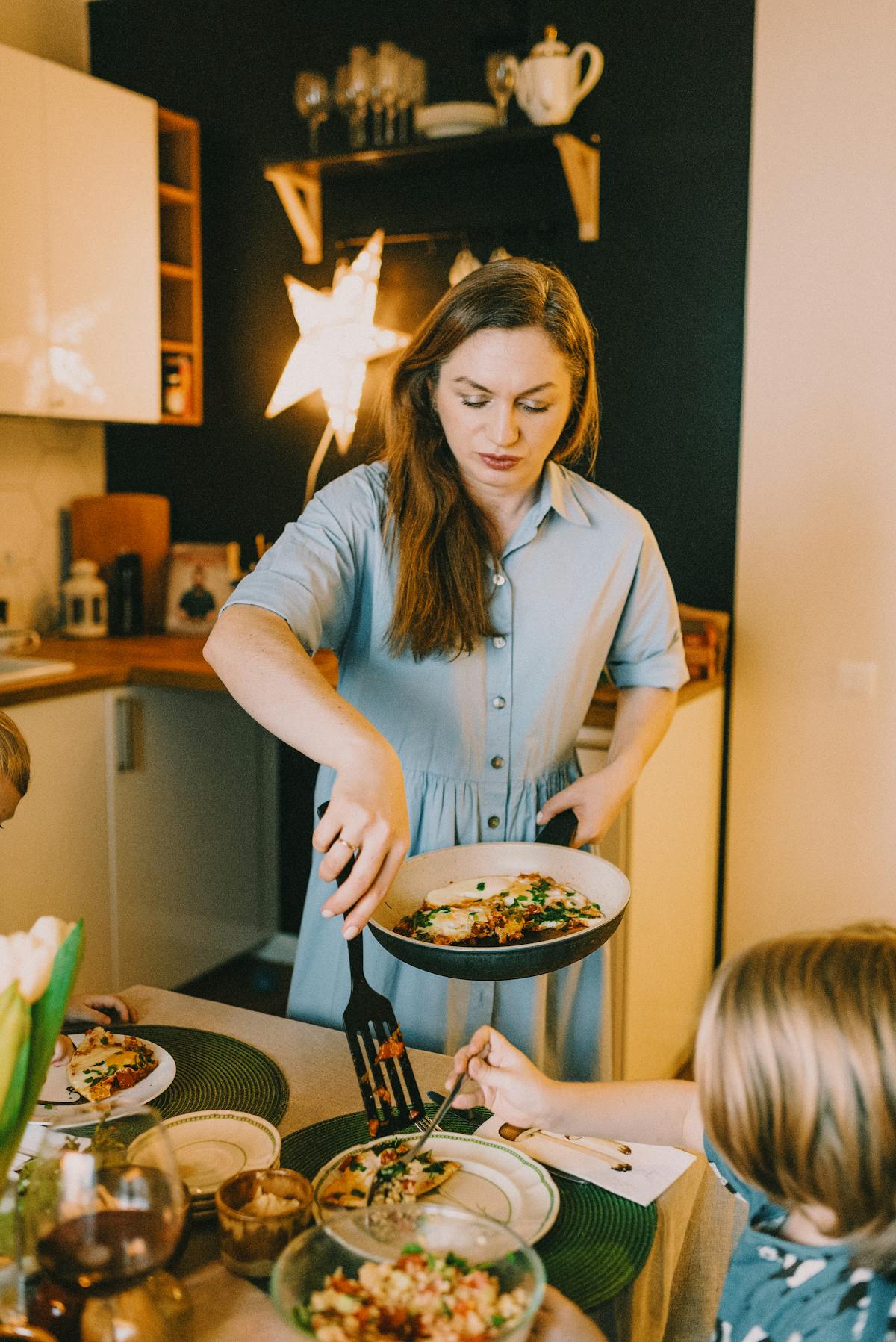
Bringing the ‘Whole Food First’ Trend Into Your Kitchen
The backlash against ultra‑processed foods isn’t about fear—it’s about reconnection: with your ingredients, your kitchen, and your own sense of what feels good to eat. Each time you choose a simple, home‑cooked bowl like this over a highly processed option, you’re:
- Practicing ingredient‑list literacy
- Supporting steadier energy and better satiety
- Building cooking skills that pay off for a lifetime
You don’t have to swear off all UPFs forever. But by making whole‑food meals the default—bowls like this one, simple soups, roasted trays of vegetables and fish, big salads—you’ll naturally crowd out the ultra‑processed stuff and rediscover just how satisfying real food can be.
