
Timothée Chalamet’s Ballet and Opera Comments: What He Really Said and Why It Sparked Backlash
Timothée Chalamet, riding high on awards-season buzz for his performance in Marty Supreme, probably did not expect ballet dancers and opera devotees to become his most vocal critics this week. Yet a few offhand remarks about ballet and opera in a recent Yahoo Entertainment interview have triggered a minor culture-war moment online, with artists accusing the actor of treating two centuries-old art forms as boring, elitist relics.
The controversy lands at an awkward time: Chalamet is considered a frontrunner for Best Actor at this Sunday’s Academy Awards, and every quote is being scrutinized. Below, a breakdown of what he actually said, why it struck such a nerve in the performing-arts world, and what the debate reveals about how Hollywood talks about “high culture.”

What Did Timothée Chalamet Actually Say About Ballet and Opera?
The flashpoint came in a Yahoo Entertainment interview published in the final stretch of awards campaigning. While reflecting on different performance traditions and audiences, Chalamet contrasted cinema’s perceived accessibility with what he described as the more “exclusive” worlds of ballet and opera.
Paraphrasing the spirit of his remarks, Chalamet suggested that:
- Movies feel like a “democratic” art form—you buy a ticket and you’re in.
- Ballet and opera, by comparison, can seem “uptight” or “stiff,” especially to younger audiences.
- He personally struggles to connect with them in the same way he connects with film and popular music.
In isolation, this sounds like a fairly standard “I don’t really get opera” confession. The problem was the way he reportedly framed ballet and opera as symbols of old-school elitism, implying that they are out of step with contemporary culture rather than complex traditions with their own evolving fanbases.
“You go to ballet or opera and it can feel like this thing that wasn’t really built for people our age to enjoy… Movies shouldn’t feel like that.”
— Timothée Chalamet, in conversation with Yahoo Entertainment (as reported in the piece)
That “wasn’t really built for people our age” sentiment is what ballet dancers, opera singers, and fans jumped on. To many, it read as a young Hollywood star punching down at art forms already fighting for broader audiences and public funding.
Why the Comments Sparked Backlash in Ballet and Opera Communities
On social media, professional dancers and opera singers didn’t mince words. They argued that Chalamet’s framing reinforced lazy stereotypes: the idea that ballet and opera are fundamentally joyless, elitist, or culturally irrelevant.
- Artists felt dismissed: Years of brutal training, low pay, and unstable contracts don’t exactly scream “elite.” Many performers saw his comments as erasing their effort to widen access and diversify their audiences.
- Fans saw a media double standard: When film actors talk about theatre, ballet, or opera, they’re often positioned as cultural gatekeepers—so a dismissive tone can carry real weight.
- Institutions worried about perception: Ballet companies and opera houses are already battling perceptions of being “for the rich.” A high-profile star repeating that narrative does not help.
“Please don’t call what we do ‘stiff.’ We literally bleed in our shoes so a teenager in the balcony can see something unforgettable.”
— A professional ballet dancer reacting on X (formerly Twitter)
The timing didn’t help. With live-arts organizations still clawing back audiences following the pandemic, anything that paints opera or ballet as irrelevant arrives like salt in the wound.
Ballet, Opera, and the Long Shadow of “High Culture” Stereotypes
Historically, ballet and opera were indeed closely linked with aristocratic and upper-middle-class culture in Europe and North America. Ticket prices, dress codes, and social rituals around the performances could reinforce that aura of exclusivity.
But the 20th and 21st centuries have complicated that story:
- State subsidies in much of Europe were designed to make these art forms accessible to wider publics.
- Modern stagings of classic works—from radical Carmen productions to dystopian Swan Lake reinterpretations—aim to speak directly to contemporary political and social anxieties.
- Crossovers with film and TV (think Black Swan, The Queen of Spades broadcasts, or Met Opera Live in HD) have blurred the line between “high” and “popular” culture.
So when a figure like Chalamet casually reduces ballet and opera to “not really for us,” it can feel like a step backwards for people who have spent decades trying to argue that these forms are as emotionally raw and politically charged as any A24 drama.
Awards-Season Nerves and the One-Quote News Cycle
There’s also a more banal factor at play: the industrial machine of awards season. Actors do endless rounds of interviews, podcasts, and panel discussions. Eventually, someone says the slightly wrong thing about the slightly wrong subject.
In this case, the Yahoo piece framed Chalamet as the likely Best Actor winner who “stumbled at the finish line” with a badly received comment—an irresistible narrative hook for entertainment media.
- It creates a classic “rise, peak, backlash” arc around a star whose public image has been almost frictionless.
- It folds a niche arts debate (ballet and opera representation) into a mainstream Hollywood storyline.
- It feeds a social-media ecosystem that thrives on aesthetic and class-based arguments—who is “for the people” and who isn’t.

Reading Chalamet Charitably: Fair Point or Cultural Blind Spot?
To be fair to Chalamet, there is a recognizable kernel of truth in what he was trying to say. Many people do feel intimidated by opera houses and ballet theatres, and young audiences often describe ticket prices, unfamiliar etiquette, and opaque programming as barriers.
If we strip away the clumsy phrasing, his comments touch on a legitimate question:
How do traditional art forms make themselves feel welcoming to new audiences without flattening what makes them unique?
The issue is that his remarks were delivered from a position of cultural power—an Oscar-contending movie star—about communities that often feel precarious. When actors talk about film, they are seen as insiders; when they talk about ballet and opera, they can unintentionally sound like tourists reviewing a city after one slightly underwhelming restaurant.
A more nuanced version of Chalamet’s point might have acknowledged:
- That his experience of ballet and opera is limited and personal, not definitive.
- That many companies are actively trying to break the exact stereotypes he invoked.
- That accessibility is as much about funding and education policy as it is about vibes.
Hollywood vs. the “High Arts”: A Bigger Conversation
The Chalamet flap also taps into a quieter rivalry between Hollywood and the so-called “high arts.” Film has long borrowed the legitimacy of opera and ballet—stuffing soundtracks with Puccini, staging chase scenes in opera houses, borrowing ballet’s visual language for prestige dramas—while often caricaturing the people who actually work in those spaces.
Consider how often movies use an opera house or ballet performance as shorthand for:
- Wealth and distance (the villain watching from a plush box seat).
- Emotional repression (the rigid prima ballerina who must be “broken open”).
- Cultural aspiration (characters “leveling up” socially just by being there).
In that sense, Chalamet’s comments aren’t an outlier—they’re part of a broader Hollywood habit of casting opera and ballet as symbols of someone else’s rarefied world, rather than living practices full of working-class artists, freelance musicians, and gig-economy dancers.
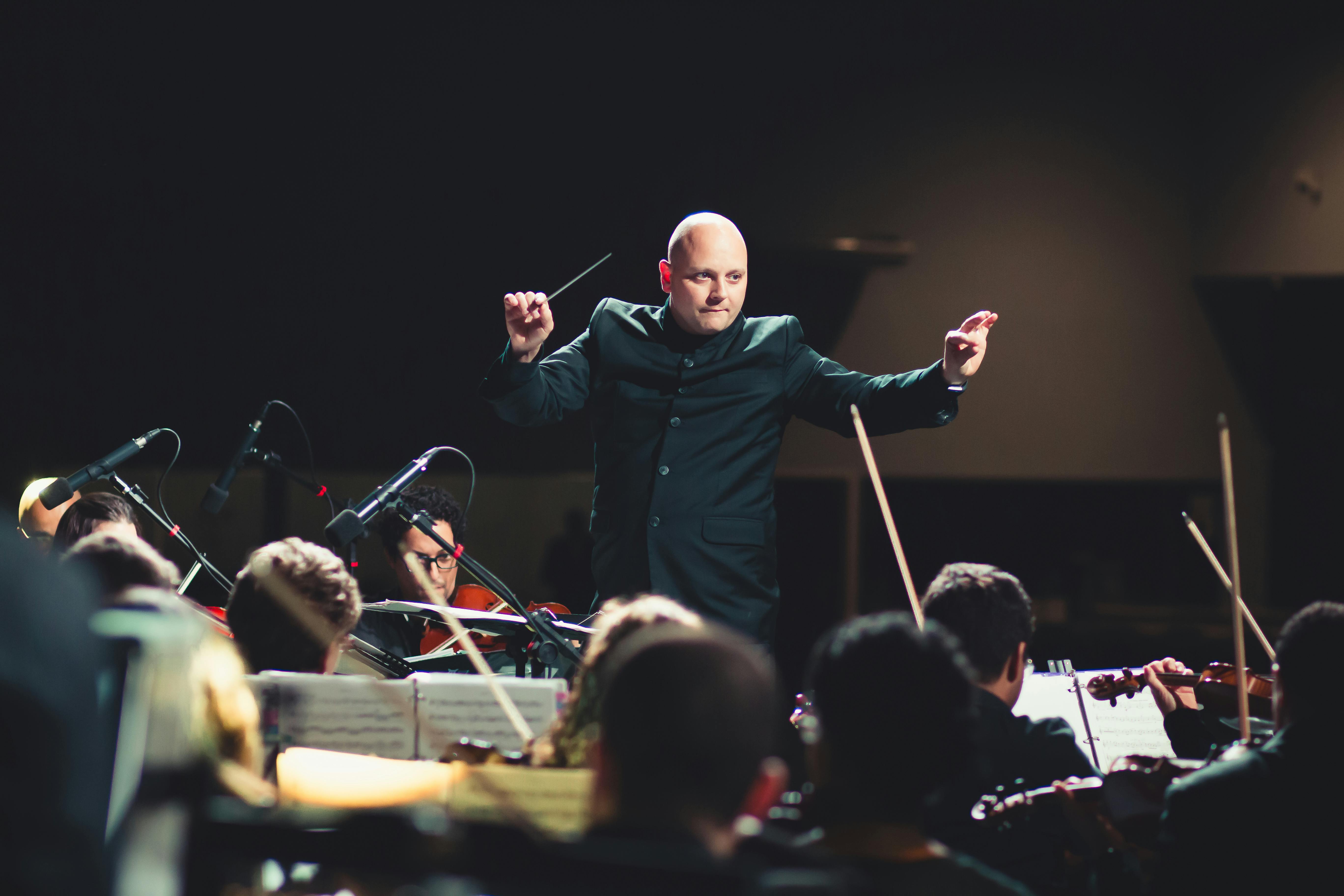
Trailers, Clips, and How Visual Media Bridges the Gap
Ironically, one of the most effective tools for making ballet and opera feel less “stiff” is the medium Chalamet represents: film. High-quality trailers, behind-the-scenes documentaries, and cinema broadcasts have changed how people encounter these art forms.
For instance, the Metropolitan Opera’s live cinema transmissions package arias like movie set pieces, while companies like the Royal Ballet regularly release rehearsal-room footage that shows dancers as athletes and artists, not porcelain figurines.
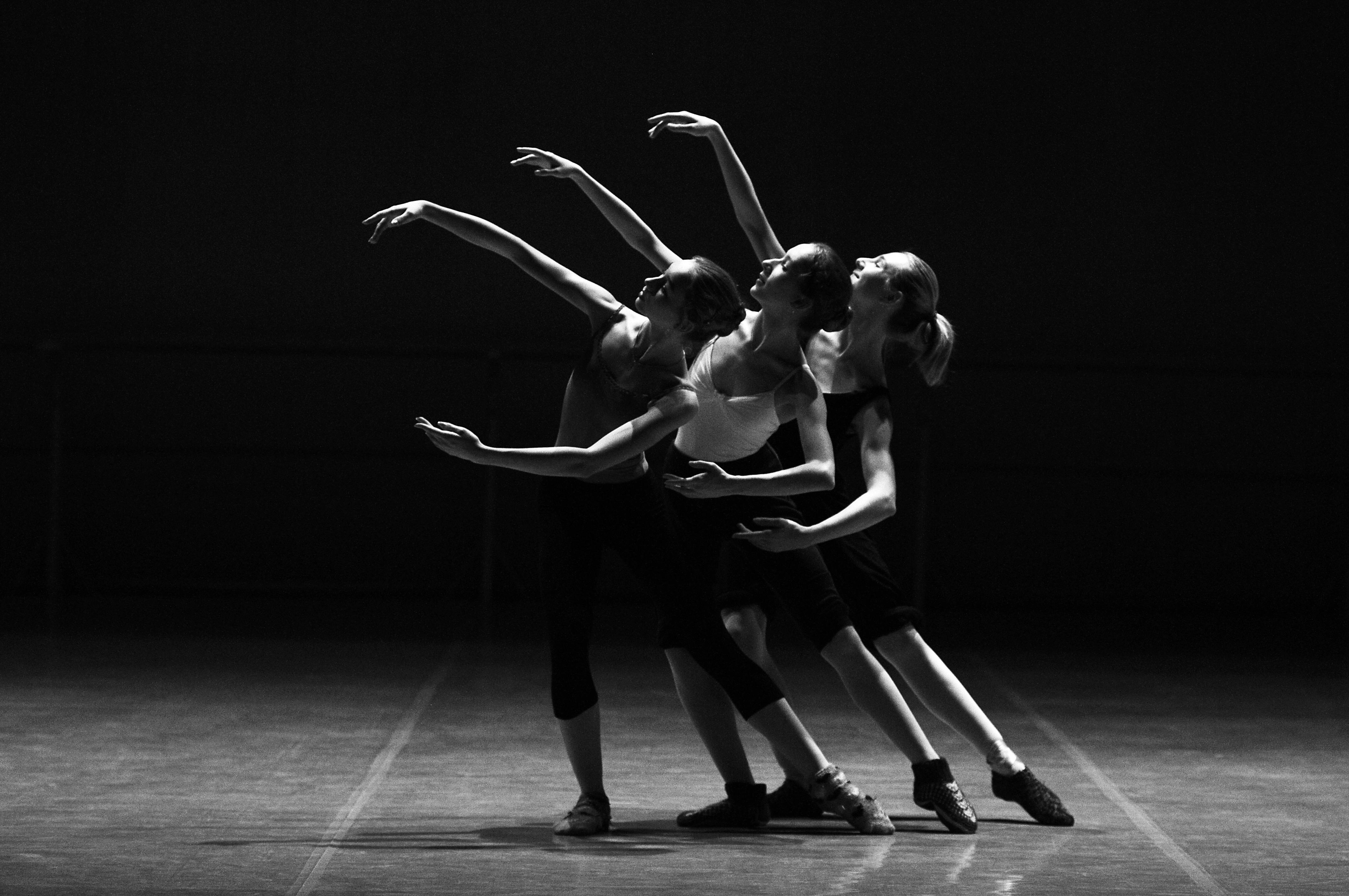
That crossover space—where movie stars, choreographers, and opera directors collaborate—is actually where someone like Chalamet could be most useful, if he chose to lean in rather than shrug off the art forms.
So, Was the Backlash Fair? Key Takeaways
The reaction to Chalamet’s ballet and opera comments sits at the crossroads of genuine artistic frustration and the internet’s love of a tidy controversy. Some key points to carry forward:
- He voiced a common feeling clumsily. Many people are intimidated by opera houses and ballet theatres; saying so isn’t inherently offensive, but the tone matters.
- Context is everything. Coming from a hugely visible, awards-tipped actor, breezy dismissals can reinforce funding and perception challenges for already-struggling art forms.
- Ballet and opera are not static. Companies worldwide are working to dismantle the very stereotypes invoked in the interview.
- The conversation is useful. If nothing else, the dust-up nudged thousands of people to ask why ballet and opera are seen as inaccessible—and how that might change.
“If a Timothée Chalamet quote is what it takes to get people discussing arts accessibility, fine. But let’s move past the hot take and talk about policy, pricing, and education.”
— Arts critic writing in response to the controversy
Conclusion: After the Oscars, the Work Continues
Whether Chalamet walks away with a Best Actor Oscar or not, his interview will be a footnote in his career. For ballet and opera, however, the underlying issues he inadvertently spotlighted are ongoing: who feels welcome, how ticket pricing works, how education systems introduce (or ignore) the classical arts, and how media frames “high culture” in contrast with film and television.
The most productive response to the controversy is probably not endless dragging, but curiosity. If the popular narrative paints ballet and opera as stiff and exclusive, the best rebuttal is to show—through performance clips, open rehearsals, and smart collaborations—just how alive, strange, and emotionally direct these art forms can be.
In other words: if Hollywood’s brightest young star doesn’t yet “get” ballet and opera, the challenge is on the arts world—and its audiences—to invite him, and people like him, to look again.
