
This Gut Microbe Might Make You Stronger: What the New Muscle Study Really Means
Imagine discovering that a tiny organism living quietly in your gut might be helping you lift more weight, walk faster, or stay stronger as you age. That’s exactly what new research is suggesting: a specific microbe in the human gut may help boost muscle strength, adding a fascinating twist to how we think about fitness and healthy aging.
In this article, we’ll unpack what scientists have actually found, why this “gut–muscle connection” matters, and how you can start supporting your own microbiome in realistic, science-backed ways—without falling for hype or quick fixes.
Why Muscle Strength and Gut Health Are Suddenly Linked
Loss of muscle strength is one of the biggest predictors of poor health as we age. It’s tied to:
- Higher risk of falls and fractures
- Reduced ability to live independently
- Slower recovery from illness or surgery
- Higher overall mortality risk
At the same time, the gut microbiome—trillions of bacteria, fungi, and other microbes living in your intestines—has been linked to immunity, metabolism, mood, and even brain health. The new twist is evidence that certain gut microbes may also influence how strong your muscles are.
What the New Study on a Gut Microbe and Muscle Strength Found
According to a recent report highlighted by ScienceAlert, researchers identified a specific gut microbe that appears to be associated with better muscle strength in humans. While details vary by study, this type of research typically follows a pattern:
- Observational phase: Scientists compare the gut microbes of people with higher vs. lower muscle strength.
- Mechanism testing: In lab or animal models, they test whether adding or removing certain microbes changes muscle function.
- Metabolite analysis: They look for microbial byproducts (like short‑chain fatty acids) that could influence muscle.
The study reported that people with more of this particular microbe tended to have stronger muscles. In experimental models, the presence of this microbe—or its metabolites—appeared to enhance aspects of muscle performance.
“These findings support the concept of a ‘gut–muscle axis,’ where microbial metabolites influence muscle metabolism and function.”
— Summary of current microbiome and muscle research trends (e.g., Nature, Cell)
However, correlation doesn’t prove causation in humans yet. We don’t have definitive evidence that simply adding this microbe to a person’s gut will reliably boost their strength, and commercial products based on this idea are still in early stages—or not yet validated.
A Visual Way to Think About the Gut–Muscle Connection
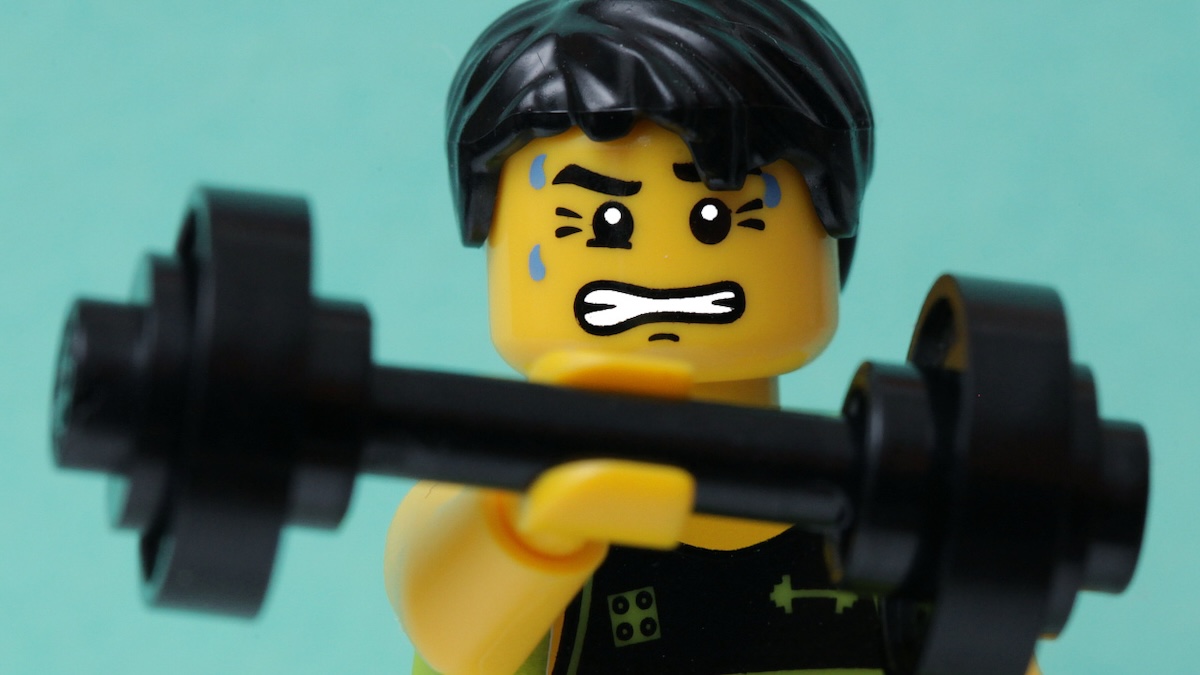
While headlines about a “strength microbe” are eye‑catching, the reality is more like a complex LEGO build: many small pieces working together. Your microbiome, your diet, your training habits, and your sleep patterns all interact to shape how strong you can become.
How Could a Gut Microbe Possibly Boost Muscle Strength?
Scientists talk about a gut–muscle axis—a two‑way communication line between your intestines and your skeletal muscles. Several mechanisms are being investigated:
- Short‑chain fatty acids (SCFAs): Certain microbes break down fiber into SCFAs like butyrate and propionate, which may improve insulin sensitivity, reduce inflammation, and support muscle metabolism.
- Reduced inflammation: A diverse, balanced microbiome can help maintain the gut barrier and lower chronic, low‑grade inflammation—important because inflammation can accelerate muscle breakdown.
- Amino acid availability: Some bacteria help liberate or synthesize amino acids, the building blocks of muscle.
- Hormonal and nerve signals: Microbial metabolites can affect hormones (like IGF‑1) and even nerve pathways that indirectly influence muscle function.
What the Evidence Really Says (and What It Doesn’t)
The emerging research is exciting, but it’s still early. Here’s a balanced view:
- We do know: People with more diverse, fiber‑nourished microbiomes tend to have better metabolic health, lower inflammation, and better physical function as they age.
- We also know: Exercise itself can positively change the microbiome, often increasing microbes associated with beneficial metabolites.
- We do not yet know: The exact dose, strain, or delivery method of a “strength microbe” that would reliably improve human strength in large, well‑controlled clinical trials.
- We shouldn’t assume: That any commercial probiotic labeled for “performance” or “strength” is backed by rigorous, peer‑reviewed evidence in humans.
“Microbiome science is moving fast, but most findings are still at the association or early mechanistic stage. For now, focusing on whole‑diet patterns, exercise, and sleep remains the most evidence‑backed path to better strength.”
— Interpreting current literature from organizations like the National Institutes of Health (NIH) and major journals.
A Real‑World Story: Strength Gains After a Gut Reset
A client I’ll call “Maria,” 62, came to a sports medicine clinic with two concerns: stubborn digestive issues and declining leg strength. She worried about losing independence after seeing relatives struggle with falls.
Over six months, her care team didn’t chase a single “magic” microbe. Instead, they:
- Shifted her diet toward more plants, beans, and fermented foods
- Added a gentle but progressive strength program twice a week
- Improved her sleep schedule and stress‑management habits
By the end of the program, Maria’s leg press improved by about 30%, her walking speed increased, and her bloating significantly decreased. We can’t say a specific microbe caused this, but her story perfectly illustrates how gut‑friendly habits and strength training can work hand‑in‑hand.
Practical Ways to Support Your Gut for Better Muscle Health
You don’t need to wait for a prescription microbe to start improving your gut–muscle axis. Here are evidence‑informed, realistic steps you can begin now.
1. Feed Your Gut Microbes with Fiber‑Rich Foods
Most beneficial microbes thrive on dietary fiber and plant compounds. Aim for a variety of:
- Vegetables (especially leafy greens, onions, garlic, asparagus, artichokes)
- Fruits (berries, apples, pears, bananas)
- Whole grains (oats, barley, quinoa, brown rice)
- Legumes (lentils, chickpeas, beans)
- Nuts and seeds (walnuts, flax, chia, pumpkin seeds)
These support microbes that produce SCFAs, which in turn may help your muscles use fuel more efficiently and recover better.
2. Include Fermented Foods Strategically
Fermented foods can introduce live, potentially beneficial microbes and their metabolites:
- Yogurt with live and active cultures
- Kefir (fermented milk or plant‑based options)
- Kimchi, sauerkraut, and other fermented vegetables
- Miso and tempeh
Start slowly if you’re not used to them, especially if you have a sensitive stomach.
3. Train Your Muscles—It Helps Your Gut Too
Regular resistance training (using bodyweight, bands, or weights) directly builds muscle strength and appears to shift the microbiome in a favorable direction.
- Aim for 2–3 non‑consecutive days per week of strength training.
- Include major muscle groups: legs, hips, back, chest, shoulders, arms, and core.
- Focus on progressive overload: gradually increase weight, reps, or sets over time.
Combined with a fiber‑rich diet, this may create a positive feedback loop between gut and muscle health.
4. Prioritize Sleep and Stress Management
Poor sleep and chronic stress can disrupt both the microbiome and muscle recovery. Helpful habits include:
- Keeping a consistent sleep–wake schedule, even on weekends
- Building a pre‑bed wind‑down routine (dim lights, screens off, light stretching)
- Using short, daily stress‑management tools (breathing exercises, brief walks, journaling)
Before and After: Lifestyle Changes vs. Waiting for a “Magic” Microbe
To put this in perspective, compare two approaches to the gut–muscle connection:

Approach 1: Waiting for a Microbe Supplement
- Passive—relies on future pills or products.
- Benefits and safety are not yet fully established.
- Doesn’t address other major drivers of strength loss (inactivity, low protein, poor sleep).
Approach 2: Lifestyle‑First Gut–Muscle Strategy
- Active—optimizes diet, movement, and recovery now.
- Supported by a large body of research for both gut and muscle health.
- Can be tailored to your age, health conditions, and preferences.
Common Obstacles—and How to Work Around Them
Changing both your gut habits and your strength routine can feel overwhelming. Here are common stumbling blocks and realistic solutions.
“High‑fiber foods upset my stomach.”
- Increase fiber gradually over weeks, not days.
- Drink enough water—fiber without fluids can cause discomfort.
- Try cooked vegetables and peeled fruits first; they’re often easier to tolerate.
“I’m intimidated by strength training.”
- Start with bodyweight exercises (sit‑to‑stand from a chair, wall push‑ups, light resistance bands).
- Work with a trainer who has experience with your age group or health condition, if possible.
- Track small wins: one extra rep, slightly better balance, or reduced joint discomfort.
“I don’t have time.”
- Think in “activity snacks”: two or three 10‑minute bouts of movement during the day.
- Keep gut‑friendly staples (frozen veggies, canned beans, pre‑washed greens) on hand.
- Pair new habits with existing ones—for example, a short strength circuit after brushing your teeth at night.
What Experts Recommend Right Now
While researchers continue to explore the specific microbe highlighted in the recent study, major health organizations already emphasize patterns that support both microbiome and muscle health:
- World Health Organization (WHO): Recommends regular physical activity, including strength training, for healthy aging.
- Dietary guidelines (e.g., USDA, national health bodies): Encourage a plant‑rich eating pattern with plenty of whole grains, fruits, vegetables, and legumes.
- Geriatric and sports medicine societies: Highlight resistance training and adequate protein intake as key tools to preserve muscle mass and function.
If and when a clinically proven “strength‑enhancing” microbe becomes available, it’s likely to be used as an adjunct—not a replacement—for these core strategies.
Infographic: The Gut–Muscle Feedback Loop
Think of your daily choices as small inputs into this loop. Over time, they can shift your baseline toward better strength, energy, and resilience—even without a single designer microbe.
Safety First: When to Talk to a Professional
While most people can safely adopt gut‑friendly eating and moderate strength training, some situations call for medical guidance:
- History of serious digestive disorders (IBD, celiac disease, major bowel surgeries)
- Recent major surgery, cancer treatment, or severe chronic illness
- Unexplained weight loss, blood in the stool, or persistent severe abdominal pain
- Heart or lung conditions that might limit safe exercise intensity
Bringing It All Together: Tiny Microbes, Big Potential
The idea that a tiny gut microbe might help you stay stronger for longer is both inspiring and humbling. It reminds us that our bodies are ecosystems—and that even small daily habits can echo through that ecosystem in powerful ways.
At this stage, the most responsible takeaway from the new research is not to chase a single “strength bacteria,” but to:
- Eat in a way that nourishes diverse, beneficial gut microbes
- Move and lift regularly to build and maintain muscle
- Protect your sleep and manage stress to allow both gut and muscle to recover
Over months and years, these choices can be just as powerful as any future pill—perhaps more so.
Your next step: Choose one small action—adding a serving of beans, going for a brisk 10‑minute walk, or doing a set of chair squats today—and let that be the first building block in your own gut–muscle success story.
