The Unexpected Link Between Vegetarian Diets and Cancer Risk You Need to Know About
The Surprising Link Between “Healthy” Vegetarian Diets and Cancer Risk
New research following nearly two million people has found that vegetarians may have a lower risk of some cancers, including pancreatic cancer—one of the most aggressive forms of the disease. But before you overhaul your grocery cart, it’s important to know: the relationship between a vegetarian diet and cancer is real, but nuanced.
In this guide, we’ll unpack what the study (covered by AOL and others) actually showed, what scientists and cancer experts think about it, and how you can use this information to build a diet that supports your long-term health—without fear, fads, or perfectionism.

Why Are We Talking About Vegetarian Diets and Cancer Now?
Headlines from AOL and other outlets recently highlighted a study suggesting a link between vegetarian diets and lower cancer risk, particularly for pancreatic cancer. With nearly two million participants, this kind of research can shift how we think about “healthy eating.”
But “vegetarian” can mean many things—from whole grains and vegetables to ultra-processed meat substitutes and sugary snacks. The core challenge is that people often assume:
- “Vegetarian” automatically equals “healthy”
- Eating meat automatically increases your cancer risk
- One diet can prevent cancer for everyone
The research doesn’t fully support these black-and-white ideas. The link is there, but it depends on diet quality, overall lifestyle, and individual risk factors.
“Between 30–50% of cancers can currently be prevented by avoiding risk factors and implementing existing evidence-based prevention strategies.”
— World Health Organization
What the New Vegetarian–Cancer Study Actually Found
The study referenced in the AOL article analyzed data from close to two million adults. While the specific paper may still be in the process of peer review or replication, its core message is consistent with a body of research published in major journals like The BMJ and JAMA.
Key findings (as reported):
- People following vegetarian diets had a lower overall risk of developing certain cancers.
- The association appeared notable for pancreatic cancer risk, which was lower among some vegetarians.
- The benefit was not equal across all types of cancer or all vegetarian eaters.
Importantly, the researchers adjusted for factors such as age, sex, smoking, and body weight, but no study can perfectly separate diet from all other lifestyle factors.
How Could a Vegetarian Diet Lower Cancer Risk?
Several well-established mechanisms help explain why well-planned vegetarian diets might be linked to lower cancer risk:
- More fiber, less inflammation
Diets rich in whole grains, beans, fruits, and vegetables provide fiber that supports a healthier gut microbiome and may reduce chronic inflammation—a key driver in cancer development. - Lower intake of processed and red meat
The International Agency for Research on Cancer (IARC) classifies processed meat as a Group 1 carcinogen and red meat as a Group 2A (“probable”) carcinogen for colorectal cancer. Vegetarians typically consume less or none of these foods. - Healthier body weight on average
Many vegetarian eaters have a slightly lower BMI on average. Excess body fat is linked to increased risk of at least 13 cancers, including post-menopausal breast, colorectal, and pancreatic cancers. - More protective plant compounds
Vegetables, fruits, legumes, nuts, and seeds are rich in phytochemicals (like carotenoids and flavonoids) that can help protect cells from DNA damage.

Why a Vegetarian Diet Is Not a Guaranteed Shield Against Cancer
It’s tempting to see “vegetarian = lower cancer risk” and assume that cutting out meat alone is the answer. The reality is more complicated.
1. Not all vegetarian diets are healthy
You can be vegetarian and live on fries, white bread, sugary coffee drinks, and ultra-processed snacks. That pattern is unlikely to reduce cancer risk—and may even increase it.
2. Genetics and other risks still matter
Family history, genetics (like BRCA mutations), age, smoking, alcohol use, chronic infections, hormones, and environmental exposures all influence cancer risk. Diet is powerful, but it’s only one piece of the puzzle.
3. Some risks are specific to certain cancers
A vegetarian diet might help with risk of colorectal or pancreatic cancer but have a smaller influence on others. Even within this new research, the benefit was not uniform across all cancer types.
Practical Ways to Use This Research in Your Own Life
You don’t have to become completely vegetarian to benefit from this research. What matters most is shifting toward a plant-forward, minimally processed eating pattern.
1. Start with “more plants,” not “no meat”
- Fill at least half your plate with vegetables or fruit at most meals.
- Add beans, lentils, or tofu to dishes you already love (tacos, pasta, stir-fries, soups).
- Swap refined grains (white bread, white rice) for whole grains (brown rice, oats, quinoa) when possible.
2. Cut back on processed and red meat thoughtfully
You don’t need to be perfect. Even reducing processed meats (like bacon, sausage, deli meats) from “most days” to “occasional” can be meaningful for long-term risk.
- Limit processed meats to special occasions, not daily staples.
- Choose smaller portions of red meat and avoid charring or burning when grilling.
- Use poultry, fish, or plant proteins more often in place of red or processed meats.
3. Build a “cancer-smart” grocery list
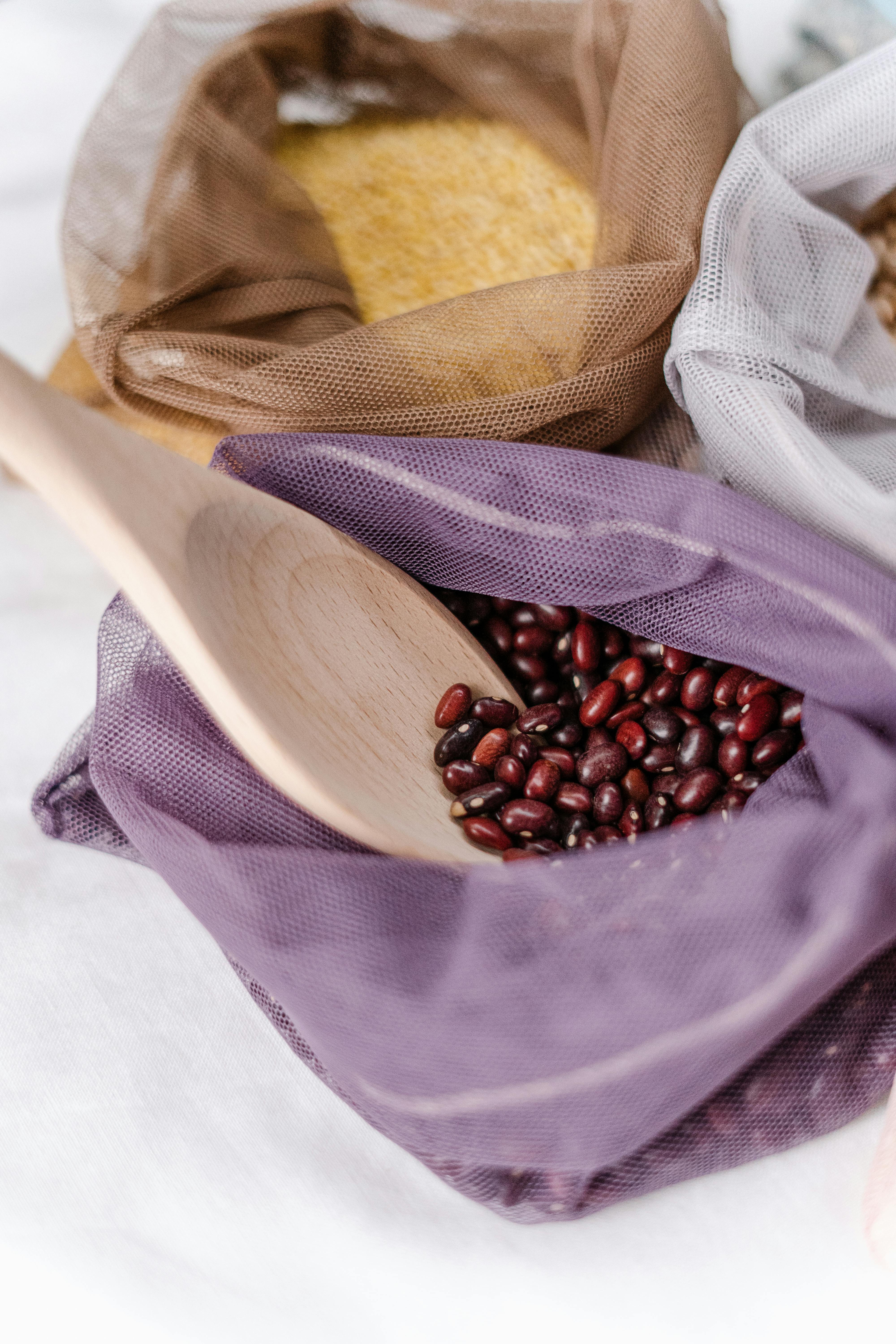
- Frozen or fresh vegetables (broccoli, spinach, carrots, bell peppers)
- Fruits (berries, apples, citrus, bananas)
- Whole grains (oats, brown rice, quinoa, whole-grain bread or pasta)
- Plant proteins (beans, lentils, chickpeas, tofu, tempeh, nuts, seeds)
- Healthy fats (olive oil, avocado, nuts)
Common Obstacles—and How Real People Work Around Them
Eating more plant-based can sound great in theory, but real life is busy, stressful, and full of cravings and family preferences. Here are some common barriers and workable solutions.
“My family won’t eat vegetarian meals.”
One of my clients, a 52-year-old father with a strong family history of colon cancer, worried his teenagers would rebel at meatless dinners. Instead of going “all or nothing,” he:
- Started with “Meatless Mondays” using familiar meals (bean chili, veggie tacos).
- Served meat as a side rather than the centerpiece a couple of times per week.
- Added extra veggies and beans to favorite dishes rather than replacing them entirely.
Within three months, the family was eating double the amount of vegetables, without feeling deprived.
“I don’t have time to cook from scratch.”
- Use pre-washed salad mixes and frozen vegetables for quick sides.
- Keep canned beans on hand and add them to jarred soup, pasta sauce, or ready-made grain bowls.
- Batch-cook one big plant-based dish (like lentil soup or chickpea curry) on weekends and freeze portions.
“I worry I won’t get enough protein.”
Current evidence indicates it’s entirely possible to meet protein needs with plant sources if you eat enough total calories and include a variety of legumes, soy, whole grains, nuts, and seeds. If you’re unsure, a registered dietitian can help you design a plan tailored to your needs, especially if you have or have had cancer.
Vegetarian vs. “Plant-Rich Omnivore”: What Matters Most Is Quality
The new research adds weight to the idea that vegetarian diets can be protective, but it doesn’t say that only vegetarians are protected. Many large studies, including those on Mediterranean-style diets, show reduced cancer and heart disease risk even when small amounts of animal products are included.
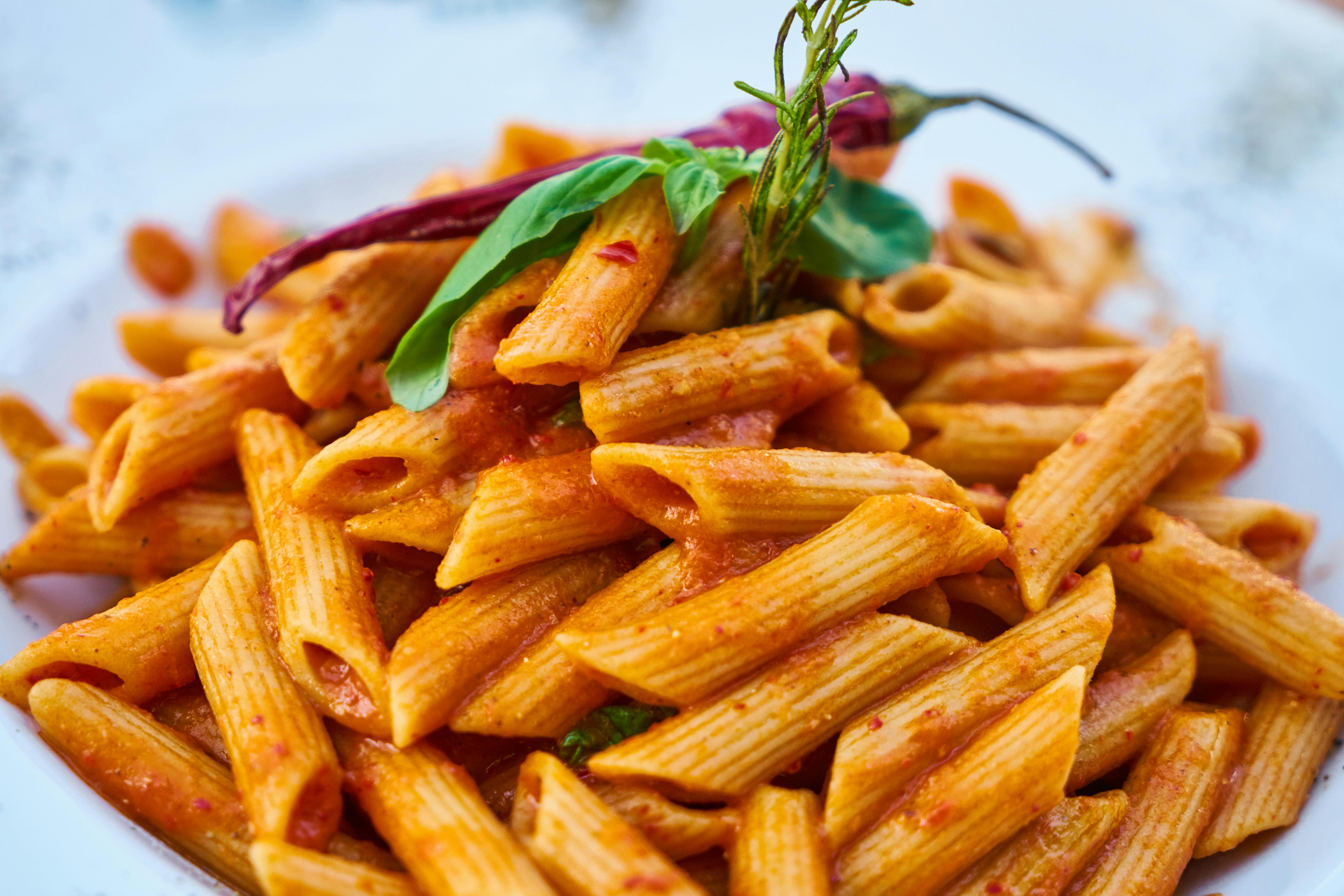
In practice, that means you can choose the approach that’s realistic and sustainable for you:
- Fully vegetarian with an emphasis on whole, minimally processed foods.
- Flexitarian (mostly plant-based with occasional meat or fish).
- Omnivore with intentional limits on red and processed meats and a strong focus on plants.
“When it comes to cancer risk, the pattern of your diet over years matters more than any single meal or label like ‘vegetarian.’”
— Registered Dietitian specializing in oncology nutrition
A Simple 4-Week Plan to Move Toward a Cancer-Smart Eating Pattern
If you’d like to act on the new research without feeling overwhelmed, this gentle, four-week roadmap can help. Adjust the pace to fit your life and medical needs.
- Week 1: Add, don’t restrict
Focus on adding at least one serving of vegetables or fruit to two meals per day. Don’t worry yet about taking anything away. - Week 2: One meatless day
Choose one day (or even one meal) to go meatless using foods you already enjoy: bean burritos, veggie pasta, or lentil soup. - Week 3: Swap out processed meats
Replace bacon, sausage, or deli meats with alternatives such as hummus, eggs, grilled chicken, or tofu for most of the week. - Week 4: Build your long-term pattern
Decide what feels sustainable: more vegetarian days, a flexitarian approach, or a plant-rich omnivorous plan. Write down 5–7 go-to meals that fit your chosen pattern.
Moving Forward: Using the Science Without the Fear
The emerging evidence—including this massive study highlighted by AOL—adds to a growing consensus: diets rich in whole plant foods and lower in processed meats are linked to a lower risk of several cancers, including, in some cases, pancreatic cancer.
That doesn’t mean you must be perfect, or that one specific “healthy” diet can guarantee anything. What you can do—starting today—is gently shift toward more plants, fewer ultra-processed foods, and a pattern you can live with for years.
If this topic stirs anxiety, you’re not alone. Try to view these findings not as a verdict on past choices, but as information you can use going forward. Every meal is a new opportunity, not a test you have to ace.
Next step: Choose one small change from this article—adding a vegetable at lunch, planning one meatless dinner, or swapping processed meats—and put it on your calendar this week. Small, consistent steps are where long-term protection begins.