
The Under-the-Radar Flu-Like Virus That’s Surging Right Now (And How to Protect Your Family)
By Health Desk Editorial Team
Flu season might be winding down, but for many clinics and urgent care centers, the waiting rooms are still full of people with coughs, fevers, and sore throats. A little-known flu-like respiratory virus with no specific vaccine or antiviral treatment has been quietly picking up steam since early winter, leaving many people wondering why they still feel so sick when “flu season” is supposed to be almost over.
If you’ve had a nagging cough that just won’t quit or a “flu” that tested negative for flu and COVID, you’re not alone. This article breaks down what’s going on, what this virus likely is, how it typically behaves, and most importantly, what you can realistically do to protect yourself and the people you care about.

What Is This “Flu-Like” Illness That’s Rising Right Now?
News reports describe a “flu-like respiratory virus with no vaccine or treatment” that has been climbing since the start of winter. While naming can vary by outlet and region, patterns from U.S. surveillance systems and global reports suggest that, outside of classic influenza and COVID-19, the main culprits behind late-season flu-like illness are:
- Human metapneumovirus (HMPV) – a common but less-known virus that causes symptoms very similar to the flu or RSV.
- Parainfluenza viruses – often cause croup in children but can look like a bad cold or flu in adults.
- Other seasonal coronaviruses and adenoviruses – different from SARS-CoV-2 but still capable of causing fevers and coughs.
Most media attention in recent years has focused on COVID-19 and influenza, so when another respiratory virus spikes, it can feel like a mystery. HMPV in particular has been described by infectious disease specialists as a “stealth virus” because:
- It’s common, especially in late winter and spring.
- It causes flu-like symptoms that are hard to distinguish from other viruses.
- There is no vaccine and no specific antiviral treatment yet.
“When patients test negative for flu and COVID but look and feel just as sick, we often suspect viruses like human metapneumovirus. It’s not new, but it is increasingly recognized because we’re testing more frequently.”
— Infectious disease physician, academic medical center (2025 commentary)
How This Flu-Like Virus Spreads
Like flu and COVID-19, HMPV and similar respiratory viruses spread primarily through:
- Respiratory droplets when an infected person coughs, sneezes, laughs, or talks.
- Aerosols in crowded, poorly ventilated indoor spaces.
- Contaminated surfaces (touching a surface, then rubbing your eyes, nose, or mouth).
People are typically contagious for several days, sometimes longer if they have weakened immune systems. Children often bring the virus home from school or daycare, where close contact and shared toys make spread easier.

Symptoms: How This Illness Looks and Feels
For most otherwise healthy people, this flu-like virus causes a respiratory illness that feels like a mash-up of a bad cold and the seasonal flu. Common symptoms include:
- Fever or chills
- Cough (often persistent and dry, but may be productive)
- Sore throat
- Runny or stuffy nose
- Headache and body aches
- Fatigue and low energy
- Sometimes wheezing or shortness of breath, especially in those with asthma or lung disease
Symptoms usually start 3–6 days after exposure and can last about a week, though cough and fatigue sometimes linger for several weeks.
Who’s Most at Risk for Severe Illness?
While many cases are mild to moderate, certain groups are more likely to develop complications like pneumonia, hospitalizations, or worsening of existing conditions:
- Adults age 65 and older
- Infants and very young children, especially under age 2
- People with chronic lung disease (asthma, COPD), heart disease, or diabetes
- Those with weakened immune systems (due to medications, cancer treatment, or illnesses)
“In pediatrics, we’ve always known these ‘less famous’ viruses can pack a punch. Parents are often surprised when their child tests negative for flu but still ends up with oxygen support from a different virus.”
— Pediatric pulmonologist, children’s hospital network
How Doctors Diagnose It (And Why Your Test May Be “Negative”)
Many urgent care clinics and primary care offices use rapid tests that check for:
- COVID-19
- Influenza A and B
- Sometimes RSV (respiratory syncytial virus)
If all of those come back negative, yet you’re clearly sick, your clinician may attribute your illness to “another respiratory virus,” such as HMPV or parainfluenza. More specialized tests (like PCR respiratory panels) can identify these, but they are not always done because:
- They are more expensive and may not change treatment.
- Not every clinic or office has easy access to them.
- Insurance coverage varies.
No Vaccine, No Specific Treatment: What Actually Helps?
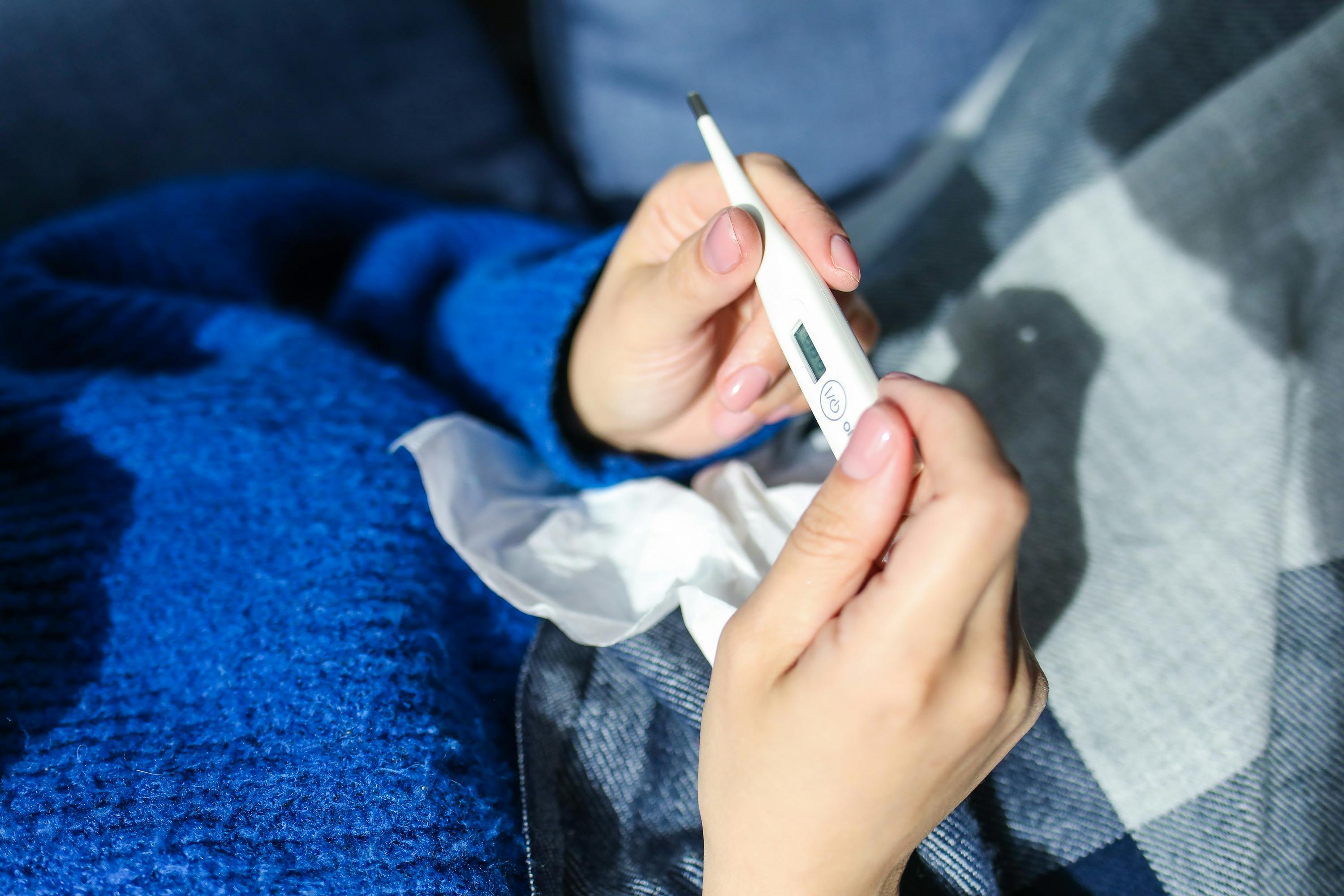
Because there is currently no specific antiviral medication or widely available vaccine for viruses like HMPV, treatment focuses on supporting your body while it fights off the infection. For most people, evidence-based home care looks like:
- Rest and hydration
Aim for extra sleep, light activity only, and regular fluids (water, broths, herbal teas). Dehydration can worsen headaches, fatigue, and mucus thickness. - Fever and pain relief
Over-the-counter options like acetaminophen or ibuprofen (if safe for you) can bring down fever and relieve body aches. Always follow package instructions or your clinician’s advice. - Symptom-targeted relief
- Saline nasal sprays or rinses for congestion.
- Humidifiers or steamy showers to soothe dry airways.
- Honey (for those over 1 year old) to calm coughs.
- Careful monitoring
Keep an eye on breathing, fever patterns, and your ability to stay hydrated. Worsening symptoms—especially shortness of breath—are a signal to seek medical care.
When to Call the Doctor or Go to the ER
Many people ride out this infection at home, but certain signs deserve urgent attention. Seek immediate medical care (call emergency services if needed) if you or someone you’re caring for has:
- Difficulty breathing, rapid breathing, or feeling like you “can’t get enough air”
- Blue or gray lips, face, or fingernails
- Chest pain or pressure
- New confusion, unusual sleepiness, or difficulty waking
- Signs of dehydration (very dry mouth, no urination for many hours, dizziness when standing)
- In children: flaring nostrils, grunting, ribs pulling in with each breath, refusal to drink, or no tears when crying
If you’re not sure whether your symptoms are serious, it’s reasonable to call your clinician’s office or an after-hours nurse line for guidance. It’s much better to ask early than to wait until you’re in crisis.
A Real-World Example: “It Wasn’t Flu, But It Felt Like It”
A 46-year-old teacher—let’s call her Maria—developed a sore throat, mild fever, and fatigue in late February. Several students had been out with “the flu,” so she assumed she had caught the same thing.
At urgent care, her tests for influenza and COVID-19 were negative. Her clinician suspected another respiratory virus like HMPV. Maria spent the next week resting, hydrating, and using fever reducers. Her fever resolved after four days, but the cough lingered for almost three weeks.
While Maria recovered fully, she later reflected that she might have taken precautions more seriously if she had known something other than flu was surging in her area:
“I thought once flu season was ‘over,’ I could relax. I had no idea there were other viruses going around that could knock me out like this. If I’d known, I probably would’ve masked up on the train and in the staff room.”
How to Protect Yourself When There’s No Vaccine
Even without a virus-specific vaccine, you are far from powerless. The same strategies that blunt flu and COVID-19 can meaningfully cut the spread of HMPV and similar viruses. Think of these as layers of protection you can stack:
- Stay home when you’re sick
It’s not always easy, but staying home during the first several days of illness, when you’re most contagious, is one of the most effective ways to protect others. - Improve air and distance
Prioritize outdoor meetups when feasible, crack windows on buses or at home, and avoid crowded indoor spaces when respiratory viruses are peaking. - Use masks strategically
A well-fitting mask (such as a KF94, KN95, or N95-style) in crowded indoor spaces can reduce both your risk of catching and spreading respiratory viruses, especially if local hospitals are seeing a surge. - Hand hygiene that actually happens
Regular handwashing with soap and water for at least 20 seconds, or using an alcohol-based sanitizer when soap isn’t available, remains a simple but powerful tool. - Protect high-risk people around you
If you live with or frequently visit older adults, infants, or anyone with chronic illnesses, consider extra precautions when you have even mild symptoms—masking, testing, or delaying visits when possible.

Common Questions About This Rising Flu-Like Illness
Is this virus new?
No. Viruses like HMPV and parainfluenza have been around for decades. They’re getting more attention now because we’re testing more often and paying closer attention to respiratory illness patterns after the COVID-19 pandemic.
Can I get this after I’ve had the flu or COVID-19?
Yes. Immunity to one virus (like influenza or SARS-CoV-2) does not protect you from other, unrelated respiratory viruses. That’s one reason people sometimes feel like they’re sick “all winter long.”
Are antibiotics helpful?
No. These viruses are caused by viruses, and antibiotics only treat bacterial infections. Antibiotics may be prescribed if a bacterial complication (like pneumonia or ear infection) develops, but they do not treat the virus itself.
Will there be a vaccine in the future?
Researchers are actively studying vaccines and treatments for several respiratory viruses, including HMPV, but as of early 2026, no widely available, approved vaccine exists. When that changes, you’ll likely hear about it through public health announcements.
Putting It All Together: Staying Informed Without Panicking
The rise of a flu-like illness after peak flu season can feel frustrating—especially when there’s no specific vaccine or antiviral to rely on. But understanding what’s happening can reduce anxiety and help you make more confident choices for yourself and your family.
- Respiratory viruses like human metapneumovirus are common and can mimic flu.
- Most healthy people recover at home with rest, fluids, and symptom care.
- High-risk individuals (older adults, infants, those with chronic conditions) need closer monitoring.
- Simple measures—good ventilation, masking in crowds, hand hygiene, and staying home when sick—still make a real difference.

If you’re currently sick, give yourself permission to rest and recover. If you’re well, consider which one or two prevention steps you can realistically commit to over the next few weeks—whether that’s masking on public transit, cracking a window in shared spaces, or washing your hands a bit more often.
Your next step: If you’ve had lingering flu-like symptoms or you’re in a higher-risk group, reach out to your health care provider to discuss your situation and see whether any additional monitoring or testing makes sense for you.
Selected References and Further Reading
- Centers for Disease Control and Prevention (CDC): Human Metapneumovirus (HMPV)
- CDC FluView: Weekly U.S. Influenza & Respiratory Virus Activity
- World Health Organization (WHO): Influenza and Other Respiratory Viruses
- National Institutes of Health (NIH) & PubMed Central: Reviews on Human Metapneumovirus and Respiratory Infections
