
The Truth Behind “Hormone Balancing” Diets for Women 30+: Science, Hype, and What to Actually Eat
The “Hormone Balancing” Diet for Women 30+: What’s Hype, What Helps, and How to Eat Well
Across TikTok, YouTube, Instagram, and podcasts, “hormone balancing” diets are everywhere—especially aimed at women in their late 20s to 40s who feel like their usual weight‑loss tricks, skin routines, or energy hacks have suddenly stopped working. These plans blend blood sugar balance, gut health, “cycle‑syncing,” and a whole lot of aesthetic smoothie bowls. Here, we’ll unpack what this trend is really about, what’s backed by research, and how to translate the best parts into satisfying, realistic meals you can actually enjoy.
Think of this as a calm, grounded guide in a noisy wellness world: no fear‑mongering, no miracle cure promises—just delicious, hormone‑friendly eating patterns that support real life, real bodies, and real appetites.
Quick Overview: What People Mean by a “Hormone Balancing” Diet
On social media, “hormone balancing” usually isn’t a single medically defined diet. It’s a mash‑up of several ideas:
- Keeping blood sugar steadier by pairing carbs with protein and fat.
- Eating more fiber and whole foods to support gut health and estrogen metabolism.
- Cutting back on highly processed snack foods, refined carbs, and added sugars.
- Adding “hormone‑friendly” foods like flax, chia, cruciferous vegetables, berries, avocado, and olive oil.
- Adjusting food patterns slightly around the menstrual cycle (cycle‑syncing).
The language can be fuzzy and sometimes over‑promising, but underneath the buzzwords you’ll see a familiar pattern: more whole foods, fewer ultra‑processed ones, and meals that actually keep you full.
Why “Hormone Balancing” Diets Are Trending for Women 30+
If you’ve ever thought, “What used to work in my 20s just… doesn’t anymore,” you’re not alone. Several cultural and biological currents are feeding this trend.
- Weight and metabolism frustrations
Many women notice weight creeping up, energy dipping, or cravings intensifying in their 30s and 40s. Creators frame hormones—insulin, cortisol, estrogen, progesterone, thyroid—as the “missing piece.” That story can feel more validating than “just eat less.” - More awareness of PCOS, perimenopause, and cycle issues
Social media has opened conversations about PCOS, endometriosis, irregular cycles, and perimenopause. Food is pitched as a gentler tool to help with bloating, mood swings, acne, and heavy periods—sometimes before or alongside medication. - Snackable “edu-tainment” content
Quick hormone charts, “eat this, not that for estrogen dominance,” and before‑and‑after shorts spread fast. They favor simple, confident claims—sometimes oversimplifying scientific nuance.
The hunger for answers is real. The key is learning to separate reassuring, science‑aligned habits from oversold hormone hacks.
Evidence vs. Hype: What the Science Actually Supports
“Balancing hormones” is a catchy phrase, but hormones are constantly fluctuating and tightly regulated by your body—not a simple on/off switch you control with one superfood. Still, many core recommendations of these diets line up with solid research.
Backed by evidence
- Stable blood sugar through pairing protein, fiber, and healthy fats with carbs can improve energy, satiety, and metabolic markers.
- Adequate protein (often around 20–30 g per meal) supports muscle, appetite regulation, and can help during perimenopause.
- High‑fiber foods (vegetables, legumes, whole grains, seeds) support gut health and help the body process and excrete estrogen.
- Reducing ultra‑processed foods and sugary drinks is associated with better weight management and lower risk of chronic disease.
- Fermented foods like yogurt, kefir, kimchi, and sauerkraut can support a diverse gut microbiome, which interacts with metabolic and immune health.
Where the claims go too far
- Lists of foods that supposedly “detox estrogen” or precisely “lower cortisol” are often exaggerated.
- Promising specific hormone lab changes (like “this smoothie will fix estrogen dominance in 30 days”) is not supported by quality clinical data.
- Some plans are restrictive, expensive, or supplement‑heavy without strong evidence.
Practical Hormone‑Supportive Eating Principles
You don’t need a perfectly curated “hormone reset” program to care for your metabolism, mood, and cycles. Start with simple, repeatable meal patterns that work with your biology instead of against it.
- Build meals around protein, fiber, and healthy fats
Aim to anchor each meal with a palm‑sized portion of protein (or more, depending on your size and activity), plenty of colorful vegetables, and a visible source of fat like avocado, olive oil, nuts, or seeds. - Choose high‑fiber carbs most of the time
Whole grains, beans, lentils, and starchy vegetables help you feel pleasantly full and support steadier blood sugar. - Limit sugary drinks and sweets to “with meals” treats
Enjoy them occasionally, ideally paired with protein and fat, rather than as solo snacks on an empty stomach. - Eat a variety of vegetables daily, especially crucifers
Broccoli, cauliflower, cabbage, kale, and Brussels sprouts contain compounds that support your body’s natural detox pathways. - Include fermented foods regularly
Even a few spoonfuls of yogurt or a side of kimchi a couple of times per week can gently support gut diversity. - Track your cycle and notice your patterns
Instead of forcing the exact same intake all month, observe how your hunger, cravings, and energy change across your cycle. Tiny tweaks (more complex carbs pre‑period, extra iron‑rich foods during menstruation) can feel surprisingly supportive.
Nourishing your hormones isn’t about restriction; it’s about creating meals that leave you feeling grounded, satisfied, and clear‑headed a few hours later.
A Hormone‑Friendly Recipe to Try: Warm Salmon, Quinoa & Greens Power Bowl
To bring all these principles onto your plate, let’s walk through a nourishing, hormone‑supportive bowl you can easily customize. This warm salmon, quinoa, and greens bowl checks all the boxes: protein‑rich, high in fiber, full of healthy fats, and loaded with cruciferous veggies and seeds that show up again and again in hormone‑positive research and recommendations.
Imagine tender, flaky salmon over fluffy quinoa, tangled with garlicky kale and broccoli, drizzled in a lemon‑tahini sauce, and finished with a sprinkle of crunchy toasted seeds. It’s comfort food that still leaves you feeling light and energized.
Warm Salmon, Quinoa & Greens Hormone‑Friendly Power Bowl
A high‑protein, fiber‑rich, blood‑sugar‑friendly bowl perfect for busy evenings and steady energy.
Prep time: 15 minutes
Cook time: 20 minutes
Total time: 35 minutes
Servings: 2 bowls
Difficulty: Easy–Moderate

Equipment
- Small saucepan with lid (for quinoa)
- Nonstick or cast‑iron skillet
- Cutting board and sharp knife
- Small mixing bowl and whisk
- Measuring cups and spoons
Ingredients
For the base
- 1/2 cup (90 g) uncooked quinoa, rinsed
- 1 cup (240 ml) low‑sodium vegetable or chicken broth (or water)
For the salmon & greens
- 2 salmon fillets (about 4–5 oz / 115–140 g each), skin on or off
- 1 tablespoon extra‑virgin olive oil
- 1/2 teaspoon fine sea salt, divided
- 1/4 teaspoon freshly ground black pepper
- 1 cup small broccoli florets
- 2 packed cups chopped kale or other dark leafy greens, ribs removed
- 1 small garlic clove, minced
- 1 teaspoon olive oil (for sautéing greens)
For topping
- 1/2 medium ripe avocado, sliced or diced
- 2 tablespoons toasted pumpkin seeds (pepitas)
- 2 teaspoons ground flaxseeds or chia seeds
For the lemon‑tahini dressing
- 2 tablespoons tahini
- 2–3 tablespoons warm water (to thin)
- Juice of 1/2 lemon
- 1 teaspoon maple syrup or honey (optional, for balance)
- 1 small garlic clove, finely grated or minced
- Pinch of sea salt
Step‑by‑Step Instructions
- Cook the quinoa.
Rinse the quinoa under cool running water in a fine‑mesh strainer. This helps remove its natural bitterness.
Add the quinoa and broth (or water) to a small saucepan. Bring to a boil over medium‑high heat, then reduce the heat to low, cover, and simmer for 12–15 minutes, until the liquid is absorbed.
Turn off the heat and let it sit, covered, for 5 minutes. Fluff gently with a fork.Quinoa should look fluffy, with little tails spiraling out from each grain. - Season the salmon.
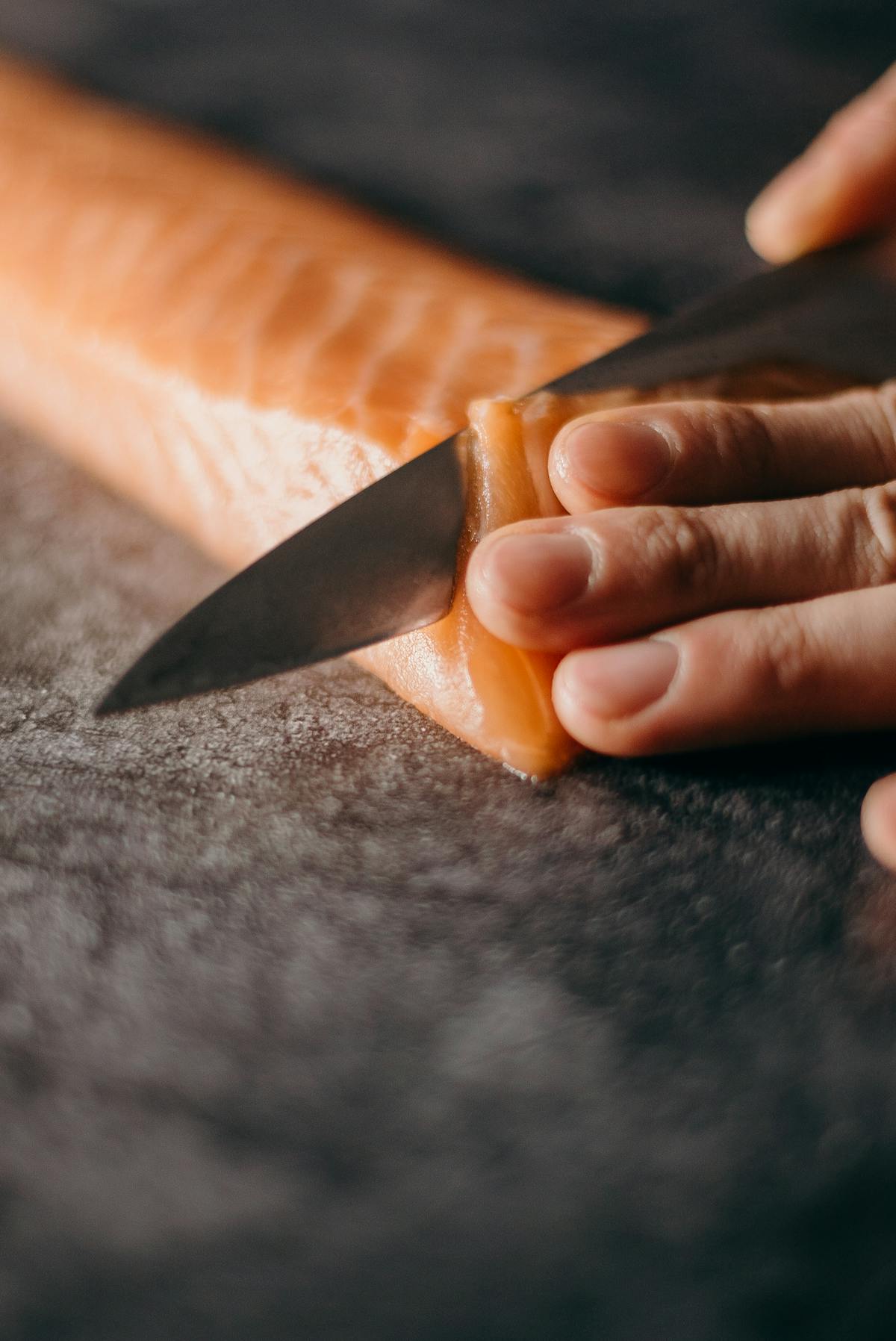
While the quinoa cooks, pat the salmon fillets dry with paper towels. This helps them sear nicely.
Rub each fillet with the 1 tablespoon of olive oil and sprinkle with about 1/4 teaspoon of the salt and all of the black pepper. - Cook the salmon.
Heat a nonstick or cast‑iron skillet over medium heat. When hot, lay the salmon fillets in the skillet, skin‑side down if using skin.
Cook undisturbed for 4–5 minutes, until the underside is golden and the fish is about two‑thirds opaque.
Carefully flip and cook another 3–4 minutes, or until the center is just opaque and flakes easily with a fork.
Transfer the salmon to a plate to rest while you cook the vegetables. - Sauté the greens and broccoli.
In the same skillet, add the teaspoon of olive oil if the pan looks dry.
Add the broccoli florets and a pinch of the remaining salt. Sauté for 2–3 minutes, until bright green and crisp‑tender.
Add the chopped kale and minced garlic. Cook another 2–3 minutes, tossing frequently, until the greens are wilted but still a vibrant deep green. Taste and add a pinch more salt if needed.
Cook your greens just until they soften; overcooking can dull flavor and color. - Make the lemon‑tahini dressing.
In a small bowl, whisk together tahini, lemon juice, grated garlic, maple syrup or honey (if using), and a pinch of salt.
Whisk in warm water 1 tablespoon at a time until the dressing is smooth and pourable. It should cling lightly to a spoon but not feel gloopy. - Assemble the hormone‑friendly bowls.
Divide the warm quinoa between two wide bowls.
Top each with half of the sautéed broccoli and kale, one salmon fillet, and a handful of avocado slices.
Sprinkle each bowl with 1 tablespoon pumpkin seeds and 1 teaspoon ground flax or chia seeds.
Drizzle generously with the lemon‑tahini dressing. Taste, and add an extra squeeze of lemon or a pinch of salt if desired. Enjoy warm.
Layer textures—fluffy grains, tender fish, crisp seeds—for a bowl that feels as good as it is for you.
Ingredient Substitutions & Dietary Adaptations
This bowl is flexible—tailor it to your preferences, budget, and dietary needs while keeping the hormone‑supportive structure: protein + fiber‑rich carbs + healthy fats + colorful plants.
Protein swaps
- Plant‑based / Vegan: Use baked tofu, tempeh, or a hearty serving of lentils or chickpeas instead of salmon.
- Other fish: Try trout or sardines for similar omega‑3 benefits.
- Poultry: Grilled chicken breast or thighs work if you don’t enjoy fish.
Carb and grain options
- Gluten‑free: The recipe is naturally gluten‑free if your broth is certified gluten‑free.
- Different whole grains: Use farro, brown rice, buckwheat, or millet in place of quinoa.
- Lower‑carb feel: Use half quinoa and half cauliflower rice; keep protein and veggies abundant.
Fats and toppings
- Swap avocado for a drizzle of extra‑virgin olive oil or a spoonful of hummus.
- Use sunflower seeds or chopped walnuts instead of pumpkin seeds.
- If you’re sesame‑free, make a simple lemon‑olive oil vinaigrette instead of tahini dressing.
Storage, Meal Prep & Reheating Tips
This bowl is meal‑prep‑friendly, especially if you store components separately. That way you keep textures fresh instead of soggy.
- Cooked quinoa: Store in an airtight container in the fridge for up to 4 days.
- Cooked salmon: Keeps in the fridge for 2–3 days. Reheat gently or enjoy cold as a flaked topping.
- Sautéed greens & broccoli: Store up to 3 days. Re‑warm in a skillet with a splash of water.
- Dressing: Keeps 3–5 days in a jar in the fridge. It may thicken; thin with a bit of warm water and whisk.
- Avocado: Best cut fresh right before serving.
How to reheat
For the best texture, gently reheat the quinoa and veggies in a skillet with a splash of broth or water until warm, then add flaked salmon at the very end just to heat through. Top with fresh avocado, seeds, and dressing right before serving.
Serving Suggestions & Complementary Dishes
To turn this bowl into part of a larger, hormone‑aware meal pattern, pair it with simple sides and snacks that keep the same protein‑fiber‑fat formula.
- Starter: A small green salad with mixed leaves, shredded cabbage, and a light olive‑oil vinaigrette.
- Side: Roasted carrots or beets tossed with herbs for extra color and antioxidants.
- Snack ideas: Greek yogurt with berries and chia; apple slices with nut butter; hummus with sliced peppers.
- Drink pairing: Sparkling water with a squeeze of citrus or unsweetened herbal tea to keep sugar intake modest.
Making Peace with the Trend: Use What Helps, Leave the Rest
“Hormone balancing” as marketed online can sound dramatic and absolute—but your body is more resilient and nuanced than any viral post. You don’t need to buy a stack of supplements or follow a rigid cycle‑syncing spreadsheet to feel better.
If you focus on steady blood sugar, enough protein, plenty of fiber and plants, and meals like this salmon‑quinoa bowl that actually satisfy you, you’re already embracing the most powerful, evidence‑aligned parts of the trend. Layer that with good sleep, stress management, joyful movement, and appropriate medical care, and you have a strong foundation for hormone and metabolic health—no detox teas required.
Most importantly, listen to your body. Let it be your co‑chef and guide. Trends will come and go, but a warm, balanced bowl that leaves you feeling stable, clear, and nourished? That’s always in style.
