
The Truth About “Old Person Smell” (And What You Can Actually Do About It)
That faint musty scent you sometimes notice in older homes or around some seniors is a real biological phenomenon, not just “old clothes” or poor hygiene. Scientists have even given it a name: nonenal body odor, mainly driven by a molecule called 2-nonenal. Understanding why it happens—and what you can realistically do about it—can make aging feel a little less mysterious and a lot more manageable.
In this guide, we’ll walk through what “old person smell” actually is, how to tell whether you’re likely to experience it, what the latest research says (including why it’s hard to wash away with regular soap and water), and practical, evidence-informed ways to minimize it without obsessing over every little scent.

What Is “Old Person Smell,” Really?
Researchers prefer the term age-related body odor. In 2001, scientists identified a specific molecule, 2-nonenal, as a key driver of this scent. It’s often described as:
- Grassy or “oily”
- Slightly greasy or cardboard-like
- Sometimes “musty” rather than sweaty
Unlike typical sweat odors that come from bacteria on moist skin (like armpits and feet), 2-nonenal is produced when skin lipids (fats) on the surface of your body break down and oxidize over time. This helps explain why:
- The smell is often stronger on areas like the chest, back, and scalp.
- It can persist even when someone is very clean.
- Regular soap doesn’t always make it go away.
“Since 2-nonenal is a fatty acid, it won’t easily dissolve in soap and water the way sweat does. It’s hard to get rid of this molecule, because it’s very sticky.”
— Danielle Reed, PhD, chief science officer and sensory scientist
The Science Behind 2-Nonenal and Aging Skin
The story of 2-nonenal starts with changes that happen naturally to your skin as you age.
1. Your skin’s oils shift with age
As we get older, the balance of fats (lipids) on our skin changes. Two key players:
- Omega-7 unsaturated fatty acids (like palmitoleic acid) increase.
- Natural antioxidants in the skin, like vitamin E, often decrease due to aging and UV exposure.
2. Oxidative stress ramps up
Everyday exposures—sunlight, air pollution, smoking, even chronic stress—can create oxidative stress. That’s when unstable molecules (free radicals) damage fats, proteins, and DNA.
On the skin’s surface, this oxidative stress can break down those omega-7 fatty acids into 2-nonenal. Because 2-nonenal is an aldehyde, it:
- Has a strong, easily detectable odor even at low levels.
- Binds tightly to fabrics, hair, and skin.
- Dissolves poorly in plain water, so it can persist after washing.

Will “Old Person Smell” Happen to You?
Nearly everyone’s body odor changes with age—that’s normal biology, not a personal failure. But the strength and noticeability of 2-nonenal-based odor can vary widely.
Factors that may increase your risk
- Age: Levels of 2-nonenal typically rise from midlife onward (around 40+).
- Sun exposure: Long-term UV damage accelerates oxidative changes in skin lipids.
- Smoking or heavy pollution exposure: Both increase oxidative stress.
- High body weight: More skin folds and surface area can hold onto oils and odor.
- Poor ventilation indoors: Odor compounds build up in fabrics, carpets, and furniture.
- Certain medications or health conditions: Some can alter sweat, sebum, or metabolism (always discuss any sudden odor changes with a clinician).
How to get a rough sense now
There’s no at-home 2-nonenal test yet, but you can look for patterns:
- Check fabrics: Notice a musty or “stale” scent on pillowcases, collars, or the back of shirts even after washing.
- Pay attention after hot days: If you smell more “oily/cardboard-like” than sweaty, that can hint at more lipid-based odor.
- Ask a trusted person: Our noses adapt to our own scent quickly. A gentle, honest check-in with someone close can be more accurate than self-judgment.
Why Regular Soap and Water Aren’t Always Enough
Many people feel frustrated when they (or a loved one) seem “clean” but still have a lingering odor. With 2-nonenal, this frustration makes sense chemically.
Because 2-nonenal is a fatty, sticky molecule:
- It clings to skin, hair, and textiles.
- Plain water won’t dissolve it well.
- Standard soaps are designed mainly to remove sweat and dirt, not stubborn aldehydes.
That doesn’t mean washing is pointless—just that you might need to be strategic with where and how you wash, and pay attention to fabrics and the surrounding environment, not only your skin.
Practical, Science-Informed Ways to Reduce Age-Related Odor
You can’t stop aging (and you shouldn’t have to), but you can meaningfully dial down age-related odor by targeting the things that drive 2-nonenal: excess skin oils, oxidation, and fabric build-up. Here are realistic strategies that don’t require perfection.
1. Focus your washing where 2-nonenal builds up
- Shower or sponge-bathe regularly, but pay extra attention to:
- Back, chest, and neck
- Scalp and hairline
- Skin folds (under breasts, belly, groin)
- Use lukewarm—not scalding—water to avoid drying and irritating the skin.
- Pat the skin dry gently and moisturize areas that get too dry or flaky.
2. Choose cleansers that cut through oils
While no over-the-counter product can promise to erase 2-nonenal, some choices may help:
- Mild, pH-balanced body washes that also remove oils (often labeled for “oily” or “combination” skin, but still gentle).
- Fragrance-free options if you have sensitive skin or eczema—these reduce irritation, which can worsen odor indirectly.
- Occasional use of exfoliating cloths or soft brushes to lift dead skin cells (once or twice weekly, not daily).
For specific product recommendations or if you have skin conditions, a dermatologist can guide you toward safe, effective choices.
3. Ventilate and “detox” your environment
A lot of what people interpret as “old person smell” comes from rooms and fabrics rather than the body itself.
- Open windows regularly to circulate fresh air when weather and safety allow.
- Wash bedding and frequently worn clothes in warm or hot water, as fabric care instructions permit.
- Dry fabrics completely; lingering dampness can amplify musty scents.
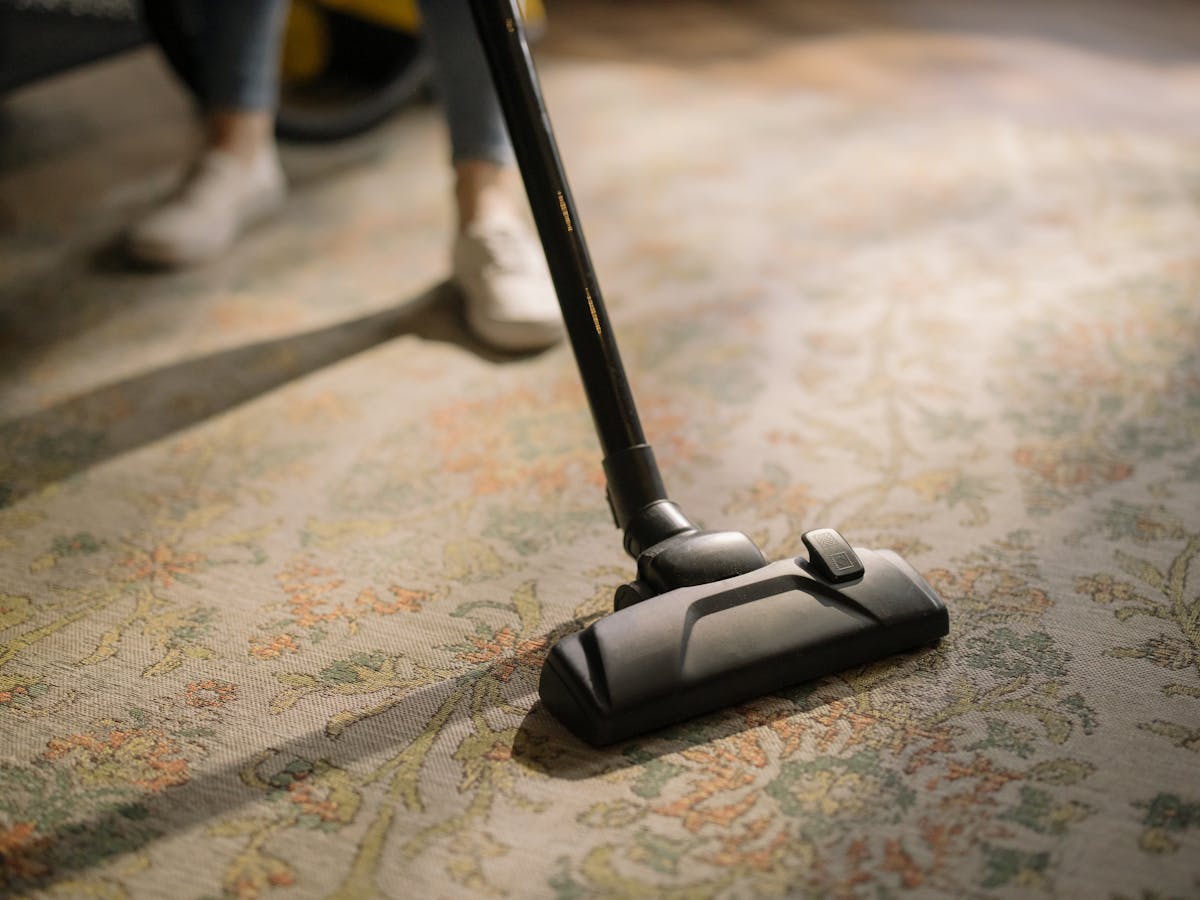
- Clean soft surfaces like curtains, cushions, and carpets on a schedule—these trap odor molecules.
4. Support your skin from the inside
While research is still evolving, general skin-supportive habits can lower overall oxidative stress:
- Eat a varied diet rich in vegetables, fruits, whole grains, legumes, and healthy fats.
- Include antioxidant sources like berries, leafy greens, nuts, and seeds.
- Stay hydrated so your skin barrier functions optimally.
- Limit smoking and heavy alcohol use, which can increase oxidative stress.
These choices won’t “cure” 2-nonenal, but they can help your skin cope better with aging and environmental stressors.
5. Protect skin from sun and pollution
- Use broad-spectrum sunscreen (SPF 30 or higher) on exposed skin most days.
- Wear hats and light layers to reduce sun damage.
- Rinse or gently cleanse exposed skin after being in heavy traffic or polluted air when possible.
Common Obstacles (And Gentle Ways Around Them)
Many people who are concerned about age-related odor are also dealing with physical or emotional challenges that make daily routines harder. Compassion—for yourself or a loved one—goes a long way.
If mobility is limited
- Use shower chairs, hand-held showerheads, and grab bars to make bathing safer and less tiring.
- Consider no-rinse cleansers or pre-moistened washcloths for in-between days.
- Ask a trusted caregiver for help with hard-to-reach areas, with clear consent and respect for privacy.
If memory or mood issues are involved
- Make bathing part of a predictable routine (same time, same order of steps).
- Use visual reminders—simple checklists on the bathroom wall can be surprisingly effective.
- Approach conversations about odor gently: focus on comfort and dignity, not criticism.

If shame or embarrassment shows up
Feeling self-conscious is very human. It may help to reframe:
- Aging-related odor is biology, not a sign of being “dirty” or “lesser.”
- Small, steady changes beat drastic, short-lived efforts.
- It’s okay to ask for professional help—doctors and dermatologists talk about these topics often.
“One of my patients was convinced everyone on the bus could smell her. We worked on just two things: washing her hair twice a week and airing out her bedroom daily. Within a month, she reported feeling more comfortable—not because she became odorless, but because she felt in control again.”
— Case example from a geriatric clinician
A Realistic “Before and After”: What Improvement Looks Like
When people think about reducing “old person smell,” they sometimes imagine an all-or-nothing transformation. In practice, progress is usually more subtle—and that’s okay.

Notice that the “after” scenario isn’t about erasing every trace of scent. It’s about:
- Feeling fresher and more comfortable in your own body.
- Reducing the intensity of musty or stale smells in living spaces.
- Maintaining dignity and independence with manageable routines.
When to Talk With a Healthcare Professional
Most age-related body odor is harmless—even if it’s annoying. However, it can sometimes overlap with other health issues. It’s wise to check in with a clinician if:
- You notice a rapid change in odor over days or weeks.
- The smell is sweet, fruity, fishy, or ammonia-like, which can point to metabolic or liver/kidney problems.
- Odor comes with new symptoms like weight loss, fatigue, fever, confusion, or skin rashes.
- You or a loved one are struggling to manage basic hygiene because of pain, mobility, or memory issues.
A clinician can:
- Rule out underlying conditions.
- Review medications that may affect body odor.
- Connect you with occupational therapists, home health aides, or dermatologists for more tailored help.
What the Latest Research Tells Us (And What It Doesn’t)
Studies up to the mid-2020s consistently support a few key ideas:
- 2-nonenal is real and measurably higher in older adults.
- Aging skin, oxidative stress, and changes in sebum are core contributors.
- Environment (ventilation, fabrics, indoor air quality) strongly shapes how noticeable the odor is.
At the same time, there are important limits:
- No product has been definitively proven in large, independent trials to “eliminate” 2-nonenal in real life.
- Most research is small and often focused on specific populations.
- We’re still learning exactly why some people produce much more 2-nonenal than others, even at the same age.
Whenever you see dramatic promises—like permanently erasing “old person smell” with a single supplement, detox, or miracle soap—it’s wise to be skeptical. Stick with strategies that make sense biologically and feel sustainable in your day-to-day life.
For deeper reading, look for peer-reviewed work on:
- “Nonenal” or “2-nonenal” and aging
- “Age-related body odor”
- “Skin lipid oxidation” in older adults
Aging, Odor, and Self-Respect: Moving Forward With Compassion
If you’ve worried about “old person smell,” you’re far from alone. Underneath the jokes and stereotypes is a very human fear: Will I still be accepted as I age? Understanding the role of 2-nonenal doesn’t make that fear disappear, but it does give you something powerful—clarity.
You now know:
- Age-related odor is a normal part of biology, not a personal flaw.
- The main culprit, 2-nonenal, is a sticky, fatty molecule that regular soap may not fully remove.
- Small, consistent habits—better airflow, smarter washing, fabric care, and skin support—can noticeably reduce musty smells over time.
The goal isn’t to become scentless; it’s to feel comfortable, clean, and respected in your own body as it changes.
If this topic hits close to home, consider choosing one or two simple steps to start this week—perhaps washing pillowcases more often, cracking a window daily, or gently massaging cleanser into your back and chest in the shower. Small actions add up, and you deserve to feel at ease in your space, at every age.
