
The Pitt Stumbles: Why Episode 10 Turns Sour at PTMC
In a season that’s mostly hummed along with tense, character-driven rhythm, The Pitt hits an inevitable speed bump. This latest PTMC shift—reviewed by The A.V. Club under the headline “The Pitt and its doctors turn sour in a clunkier hour”—lands as one of the show’s more uneven outings, the kind of episode that reminds you even prestige-leaning medical dramas can misdiagnose their own strengths.
We’re now deep into the season’s 15-hour structure, while the staffers at Pitt Teaching Medical Center (PTMC) are nearing the end of their in‑world 12-hour shift. That ticking-clock premise has usually given the series a nervy, lived-in urgency. Here, though, the sense of time working against the characters starts to feel more like a narrative constraint than a creative engine.

Where This “Clunkier Hour” Falls in The Pitt’s Season
Structurally, this hour of The Pitt is late-season table setting. The staff feels the grind of back-to-back traumas; we feel the grind of living with them over 10-plus episodes. The review notes that as viewers, we’re aware the season runs 15 hours, but for the doctors, the end of their 12-hour shift is only just coming into view. That gap in perception becomes a thematic undercurrent: the audience’s omniscience versus the characters’ tunnel vision.
Up to now, the show has used that structural trick to heighten tension—almost real-time storytelling with enough elasticity for subplots and flashbacks. In this episode, you can sense the writers cramming in emotional payoffs and setups for the final run, and the seams begin to show. Scenes that would benefit from breathing room jostle for attention with new conflicts clearly designed to explode later.
“You can tell this shift is almost over, but the episode keeps piling on just enough extra drama that it stops feeling organic and starts feeling like obligation.” — The A.V. Club on this hour of The Pitt
That sense of obligation—of needing to move chess pieces across the PTMC board—sits at the core of why this chapter feels “sour” compared with the tautness of earlier episodes.
When The Pitt’s Doctors Turn Sour: Tone, Conflict, and Character
One of The Pitt’s selling points has been its refusal to idealize its doctors. They’re competent, yes, but they’re also insecure, petty, and occasionally cruel in ways that feel truer to an overstressed workplace than the saintly surgeons of classic network medical procedurals.
In this hour, the show leans extra hard into that messiness. Professional disagreements at PTMC curdle into resentment, and small ethical shortcuts start to look like patterns. That’s fertile territory, but according to The A.V. Club review, the execution tilts from “sharply observed” to “overwritten,” with arguments that sound more like thesis statements than things a sleep-deprived resident would actually spit out at 4 a.m.
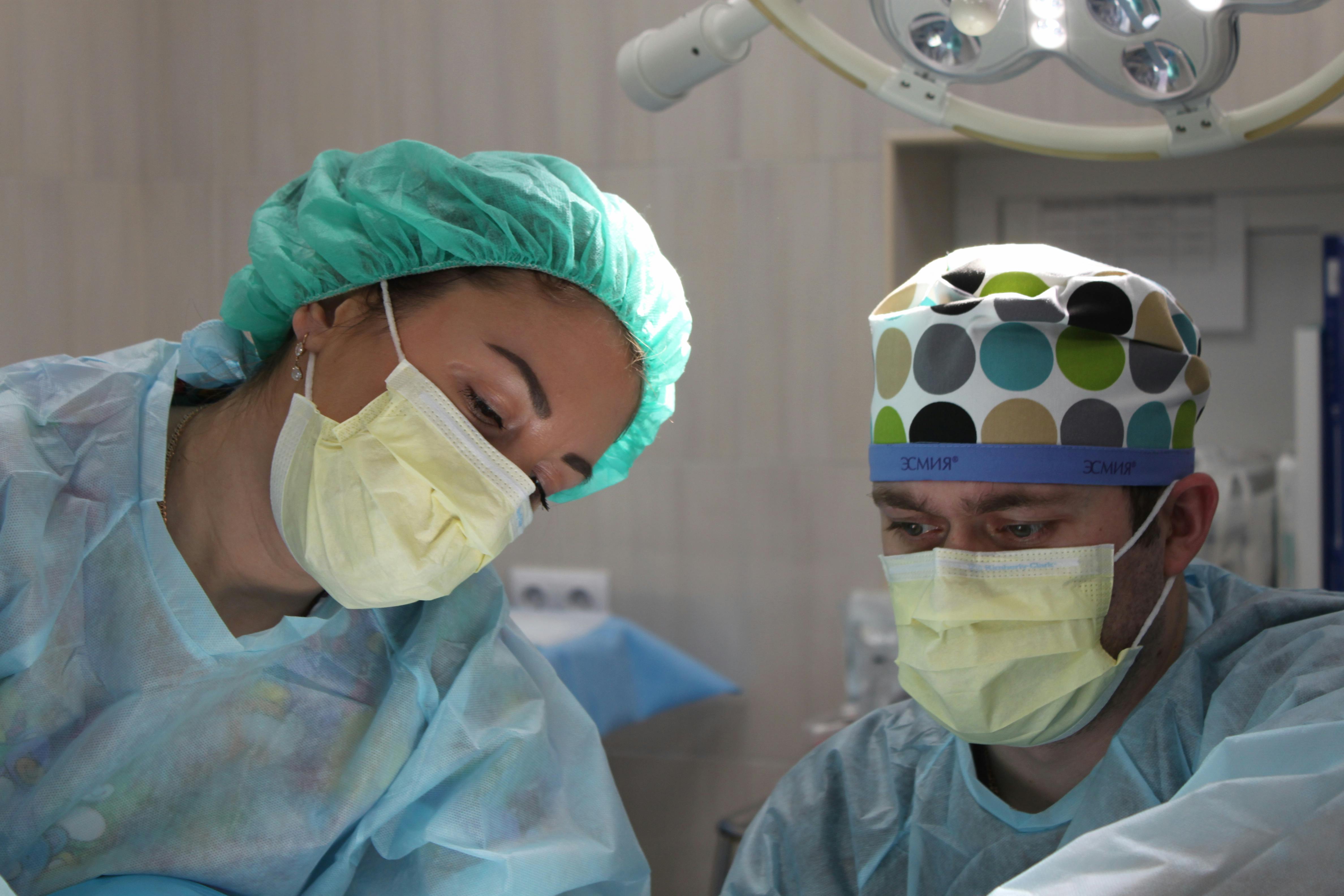
The result, as the review suggests, is a tonal wobble:
- Earnest workplace drama still anchors the episode, especially in patient-facing scenes.
- Sour interpersonal beats sometimes feel less like organic fallout and more like piling on.
- Moments of dark humor, a hallmark of the series, are thinner here, leaving the hour feeling heavier than it needs to be.
None of this breaks the show, but it does make you newly aware of how tightrope-balanced earlier episodes were—how carefully the writers had been modulating cynicism and compassion.
A Clunkier Hour: Plot Mechanics vs. Emotional Payoff
The “clunkiness” called out by The A.V. Club isn’t about the medical cases themselves—those remain tense and reasonably grounded. It’s about how obviously the episode is doing structural work for the final stretch of the season. You can practically feel the scene cards on the writers’ room wall.
- New conflicts get introduced late in the shift, signaling that they’ll blow up closer to hour 15.
- Existing arcs get accelerated in ways that flatten nuance, especially for side characters who have previously felt three-dimensional.
- Key conversations are forced into overly neat encounters—elevator rides, hallway confrontations, last-minute confessions.
Season-long pacing is always a gamble for serialized TV. The Pitt has mostly benefited from its compressed timeline, letting us feel the wear-and-tear in real time. Here, though, the same device makes it glaringly obvious when story beats exist purely so they can exist before the shift ends.
“The show’s ticking-clock gimmick starts to feel like a deadline the writers are racing, not a pressure cooker the characters are trapped inside.”
It’s not that the hour is devoid of effective material—it’s that the machinery is suddenly louder than the heartbeat.
Performances at PTMC: Cast Chemistry Still Carries The Pitt
Even in a wobbly outing, the cast of The Pitt does a lot of quiet heavy lifting. The AV Club review highlights that the ensemble’s lived-in chemistry helps sell even the more contrived turns. You believe these doctors have endured countless shifts together, even when the script gives them overly tidy speeches.

The performances are particularly effective in the smaller, quieter scenes:
- Wordless reactions in the ICU that say more than another argument ever could.
- Brief moments of gallows humor at the nurses’ station, reminding us these people are still human.
- Micro-expressions of guilt and doubt after ethically gray choices, which do more to convey “sourness” than any yelled monologue.
If anything, this episode underscores that The Pitt is now an actor-driven show first and a “high-concept” real-time experiment second. The concept can wobble; the cast rarely does.
The Pitt, Prestige Medical Drama, and AV Club’s Critical Lens
Cultural context matters here. We’re in an era where medical TV has splintered: on one side, glossy comfort-food procedurals; on the other, darker, shorter-run series courting the “prestige” label. The Pitt is clearly aiming for the latter—serialized, morally ambiguous, allergic to neat case-of-the-week resolutions.
Critics like those at The A.V. Club tend to reward ambition but also keep receipts when a show’s high-concept choices backfire. Framing this episode as “a clunkier hour” isn’t a takedown; it’s a recognition that when a series builds its identity around form and tone, any deviation becomes magnified.

Within that landscape, this episode’s sourness has a particular resonance:
- It shows how much modern audiences—and critics—expect coherence from “prestige-adjacent” dramas.
- It highlights the risk of committing to a rigid real-time structure in an era of binge-watching, where pacing missteps are impossible to hide.
- It reminds us that even the most acclaimed shows deliver mid-season or late-season misfires; the question is whether they course-correct.
The AV Club’s detailed recap-and-review model means episodes like this get dissected in near real time, turning each hour of TV into a miniature cultural event—especially when a show stumbles.
Strengths, Weaknesses, and What This Episode Gets Right
Even by the AV Club’s own estimation, this isn’t a disaster episode—just a comparatively clunky one. Taking their critique and the broader fan conversation into account, the picture looks something like this:
What still works
- Atmosphere: The late-shift exhaustion is palpable in the lighting, sound design, and blocking.
- Medical tension: The core cases are engaging enough to cut through the noisier melodrama.
- Ensemble work: Strong performances continue to sell fraught relationships and moral gray zones.
Where it falters
- Overstuffed plotting: Too many arcs jostling for resolution at once.
- On-the-nose dialogue: Characters articulating themes the show usually trusts us to infer.
- Tonal imbalance: The episode leans so hard into “sour” that it forgets the series’ usual gallows levity.

If you’ve been invested in PTMC from the pilot, this hour is unlikely to shake you loose. But it might recalibrate expectations: not every chapter of a 15-hour shift is going to be equally sharp.
Final Verdict: A Necessary Misstep on the Way Out of The Pitt?
As a piece of television, this late-season hour of The Pitt is a reminder that ambitious structures come with trade-offs. The real-time-ish 15-hour design that’s made the show so distinctive also leaves it vulnerable to episodes like this—chapters that feel more like narrative bookkeeping than fully satisfying stories in their own right.
Still, calling it “clunky” is not the same as calling it “bad.” There’s enough here—strong performances, a few piercing character beats, a convincingly frayed atmosphere—to keep the shift from completely collapsing. If anything, this episode raises the stakes for the remaining hours: can The Pitt convert this sourness into something dramatically rich, or will it linger as aftertaste?
From an industry and cultural standpoint, this is the kind of installment critics like The A.V. Club are built to parse: a near-miss from a strong show that reveals its ambitions and its limits in equal measure.

Staff Critic (Summary based on The A.V. Club coverage)
