
The Ozempic Diet, Decoded: What to Eat on GLP‑1 Weight‑Loss Drugs Without Losing the Joy of Food
Ozempic, GLP‑1 Drugs, and the ‘Ozempic Diet’: How to Eat Well on Weight‑Loss Medications
GLP‑1 weight‑loss drugs like Ozempic, Wegovy, and Mounjaro are radically changing the way we talk about dieting and long‑term weight management. Instead of white‑knuckling through hunger, many people on these medications find their appetite quieting down, portions shrinking, and the scale finally moving. At the same time, a new question has emerged: What should you actually eat on Ozempic?
The “Ozempic diet” isn’t a rigid menu. It’s a way of eating that keeps food deeply satisfying while supporting your metabolism, muscle mass, and digestion during powerful appetite suppression. Think of it as re‑learning how to nourish your body—just with a quieter, calmer appetite than you might be used to.
Quick Facts
- Main focus: High‑protein, high‑fiber, lower‑grease meals
- Best for: People on GLP‑1 drugs (Ozempic, Wegovy, Mounjaro, etc.)
- Goal: Protect muscle, support digestion, and make weight‑loss sustainable
- Difficulty: Moderate but very doable for home cooks
At a Glance
- Prioritize protein at every meal
- Lean into gentle, fiber‑rich carbs
- Choose smaller, more frequent meals
- Go easy on rich, greasy foods—especially early on
What Are GLP‑1 Drugs Like Ozempic and How Do They Affect Appetite?
Ozempic (semaglutide), Wegovy, and similar medications belong to a class called GLP‑1 receptor agonists. They mimic the hormone GLP‑1, which helps:
- Regulate blood sugar after meals
- Slow stomach emptying so you feel full longer
- Signal fullness to your brain and reduce cravings
Many people describe it as food “quieting down” in their minds. Instead of being driven by intense hunger or cravings, you may find you’re satisfied with half—sometimes a quarter—of what you used to eat. That’s powerful, but it can also lead to unintentionally under‑eating protein and nutrients if you’re not deliberate.

The 5 Pillars of an “Ozempic Diet” (Without Losing the Joy of Eating)
Instead of a strict meal plan, most dietitians focus on a few key principles for eating on GLP‑1 drugs. Think of these as flexible building blocks you can adapt to your culture, tastes, and budget.
1. Protein Prioritization: Protect Your Muscle While You Lose Weight
With appetite turned down, your body may not get enough protein unless you’re intentional. Many experts suggest aiming for roughly 1.6–2.2 g of protein per kilogram of body weight per day (talk to your clinician about what’s right for you).
In simple terms, that might look like:
- Protein at every meal and snack
- Choosing high‑protein “vehicles” for toppings: Greek yogurt instead of regular, cottage cheese instead of cream cheese
- Leaning on easy sips like protein shakes if solid food isn’t appealing
2. Fiber‑Rich, Lower‑Grease Meals for Happier Digestion
Nausea, constipation, and reflux are common early on with Ozempic and other GLP‑1 drugs. High‑fat, fried meals often make this worse. Many people feel better when they:
- Shift to baked, grilled, steamed, or air‑fried foods instead of deep‑fried
- Increase fiber gradually from fruits, vegetables, oats, beans, lentils, and seeds
- Drink enough water and non‑sugary fluids throughout the day
Fiber adds gentle bulk, supports regularity, and works beautifully with the fullness GLP‑1 drugs already provide.
3. Smaller, More Frequent Meals to Reduce Nausea
Because GLP‑1s slow stomach emptying, big portions can feel heavy or uncomfortable. Many people naturally move toward:
- 3 smaller meals + 1–2 mini snacks
- Eating more slowly and pausing halfway to “check in” with fullness
- Keeping a few gentle, bland options on hand—like crackers, toast, broths, bananas, or plain rice—for queasy days
“On my first month of semaglutide, I lived on small portions of soft eggs, toast, and broth. Once my body adjusted, I could bring back more texture and spice—but easing in made a huge difference.”
4. A Natural Shift Away from Alcohol and Ultra‑Processed Foods
A fascinating pattern many GLP‑1 users report: less interest in alcohol, sweets, and fast food. When cravings fade, it becomes easier to choose:
- Whole grains instead of sugary cereals
- Fresh fruit instead of candy
- Simple home‑cooked meals instead of drive‑thru
You don’t have to eat perfectly. But this “quieting” of ultra‑processed cravings is a powerful opportunity to build new, easier habits around whole foods.
5. Long‑Term Strategy: Beyond the Injection
GLP‑1 medications are tools, not magic spells. Long‑term success seems strongest when people combine the drugs with:
- Strength training 2–3 times per week to protect muscle and metabolism
- Consistent protein and micronutrient intake
- Practice noticing subtle hunger and fullness cues—even when they feel muted
- Supportive routines around sleep, stress, and daily movement

A Gentle, High‑Protein “Ozempic Diet” Sample Day
Use this as inspiration, not a strict plan. Listen to your body: if you feel full at half a portion, that’s okay. You can always eat the rest later.
Breakfast: Creamy Greek Yogurt Power Bowl
Flavor & texture: Cool, tangy, and creamy Greek yogurt topped with juicy berries, a soft sprinkle of oats, and a gentle crunch of chia or flax seeds.
- ¾–1 cup plain Greek yogurt (2% or 0%)
- ½ cup berries (fresh or frozen)
- 2–3 tbsp rolled oats or low‑sugar granola
- 1 tbsp chia or ground flax seeds
- Drizzle of honey or stevia if desired
This bowl delivers protein, fiber, and healthy fats in a small volume—perfect when appetite is low.
Mid‑Morning: Simple Protein Snack
Ideas:
- 1–2 hard‑boiled eggs with a pinch of salt
- Small bowl of cottage cheese with cucumber slices
- Protein shake blended with water or milk
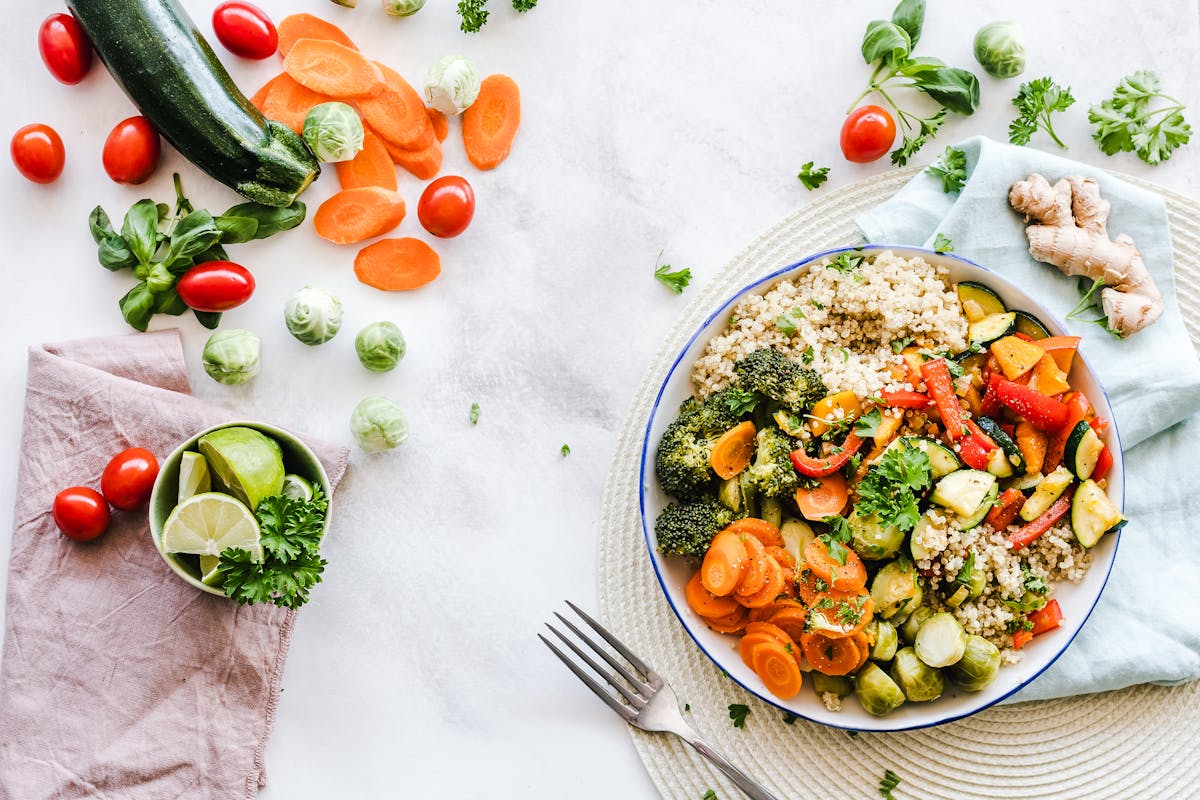
Lunch: High‑Protein Grain Bowl with Roasted Veggies
Flavor & texture: Tender, juicy chicken or tofu over warm, nutty quinoa or brown rice; caramelized edges on roasted vegetables; a bright, lemony yogurt drizzle that wakes everything up without being heavy.
- 3–4 oz grilled chicken breast or firm tofu
- ½–¾ cup cooked quinoa or brown rice
- 1 cup mixed roasted vegetables (broccoli, carrots, bell peppers)
- Light drizzle of olive oil and lemon, or a spoon of Greek yogurt sauce
Afternoon: Fruit + Crunch
- 1 small apple or pear, sliced
- Small handful (8–10) almonds or pistachios
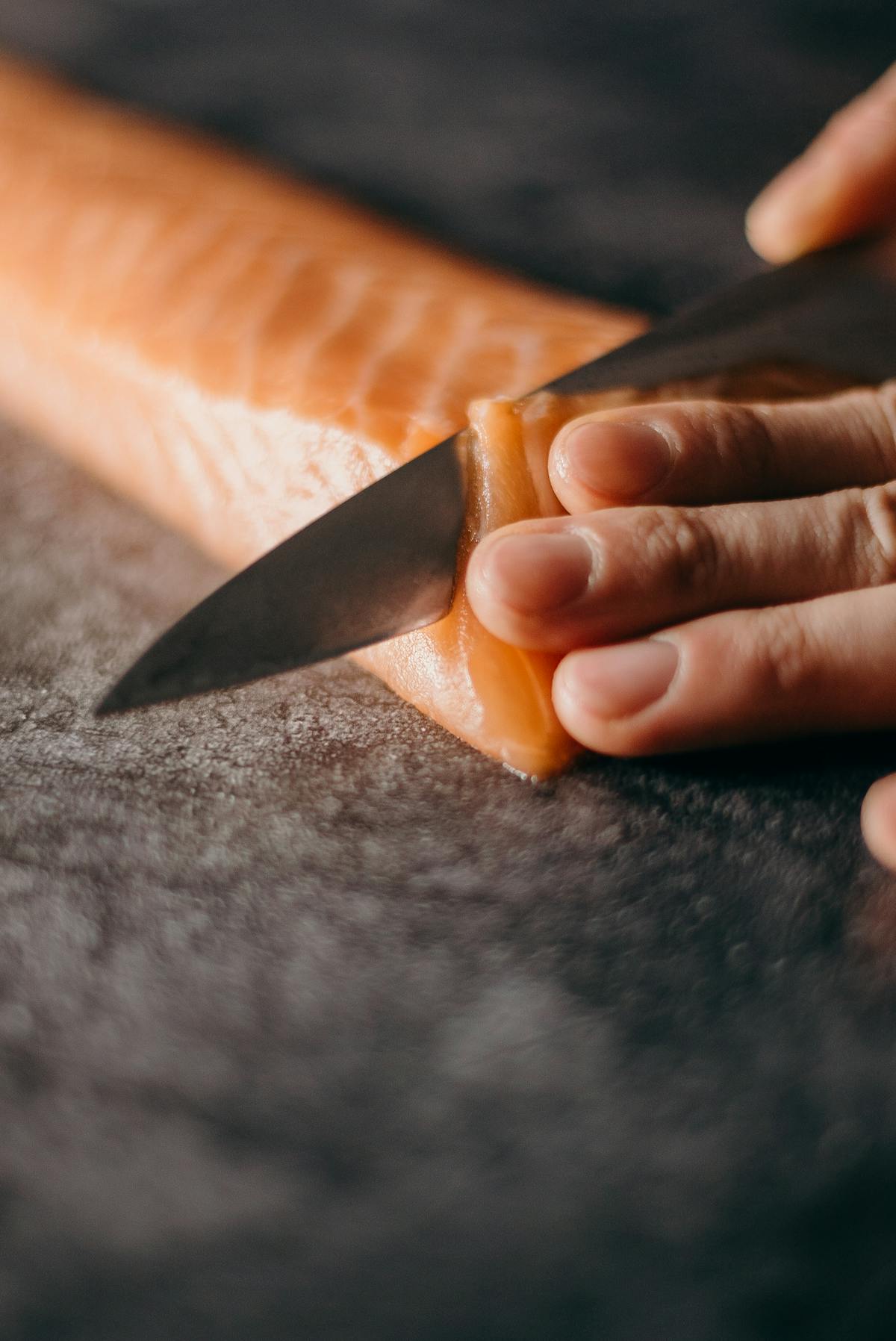
Dinner: Gentle One‑Pan Salmon, Potatoes, and Greens
Flavor & texture: Flaky, lemon‑kissed salmon; soft roasted baby potatoes; and tender green beans or asparagus—light but deeply satisfying.
- 3–4 oz salmon fillet (or white fish/chicken)
- ½ cup baby potatoes, halved
- 1 cup green beans or asparagus
- Olive oil, lemon slices, garlic, salt, pepper
Season lightly, roast everything together on a sheet pan, and stop eating when you hit comfortable fullness—even if there’s food left on the plate.
High‑Protein “Ozempic‑Friendly” Greek Yogurt Breakfast Bowl
Prep time:
Cook time:
Total time:
Servings: 1 bowl
Difficulty: Easy
Dietary: High‑protein, high‑fiber, https://schema.org/LowFatDiet
Great for: Gentle breakfasts while adjusting to GLP‑1 meds
This creamy Greek yogurt bowl is designed for mornings on Ozempic or other GLP‑1 drugs: high in protein, rich in fiber, and gentle on the stomach. Every spoonful feels indulgent yet light—cool yogurt, sweet berries, and just enough crunch to keep things interesting.
Ingredients
- ¾–1 cup (170–225 g) plain Greek yogurt (0% or 2% milkfat)
- ½ cup (75 g) mixed berries (fresh or thawed frozen)
- 2 tbsp rolled oats or low‑sugar granola
- 1 tbsp chia seeds or ground flax seeds
- 1–2 tsp honey, maple syrup, or preferred sweetener (optional)
- Small pinch of cinnamon or vanilla extract (optional)
- 1–2 tbsp water or milk, only if needed to thin the yogurt slightly
Equipment
- Medium serving bowl
- Small mixing bowl (optional)
- Spoon for mixing and serving
- Measuring cups and spoons
Step‑by‑Step Instructions
- Spoon in your yogurt base.
Add the Greek yogurt to your serving bowl. If it feels too thick for your appetite, stir in 1–2 tablespoons of water or milk until it’s as loose or thick as you like. - Sweeten gently (optional).
If you prefer a lightly sweet bowl, mix in honey, maple syrup, or your preferred sweetener, plus cinnamon or a drop of vanilla. Taste and adjust—remember, the berries will also add sweetness. - Add your berries.
Scatter the berries over the yogurt. Use soft fruit (like ripe berries or thawed frozen fruit) if your stomach is sensitive; the juiciness helps each spoonful feel lighter. - Layer on oats and seeds.
Sprinkle rolled oats and chia or flax seeds on top. They bring gentle chew and fiber without making the bowl heavy—perfect on GLP‑1 meds where big meals can feel too intense. - Pause and portion for your appetite.
Eat slowly for 5–10 minutes, checking in with your fullness halfway. If you feel comfortably satisfied before finishing, simply cover the bowl and pop it in the fridge for later.

Substitutions & Dietary Adaptations
Storage & Make‑Ahead Tips
- Fridge: Store assembled bowls in an airtight container for up to 24 hours. For the best texture, add oats and toppings shortly before eating.
- Meal prep: Pre‑portion yogurt and berries into jars, then add oats and seeds the morning you plan to eat them.
- If appetite is low: Make a full bowl, eat half, and refrigerate the rest. A few small meals are kinder to an Ozempic‑slowed stomach than forcing a big one.
Serving Suggestions & Pairings
For a balanced, Ozempic‑friendly breakfast, you might pair this bowl with:
- A small slice of whole‑grain toast with avocado or nut butter (if your appetite allows)
- Herbal tea or decaf coffee for a gentle start to the day
- A light mid‑morning snack—like a boiled egg or a few nuts—if you feel hunger return
Ethics, Access, and the Culture Shift Around Ozempic
The rise of GLP‑1 drugs has sparked big conversations—online and in clinics—about who gets access, how we talk about bodies, and what “healthy” weight loss really means. Some key debates include:
- Off‑label, cosmetic use versus medical necessity for conditions like type 2 diabetes and obesity
- Medication shortages that can affect people who rely on these drugs for blood sugar control
- Cost and insurance coverage, which can limit who benefits
- The impact on body‑image culture as celebrities and influencers openly discuss (or deny) their use
Through all of this, food can be a grounding, compassionate anchor. Whether you’re on a GLP‑1 drug for health reasons or not using them at all, enjoyable, nutrient‑dense eating remains a powerful act of self‑care—not punishment.

Your Ozempic‑Friendly Plate: A Gentle Checklist
When you’re standing in your kitchen wondering what to cook on Ozempic or other GLP‑1 drugs, use this simple, warm‑hearted checklist:
- Protein first: Is there a clear protein on my plate (yogurt, eggs, fish, poultry, tofu, beans)?
- Fiber friends: Can I add a fruit, vegetable, whole grain, or beans to this meal?
- Gentle on the gut: Is this grilled, baked, or lightly sautéed rather than very greasy or fried?
- Portion kindness: Is this a portion I can eat comfortably, knowing I can always save leftovers?
- Enjoyment: Does this meal smell inviting and look appealing to me right now?
If you can say “yes” to most of those questions, you’re already crafting an Ozempic‑friendly way of eating that supports your medications, your metabolism, and your long‑term relationship with food.
Above all, be gentle with yourself. Appetite changes quickly on GLP‑1 drugs; habits take time. Let your kitchen become a place of experimentation and care, not perfection.
