
The GLP‑1 Diet Era: How Ozempic & Wegovy Are Changing the Way We Eat
The GLP‑1 Diet Era: Ozempic, Wegovy, and ‘Ozempic‑Inspired’ Eating Plans
Weight‑loss injections like Ozempic, Wegovy, and Mounjaro/Zepbound have ignited a new food conversation: how do you nourish yourself when your appetite plummets, your stomach feels fuller faster, and social media won’t stop talking about the “Ozempic body”? This emerging GLP‑1 diet era is less about crash dieting and more about learning to eat in a way that’s gentle on your stomach, rich in protein and nutrients, and supportive of long‑term health.
Whether you’re currently on a GLP‑1 medication, considering one with your healthcare team, or just curious about the trend, this guide walks through what GLP‑1–friendly eating looks like, the science behind it, and a comforting, high‑protein recipe that fits beautifully into this new way of eating.
What Is GLP‑1 and Why Is It Suddenly Everywhere?
GLP‑1 stands for glucagon‑like peptide‑1, a hormone your gut naturally releases after you eat. It helps:
- Regulate blood sugar by prompting insulin release
- Slow gastric emptying so food leaves your stomach more slowly
- Send signals of fullness to your brain
Medications like Ozempic (semaglutide for type 2 diabetes) and Wegovy (semaglutide for obesity) are GLP‑1 receptor agonists—they mimic this hormone. Many people feel:
- Less physical hunger
- Full after just a few bites
- Occasional nausea or GI discomfort, especially with heavy or greasy meals
As prescriptions have risen—especially post‑2022—social media has flooded with “What I eat on Ozempic” videos, “GLP‑1 friendly” recipes, and debates about who should be using these drugs and why.
The GLP‑1 Diet Trend: More Than Just an “Ozempic Diet”
Despite the name, there’s no single official “Ozempic diet.” Instead, dietitians and creators are converging on a set of shared principles shaped by both science and real‑world experience.
Core Goals of GLP‑1‑Friendly Eating
- Eat enough despite low appetite
- Minimize nausea and GI side effects
- Preserve muscle mass while losing fat
- Protect long‑term nutrient status and metabolic health
- Prepare for a smooth transition off medication, if and when that happens
This shift is also changing diet culture. Many people are talking less about “willpower” and more about biology and chronic disease. Obesity is being discussed more as a long‑term, complex condition that may require medical treatment, nutrition, movement, and psychological support together.
Common GLP‑1 Eating Patterns: What People Actually Eat
Scroll TikTok or Instagram under #ozempicmeals or #GLP1diet and you’ll see clear patterns. Here are the big themes, plus why they make sense.
1. Protein Prioritization
Rapid weight loss can mean losing muscle as well as fat. Many clinicians now aim for around 1.6–2.2 g of protein per kilogram of body weight per day, adjusted for kidney health and individual needs.
Because appetite is low, the focus is: Don’t fill your tiny tank with low‑protein foods first.
- Greek yogurt or skyr bowls
- Soft scrambled eggs or egg bites
- Protein smoothies and shakes
- Shredded chicken or fish mixed into soups
- Tofu, tempeh, or lentil stews for plant‑based eaters
2. Smaller, More Frequent Meals
GLP‑1 medications slow the rate at which food leaves your stomach. Big, heavy meals can feel like a brick; mini‑meals often feel far better.
Common choices include:
- Small bowls of blended soups
- Half a sandwich plus a few bites of fruit
- Yogurt with a spoonful of granola and berries
- Half a protein shake sipped slowly
3. Low‑Grease, Gentle‑on‑the‑Stomach Foods
High‑fat, fried, or very rich dishes are notorious for triggering nausea on GLP‑1s. Many people switch to:
- Baked, grilled, or air‑fried proteins instead of deep‑fried
- Light broths and tomato‑based sauces instead of heavy cream sauces
- Smaller portions of fats like cheese, butter, and oils
4. Fiber & Micronutrient Density
Eating less food overall can mean fewer vitamins, minerals, and fiber unless you’re intentional. Dietitians often highlight:
- Leafy greens (spinach, kale, romaine)
- Colorful produce like berries, carrots, and bell peppers
- Beans and lentils (as tolerated), whole grains like oats and quinoa
- Fortified foods or supplements after medical guidance
5. Strength Training & Creatine Support
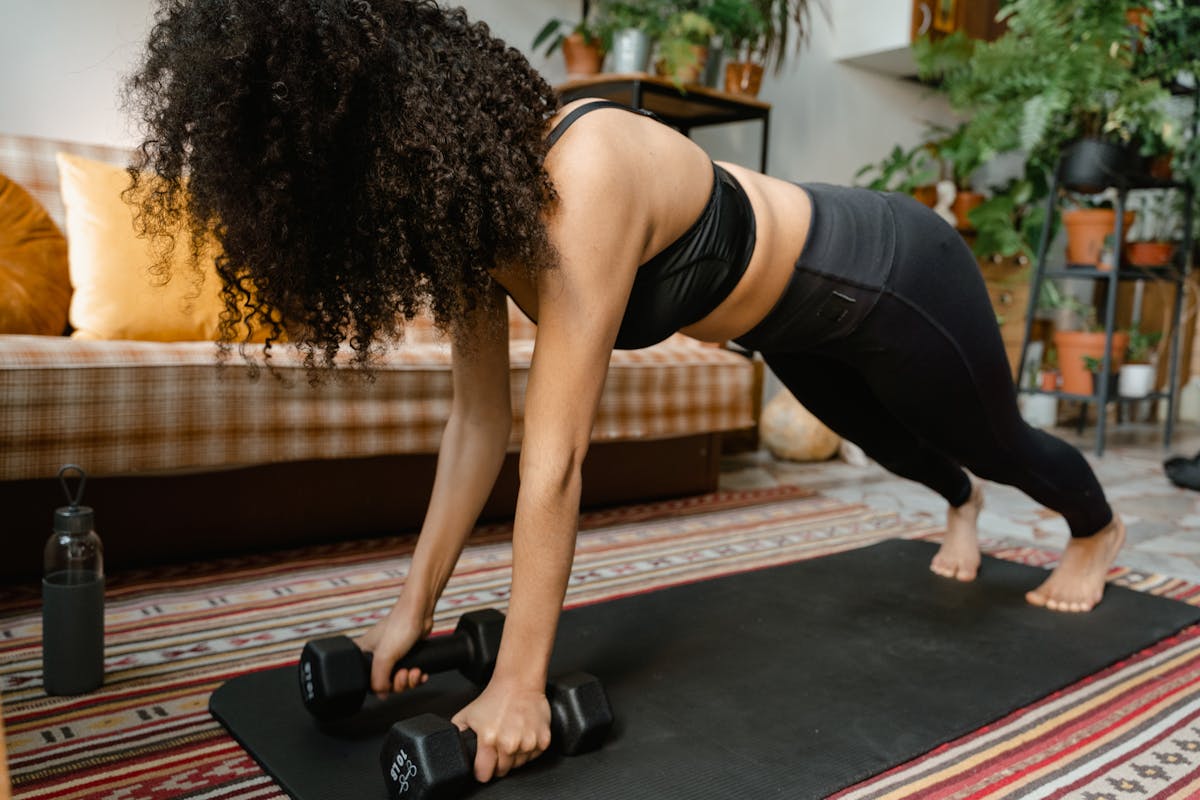
Fitness creators frequently pair GLP‑1 use with resistance training and sometimes creatine monohydrate (for those without contraindications), aiming to preserve or even build muscle while fat mass decreases.
Always check in with a healthcare professional before starting supplements—especially if you have kidney issues or other chronic conditions.
Social Media, Celebrity Buzz, and “Ozempic Body” Culture
From red‑carpet rumors to influencer “before and after” reels, GLP‑1 medications are constantly in the news. Terms like “Ozempic face” and “Ozempic body” have become shorthand for the rapid weight changes some people experience.
Alongside this buzz, clinicians and ethical creators are pushing back with a gentler message:
- These medications are medical treatments, not casual beauty hacks.
- Each person’s health history, side effects, and goals are unique.
- Mental health, body image, and support systems matter just as much as macros.
That’s part of why GLP‑1‑friendly recipes and nutrient‑dense meal plans are taking off: they offer something more sustainable and compassionate than shock‑value transformation content.
Where the GLP‑1 Diet Trend Is Heading
As of early 2026, interest in GLP‑1‑aligned nutrition shows no sign of slowing. We’re seeing growth in:
- GLP‑1‑focused cookbooks and e‑books with gentle, high‑protein recipes
- Meal‑prep services advertising “Ozempic‑friendly” or “GLP‑1‑friendly” menus
- Research‑based content about long‑term nutrient adequacy on these medications
- Off‑ramp protocols exploring how to transition off GLP‑1s without rapid regain, usually pairing diet, activity, and behavioral strategies
Amid the trend, the most grounded voices keep returning to the same themes: adequate protein, gentle digestion, micronutrient density, and respect for individual medical guidance.
Recipe: Creamy High‑Protein Chicken & White Bean Soup (GLP‑1‑Friendly)
This cozy, blended soup is exactly the kind of dish many people on GLP‑1 medications gravitate toward: soft, soothing, high in protein, and easy to portion into small servings. It’s inspired by classic chicken soup but with a creamy, velvety texture that’s gentle on sensitive stomachs—no heavy cream required.
I love making a big pot on Sunday, then freezing it in small containers. On days when appetite is low, a few warm, fragrant spoonfuls often feel more doable than facing a full plate.
Recipe Overview & Nutrition Focus
Prep Time: 15 minutes
Cook Time: 30 minutes
Total Time: 45 minutes
Servings: 6 small bowls (GLP‑1‑style portions)
Difficulty: Easy
Diet Tags: High‑protein, gluten‑free (with GF broth)
Ingredients
For a pot of silky, satisfying soup that reheats beautifully:
- 1 tablespoon extra‑virgin olive oil
- 1 medium onion, diced
- 2 medium carrots, diced
- 2 celery stalks, diced
- 3 cloves garlic, minced
- 1 teaspoon dried thyme
- 1 teaspoon dried oregano
- 1/2 teaspoon ground black pepper, plus more to taste
- 1 teaspoon fine sea salt, or to taste
- 4 cups low‑sodium chicken broth (use gluten‑free if needed)
- 1 cup water (more as needed to thin)
- 2 cups cooked shredded chicken breast (about 280 g / 10 oz)
- 2 cups cooked white beans (cannellini or great northern), drained and rinsed
- 1 bay leaf
- 1/4 cup plain Greek yogurt (2% or 5%), at room temperature
- Juice of 1/2 lemon (about 1 tablespoon)
- 2 tablespoons chopped fresh parsley or chives (optional, for serving)
Equipment You’ll Need
- Large, heavy‑bottomed pot or Dutch oven
- Cutting board and sharp chef’s knife
- Wooden spoon or heat‑safe spatula
- Immersion blender (or countertop blender; see photo steps below)
- Ladle for serving and portioning into containers
- Small bowl and whisk (for tempering the yogurt)

Step‑by‑Step Cooking Instructions
Prep your vegetables.
Dice the onion, carrots, and celery into small, even pieces so they soften quickly and blend smoothly.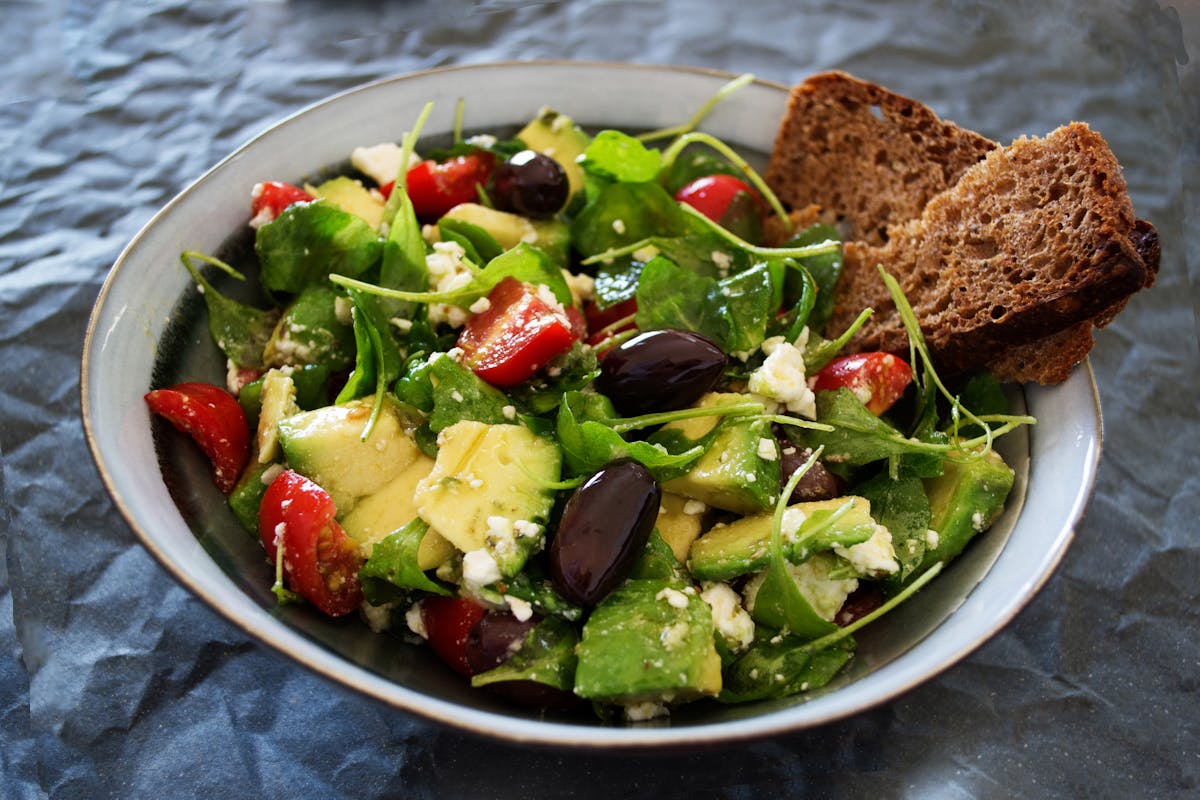
Smaller, even cuts help the vegetables cook through and create a silky final texture. Sauté the aromatics.
Warm the olive oil in your pot over medium heat. Add onion, carrots, and celery. Cook 5–7 minutes, stirring occasionally, until slightly softened and fragrant.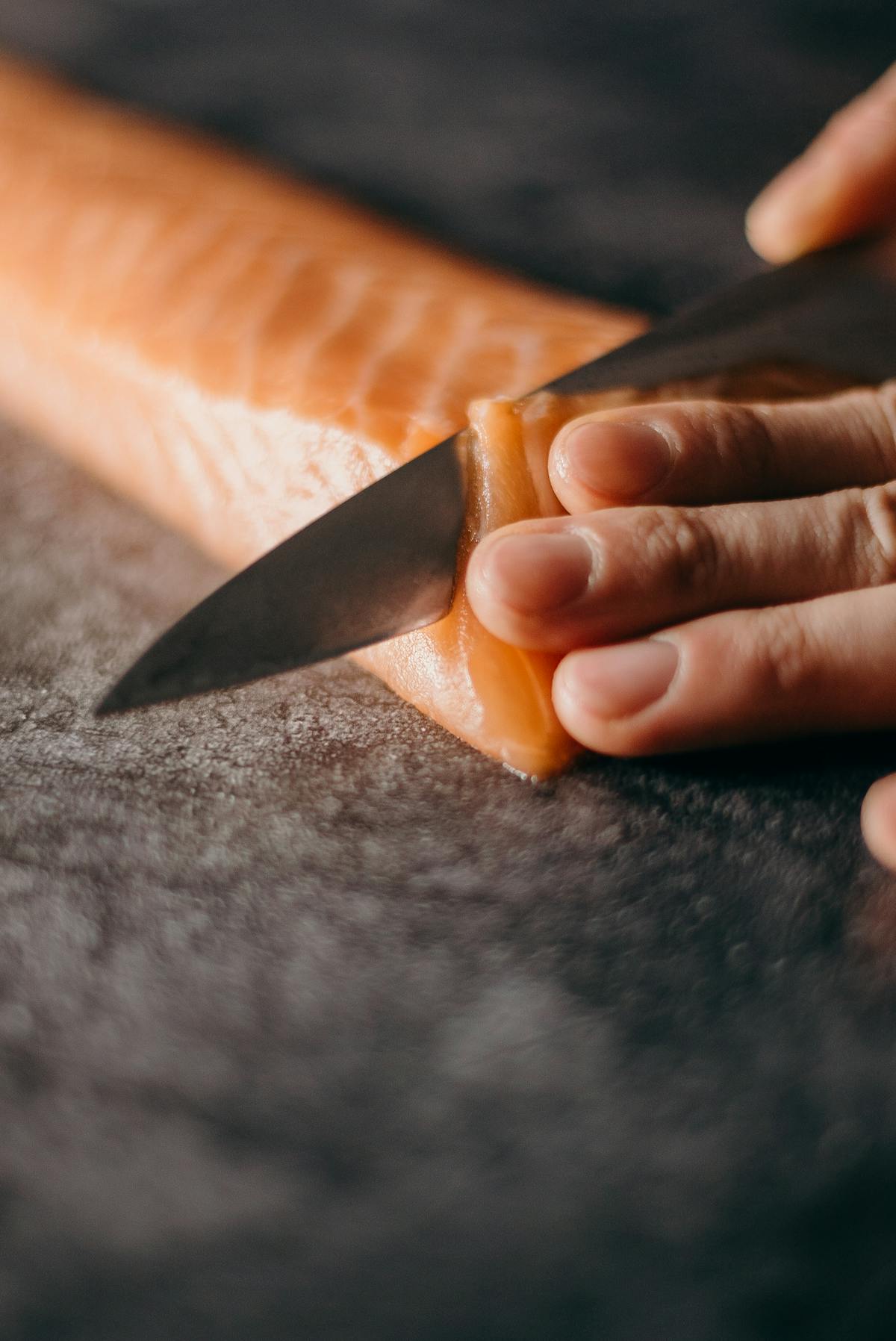
Gentle sautéing builds flavor without adding heavy fats. Add garlic and seasonings.
Stir in garlic, thyme, oregano, pepper, and a pinch of salt. Cook about 1 minute, just until the garlic smells aromatic (avoid browning).Pour in liquids and beans.
Add the chicken broth, water, white beans, and bay leaf. Increase heat to bring the soup to a gentle simmer.Simmer until very tender.
Reduce heat to maintain a soft simmer for 10–12 minutes, until the vegetables are very tender and flavors melded.Blend the soup until silky.
Remove the bay leaf. Use an immersion blender directly in the pot to blend everything into a creamy, smooth soup.If using a countertop blender, work in batches, vent the lid slightly, and cover with a towel to avoid steam splatters. Return blended soup to the pot.
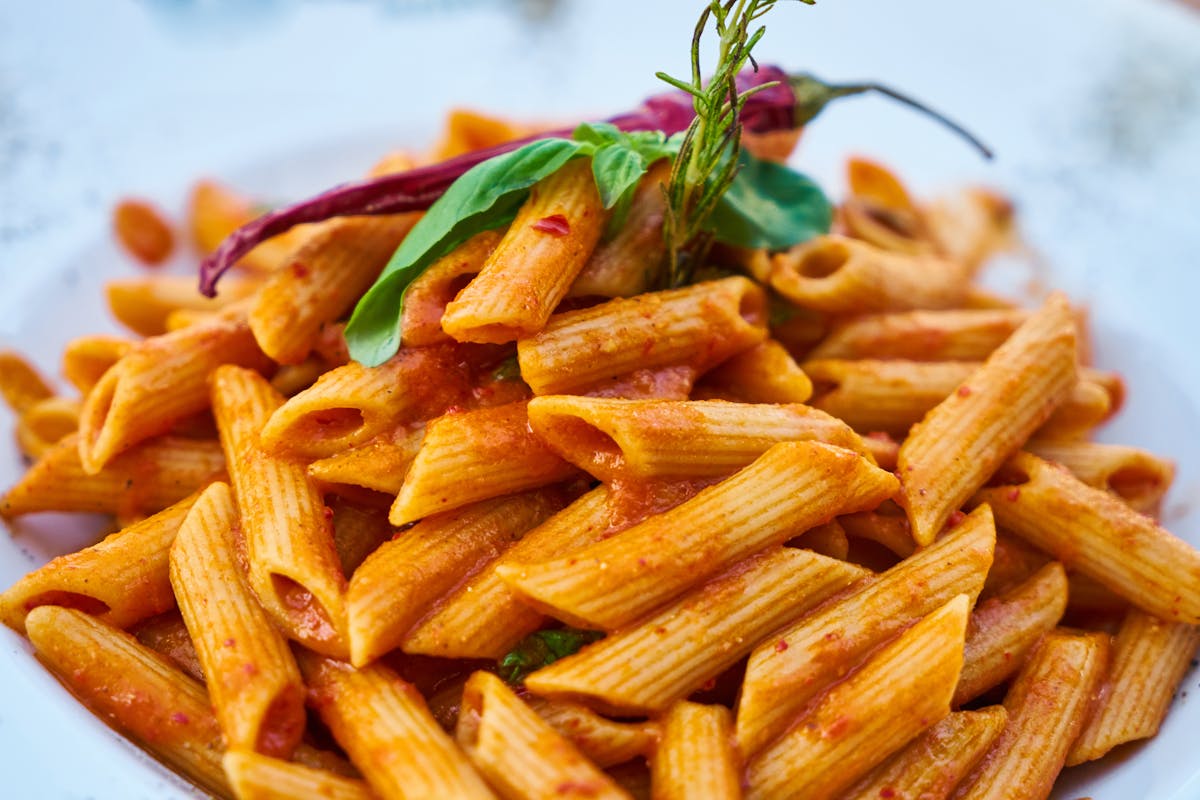
Blending beans and vegetables creates natural creaminess with extra fiber and protein. Add shredded chicken & adjust consistency.
Stir the shredded chicken into the blended soup. If it feels too thick—especially important on GLP‑1s—add splashes of water or broth until it’s gently pourable and easy to sip. Simmer 5 minutes to warm through.Finish with yogurt and lemon.
Turn the heat to low. In a small bowl, whisk the Greek yogurt with a ladle of hot soup to temper it (this keeps it from curdling). Stir the yogurt mixture back into the pot. Add lemon juice, taste, and adjust salt and pepper.Serve in small portions.
Ladle into small bowls or ramekins. Garnish with parsley or chives if you like. Let the soup cool slightly—very hot foods can feel more intense when your stomach is sensitive.
Portion the soup into small bowls to align with GLP‑1 mini‑meal patterns.
Storage, Freezing & Reheating
In the GLP‑1 era, having ready‑to‑heat, gentle meals on hand is a lifesaver for low‑appetite days.
- Fridge: Store in airtight containers for up to 3–4 days.
- Freezer: Portion into small freezer‑safe containers or silicone soup molds. Freeze for up to 2–3 months.
- Reheating: Warm gently on the stove over low heat or in the microwave at 50–70% power, stirring every 30–45 seconds.
If the soup thickens in the fridge, just stir in a tablespoon or two of water or broth as you reheat until it reaches your ideal consistency.
Serving Ideas & Complementary Dishes
Keep portions small and add gentle sides as your appetite allows.
- Light carb boost: A few whole‑grain crackers or a thin slice of toasted sourdough (if tolerated).
- Extra protein: A side of cottage cheese, a boiled egg, or a mini protein shake.
- Veggie side: Soft roasted carrots or zucchini, or a tiny portion of well‑cooked greens.
- For brunch: Pair a small bowl of soup with a soft scrambled egg and fruit slices.
Safety, Supervision & Working With Your Care Team
GLP‑1 agonists like Ozempic, Wegovy, and Mounjaro/Zepbound are prescription medications for conditions like type 2 diabetes and obesity. Nutrition is a powerful partner—but it’s not a substitute for medical care.
Always discuss with your healthcare provider or a registered dietitian:
- Appropriate calorie and protein targets for your body and activity level
- Any supplements (like creatine, vitamins, or minerals) you’re considering
- Ongoing lab work to track nutrient status and metabolic health
- Plans for adjusting your diet if you change dose or eventually stop the medication
With thoughtful food choices, respectful medical guidance, and a compassionate mindset, the GLP‑1 diet era can be less about pressure to shrink and more about learning to nourish a changing body with care.
