
The GLP‑1 Diet Era: How Ozempic Is Quietly Rewriting the Rules of Eating
The GLP‑1 Diet Era: Ozempic, Wegovy & “Ozempic‑Inspired” Eating Plans
In just a few years, GLP‑1 medications like Ozempic, Wegovy, and Mounjaro/Zepbound have gone from quiet diabetes tools to headline‑making weight‑loss drugs—and they’re completely reshaping how we talk about food. Instead of white‑knuckle willpower diets, more people are leaning into high‑protein, nutrient‑dense, “Ozempic‑friendly” ways of eating that respect biology, protect muscle, and make every bite deeply satisfying.
If you’re curious about what to eat on GLP‑1s—or you just want a smarter, appetite‑aware approach to food—this guide walks you through the science, the trends, and a practical, delicious, high‑protein sample day you can adapt at home.

Why GLP‑1 Diets Are Trending Everywhere
Scroll TikTok or YouTube in 2026 and you’ll see it instantly: “Ozempic what I eat in a day,” “GLP‑1 meal prep,” and endless dietitians reacting to GLP‑1 food diaries. This isn’t a fad built on cabbage soup or celebrity detox teas—it’s a structural shift in how people approach appetite and long‑term weight management.
- Mass adoption & celebrity normalization: High‑profile entertainers and influencers have made GLP‑1 use for weight loss widely visible, sending millions of people searching for food strategies that complement the meds.
- From “willpower” to biology: GLP‑1s reduce appetite and slow gastric emptying, so people feel full on less food. The new goal: work with these changes instead of fighting them.
- Managing side effects: Nausea, constipation, and the risk of losing muscle have pushed protein, fiber, and gut‑friendly foods to center stage.
The GLP‑1 era isn’t about a single “Ozempic diet.” It’s about smarter, more intentional eating when your appetite is lower and every bite matters.
Core Nutrition Themes in the GLP‑1 Era
Clinicians, registered dietitians, and seasoned home cooks are converging on a few shared pillars for GLP‑1‑aligned eating. Think of these as your north stars whether you’re on Ozempic, Wegovy, Mounjaro/Zepbound—or simply eating with a naturally low appetite.
1. High‑Protein Diets to Protect Lean Muscle
When you eat less overall, your body can tap into not just fat but also muscle. That’s why many experts now suggest aiming for roughly 1.6–2.2 grams of protein per kilogram of body weight (when medically appropriate) to help preserve lean mass and support recovery, especially if you’re training.
Gentle, easy‑to‑digest protein sources are the stars:
- Greek yogurt or skyr
- Cottage cheese and ricotta
- Eggs and egg whites
- Tofu, tempeh, and edamame
- Fish, shellfish, poultry, and lean meats
- Protein powders (whey, casein, or plant‑based blends)
2. Nutrient Density Over Sheer Volume
On GLP‑1s, many people feel full after just a few bites. That means a giant salad can actually be less useful than a small, thoughtfully composed plate that packs in protein, healthy fats, fiber, and micronutrients.
Popular nutrient‑dense players include:
- Leafy greens (spinach, kale, arugula)
- Berries, citrus, and colorful fruits
- Beans, lentils, and chickpeas
- Nuts, seeds, and nut butters
- Egg yolks, salmon, sardines, and fortified dairy or plant milks
3. Fiber & Gut Comfort
Constipation is a common complaint on GLP‑1s; slower digestion plus lower intake is a rough combo. To keep things moving, creators and clinicians emphasize:
- Oats and barley
- Chia, flax, and psyllium (introduced gradually)
- Beans, lentils, and peas
- Non‑starchy veggies like zucchini, peppers, carrots, and leafy greens
- Plenty of water and, when needed, electrolytes
4. Low Ultra‑Processed, High Whole‑Food Focus
With appetite turned down, “spending” your calories on ultra‑processed snacks and fast food becomes an even worse bargain. The big trend: simple, minimally processed meals you can prep once and enjoy all week.
5. Less Alcohol, More Recovery
Since GLP‑1s can already cause nausea and affect how your body handles nutrients, many people are cutting back on alcohol. Low‑alcohol and alcohol‑free drinks—with sparkling water, citrus, and herbs—fit beautifully into an overall metabolic health reset.
A GLP‑1 Friendly Sample Recipe: High‑Protein Mediterranean Power Bowl
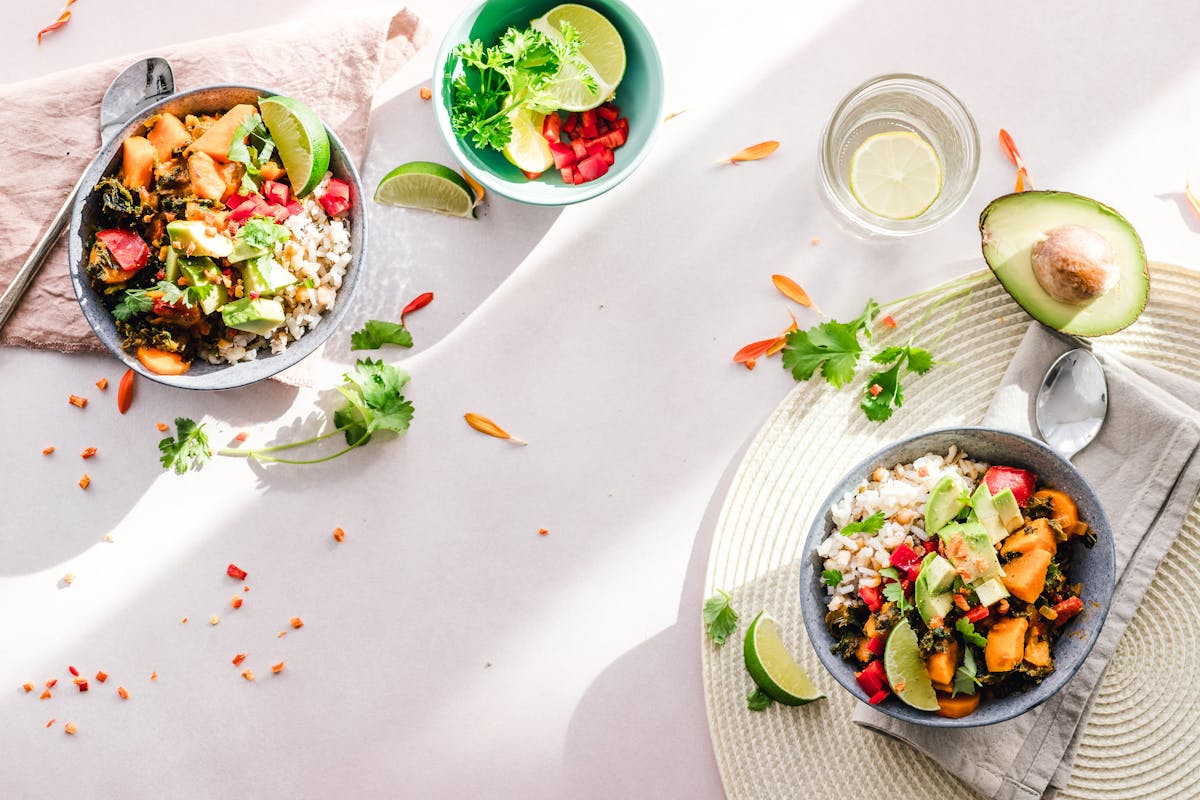
To bring all these ideas to life, let’s build one of the most popular GLP‑1‑era meals: a High‑Protein Mediterranean Power Bowl. It’s vibrant, customizable, gentle on the stomach, and designed so every bite works hard—lean protein, fiber‑rich legumes, heart‑healthy fats, and plenty of fresh herbs and crunch.
Whether you’re on Ozempic/Wegovy/Mounjaro or simply eating lighter, this bowl gives you steady energy and real satisfaction without relying on huge portions.
High‑Protein Mediterranean Power Bowl (GLP‑1 Friendly)
Quick Recipe Summary
Prep Time:
Cook Time:
Total Time:
Servings: 2 bowls
Difficulty: Easy–Moderate
Best for: GLP‑1 users, high‑protein, high‑fiber, Mediterranean‑style eating
Equipment You’ll Need
- Medium saucepan with lid (for grains)
- Non‑stick or cast‑iron skillet (for protein)
- Cutting board and sharp knife
- Small bowl or jar for dressing
- Two serving bowls
Ingredients
Base
- 1/2 cup (90 g) dry quinoa or farro, rinsed
- 1 cup (240 ml) low‑sodium vegetable or chicken broth (or water)
- 2 packed cups baby spinach or mixed salad greens
Protein & Legumes
- 8 oz (225 g) boneless, skinless chicken breast or extra‑firm tofu, sliced
- 1 tbsp olive oil (for cooking)
- 1 cup cooked chickpeas (drained and rinsed if canned)
Vegetables & Toppings
- 1 small cucumber, diced
- 1 cup cherry tomatoes, halved
- 1/4 small red onion, very thinly sliced (optional, for sensitive stomachs)
- 1/4 cup crumbled feta cheese (or dairy‑free feta)
- 2 tbsp toasted pumpkin seeds or sliced almonds
- 2 tbsp fresh parsley or dill, chopped
Yogurt Lemon Dressing
- 1/2 cup (120 g) plain Greek yogurt (or unsweetened plant‑based yogurt)
- 2 tbsp extra‑virgin olive oil
- 2 tbsp fresh lemon juice
- 1 small garlic clove, finely grated or pressed (or 1/4 tsp garlic powder for milder flavor)
- 1/4 tsp dried oregano
- Salt and black pepper to taste
Step‑by‑Step Instructions
- Cook the grain base.
Add the rinsed quinoa or farro and broth to a saucepan. Bring to a boil over medium‑high heat, then reduce to low, cover, and simmer until tender and liquid is absorbed (about 12–15 minutes for quinoa, 20–25 for farro). Fluff with a fork and let sit, covered, for 5 minutes. - Prepare the dressing.
In a small bowl or jar, whisk together yogurt, olive oil, lemon juice, garlic, oregano, salt, and pepper. Taste and adjust seasoning—look for a bright, tangy, creamy flavor that makes you want to dip a spoon in. - Cook the protein.
Pat the chicken (or tofu) dry and season lightly with salt and pepper. Heat 1 tbsp olive oil in a skillet over medium heat. Cook chicken 5–6 minutes per side, until golden and cooked through (internal temp 165°F / 74°C). For tofu, sear 3–4 minutes per side until crisp and browned. Let rest a few minutes, then slice into bite‑sized strips. - Warm the chickpeas.
In the same skillet (no need to wash), add the chickpeas with a pinch of salt, pepper, and oregano. Cook over medium heat for 2–3 minutes, just until warmed and lightly coated in the pan juices. - Prep the veggies.
While the protein cooks, dice the cucumber, halve the cherry tomatoes, and thinly slice the red onion if using. Chop the herbs. This is your color and crunch—aim for small, tender pieces that are easy to eat when your appetite is low. - Assemble the bowls.
Divide the greens between two bowls. Spoon the warm grains on top, followed by sliced chicken or tofu and the chickpeas. Arrange cucumber, tomatoes, and onion around the bowl like a little edible color wheel. - Add toppings and drizzle.
Sprinkle with feta, pumpkin seeds or almonds, and fresh herbs. Drizzle generously with the yogurt lemon dressing, reserving extra on the side if you prefer a lighter coating. - Adjust for comfort & serve.
If you’re on a GLP‑1 and get full quickly, serve yourself a smaller portion and keep the rest stored. Eat slowly, noticing textures—the creaminess of the yogurt, the juicy tomatoes, the nutty grains—and stop when comfortably satisfied.
Storage, Meal Prep & Reheating Tips
GLP‑1 users often prefer small, frequent meals, so this bowl is perfect for prepping ahead and portioning.
- Fridge: Store grains, protein, veggies, and dressing in separate airtight containers for up to 3–4 days.
- Freezer: Cooked grains and chicken (or tofu) freeze well for up to 2 months. Thaw overnight in the fridge.
- Reheating: Gently rewarm grains and protein in a covered skillet over low heat with a splash of water or broth. Keep veggies and dressing cold for contrast.
- On especially low‑appetite days: Build half bowls or even “snack plates” with a few bites of each component so eating feels manageable, not overwhelming.

Serving Ideas & Complementary GLP‑1 Friendly Dishes
To round out a GLP‑1‑friendly day of eating, pair this Mediterranean bowl with light, protein‑forward meals and snacks that respect your appetite cues.
- Breakfast: High‑protein Greek yogurt parfait with berries and chia, or a small veggie omelet with a side of fruit.
- Snacks: Cottage cheese with cucumber slices; a small protein shake; edamame with sea salt; a handful of nuts and berries.
- Another main: Baked salmon with roasted carrots and lentils; tofu stir‑fry with broccoli and brown rice; turkey and bean chili.
- Drinks: Sparkling water with citrus and herbs, herbal tea, or a light kefir for probiotics—especially helpful for gut comfort on GLP‑1s.
The Bigger Picture: Life Beyond the “Ozempic Diet”
Across TikTok, YouTube, and podcasts, the conversation is opening up: How do you eat on GLP‑1s, how do you protect your metabolism and muscle, and how do you transition off medications without rapid regain? The shared answer isn’t a flashy celebrity plan—it’s consistent, protein‑rich, whole‑food meals, like the bowl you’ve just met.
If you’re on a GLP‑1, work closely with your healthcare team and, when possible, a registered dietitian. Use recipes like this as flexible blueprints, listening closely to both science and your own body. And remember: even in the GLP‑1 era, food is still about pleasure, comfort, and culture—every smaller bite can still be deeply delicious.
