
The GLP‑1 Diet Era: How Ozempic-Friendly Eating Is Changing the Way We Cook
The GLP‑1 Diet Era: Ozempic, Wegovy & “Ozempic‑Friendly” Eating
The explosion of GLP‑1 medications like Ozempic, Wegovy, Mounjaro, and Zepbound hasn’t just changed how people lose weight and manage diabetes—it’s changing how many of us cook, shop, and eat day to day. A whole new niche of “GLP‑1 diet,” “Ozempic‑friendly eating,” and “high‑protein GLP‑1 meal prep” content has emerged, centered on meals that are gentle on the stomach, rich in protein, and deeply satisfying in just a few mindful bites.
This article dives into why GLP‑1‑friendly eating is trending, what typical meal patterns look like, how to manage side effects with smart food choices, and how to keep your plate joyful and nourishing—not restrictive—while using these medications.

Why the GLP‑1 Diet Trend Is Exploding
As of early 2026, millions of people worldwide are taking GLP‑1 receptor agonists for either type 2 diabetes or weight management. With that has come a surge in searches for phrases like what to eat on Ozempic
and GLP‑1 meal plan
. People don’t just want clinical instructions—they want real‑life, “what does my plate look like?” guidance.
- Explosive user base: More prescriptions mean more people suddenly navigating smaller appetites and new side effects.
- Side‑effect management: Nausea, reflux, constipation, and feeling full very quickly push people toward softer, lighter, protein‑forward meals.
- Muscle preservation: There’s rising awareness that fast weight loss can include muscle loss, so higher‑protein, strength‑supportive meals are in demand.
- Celebrity spotlight: Constant headlines about GLP‑1 drugs keep curiosity and content creation high on TikTok, Instagram, and YouTube.
Dietitians and doctors are now packaging this demand into e‑books, memberships, and “GLP‑1 nutrition” programs, often focusing on sustainable, protein‑rich eating rather than crash dieting.
How GLP‑1 Medications Change Your Relationship With Food
GLP‑1 receptor agonists mimic a hormone that helps regulate blood sugar, slows stomach emptying, and signals fullness to the brain. In the kitchen, that translates to a few big shifts:
- Smaller portions feel satisfying: Heavy, greasy plates can quickly feel overwhelming, while modest bowls can be plenty.
- Fullness comes fast: Many people feel full after just a few bites, so each bite needs to count nutritionally.
- Food preferences may shift: Rich, fried, or sugary foods can become less appealing, especially if they trigger nausea or reflux.
- Hydration suddenly matters more: Reduced intake overall can mean fewer fluids and fewer fiber‑rich foods, which impacts digestion.
Rather than forcing previous eating patterns to fit, GLP‑1‑friendly cooking leans into this new appetite rhythm: smaller, softer, protein‑dense, and nutrient‑rich.
Typical GLP‑1 Diet Meal Templates
While there’s no one official “Ozempic diet,” a common pattern has evolved among clinicians and content creators. It tends to look like:
- 3–4 mini‑meals per day instead of big, heavy plates.
- 20–30 g protein per mini‑meal from foods like eggs, Greek yogurt, cottage cheese, tofu, chicken, fish, or protein shakes.
- Fiber for gentler digestion from berries, cooked vegetables, beans, lentils, and whole grains in small portions.
- Lower fat, not no fat: swapping out deep‑fried foods for avocado, olive oil, nuts, and seeds in modest amounts.
- Limited added sugar to reduce reflux and energy crashes.

Texture, Tolerance & Comfort: Eating With Less Nausea
On GLP‑1 medications, texture often matters as much as ingredients. Many people gravitate toward softer, smoother meals that are easier to digest and feel less “heavy” in the stomach.
Think silky soups, tender stews, smoothies, yogurt bowls, mashed root vegetables, and gently cooked grains instead of dry meats or fried foods.
- Choose: soups, stews, curries, oatmeal, yogurt, smoothies, mashed potatoes, poached or shredded meats.
- Limit: big salads with tough raw veggies, dry grilled meats, very spicy or greasy dishes, or carbonated drinks if they worsen reflux.
Hydration, Electrolytes & Digestion on GLP‑1s
Reduced appetite often means you sip and snack less, too—which can quickly lead to dehydration and constipation. That’s why many GLP‑1 diet guides emphasize fluids and electrolytes as much as food.
- Fluids: water, herbal teas, diluted fruit juices, or infused water.
- Electrolytes: low‑sugar electrolyte drinks, lightly salted broths, or oral rehydration solutions when needed.
- Fiber: cooked veggies, berries, oats, chia seeds, and beans in tolerable portions, plus plenty of fluid to move fiber through.
Many people find that starting the day with a glass of water or sipping broth between meals helps prevent that sluggish, constipated feeling that can come with GLP‑1 use.
Protecting Muscle: High‑Protein, Small‑Volume Eating
One of the biggest long‑term concerns in the GLP‑1 diet era is losing muscle along with fat. If your appetite is tiny, it becomes harder—but even more important—to hit your daily protein needs.
That’s why you’ll see “high‑protein Ozempic meal prep” and “GLP‑1 muscle‑preserving diet” trending on social media. The goal is to make protein the star of every mini‑meal and snack.
- Dairy & alternatives: Greek yogurt, skyr, cottage cheese, soy yogurt.
- Animal proteins: eggs, fish, chicken, turkey, lean beef, sardines.
- Plant proteins: tofu, tempeh, edamame, lentils, beans, quinoa.
- Supplements: whey, casein, or plant‑based protein powders in smoothies or blended into oatmeal or yogurt (as advised by your clinician).

Nutrient-Dense, Small-Volume Foods
When you’re eating less overall, every bite becomes prime real estate. Many GLP‑1‑focused dietitians talk about “nutrient‑rich, small‑volume” foods—ingredients that deliver protein, healthy fats, vitamins, and minerals without relying on large portions.
- Sardines & fatty fish: protein, omega‑3s, vitamin D.
- Eggs: highly bioavailable protein, choline, B vitamins.
- Nuts & seeds: healthy fats, magnesium, protein, and fiber—especially walnuts, almonds, chia, flax, and pumpkin seeds.
- Dark leafy greens: spinach, kale, collards cooked into soups and stews to concentrate their nutrients.
- Fortified yogurts & plant milks: extra calcium, vitamin D, and sometimes added protein.
These foods slip easily into smoothies, soups, bowls, and spreads, boosting nutrition without dramatically increasing the amount of food on your plate.
Beyond the Plate: Mental Health & Long‑Term Balance
Thoughtful GLP‑1 nutrition content doesn’t just talk macros; it talks mindset. Because these medications can bring dramatic physical changes, people are asking how to protect their relationship with food and body image along the way.
- Avoid crash‑diet thinking: treating GLP‑1s as a license to eat as little as possible can backfire, affecting energy, mood, and muscle.
- Practice food neutrality: there’s room for pleasure foods in smaller, more mindful portions, if they sit well with your body.
- Plan for maintenance: creators are increasingly talking about how to eat if your dose is lowered or stopped, so you don’t feel lost.
- Check in with professionals: dietitians, therapists, and your prescribing clinician can help you navigate big changes in appetite and weight.
Many people describe GLP‑1 medications as a “pause button” that lets them re‑learn gentle, satisfying eating without constant intrusive hunger—an opportunity to build habits that will last after the medication phase.
GLP‑1‑Friendly Recipe: Cozy High‑Protein Chicken & Lentil Soup
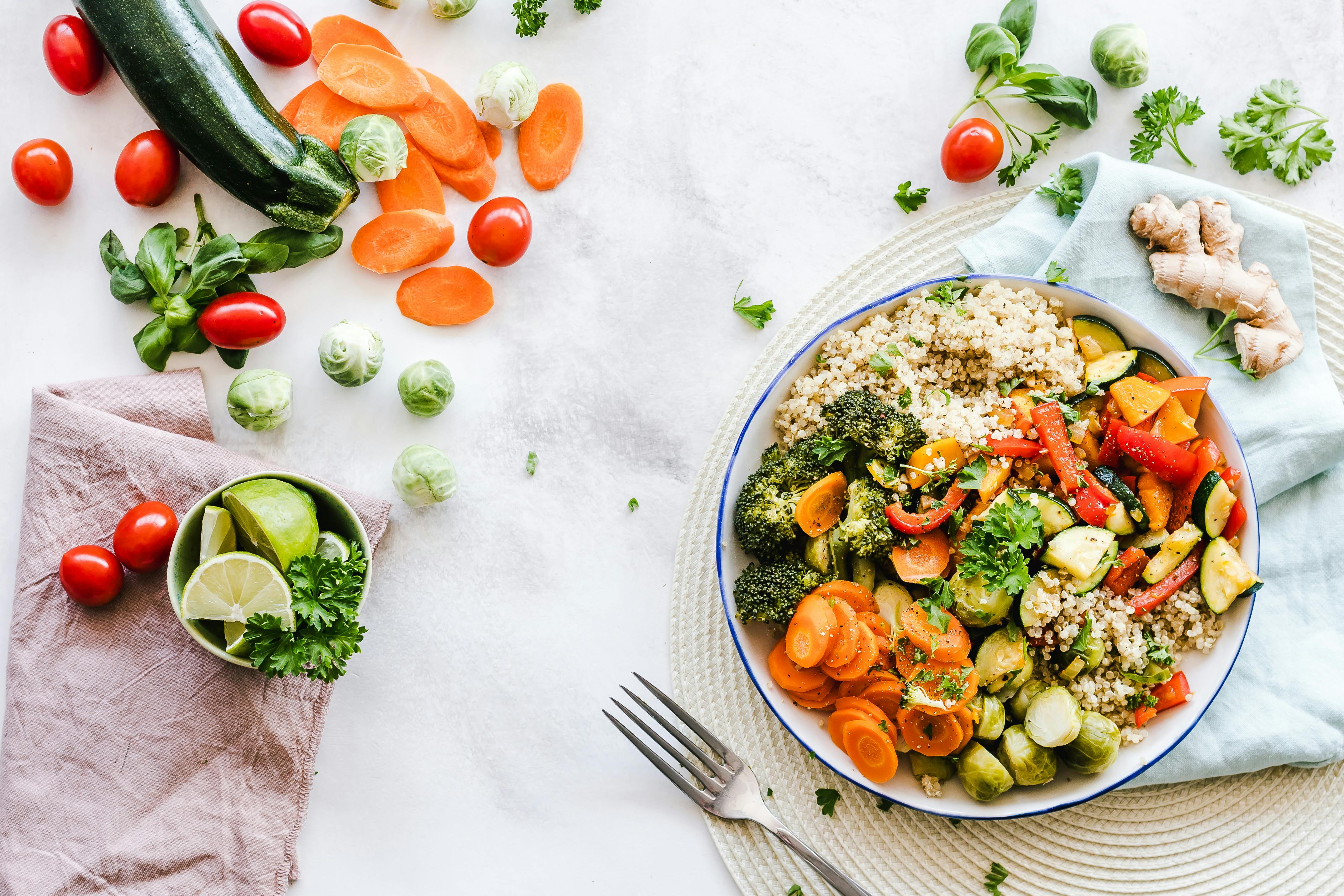
To bring all of this to life, here’s a GLP‑1‑friendly recipe that checks the big boxes: high protein, gentle texture, warm and soothing on the stomach, and packed with flavor in a modest portion. Think tender shreds of chicken, soft lentils, and sweet carrots in a lightly herbed broth—comforting, aromatic, and easy to enjoy slowly, spoonful by spoonful.
Quick Recipe Summary
Prep Time: 15 minutes
Cook Time: 30 minutes
Total Time: 45 minutes
Servings: 6 small bowls
Difficulty: Easy
Equipment You’ll Need
- Large soup pot or Dutch oven (4–5 qt)
- Cutting board and sharp knife
- Measuring cups and spoons
- Wooden spoon or silicone spatula
- Ladle for serving
- Optional: immersion blender for slightly creamier texture
Ingredients
For a pot of GLP‑1‑friendly chicken & lentil soup:
- 1 tablespoon olive oil
- 1 small onion, finely diced
- 2 medium carrots, peeled and diced
- 2 celery stalks, diced (optional if you tolerate it poorly)
- 3 cloves garlic, minced
- 1 cup (about 200 g) dried red or yellow lentils, rinsed
- 8 cups (about 2 L) low‑sodium chicken broth
- 2 small boneless, skinless chicken breasts (about 300–350 g total)
- 1 teaspoon dried thyme
- 1 teaspoon dried oregano or Italian seasoning
- 1 bay leaf
- 1 teaspoon fine sea salt, plus more to taste
- ¼ teaspoon freshly ground black pepper (or less if reflux‑prone)
- 1 cup baby spinach or chopped kale, stems removed (optional, added at the end)
- Juice of ½ lemon (optional, brighten to taste)
Step‑by‑Step Instructions
- Soften the aromatics.
Warm the olive oil in your soup pot over medium heat. Add the diced onion, carrots, and celery. Cook, stirring occasionally, until the vegetables are soft and fragrant, about 5–7 minutes. Add the garlic and cook 1 more minute, just until you can smell its sweetness.
Slowly sautéing the vegetables builds gentle, savory flavor without heaviness. - Add lentils, broth, and seasonings.
Stir in the rinsed lentils, chicken broth, thyme, oregano, bay leaf, salt, and pepper. Nestle the chicken breasts into the liquid so they’re fully submerged.
- Simmer until tender.
Bring the soup to a gentle boil, then reduce heat to low‑medium so it simmers softly. Cover partially and cook for 20–25 minutes, or until the lentils are very soft and the chicken is cooked through (no pink in the center).
Keep the simmer gentle to maintain a soothing, easy‑to‑digest texture. - Shred the chicken.
Turn off the heat. Use tongs to lift the chicken breasts onto a cutting board. With two forks, shred the chicken into fine, tender strands—smaller pieces are generally easier for GLP‑1 users to tolerate.
- Adjust the texture (optional).
For an extra‑gentle soup, use an immersion blender to partially blend the lentils and vegetables right in the pot (before adding the chicken back)—just a few quick pulses so the soup becomes lightly creamy but still has some texture.
- Finish the soup.
Return the shredded chicken to the pot. Stir in the spinach or kale, if using, and let the residual heat wilt the greens. Add a squeeze of lemon juice to brighten, and taste for salt and pepper.

Serve in small bowls and enjoy slowly; a little goes a long way on GLP‑1 medications. - Serve in small, mindful portions.
Ladle the soup into small bowls. If your appetite is very low, start with half a cup; you can always add more if you’re still comfortably hungry after a few minutes. Savor slowly, noticing warmth, aroma, and fullness cues.
Storage & Reheating Tips
This soup is perfect for GLP‑1 meal prep because it reheats beautifully and portion sizes are easy to control.
- Refrigeration: Cool completely, then store in airtight containers for up to 4 days.
- Freezing: Portion into small, freezer‑safe containers or silicone trays and freeze for up to 2–3 months.
- Reheating: Warm gently on the stove or in the microwave, adding a splash of water or broth if it has thickened. Stir well and heat until steaming, but not boiling hard.
- Portioning: Freeze in ½–1 cup portions so you can thaw exactly what your smaller appetite needs.
Serving Suggestions & GLP‑1‑Friendly Pairings
For a rounded GLP‑1‑friendly meal, you might pair a small bowl of this soup with:
- A few whole‑grain crackers or a small slice of soft, whole‑grain bread (if tolerated).
- A side of Greek yogurt or cottage cheese for extra protein.
- A small portion of gently cooked vegetables—like roasted carrots or zucchini—if you need more fiber.
On days when your appetite is very low, this soup alone can still provide comforting protein and fiber in just a few spoonfuls, especially if you’ve blended it to a smoother consistency.
The Future of GLP‑1‑Friendly Eating
The GLP‑1 diet era is moving the conversation away from pure willpower and toward realistic, pharmacology‑assisted strategies for eating well. On social media, that looks like high‑protein meal prep, nausea‑friendly recipes, and frank discussions about side effects. In everyday kitchens, it looks like smaller plates, softer textures, and a new appreciation for nutrient‑dense, satisfying food.
If you’re on Ozempic, Wegovy, Mounjaro, Zepbound, or any GLP‑1 medication, consider this your gentle reminder: you deserve food that supports your health and feels enjoyable to eat. With a bit of planning—and plenty of flexibility—you can build an “Ozempic‑friendly” way of eating that nourishes muscle, protects digestion, and keeps pleasure on the plate.
Always check with your healthcare provider or a registered dietitian who understands GLP‑1 medications before making significant changes to your diet, especially if you live with other medical conditions.
