
The Fiber Fix: Why This “Boring” Nutrient Is the Hottest Wellness Trend Right Now
Why Everyone’s Talking About Fiber — And Why Experts Say the Hype Is Deserved
Suddenly, the most “unsexy” nutrient on the label is having a major moment. Social feeds are full of fiber hacks, gut-healing bowls, and talk of blood sugar “balancing” — and unlike many wellness fads, this one actually has decades of solid science behind it. Fiber is linked to steadier blood sugar, better cholesterol, improved digestion, and even a lower risk of chronic disease. Yet most of us still fall far short of what our bodies need.
In this guide, we’ll unpack what makes fiber so powerful, what the latest research is saying, and how you can gently boost your intake using real foods like vegetables, fruits, beans, and nuts — without miserable restriction, expensive powders, or a total kitchen overhaul.

“If fiber were packaged as a new supplement, it would be marketed as a miracle. It supports cholesterol, blood sugar, gut health, and even weight management — all in one.”
— Registered dietitian, clinical practice in San Francisco
The Fiber Gap: Why Most of Us Aren’t Getting Enough
Despite the buzz, population data consistently show that many adults are nowhere near the recommended daily fiber intake. In the U.S. and other Western countries, estimates suggest the average adult gets only about half of what’s advised for long-term health.
Health organizations typically recommend:
- About 25 grams per day for most adult women.
- About 38 grams per day for most adult men.
- Slighly lower targets for older adults, as energy needs change.
Modern eating patterns—more ultra-processed foods, fewer intact whole grains, and not enough vegetables, fruits, and legumes—are a big part of the problem. It’s not that people don’t care; it’s that fiber-rich foods often take more planning, prep, and sometimes money.
Why Fiber Matters: Cholesterol, Blood Sugar, and Gut Health
“Fiber” isn’t a single thing. It’s a diverse group of carbohydrates that humans can’t fully digest, but our gut microbes can. Different types act in slightly different ways — which is why variety matters.
1. Heart health and cholesterol
Soluble fibers (found in oats, beans, lentils, apples, and barley) can bind to bile acids in the gut, helping the body excrete them. Since bile acids are made from cholesterol, this mechanism can help lower LDL (“bad”) cholesterol over time when paired with an overall heart-healthy lifestyle.
2. Steadier blood sugar
Fiber slows how quickly carbohydrates are broken down and absorbed, which can help reduce blood sugar spikes after meals. This is especially relevant for people living with, or at risk for, type 2 diabetes or insulin resistance, alongside medical care and other lifestyle changes.
3. Gut health and microbiome support
Many fibers function as prebiotics: food for beneficial gut bacteria. When microbes ferment fiber, they produce short-chain fatty acids such as butyrate, acetate, and propionate, which may support the gut lining, help regulate inflammation, and influence appetite and metabolism.

4. Regularity and comfort
Insoluble fiber (found in wheat bran, many vegetables, and whole grains) adds bulk to stool and helps it move more efficiently through the digestive tract. This can support regular bowel movements and reduce the risk of constipation, particularly when coupled with enough fluids.
“For many of my patients, simply getting closer to the recommended fiber range has more impact on digestion than any trendy cleanse or detox.”
— Gastroenterologist, academic medical center
Why Experts Prefer Whole-Food Fiber Over Supplements
You can find fiber supplements everywhere now — powders for coffee, gummies, capsules — and they can have a place, especially if you’re under medical guidance. But most nutrition experts still encourage getting the bulk of your fiber from whole foods whenever possible.
Whole plant foods don’t just deliver fiber; they also contain:
- Vitamins and minerals (like vitamin C, folate, magnesium, and potassium).
- Phytonutrients and antioxidants that may support long-term health.
- Water content that can assist with hydration and fullness.
- Different types of fiber in natural combinations your body is built to handle.
Supplements tend to provide one or two specific fibers in isolation. They can help you “top up” your intake or manage certain digestive issues, but they don’t fully replicate the benefits of a varied, plant-rich eating pattern.
Two Main Types of Fiber (and Why You Need Both)
Most plant foods contain a mix of fibers, but it can help to understand the two broad categories you’ll see mentioned most often.
Soluble fiber
Soluble fiber dissolves in water to form a gel-like substance. It’s the type most associated with helping lower LDL cholesterol and supporting steadier blood sugar. Common sources include:
- Oats and oat bran
- Beans, lentils, and peas
- Apples, pears, and citrus fruits
- Barley and some seeds (like flax and psyllium)
Insoluble fiber
Insoluble fiber doesn’t dissolve in water; it adds bulk to stool and helps keep things moving through your digestive tract. Common sources include:
- Whole wheat and wheat bran
- Many vegetables (especially skins and stalks)
- Brown rice and other intact whole grains
- Nuts and seeds

How to Eat More Fiber Without Overhauling Your Life
The wellness world loves extreme makeovers, but your body responds best to gradual, sustainable changes — especially with fiber. Jumping from very low to very high intake in a week can leave you bloated and uncomfortable. Here’s a gentler, more realistic approach.
Step-by-step fiber upgrade (over 4–6 weeks)
- Track a typical day. Spend one or two days noticing how many plant foods you eat. You don’t have to count grams; just note servings of fruits, vegetables, whole grains, legumes, nuts, and seeds.
- Add 1–2 fiber-rich foods per day. Start small. For example, swap white toast for whole grain, or add a side of beans to dinner.
- Increase slowly. Every week, add another serving or two of fiber-rich foods, and drink more water to help your system adapt.
- Spread fiber across meals. Aim for some fiber at breakfast, lunch, and dinner, rather than loading it all into one meal.
- Adjust based on your body’s feedback. Mild gas or bloating can be normal as your gut microbes adjust, but intense pain, changes in bowel habits, or persistent discomfort are cues to slow down and talk with a healthcare professional.
Everyday Fiber Swaps and Simple Meal Ideas
You don’t need gourmet recipes to benefit from this wellness trend. A few straightforward swaps can noticeably increase your daily fiber, often without adding much time or cost.
Smart swaps that quietly add fiber
- Use oats or cooked quinoa instead of sugary cereal.
- Choose whole-grain bread or tortillas instead of white versions.
- Replace some ground meat in sauces or tacos with lentils or black beans.
- Snack on nuts, seeds, or fruit instead of chips or candy.
- Try adding a small side salad or extra vegetables to your usual meals.
Sample high-fiber day (adapt to your needs)
- Breakfast: Oatmeal topped with berries, chia seeds, and a spoon of nut butter.
- Lunch: Lentil or bean soup with a side of whole-grain toast and a small salad.
- Snack: An apple or pear plus a small handful of almonds.
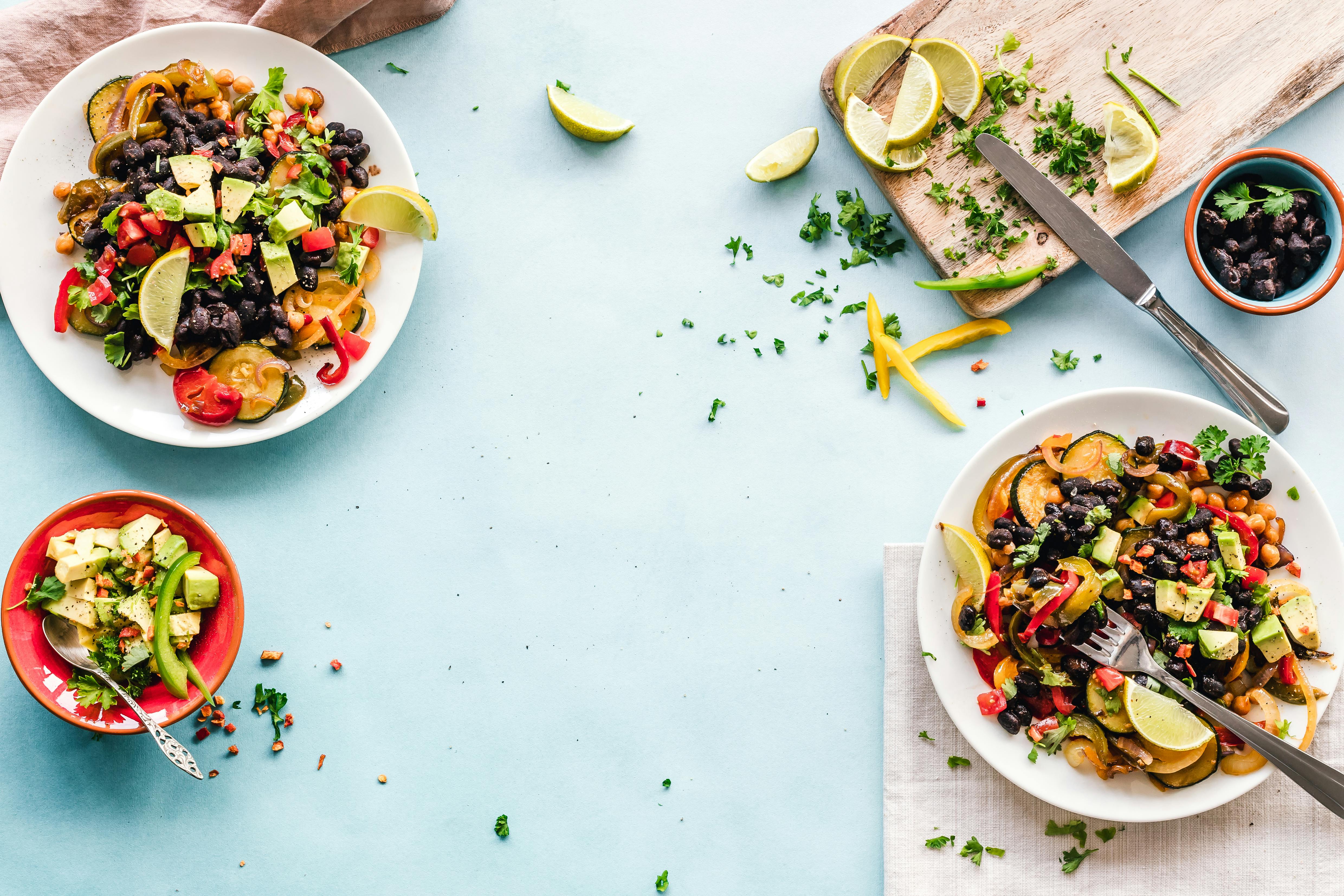
- Dinner: Brown rice or quinoa bowl with roasted vegetables, chickpeas or black beans, and a drizzle of olive oil.

A Realistic “Before and After”: What Changes When You Eat More Fiber
Consider this composite example from clients seen in nutrition practice over the past few years. This isn’t a promise or a guarantee — everyone’s body and medical history are different — but it does reflect common patterns when people gradually move toward a higher-fiber, plant-forward way of eating.
Before: Low-fiber routine
- Breakfast: White toast with butter, coffee with sugar.
- Lunch: Deli sandwich on white bread, chips, soda.
- Snack: Candy bar in the afternoon slump.
- Dinner: Refined pasta with creamy sauce, small side of vegetables.
- Symptoms: Irregular bowel movements, mid-afternoon energy crashes, and feeling hungry soon after meals.
After: Gradual fiber increase over ~3 months
- Breakfast: Overnight oats with fruit and seeds, or whole-grain toast with avocado.
- Lunch: Grain-and-bean bowl with plenty of vegetables and a small piece of chocolate for dessert.
- Snack: Fruit with nuts or hummus with carrots and whole-grain crackers.
- Dinner: Stir-fry with tofu or chicken, vegetables, and brown rice or soba noodles.
- Commonly reported changes: More regular digestion, steadier energy, and feeling fuller between meals.

Common Fiber Roadblocks — and How to Work Around Them
Even when you know the benefits, real-life obstacles can get in the way. Here are a few challenges people often mention, with strategies that respect your time, budget, and comfort.
“Fiber makes me bloated.”
- Increase fiber gradually, over weeks, not days.
- Prioritize cooked vegetables and peeled fruits at first, which tend to be gentler than large raw salads.
- Make sure you’re drinking enough water.
- If symptoms are intense or persistent, check in with a healthcare professional to rule out conditions like IBS, IBD, or celiac disease.
“High-fiber foods seem expensive or time-consuming.”
- Lean on budget-friendly staples: dried or canned beans, lentils, oats, brown rice, frozen vegetables, and in-season produce.
- Use canned beans (rinsed) and frozen vegetables for quick weeknight meals.
- Batch-cook grains and beans once or twice per week so they’re ready to grab.
“I have a digestive condition — is more fiber safe?”
For conditions such as irritable bowel syndrome (IBS), inflammatory bowel disease (IBD), or after certain surgeries, fiber needs can be more complex. Some people need to limit rough, insoluble fiber during flares or follow specific plans like low-FODMAP temporarily.
In these cases, it’s important to work closely with a gastroenterologist and dietitian who can tailor recommendations and help you reintroduce tolerated fibers as your condition allows.
What the Research Says About Fiber and Long-Term Health
Fiber has been studied for decades, and large reviews consistently link higher fiber intakes with lower risks of several chronic conditions. While this doesn’t prove cause and effect on its own — people who eat more fiber often have other healthy habits — the pattern is strong and remarkably consistent.
- Observational studies associate higher fiber intake with lower risk of heart disease and stroke.
- Some trials show that certain soluble fibers can modestly lower LDL cholesterol when added to a balanced eating pattern.
- Higher fiber diets are linked with reduced risk of type 2 diabetes and improvements in markers like fasting glucose and insulin resistance.
- Fiber from whole grains and some fruits and vegetables has been associated with a lower risk of colorectal cancer in several large cohorts.
For more on the science of fiber, see:
Bringing It All Together: Making the Fiber Trend Work for You
Fiber’s moment in the spotlight is one wellness trend that genuinely lines up with long-standing nutrition research. You don’t have to chase extreme numbers or perfection to benefit. Even a modest increase — an extra serving of vegetables here, a daily bowl of oats there — can meaningfully support your digestion, blood sugar, and cholesterol over time.
Instead of thinking of fiber as a chore, try seeing it as a quiet form of self-care: a way to nourish your gut, steady your energy, and give your future self a better foundation to work with.
Your next small step
Over the next week, pick one of these actions:
- Add a piece of fruit and a handful of nuts to your daily routine.
- Swap one refined grain (like white bread or rice) for a whole-grain version.
- Plan one bean-based meal, like chili, lentil soup, or tacos with black beans.
- Include at least one vegetable at both lunch and dinner.
Notice how you feel over a few weeks — energy, fullness, digestion — and adjust from there. If you live with a chronic condition or take medications that could be affected by major dietary changes, check in with your healthcare team before making big shifts.
