
Steve Carell’s Rooster: Why HBO’s Latest Comedy Is Off to a Lukewarm Start
HBO’s Rooster Review: Steve Carell’s New Comedy Starts Soft, Not Strong
HBO’s new Steve Carell vehicle Rooster was supposed to be one of those “you have to watch this” comedy events: big star, prestige network, and Ted Lasso co-creator Bill Lawrence behind the scenes. Instead, its premiere has landed with a distinctly lukewarm thud, prompting outlets like The A.V. Club to question whether this is a late bloomer or just a misfire with good intentions.
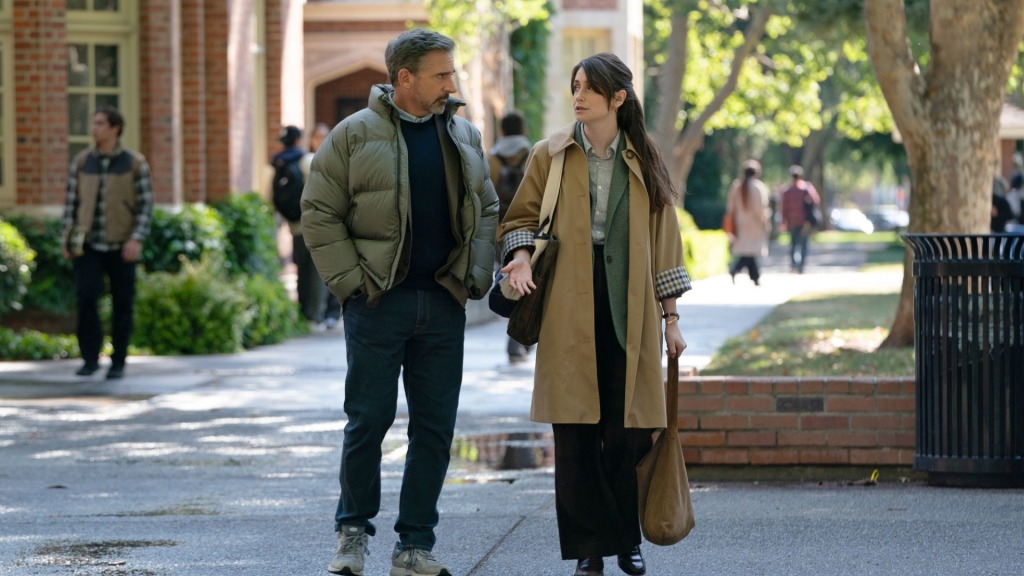
What’s interesting about Rooster isn’t that it’s bad—because it isn’t. It’s that it arrives at a moment when “sad middle-aged guy searching for purpose” has gone from subversive to borderline genre cliché, especially in prestige dramedy. When you press play on a Bill Lawrence series in 2026, you’re not just watching a show; you’re checking in on a whole TV mood.
The Setup: Bill Lawrence, Midlife Crises, and the Prestige Comedy Machine
If you’ve watched Scrubs, Ted Lasso, or Shrinking, you already speak fluent Bill Lawrence. His shows tend to orbit:
- A protagonist in a very specific kind of midlife crisis
- A workplace or community that doubles as a found family
- A mix of punchy, joke-heavy dialogue and earnest, sometimes tear-jerking vulnerability
- Characters whose quirks are both comic flourishes and trauma tells
Rooster clearly slots into this lineage. Carell plays a man in the thick of recalibrating his life—professionally, emotionally, existentially. It’s the kind of role that lets him bend his The Office-honed awkwardness into something more bittersweet, closer to what he’s done in films like Little Miss Sunshine or The 40-Year-Old Virgin, but with the patience of long-form TV.

“I’ve always been drawn to characters who are trying, and often failing, to be better people. Rooster is very much that kind of story.” — Bill Lawrence, on creating his latest series
That background is essential to understanding why Rooster feels so familiar out of the gate. Lawrence isn’t reinventing himself here—he’s remixing himself, and the question is whether audiences in 2026 are still in the mood for that particular emotional playlist.
Why the Lukewarm Start? Familiar Formula, Slow Burn
Early reactions, including from the A.V. Club, describe Rooster as more “pleasant” than “essential,” especially in its first episodes. That’s not fatal in the age of binge-watching, but it does make it harder to break through the noise of other HBO and Max offerings.
A few factors contribute to that lukewarm feel:
- Emotional déjà vu: The midlife-reboot arc has become Bill Lawrence’s calling card, but also his comfort zone. Viewers who’ve already been on this ride with Ted Lasso and Shrinking may feel like they’ve heard this song before.
- Tonal calibration: Lawrence tends to start broad—big jokes, obvious quirks—and then gradually deepens the characters. That can make early episodes feel lightweight or even generic before the emotional stakes kick in.
- Expectations vs. reality: Slap “HBO,” “Steve Carell,” and “from the creator of Ted Lasso” on a poster and people expect an instant classic. Rooster instead plays like a slow-burn workplace dramedy that might need half a season to really find its voice.

None of this makes Rooster a failure. It just means the show doesn’t shout for attention the way an HBO launch used to. In an era where pilots are often built like movie trailers, Rooster arrives with the pacing of an old-school network dramedy that assumes you’ll give it time it may not have earned yet.
Steve Carell’s Performance: Reliable, Restrained, and Slightly Underused
The safest bet in Rooster is Steve Carell. This is comfortably in his wheelhouse: a man whose comic timing masks a deep unease with himself. But the early writing doesn’t quite give him the showcase you might expect from a “Steve Carell vehicle.”
- He’s funny, but not in a fireworks way—more small, awkward moments and wry reactions.
- The pathos is there, but it’s underplayed, almost to a fault; the show seems scared of letting him really unravel too early.
- The supporting cast, in classic Lawrence fashion, gets a lot of the punchlines and emotional color.
That distribution of focus makes sense for an ensemble dramedy, but it also means the supposed star sometimes feels like the straight man in his own show. It’s a choice, but not necessarily the most exciting one for viewers who tuned in primarily for Carell.

“Steve Carell is one of the few actors who can be hilarious and heartbreaking in the same beat. Rooster clearly knows that—it just hasn’t figured out how to fully weaponize it yet.”
Where Rooster Fits in the HBO and Bill Lawrence Ecosystem
To understand why Rooster feels muted, it helps to look at the ecosystem it lives in. HBO has made its name on shows that feel aggressively distinct—Succession, Barry, The White Lotus, Euphoria. Even HBO’s comedies usually have a sharp edge or a stylistic hook.
In contrast, Rooster:
- Shares more DNA with Apple TV+’s “nicecore” wave—Ted Lasso, Shrinking, Trying—than with HBO’s usual acidic satire.
- Leans into warmth, community, and emotional repair more than shock, darkness, or social-scathing commentary.
- Feels like comfort TV at a time when “comfort” isn’t HBO’s core brand, especially in scripted comedy.

That doesn’t make Rooster a mismatch so much as a curiosity: a Bill Lawrence/Avery-style optimism engine parachuted into HBO’s reputation for sharper, meaner fare.
Strengths and Weaknesses: What’s Working, What Isn’t (Yet)
What Rooster Gets Right
- Emotional sincerity: Even in its weakest moments, the show doesn’t feel cynical. It genuinely cares about its characters’ inner lives.
- Cast chemistry: Carell anchors the ensemble, but the surrounding cast brings the kind of lived-in banter that Lawrence shows are known for.
- Room to grow: The pilot doesn’t exhaust its premise. You can see how this could deepen in later episodes if given time.
Where Rooster Stumbles
- Low urgency: The first episodes don’t offer a strong hook—no big narrative swing, no instantly iconic character.
- Overfamiliar beats: Viewers well-versed in “prestige dramedy about sad men” may feel like they’re watching a greatest-hits playlist.
- Brand confusion: It sometimes feels more like an Apple TV+ show that wandered into HBO’s lineup by accident.
Watch the Rooster Trailer and First Impressions
For a feel of the tone—half workplace comedy, half midlife therapy session—the official trailer sets expectations better than the logline does. It leans into Carell’s awkward charm and the show’s warm, ensemble-driven energy.
The trailer makes clear that Rooster isn’t going for savage satire or high-concept structure. It’s closer to a hangout show dressed in HBO clothing—a place to spend time with characters rather than a puzzle to be solved or a system to be dismantled.
Verdict: A Soft Landing That Might Grow into Something Stronger
As of its early episodes, HBO’s Rooster is more “solid background watch” than “cancel-your-plans appointment TV.” It’s competently made, nicely acted, and emotionally sincere—but in 2026, that bar feels lower than it used to.
The lukewarm start doesn’t mean the show is doomed. Bill Lawrence has a track record of building quietly devastating emotional payoffs out of deceptively light setups. Scrubs and Ted Lasso both started as broader comedies before deepening in ways nobody fully expected.
The real question is whether audiences—and HBO’s algorithms—will give Rooster the runway it seems to be asking for. In a thinner TV landscape, this might have been the kind of word-of-mouth hit that grows over time. In a crowded one, “pretty good, might get better” is a risky pitch.
For Steve Carell fans and Bill Lawrence completists, Rooster is worth sampling, with the understanding that it’s playing a long game. For everyone else, it might be the kind of show you circle back to if you hear the magic phrase a few months from now: “Stick with it—around episode six, it really clicks.”

For more details on the cast, episode list, and user ratings as they develop, you can check out the show’s page on IMDb and ongoing coverage at The A.V. Club.
