
Stephen Colbert Leaves Late Night for Middle-earth: New Lord of the Rings Movie Shakes Up Hollywood
Stephen Colbert is trading his late-night desk for the plains of Rohan, signing on to cowrite and develop the next Lord of the Rings movie just as he prepares to leave The Late Show after an 11-year run. The move unites one of television’s most visible J.R.R. Tolkien superfans with Warner Bros.’ revived Middle-earth strategy, and it could reshape how Hollywood treats legacy fantasy franchises in the streaming era.
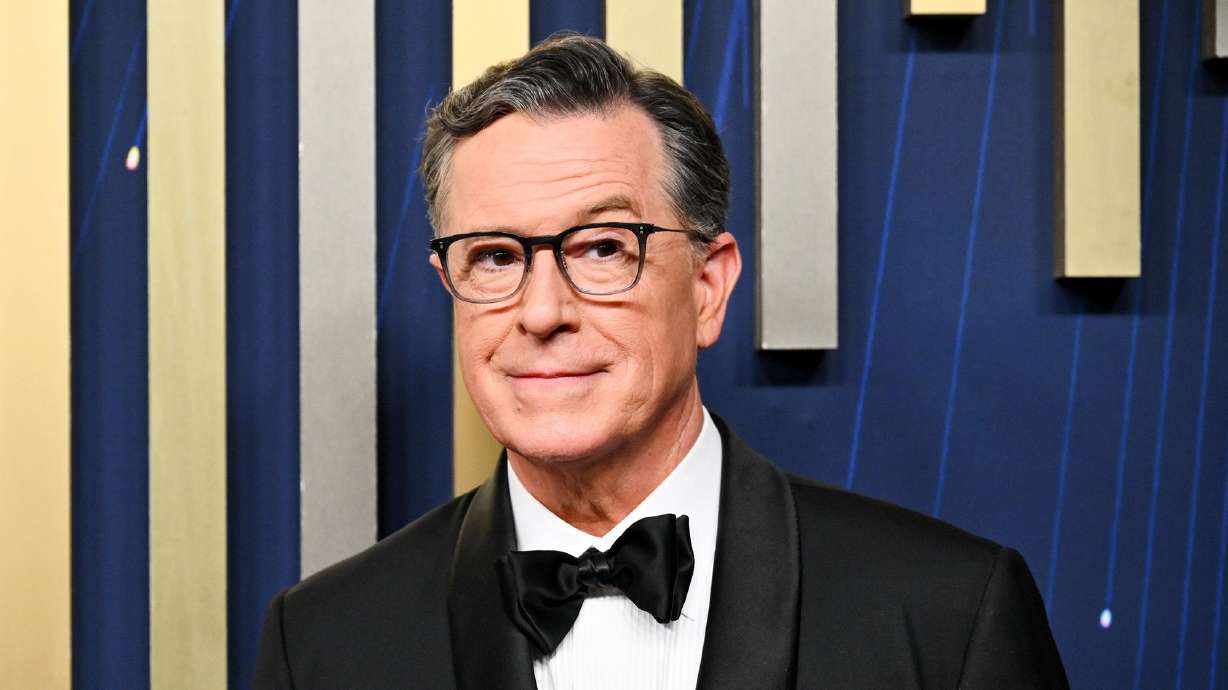
Colbert Leaves Late Night, Heads to Middle-earth
The announcement—confirmed as Colbert counts down to his May exit from CBS—immediately lit up fandom spaces. This isn’t some random celebrity IP grab: Colbert has spent years building a reputation as a deeply literate Tolkien obsessive, the kind who can quote The Silmarillion on-air and correct Peter Jackson-era lore in real time.
From a media-industry perspective, the timing is sharp. Late-night ratings have softened in the streaming age, but fantasy franchises remain one of the last dependable box-office anchors. By aligning Colbert’s brand with a new Middle-earth film, Warner Bros. Discovery is betting that authenticity plus nostalgia can cut through franchise fatigue.
How We Got Here: The New Lord of the Rings Film Push
Warner Bros. and New Line have been open about their intention to revive the Lord of the Rings movie brand beyond the Peter Jackson trilogies. With Amazon’s The Rings of Power carving out its own corner of the legendarium on streaming, the studio is under pressure to stake out a theatrical identity that feels both canonical and fresh.
Colbert’s involvement signals a tilt toward “for-the-fans” storytelling. Across late-night segments, Comic-Con appearances, and interviews, he’s treated Middle-earth less as content and more as a literary ecosystem—with an archivist’s memory for footnotes and an evangelist’s zeal for turning casual viewers into deep readers.
“This is not just a fantasy story to me. It’s a moral universe. Middle-earth is where I learned what courage and mercy look like when no one is watching.”
Comments like that have made Colbert an unofficial bridge between mainstream audiences and hardcore Tolkien scholars, which is precisely the bridge a major studio wants when re-opening the mines of Moria one more time.
Stephen Colbert, Tolkien Superfan: From Desk Bits to the Writers’ Room
Colbert’s fandom has never been subtle. On The Late Show, he’s:
- Quizzed cast members from the Jackson films with granular lore questions.
- Hosted Tolkien scholars and dissected the finer points of Elvish linguistics.
- Appeared in Jackson’s The Hobbit: The Desolation of Smaug in a blink-and-you-miss-it cameo.
That track record matters, because modern audiences are increasingly allergic to shallow IP-culture cash grabs. When you hire someone whose public image is “guy who can name all the Valar without looking,” you’re signaling that details and tone—those things that make Lord of the Rings feel like Lord of the Rings—won’t be an afterthought.

The risk, of course, is that leaning too hard into insider lore can alienate casual viewers. But Colbert has spent the last decade translating dense political news into accessible monologues; in theory, he can do the same for the labyrinthine cosmology of Middle-earth.
Why This Matters for Late Night and Franchise Filmmaking
Colbert’s shift from daily political comedy to blockbuster fantasy comes at a fragile moment for both formats. Traditional late-night talk shows have seen ratings and cultural clout erode as social media and streaming carve up attention spans, while big-budget franchise films are grappling with audience burnout.
In that context, his move looks like:
- A pivot away from politics fatigue. Colbert’s Trump-era rise came with a cost: many viewers associate his show with a constant, exhausting churn of headlines. A return to Middle-earth offers something like moral clarity without the doomscroll.
- A test case for “creator authenticity” as IP strategy. Studios have learned the hard way that slapping a logo on a film poster isn’t enough. Putting a recognizable, credible fan in a creative role is a tacit response to that lesson.
- An experiment in cross-medium branding. If the film lands, Colbert becomes a model for how late-night personalities can migrate into franchise storytelling without feeling like stunt casting.

What Does “Cowriting and Developing” Actually Mean Here?
“Cowriting and developing” is Hollywood-speak that can cover a wide spectrum of involvement, from full-on script work to high-level story shaping and tone guidance. Given Colbert’s existing commitments and his public profile, it’s likely that:
- He’ll collaborate on story outlines, character arcs, and thematic direction.
- He may polish dialogue, especially for moments that echo Tolkien’s particular blend of gravitas and wryness.
- He’ll serve as a kind of lore steward, advocating for fidelity to the texts where possible.
The rest of the creative team—directors, additional writers, and producers—will be crucial in translating that input into a film with its own cinematic identity. That’s where the project will either echo Jackson’s emotional sweep or feel like a greatest-hits cover band.
“The challenge with Tolkien is that you’re not just adapting a story, you’re inheriting a cosmology. Every creative choice feels theological to the fans.”
Whether the new movie chooses an untapped corner of the legendarium or revisits familiar ground will determine how much room Colbert and company have to experiment without provoking lore wars.
Fandom Reactions: Hope, Skepticism, and Meme Warfare
The immediate online reaction mixed cautious optimism with the usual meme-fueled side-eye. On one hand, many Tolkien fans are relieved that someone with demonstrated reverence for the source material is in the room. On the other, fatigue from recent franchise misfires has trained audiences to be wary of hype cycles.
Common threads in fan discussion include:
- Excitement that a “real fan” is involved at a structural level, not just as a cameo.
- Nervousness about studio pressure to Marvel-ize Middle-earth with quippy humor and relentless sequel setups.
- Curiosity about how Colbert’s comedic sensibility will intersect with Tolkien’s often solemn, elegiac tone.

Colbert’s challenge will be to reassure book-first purists while still delivering a film that can stand alone for viewers whose only exposure to Middle-earth is catching half of The Two Towers on cable years ago.
Pros and Cons: What Colbert Brings to the Next Lord of the Rings Movie
We’re early in the process, but it’s already possible to sketch out the main strengths and potential pitfalls of Colbert’s involvement.
Potential Strengths
- Deep textual knowledge that goes beyond the core trilogy, which could unlock less-explored tales and side characters.
- Instinct for narrative clarity honed from years of building 10-minute monologues with a clear thematic through-line.
- Cultural capital that might attract talent—actors, composers, and designers—who want to work on a passion-driven project.
Potential Weaknesses
- Transition risk: being a brilliant commentator on stories isn’t the same as driving a $200 million narrative machine.
- Tone clash: balancing Colbert’s comedic persona with Tolkien’s high-mythic register will take discipline.
- Studio expectations: pressure to franchise-build could crowd out the quiet, morally nuanced beats that define Tolkien’s world.

Trailers, Teasers, and What to Watch While You Wait
At this stage, there’s no trailer or formal teaser yet for Colbert’s Lord of the Rings project—development is only just ramping up. But for a sense of the tonal spectrum Middle-earth adaptations can occupy, it’s worth revisiting the trailers for earlier films:
- The Fellowship of the Ring (2001) – Official Trailer
- The Hobbit: An Unexpected Journey (2012) – Trailer
- The Lord of the Rings: The Rings of Power – Teaser
Each of these spotlights a different face of Tolkien on screen: operatic myth, adventure-forward spectacle, and prestige TV world-building. The Colbert-led film will inevitably be judged against all three.
Official Sources and Further Reading
For verified updates and deeper dives on Stephen Colbert’s next chapter and the evolving Lord of the Rings franchise, keep an eye on:
- KSL.com – Entertainment News (original reporting on Colbert’s announcement)
- Stephen Colbert on IMDb – filmography and upcoming projects
- Lord of the Rings titles on IMDb – films and related works
- Warner Bros. Discovery – corporate announcements and slate updates
- The Tolkien Estate – official information on Tolkien’s works
Conclusion: A Risky, Fascinating Journey Out of the Shire
Stephen Colbert stepping away from The Late Show to cowrite and develop a new Lord of the Rings movie is more than a quirky career pivot; it’s a statement about where cultural energy is flowing. Political satire and nightly monologues are giving way—at least for him—to mythmaking on an epic scale.
If the project sticks the landing, it could mark a new phase of Middle-earth on screen: one where reverence for Tolkien’s text coexists with a shrewd understanding of modern fandom and media ecosystems. If it falters, it will become another cautionary tale about the limits of even the most passionate fandom in the face of industrial-scale franchise logic.

Either way, Colbert’s next act ensures that the journey there—and the debates along the way—will be anything but boring.
