
Sip Smart: High‑Protein, Low‑Sugar Drinks and Functional Beverages That Actually Help Your Weight and Energy Goals
High‑Protein, Low‑Sugar Drinks & Functional Beverages: A Practical Guide
High‑protein, low‑sugar drinks and “functional beverages” have exploded in popularity as people look for grab‑and‑go ways to hit protein targets, manage appetite, and stay energized without downing a bottle of sugar. From icy protein coffees on TikTok to sleek, ready‑to‑drink shakes in gym bags, these drinks promise nutrient‑rich convenience—but how do you actually use them wisely for weight and energy?
Functional beverages are drinks marketed for benefits beyond basic hydration: more protein, better focus, faster recovery, steadier energy. When you understand what’s in them—and what your body needs—they can be a genuinely helpful tool instead of just another flashy can in the fridge.

Why High‑Protein, Low‑Sugar Drinks Are Trending
The rise of functional beverages sits at the crossroads of nutrition, fitness, and sheer convenience. If you’ve ever rushed out the door with only a coffee for breakfast, you’ve already met the problem these drinks are trying to solve.
- Protein for weight & muscle: High‑protein diets are widely promoted for weight management, muscle maintenance, and keeping you fuller for longer.
- Breakfast is hard: Many people struggle to get 20–30 g of protein in the morning, especially if they don’t feel like eating a big meal.
- Backlash against sugar: Sugary sodas and juices are increasingly out of favor, pushing demand for low‑ or zero‑sugar drinks with added benefits.
- “Nutrient‑rich convenience”: We want our drinks to multitask—hydrate, energize, support workouts, and fit into weight‑loss plans.
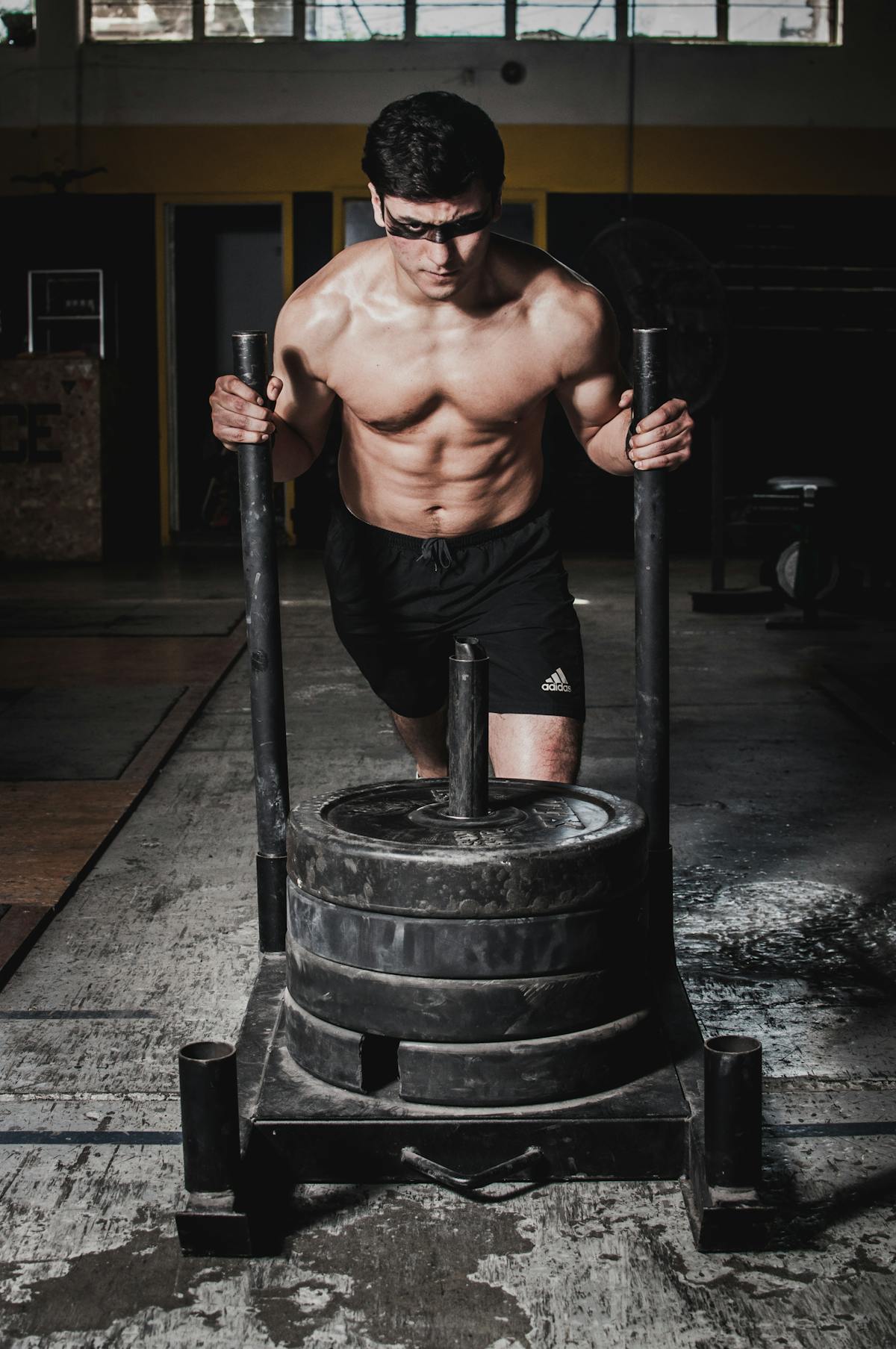
On social media, especially TikTok, YouTube, and in podcast sponsorships, you’ll see creators pairing these drinks with GLP‑1 medications, intermittent fasting, or intense gym routines as a way to “hack” protein and energy on busy days.
4 Main Types of Functional Beverages for Weight & Energy
1. Protein Coffees (“Proffee”)
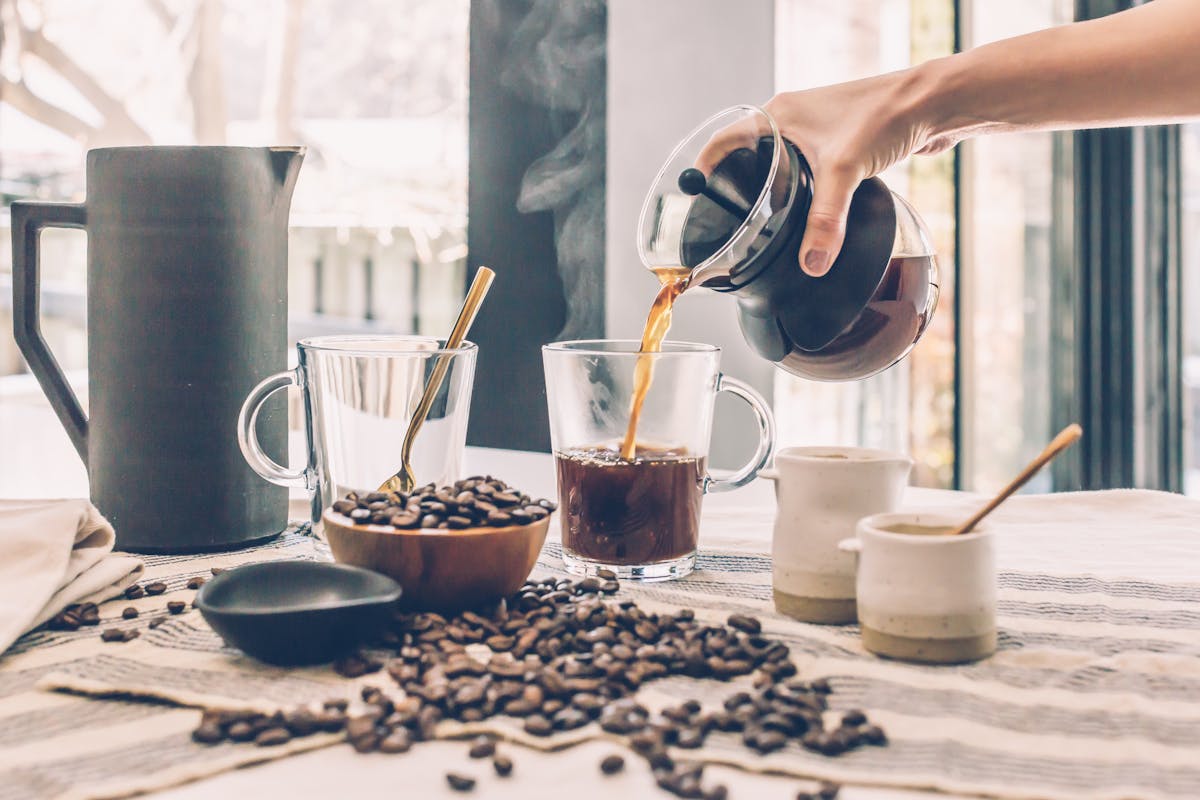
Proffee is exactly what it sounds like: coffee plus protein. Imagine the aroma of fresh espresso, the slight bitterness of coffee, and a creamy, milkshake‑like texture from added protein—served over ice or steamed into a latte. It’s designed to deliver caffeine and roughly 20–30 g of protein in one cup, often standing in for breakfast on the go.
Common formats include:
- Brewed coffee mixed with a ready‑to‑drink protein shake.
- Espresso blended with whey or plant protein powder and milk.
- High‑protein milk steamed into a hot latte.
- Iced proffee with sugar‑free syrups or blended into a frappé.
2. Ready‑to‑Drink Protein Shakes & Smoothies
These are the slim cartons and bottles you see lining supermarket shelves, marketed for post‑workout recovery, meal replacement, or weight management. They usually offer 20–40 g of protein with minimal sugar and may include added vitamins, minerals, or fiber.
- Who uses them? Gym‑goers, busy professionals, students, and many GLP‑1 medication users who struggle with appetite.
- Texture & taste: Ranges from thick and milkshake‑like to lighter and more drinkable; flavors include chocolate, vanilla, coffee, and fruit.
- Use cases: Quick breakfast, post‑workout shake, or a protein “anchor” alongside fruit, nuts, or a salad.

3. Low‑ or Zero‑Sugar Energy & Focus Drinks
These drinks deliver caffeine plus extras like B vitamins, taurine, L‑theanine, electrolytes, or nootropics. They’re pitched as fuel for workouts, productivity, or gaming—often with neon colors and bold flavors, but very little sugar or calories.
What to look for:
- Caffeine dose: Many range from 80 mg (about one coffee) to 300 mg (more like three). More isn’t always better, especially for sleep and anxiety.
- Sweeteners: Most rely on non‑nutritive sweeteners to stay low‑calorie. Current evidence hasn’t confirmed the more extreme fears around them, but some people prefer to limit intake.
- Timing: Enjoy early in the day; heavy caffeine intake in the afternoon or evening can disrupt sleep—and poor sleep itself can undermine weight and appetite regulation.

4. Electrolyte & Hydration Drinks With a “Health Halo”
These powders and ready‑to‑drink bottles promise “better hydration” with fewer sugars than traditional sports drinks. They often blend sodium, potassium, and sometimes magnesium, and are stirred into water or sipped during long workouts, hot days, or travel.
- Great for: Sweaty workouts, endurance training, saunas, or recovering from illness.
- Weight‑conscious angle: Lower sugar means fewer calories than classic sports drinks, but they still shouldn’t replace regular water for everyday sipping.
- Flavor profile: Lightly salty‑sweet, fruit‑forward flavors that make drinking water more appealing.

Nutrition Benefits: How These Drinks Can Help
Used intentionally, high‑protein, low‑sugar functional beverages can absolutely support your weight and energy goals. Think of them as helpful sidekicks—not the main character—of your eating pattern.
- Higher protein intake: Hitting 20–30 g of protein per meal is easier when you can sip some of it. This supports muscle maintenance, especially during weight loss or with aging.
- Better appetite control: Protein tends to be more satiating than pure carbohydrates or fat, which may help reduce mindless snacking between meals.
- Lower sugar swaps: Replacing sugary sodas and juices with low‑ or zero‑sugar options cuts calories without sacrificing flavor.
- Workout support: A post‑training protein shake or recovery drink can help repair muscles and restore hydration more conveniently than preparing a full meal immediately.
The sweet spot is using functional beverages to fill gaps—like rushed mornings or post‑gym windows—while still building most of your diet around whole, fiber‑rich foods.
Caveats: What Dietitians Want You to Watch For
Not all functional drinks are created equal, and more isn’t always better. Evidence‑based nutrition creators frequently highlight a few key concerns.
- High caffeine loads
Some energy and focus drinks pack 200–300 mg of caffeine per can. That can spike heart rate, worsen anxiety, and disrupt sleep, especially if you’re also drinking coffee or tea. - Over‑reliance on liquid calories
Blending or drinking calories doesn’t trigger the same chewing‑related satiety signals as eating whole foods, which may leave you less satisfied and more prone to snack later. - Non‑nutritive sweeteners
These sweeteners keep drinks low‑calorie. Current research doesn’t strongly support dramatic claims that they “wreck metabolism,” but individual tolerance varies, and some people prefer to moderate intake for digestive or taste reasons. - Nutrient displacement
If shakes and drinks consistently replace meals, you can miss out on fiber, phytonutrients, and a diverse micronutrient profile from fruits, vegetables, legumes, and whole grains.
DIY Functional Drinks: A Simple High‑Protein Iced Coffee
One of the joys of this trend is how easy it is to recreate at home—often with better ingredients, more protein, and a flavor perfectly tuned to your taste buds. Here’s a simple, flexible high‑protein iced coffee you can tweak for dairy‑free, low‑sugar, or different flavor profiles.
Quick Recipe Summary
Prep Time: 5 minutes
Cook Time: 0 minutes
Total Time: 5 minutes
Servings: 1 large drink
Difficulty: Easy
Ingredients
- 150–200 ml (about 2/3–3/4 cup) strong chilled coffee or 1–2 shots chilled espresso
- 1 single‑serve ready‑to‑drink protein shake (about 250 ml / 8–9 fl oz) or 1 scoop (25–30 g) protein powder
- 120–180 ml (1/2–3/4 cup) milk or fortified plant milk (dairy, soy, or pea milk give the most protein)
- Ice cubes (enough to fill a large glass)
- Optional: 1–2 teaspoons sugar‑free flavored syrup or 1–2 teaspoons maple syrup/honey
- Optional: pinch of cinnamon or cocoa powder for garnish
Equipment
- Tall glass or insulated tumbler
- Spoon or handheld frother
- Blender (optional, for a frappé‑style version)
Step‑by‑Step Instructions
- Chill the coffee.
Brew your coffee or espresso in advance and let it cool. For a smoother flavor, store it in the fridge so it’s nice and cold before you start. - Fill your glass with ice.
Add enough ice to almost fill a tall glass. This keeps the drink frosty and slightly dilutes the coffee for a smoother sip. - Combine protein and milk.
In a separate cup or shaker, mix your ready‑to‑drink protein shake or protein powder with milk until smooth. A handheld frother or shaker bottle helps avoid clumps. - Add coffee and flavor.
Pour the chilled coffee over the ice, then stir in your protein‑milk mixture. Taste and add sweetener or flavored syrup if desired. - Finish and enjoy.
Top with a pinch of cinnamon or cocoa powder, give it a final stir, and sip slowly. You should get a creamy, slightly sweet coffee with a satisfying protein boost.
Variations & Dietary Adaptations
- Dairy‑free / vegan: Use soy, pea, or oat‑based protein and plant milk; check labels for complete protein.
- Lower caffeine: Use half decaf, or reduce to 1 espresso shot. You still get protein and flavor without jitters.
- Frappé‑style: Blend coffee, protein, milk, ice, and flavorings until thick and frosty.
- Higher protein: Use both high‑protein milk and a high‑protein shake or full scoop of powder for 30–40 g protein.
Storage, Meal Prep & Reheating Guidelines
Functional beverages are built for convenience, and a little planning makes them even easier to work into your routine.
- Homemade proffee: You can mix a batch (without ice) and store it in the fridge for up to 24 hours. Shake well before pouring over fresh ice.
- Protein shakes: Pre‑mixed shakes (powder + liquid) generally keep in the fridge for up to 24 hours, though texture may thicken slightly. Ready‑to‑drink cartons last longer unopened—always check labels.
- Energy drinks: Store in a cool, dark place and chill before drinking. Limit to earlier in the day to protect sleep.
- Electrolyte powders: Keep sachets dry and mix with cold water just before drinking for the best taste and carbonation (if effervescent).
There’s no “reheating” for most of these, but if you make a hot protein coffee, warm it gently over low heat and avoid boiling—high heat can affect some proteins’ texture and flavor.
How to Fit Functional Drinks Into a Balanced Day
The most sustainable way to enjoy high‑protein, low‑sugar drinks is to treat them as supportive companions to real meals—not replacements for every plate.
- Better breakfast: Pair proffee with a piece of fruit and a handful of nuts for fiber and healthy fats.
- Smart snack: Use a small protein shake between meals on high‑activity days instead of a pastry or candy bar.
- Post‑workout: Combine a protein shake with a banana or whole‑grain toast to refuel carbs and protein together.
- Hydration habits: Make water your default, and use electrolyte drinks for long, sweaty sessions or hot weather.
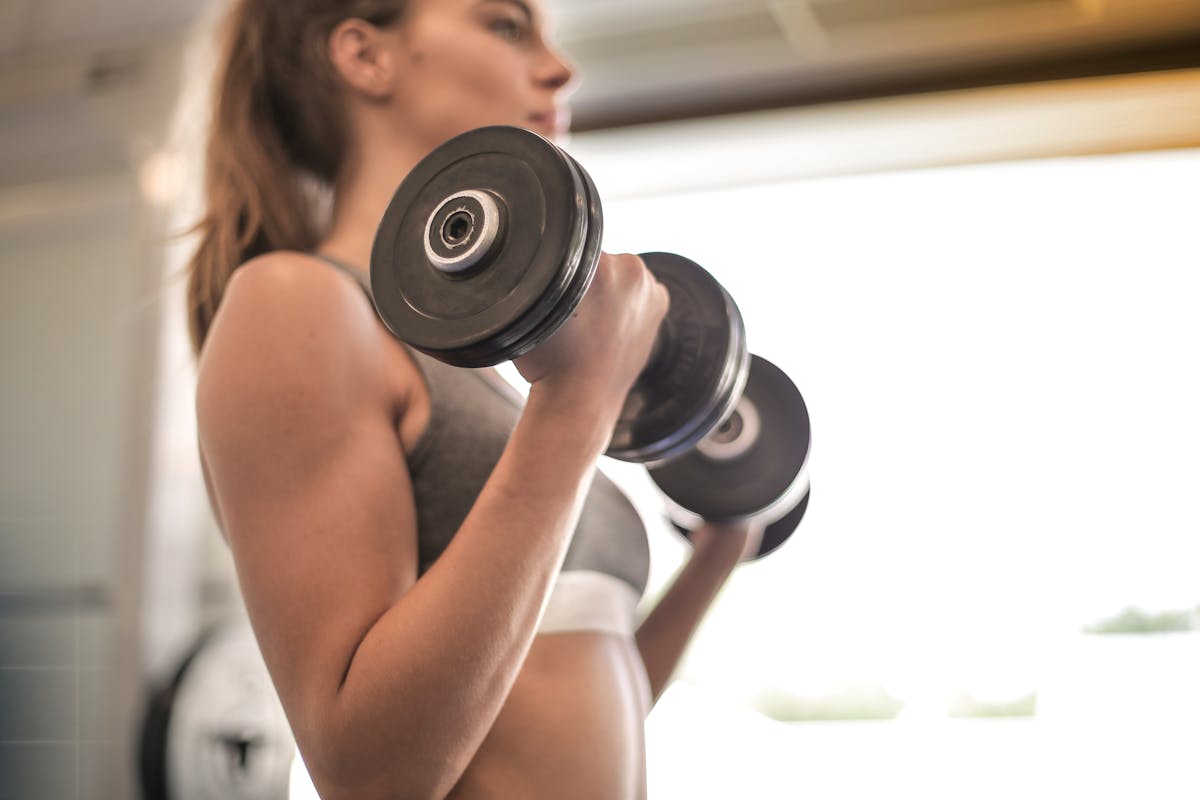
With a bit of label‑reading and some simple homemade recipes, you can enjoy the best parts of the functional beverage trend—high protein, low sugar, real convenience—while still centering your diet on colorful, satisfying whole foods.
