
Shia LaBeouf Faces New NOPD Warrant After Alleged Mardi Gras Bar Incident in New Orleans
New Orleans police have reportedly issued a new warrant for actor Shia LaBeouf in connection with an alleged battery at a Marigny bar during Mardi Gras, a case that blends celebrity scrutiny with the city’s uniquely intense festival culture. This article breaks down what’s known so far, how it fits into LaBeouf’s turbulent public history, and why incidents like this resonate beyond simple tabloid drama.
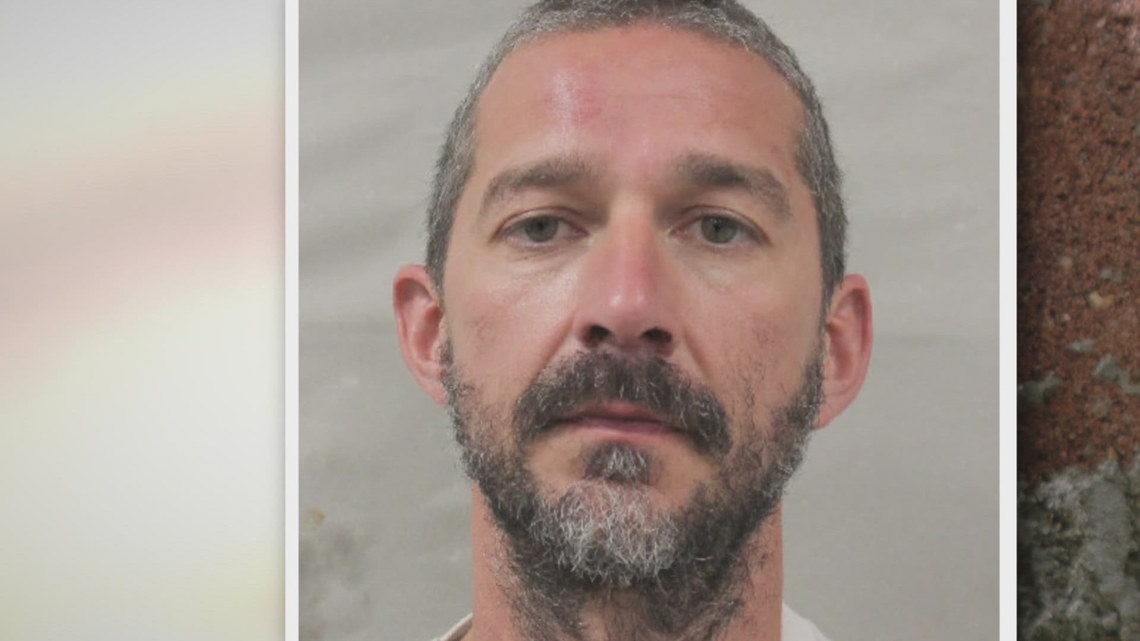
What We Know About the New NOPD Warrant
According to reporting from WWLTV, New Orleans Police Department sources say a new warrant has been issued for Shia LaBeouf in connection with an alleged battery that occurred early on Mardi Gras morning in the Marigny, a neighborhood just downriver from the French Quarter known for its bars, live music, and a more local-centric Carnival scene.
At the time of writing, publicly available information indicates:
- The incident reportedly took place inside or near a Marigny bar.
- The allegation centers on a supposed physical altercation classified as a battery.
- The warrant indicates law enforcement’s intent to bring LaBeouf in for further legal processing, though it does not itself equal a conviction.
Details such as full witness accounts, any available footage, and LaBeouf’s legal response may still evolve as official documents and statements are released. As with any developing case, all parties are legally presumed innocent until proven guilty in court.
Mardi Gras, the Marigny, and Why Context Matters
Mardi Gras in New Orleans is a high-intensity environment: parades, packed sidewalks, late-night bars, and a level of crowd density that would make most major festivals blush. The Marigny sits at a cultural crossroads—less touristy than Bourbon Street, more bohemian and neighborhood-driven, with its own bar culture and music scene.
Alleged bar fights or confrontations during Carnival season aren’t exactly rare, but they rarely involve a globally recognizable actor. When they do, local police procedures collide with international tabloid interest, and the story can quickly shift from “routine incident report” to “viral headline.”

Shia LaBeouf’s Career: From Blockbuster Lead to Perpetual Headline
LaBeouf’s public life has long been a balancing act between acclaimed performances and personal turbulence. From his Disney Channel days on Even Stevens to megafranchises like Transformers and prestige-leaning projects such as Honey Boy and American Honey, he’s consistently drawn attention both for his work and his off-screen behavior.
- Breakthrough: Even Stevens and Holes established him as a charismatic young lead.
- Blockbuster era: Major roles in Transformers and Indiana Jones and the Kingdom of the Crystal Skull.
- Indie credibility: Critically praised turns in Fury, American Honey, and Honey Boy.
- Recent years: A mix of theatrical films, streaming projects, and ongoing legal and personal controversies.
“I’ve got to look at my failures in the face and own them.” — Shia LaBeouf, reflecting on his public missteps in past interviews
Incidents like the reported New Orleans altercation don’t exist in a vacuum; they attach themselves to an already crowded narrative of volatility, apology, reinvention, and relapse that has effectively become part of LaBeouf’s public brand.
Celebrity Legal Trouble and the Modern Media Cycle
The moment a recognizable name is added to a police document, the story often stops being about the alleged victim, the bar, or the neighborhood, and starts being about “the comeback arc” or “the downfall.” With LaBeouf, there’s an established narrative of conflict, contrition, and attempted redemption that makes any new allegation feel like another chapter in an ongoing serial.
At the same time, there’s a responsibility in how these stories are covered:
- Avoid pre-judgment: A warrant signals an investigation, not a verdict.
- Center facts, not speculation: Especially in fast-moving festival environments.
- Recognize patterns without exaggeration: Prior incidents inform context but cannot substitute for evidence in any individual case.
New Orleans Nightlife, Safety, and Celebrity Encounters
For locals, the Marigny is more than a headline backdrop; it’s a living, breathing neighborhood with a long tradition of music, LGBTQ+ spaces, and late-night bars. Most Mardi Gras nights end with nothing more dramatic than a hoarse voice and some glitter that refuses to come off in the shower.
When celebrities drop into that environment, there’s an added layer:
- Smartphones turn any tense moment into potential viral footage.
- Out-of-town security and local bar staff may have different expectations and protocols.
- Fans can quickly shift from starstruck to frustrated if interactions go poorly.

Potential Impact on Shia LaBeouf’s Career
Even at the allegation stage, new legal trouble can have ripple effects in Hollywood. Casting decisions, insurance considerations, and public perception all factor into whether an actor is seen as “bankable.”
Some likely industry questions:
- Will producers hesitate to hire LaBeouf for projects with tight schedules or sensitive PR campaigns?
- Could ongoing or future legal matters delay shoots, reshoots, or press tours?
- Will audiences separate the artist from the allegations, or does each new incident make that separation harder?

Due Process, Public Curiosity, and What Comes Next
As of the latest reports, the story is still unfolding. A warrant is an early legal step; what follows could include surrender, hearings, potential charges, or negotiations. Any clear picture of what actually happened in that Marigny bar will likely emerge through official filings, statements from involved parties, and—if it goes that far—court proceedings.
For now, the most responsible stance is a two-track approach:
- Follow reliable sources such as local outlets like WWLTV and official NOPD statements.
- Resist the temptation to turn an alleged incident into a fully scripted morality play before the facts are confirmed.
Whether this becomes a footnote in LaBeouf’s already complex public record or a turning point—professionally or personally—will depend less on the headlines and more on what is proven, what is owned, and what is changed in the aftermath.
Closing Thoughts: Beyond the Tabloid Snapshot
The reported NOPD warrant for Shia LaBeouf is part legal story, part media event, and part reflection of how we consume celebrity narratives in 2026. It sits at the intersection of New Orleans’ Carnival chaos, Hollywood’s uneasy relationship with “problematic” stars, and a broader cultural obsession with redemption arcs.
As more information emerges, the real test will be whether the conversation can move beyond viral clips and hot takes toward something more grounded: What actually happened, who was affected, and what accountability and repair—if any—follow. Until then, the only honest answer is that this story is still very much in progress.
