Security Scare at Rihanna’s Home: What the Attempted Murder Charge Reveals About Celebrity Stalking in 2026
Rihanna Home Shooting: Attempted Murder Charge Raises Urgent Questions About Celebrity Security
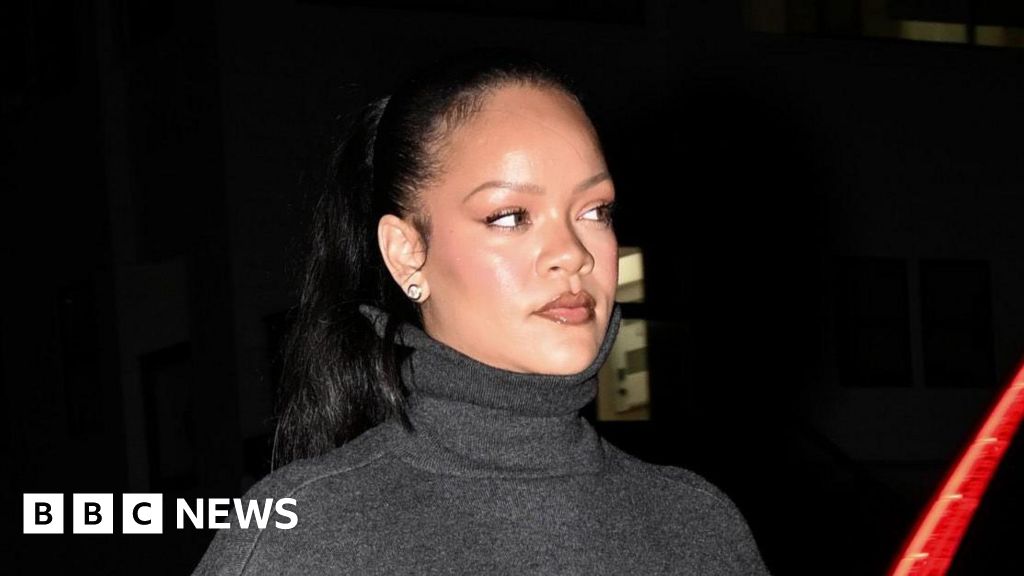
A 35-year-old woman from Orlando, Florida has been charged with attempted murder after allegedly firing shots outside Rihanna’s Los Angeles home, according to prosecutors and reporting by the BBC and its US partner CBS News. Investigators say the suspect had posted about the singer online before the attack, a detail that instantly connects this case to a broader, deeply modern problem: the collision of parasocial fandom, social media, and real-world violence.
Rihanna, one of the most influential figures in pop culture and founder of the Fenty brand empire, has dealt with intense public scrutiny for nearly two decades. This latest incident is a stark reminder that the dangers facing high-profile artists go well beyond paparazzi and aggressive autograph hunters—and that the entertainment industry is still struggling to keep pace.
What We Know So Far About the Rihanna Home Shooting
As of March 2026, details remain limited and are still emerging through official statements. Prosecutors have confirmed that the Orlando woman is facing an attempted murder charge after a shooting outside Rihanna’s residence. Early reports indicate that multiple shots were fired, though as of the latest updates, there have been no widely reported injuries linked directly to Rihanna or her family.
According to BBC News coverage, which cites US partner CBS, the suspect had posted about Rihanna online prior to the incident. Authorities are reportedly reviewing those posts as potential evidence of motive or premeditation. The specifics of the content—whether it was delusional, threatening, or framed as obsessive “support”—have not been fully disclosed to the public.
At this stage, Rihanna’s representatives have typically responded in such cases with a short, carefully worded statement prioritizing safety and privacy. While an extensive public comment from Rihanna herself has not yet circulated through major outlets, it’s standard in situations like this for her team to coordinate closely with law enforcement and tighten private security in the short term.

“When you’re a global star, your home stops being a sanctuary and becomes another public interface people want to access—sometimes at any cost.”
— Anonymous security consultant quoted in industry reports on celebrity protection
Rihanna, Fame, and the Long Shadow of Celebrity Obsession
Rihanna isn’t just a pop star; she’s an entertainment ecosystem. Since her mid-2000s breakout, she’s evolved from chart-topping singer to fashion and beauty mogul, Super Bowl halftime headliner, and cultural fixture. That level of omnipresence tends to blur lines for certain fans who start to treat public personas as personal relationships.
The industry term for this is a parasocial relationship—a one-sided emotional connection where the fan feels they “know” the celebrity, even as the star has no idea they exist. In most cases, it’s harmless: streaming the music, buying the Fenty drops, posting stan memes on X or TikTok. But occasionally, that attachment metastasizes into fixation, entitlement, and in extreme cases, threats or violence.
Rihanna’s empire puts her at the intersection of several intense fandoms: pop, R&B, beauty, lingerie, and even the entrepreneurial hustle culture that idolizes her as a billionaire business icon. Each of those spheres encourages closeness via social media and marketing, but none can fully account for the relatively small number of fans who cross into dangerous behavior.

From Social Media Posts to Court Evidence: The Digital Trail
One of the most chilling details reported so far is that the suspect allegedly posted about Rihanna online before the attack. That’s increasingly typical in high-profile crime cases: social media becomes both the stage and the archive, where threats, fantasies, and grievances are documented for followers—and, later, for prosecutors.
For law enforcement, digital footprints can be crucial. Investigators can examine timestamps, patterns of posting, and interactions with fan communities to build a timeline and assess intent. Were the posts delusionally affectionate? Overtly threatening? Fixated on Rihanna’s personal life? Each flavor of content can shape how prosecutors argue premeditation in an attempted murder case.
For the broader culture, it raises uncomfortable questions about platforms that both cultivate fan intimacy and struggle to effectively flag escalating, harmful behavior. Moderation tools have improved, but they still tend to act after the fact—once threats have already solidified into action.
“The parasocial relationship is the new front line of celebrity safety. Threats don’t start at the gate—they start in the timeline.”
— Media scholar commenting on online fandom and security
How the Entertainment Industry Is Responding to Rising Security Threats
Incidents like the alleged shooting at Rihanna’s home don’t just affect one artist; they ripple across the entire entertainment industry. High-profile managers, labels, and production companies pay close attention whenever a boundary is violently crossed, because it exposes systemic vulnerabilities—from home addresses leaking online to underfunded security at private residences.
In the last decade, the standard security package for major stars has expanded dramatically. It’s no longer just bodyguards and alarm systems. Many A-list artists now use:
- Threat assessment teams that monitor online mentions flagged as high risk.
- Residential fortification including advanced surveillance, gated perimeters, and panic rooms.
- Coordinated travel protocols to minimize predictable patterns and public exposure.
- Legal tools like restraining orders and, in some jurisdictions, anti-stalking statutes tailored to public figures.
Rihanna, as a billionaire artist and CEO, likely already operates within one of the more sophisticated security ecosystems in the music world. But even elite protection systems can’t neutralize every risk—particularly when the threat arrives not at a public event but at a supposedly private, secure address.

The Attempted Murder Charge: What It Signals Legally
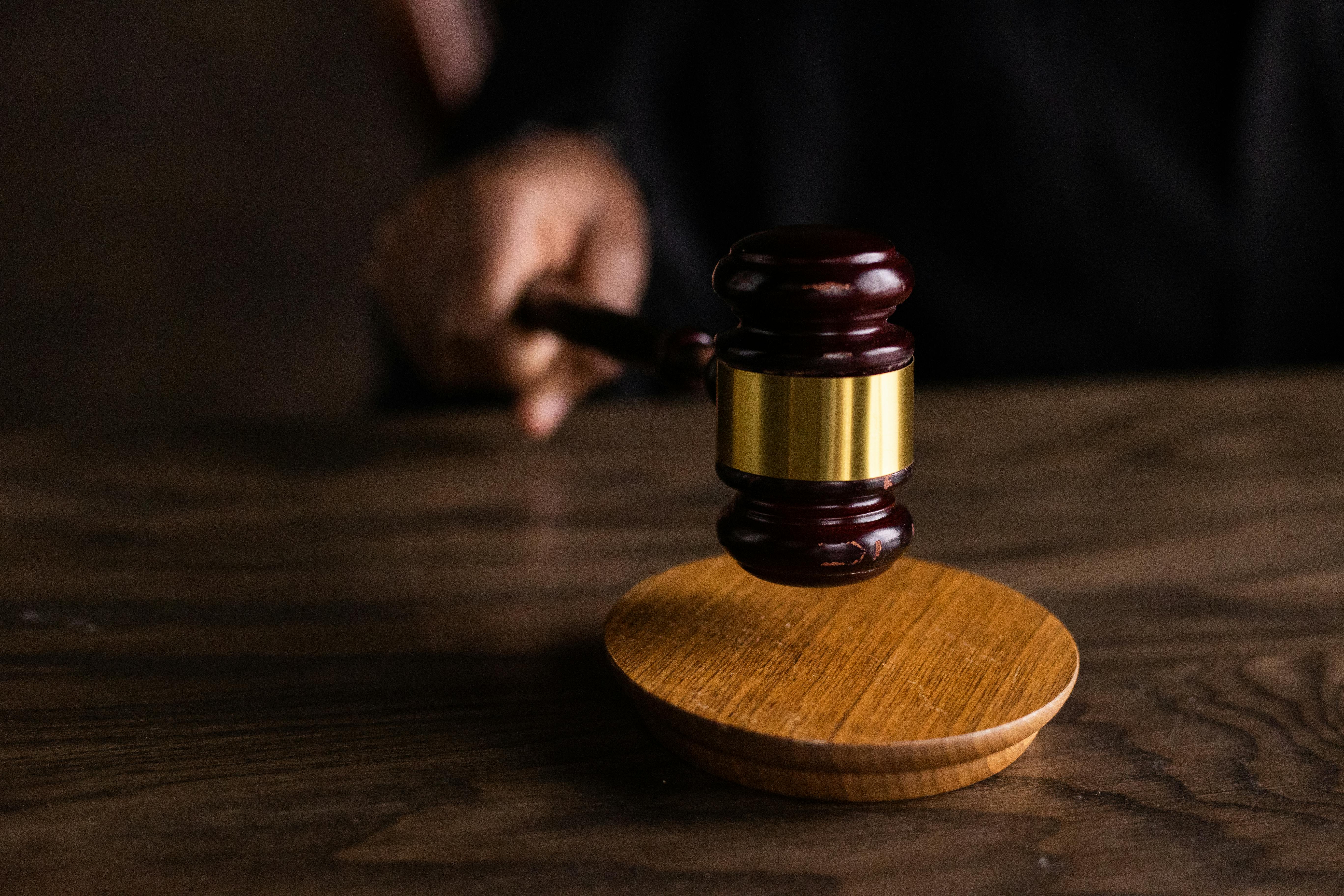
The decision to charge the suspect with attempted murder marks this case as one that prosecutors consider especially serious. Attempted murder generally requires evidence that the accused not only engaged in dangerous behavior but also had intent to kill. The reported gunfire outside Rihanna’s home, combined with any digital evidence and prior conduct, will be central to the prosecution’s narrative.
Because Rihanna is a public figure, some might assume the legal system automatically treats threats to her more harshly. In reality, the bar for an attempted murder charge is high in any case. What often shifts in celebrity situations is the intensity of the investigation and the resources devoted to building a case, given the public visibility and potential precedent involved.
It’s also likely that defense attorneys will scrutinize the suspect’s mental health, social media history, and any connection—or lack thereof—to Rihanna’s real-world movements. Courts increasingly have to navigate cases where the line between online fantasy and offline action is thin and contested.
- Key legal questions likely to surface:
- What do the suspect’s posts reveal about motive and planning?
- Were there previous warnings, threats, or police contacts?
- How close did the alleged attack come to harming anyone at the property?
- What role should mental health assessment play in sentencing, if convicted?
Media Coverage, Public Reaction, and the Ethics of Reporting
When a story involves a global superstar like Rihanna, the media coverage can easily tilt into spectacle. Tabloids might fixate on property details or sensationalize unverified information, while stan communities dissect every scrap of news for clues about her safety and next moves. That attention can sometimes overshadow the gravity of the alleged crime itself.
More responsible outlets, including the BBC and major US networks, generally frame such incidents around verified facts: the charges, law enforcement statements, and any on-the-record comments from representatives. Avoiding the suspect’s online handle or glamorizing the crime is increasingly seen as best practice, both ethically and from a public safety standpoint.
For fans, the immediate response often blends concern and frustration: concern for Rihanna and her family, and frustration at how fame seems to entail a non-stop erosion of privacy and safety. Many will also draw comparisons to other artists who’ve openly discussed stalkers and boundary violations, reinforcing a sense that the problem is structural, not isolated.
What This Case Highlights — and Where the System Still Falls Short
Even with limited official detail so far, the alleged attempted murder at Rihanna’s home already underlines both strengths and weaknesses in how society protects public figures.
- Strengths: Investigators appear to be rapidly incorporating digital evidence and treating the incident with the seriousness it warrants. Prompt, clear charges can send a message that violence around celebrity homes is not a “prank” or “overzealous fandom” but a prosecutable crime.
- Weaknesses: The case still seems reactive. Social media posts reportedly existed before the attack, and yet, as is common, intervention appears to have come only after shots were fired. That raises ongoing questions about platform responsibility, law enforcement tools for proactive threat assessment, and what options celebrities have before someone shows up at the gate.
The reality is that no system can fully predict or prevent every violent act, especially in a country saturated with both firearms and celebrity culture. But each high-profile case becomes a test of whether existing protections, from anti-stalking laws to security infrastructure, are evolving quickly enough.
What Comes Next for Rihanna, Fans, and the Conversation Around Safety
In the short term, Rihanna’s priority will understandably be safety and stability for herself and her family. Her day-to-day routine may shift, security around her properties will likely tighten even further, and any public reappearance—whether a performance, red carpet, or brand launch—will be read through the lens of this incident.
For the rest of us, this is one more reason to rethink how we talk about, track, and consume celebrity lives. The line between being an engaged fan and an intrusive presence can be thinner than it looks, especially in a digital culture that encourages constant access. Even harmless-seeming online behavior exists within that larger ecosystem.
As more information about the attempted murder charge and court proceedings emerges, the conversation is likely to broaden—from “Is Rihanna okay?” to “What does this say about how we treat famous people as public property?” If there’s any hopeful angle, it’s that each of these painful episodes adds pressure on platforms, lawmakers, and the entertainment industry to build systems that don’t wait for gunshots before taking fandom’s darkest edges seriously.