
Savannah Guthrie Speaks Out on Her Mother’s Disappearance: Inside the Agony and the Search
Savannah Guthrie on Her Missing Mother: Agony, Hope, and a Very Public Search
Savannah Guthrie has broken her silence in her first interview since her mother’s disappearance from her Arizona home, describing the family’s ongoing search and emotional “agony” more than seven weeks later. As one of the most recognizable faces on NBC’s “TODAY,” Guthrie is now navigating something deeply personal in a very public space — turning a family crisis into a national missing-persons story.
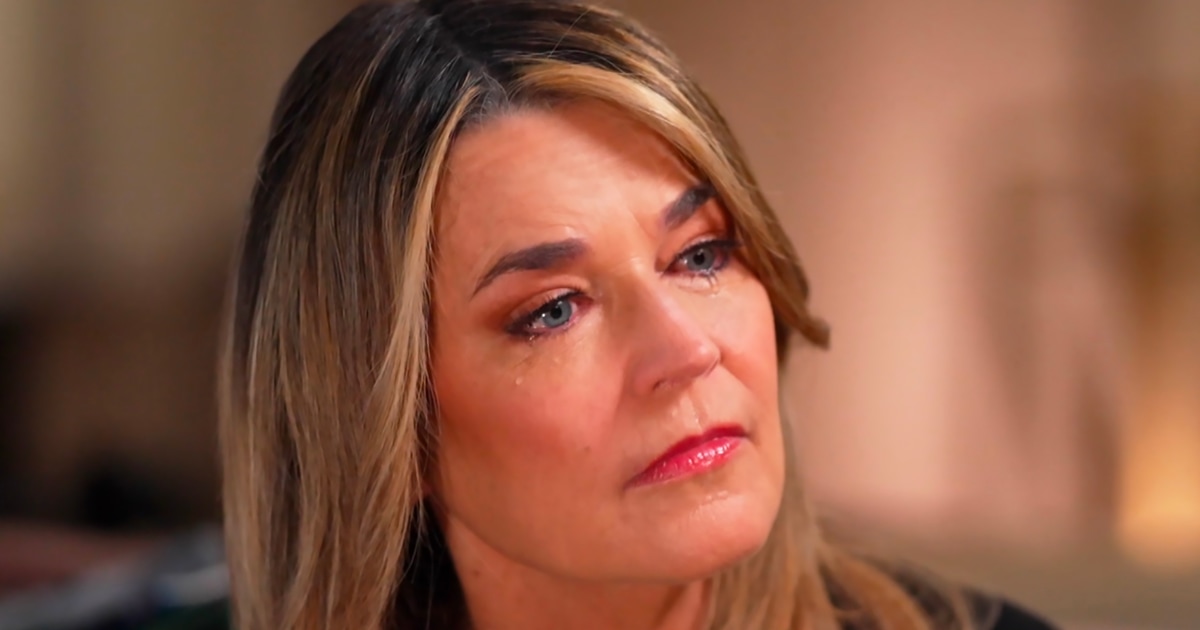
The story sits at the crossroads of celebrity culture, true-crime fascination, and the very real terror families face when a loved one simply vanishes. It’s news, but it’s also painfully human.
What Happened: The Disappearance in Arizona
According to Guthrie’s account and NBC News reporting, her mother disappeared from her home in Arizona more than seven weeks ago. The details publicly shared so far are measured — likely by design. Authorities are involved, search efforts are ongoing, and Guthrie has carefully balanced transparency with the need to protect both the investigation and her family’s privacy.
In her first interview addressing the situation, Guthrie described the experience less like a news anchor and more like any daughter trying to make sense of a nightmare that won’t end. The language she uses — “in agony,” “searching,” “not giving up” — echoes what many families of missing persons say, but with an added layer of visibility because of who she is.
For now, the central facts are heartbreakingly simple: Guthrie’s mother is missing, time is passing, and the family is asking for help while holding on to hope.
“In Agony”: Savannah Guthrie on Living the Story, Not Just Covering It
“Our family is in agony. We are searching, we are praying, and we’re asking anyone who might know anything to please come forward.”
Guthrie’s words land differently because viewers are used to seeing her on the other side of the story. Morning television thrives on intimacy — parasocial, but still powerful. Audiences feel like they “know” anchors, and that familiarity shapes how this disappearance is being received.
Over the past decade, Guthrie has become a central figure in American morning TV culture, leading coverage of everything from elections to royal weddings to pandemic updates. Now that emotional fluency is pointed inward, as she articulates what so many families of missing loved ones struggle to voice: the clash of hope and dread, and the surreal gap between everyday life and the unthinkable.
This isn’t a polished true-crime special with carefully structured acts; it’s a story still unfolding in real time, with an outcome no one knows yet — least of all Guthrie herself.
When the Anchor Becomes the Story: Media, Privacy, and Public Grief
Television history has seen anchors crack on camera before — from Peter Jennings covering national tragedy, to Robin Roberts bringing her cancer battle to “Good Morning America.” Guthrie’s situation fits into that lineage of broadcasters whose personal lives suddenly intersect with their professional platforms.
Yet a missing-persons case adds a layer of ethical complexity. Networks have to balance:
- the need to share accurate, timely information that could help the search,
- respect for an ongoing investigation,
- the family’s right to privacy, and
- the audience’s hunger for details in an era shaped by true-crime podcasts and docuseries.
NBC’s coverage so far has been relatively restrained, framing the situation through Guthrie’s own words rather than sensationalizing the case. That’s notable in a media environment where personal tragedy can easily drift into content.
The Cultural Context: True Crime, Empathy, and the Limits of Curiosity
We’re living in a true-crime saturated era. From Netflix limited series to TikTok sleuthing, missing-persons stories are often processed as content before they’re processed as real human emergencies. Cases involving recognizable names, or connected to media figures, can accelerate that effect.
Guthrie’s situation invites a quieter, more responsible response. The case doesn’t need amateur detectives dissecting every public detail on social media; it needs useful tips, signal-boosted information, and space for the family to breathe. In that sense, the story becomes a kind of stress test for how audiences handle real-time tragedy in an age of constant commentary.
At its best, the attention can:
- expand awareness of ongoing searches,
- encourage viewers to pay attention to local missing-person bulletins, and
- remind audiences that behind every headline is a family in limbo.
At its worst, it can turn grief into speculation and suffering into storyline. So far, Guthrie’s own framing — clear, heartfelt, but not lurid — has helped keep the tone closer to empathy than voyeurism.
Visual Coverage: How “TODAY” and NBC Are Framing the Story
Visuals are powerful in television news, but they’re also emotionally loaded in a case like this. So far, NBC and “TODAY” have largely focused on respectful, straightforward imagery: studio shots of Guthrie, official photos, and calm on-air segments rather than highly produced packages.


The restraint matters. When an anchor is personally involved, the risk of unintentional emotional exploitation rises. By keeping the visuals grounded and the language careful, NBC seems intent on centering the family’s plea rather than the spectacle of their pain.
The Human Core: Family, Faith, and Holding On
Beyond media dynamics and cultural context, this is fundamentally a story about a family trying to hold itself together. Guthrie has long been open about her Christian faith and her attachment to her family; both elements now inform how she speaks about the search and about hope.
Her public comments carry a mix of realism and refusal to surrender. She acknowledges the “agony” without slipping into resignation, a tonal balance that many families of missing persons will recognize: hope as both emotional anchor and sheer act of will.

Viewers who have watched Guthrie host holiday specials and light-hearted celebrity interviews are now seeing her in a radically different frame — not as the mediator of other people’s stories, but as someone desperate for her own family’s story to end with safe return.
How the Public Can Respond Responsibly
When a case like this surfaces, there’s a natural impulse to do something. But not all attention is helpful. A responsible public response typically looks like:
- Sharing only verified information from NBC, “TODAY,” or law enforcement.
- Contacting the listed authorities if you have any relevant information, rather than posting unverified claims online.
- Avoiding speculation about motives or unconfirmed timelines.
- Respecting the family’s boundaries around what they choose not to share.

It’s a small but meaningful shift: treating the story less as a puzzle to solve and more as a family to support — even from a distance.
Inside the Industry: Anchors, Vulnerability, and Audience Trust
From an industry perspective, Guthrie’s openness may actually deepen the trust she has with audiences. Viewers tend to respond to anchors who acknowledge their own humanity, especially in times of crisis. It complicates the old-school notion of the perfectly composed, distant newsreader and leans into a more modern, emotionally present style of broadcasting.
That said, networks have to be careful not to over-program that vulnerability. There’s a difference between giving Guthrie space to speak about her mother and turning every update into a recurring “segment.” So far, NBC appears to be treating this as a serious, evolving news story — one in which their own anchor happens to be a central figure — rather than as a branded narrative arc.
Looking Ahead: An Unfinished Story, and a Hopeful Ending
As of now, Savannah Guthrie’s mother is still missing, the search is ongoing, and the family’s agony is very real. This is not a closed narrative with a clear third act; it’s a live situation that could turn, suddenly, toward relief or toward something much harder.
In the meantime, Guthrie’s decision to speak out — measured, vulnerable, and focused on the search rather than on spectacle — offers a kind of template for how public figures can invite help without surrendering their grief to the content machine. It also asks something of us as viewers: to stay compassionate, to resist turning real fear into entertainment, and to remember that behind the familiar face on our screens is a daughter who just wants her mom home.
Anyone seeking verified updates should follow NBC News, the “TODAY” show, and local Arizona law enforcement channels — and continue to keep the family, and all families searching for missing loved ones, in mind.
