
Ride the Gut Health Wave: Fermented Foods, Fiber & Microbiome‑Loving Meals
The Gut Health Wave: Fermented Foods, Fiber & the Microbiome Diet
Across TikTok, Instagram, and kitchen tables everywhere, one question keeps bubbling up like a jar of homemade kimchi: Is this good for my microbiome?
The gut health wave has transformed how we talk about food—moving beyond calories and macros toward a deeper curiosity about fermented foods, fiber, and how what we eat shapes digestion, mood, immunity, and even skin.
Below you’ll find a warm, practical guide to understanding the gut health trend, plus a cozy, microbiome‑friendly recipe: a Gut‑Loving Miso & Kimchi Grain Bowl packed with fermented foods, prebiotic fiber, and colorful plants. It’s designed for real life: weeknight friendly, highly customizable, and deeply satisfying.
Why Gut Health Is Suddenly Everywhere
Search data, podcast line‑ups, and social feeds all point to the same thing: gut health is one of the most powerful lenses for modern nutrition. Influencers share what I eat in a day for gut health
videos featuring warm lemon water, overnight oats with chia and flax, fiber‑rich smoothies, and jewel‑bright jars of fermented vegetables. Hashtags related to bloating, gut health, and microbiome diets have accumulated hundreds of millions of views.
Behind the aesthetics—thick kefir poured in slow motion, artfully swirled yogurt bowls—there’s a genuine shift in thinking: people are connecting what happens in their gut with how they feel in their brain, skin, and energy levels. That’s led to more curiosity about fermented foods, prebiotic fiber, and reducing ultra‑processed foods.
- Bloating & IBS are discussed openly, no longer a taboo topic.
- Mood & anxiety are tied to the gut–brain axis in popular content.
- Skin health (acne, rosacea) is often linked to gut balance in wellness conversations.
Instead of: “How many calories are in this?” Many people now ask: “How will this feed my microbes?”
Core Gut Health Principles: More Plants, More Ferments, Less Ultra‑Processed
Despite all the hype, the foundational ideas behind the microbiome diet trend are surprisingly down‑to‑earth. Most gut‑focused doctors and dietitians emphasize gradual, sustainable changes rather than quick fixes or extreme detoxes.
1. Diversity of Plant Foods
One of the most consistent findings in microbiome research is that a diverse plant‑rich diet supports a more diverse community of gut microbes. Many experts encourage aiming for 20–30 different plant foods per week:
- Fruits & vegetables (fresh, frozen, or canned in water)
- Whole grains (oats, brown rice, quinoa, barley, buckwheat)
- Legumes (beans, lentils, chickpeas, peas)
- Nuts & seeds (almonds, walnuts, chia, flax, pumpkin seeds)
- Herbs & spices (parsley, basil, cumin, turmeric, ginger)
2. Fermented Foods
Fermented foods introduce living microbes and bioactive compounds that may support gut and immune health. Popular options include:
- Yogurt with live and active cultures
- Kefir, a tangy drinkable yogurt
- Kimchi and sauerkraut (raw, unpasteurized for live cultures)
- Miso (fermented soybean paste)
- Tempeh (fermented soybeans with a firm, nutty texture)
Think of these as flavor amplifiers that also happen to carry beneficial microbes: a spoonful of kimchi on your grain bowl, a miso swirl in soup, or kefir blended into a morning smoothie.
3. Prebiotic Fiber
If probiotics are the guests, prebiotics are the menu. Prebiotic fibers are special carbohydrates that humans don’t digest well—but our microbes adore them. They show up naturally in:
- Onions, garlic, leeks, and shallots
- Asparagus, artichokes, and Jerusalem artichokes
- Bananas (especially slightly underripe and still a bit green)
- Oats, barley, and other whole grains
- Beans, lentils, and chickpeas
- Chicory root and inulin‑fortified products
4. Fewer Ultra‑Processed Foods
While there’s room for convenience foods in most lifestyles, gut‑focused guidance consistently recommends minimizing ultra‑processed foods that are low in fiber and high in refined starches, sugars, and certain additives. The aim is not perfection, but gently shifting the baseline toward whole and minimally processed ingredients most of the time.
Sorting Science from Hype: Microbiome Diets, Detoxes & Supplements
As with any powerful health trend, gut health has attracted its share of questionable advice. On YouTube and podcasts, many gastroenterologists and registered dietitians now spend a good portion of their time gently debunking the no‑science bits while celebrating what’s genuinely helpful.
Common Messages from Evidence‑Based Experts
- Individual responses vary. A food that soothes one person’s digestion can trigger another’s IBS symptoms.
- Extreme elimination diets can sometimes reduce microbial diversity if followed long term without medical need.
- Gut “detox” teas or cleanses are rarely necessary and may be harsh.
- Supplements (probiotic capsules, prebiotic powders, digestive enzymes) can be helpful in specific cases—but they are not magic bullets.
- A food‑first approach is typically encouraged: build a base of fiber‑rich, minimally processed foods, then personalize as needed.
Recipe: Gut‑Loving Miso & Kimchi Grain Bowl
This warm, colorful grain bowl layers tender whole grains, caramelized vegetables, crunchy seeds, and a bright miso‑tahini dressing, then crowns everything with a spoonful of tangy kimchi. It’s a microbiome‑friendly dinner that tastes like a hug: savory, slightly spicy, satisfyingly chewy, and full of plant diversity.
Prep time:
Cook time:
Total time:
Servings: 2 generous bowls
Difficulty: Easy–moderate

Equipment
- Medium pot with lid (for grains)
- Large skillet or sauté pan
- Cutting board and sharp knife
- Small bowl and whisk (for dressing)
- Measuring cups and spoons
Ingredients
For the grain base
- 1 cup (180 g) cooked whole grain of choice (brown rice, quinoa, barley, or farro)
- 1 cup (240 ml) water or low‑sodium broth (adjust based on grain package directions)
- Pinch of sea salt
For the vegetables & toppings
- 1 tbsp (15 ml) extra‑virgin olive oil or avocado oil
- 1 small red onion, thinly sliced (prebiotic)
- 2 cloves garlic, minced (prebiotic)
- 1 cup (100 g) broccoli florets or broccolini, bite‑sized
- 1 small carrot, cut into matchsticks or thin rounds
- 1 cup (60 g) sliced cabbage or kale
- 1/2 cup (80 g) cooked chickpeas or other beans, rinsed and drained
- 1/2 cup (80 g) kimchi, roughly chopped (fermented)
- 2 tbsp (20 g) roasted pumpkin seeds or sunflower seeds
- 1 small handful fresh herbs (e.g., cilantro, parsley, or green onions), chopped
For the miso–tahini dressing
- 2 tbsp (30 g) tahini (sesame paste)
- 1 tbsp (15 g) white or yellow miso paste (fermented)
- 1 tbsp (15 ml) rice vinegar or apple cider vinegar
- 1–2 tsp (5–10 ml) tamari or low‑sodium soy sauce, to taste
- 1–2 tsp (5–10 ml) pure maple syrup or honey
- 2–3 tbsp (30–45 ml) warm water, to thin as needed
- Optional: 1 tsp grated fresh ginger or a pinch of chili flakes
Step‑by‑Step Instructions
Cook the grains. Rinse your chosen grain under cool water. In a medium pot, combine 1 cup grain with the appropriate amount of water or broth (follow package instructions) and a pinch of salt. Bring to a boil, then reduce heat to low, cover, and simmer until tender. Fluff with a fork and keep warm.

Start with a base of warm, fluffy whole grains like brown rice, quinoa, or barley. Sauté the aromatics. In a large skillet over medium heat, warm the oil. Add sliced red onion and cook for 3–4 minutes, stirring occasionally, until it softens and turns translucent. Add the minced garlic and cook for another 30–60 seconds, just until fragrant.

Onions and garlic provide sweet aroma, gentle bite, and prebiotic fibers that feed beneficial gut microbes. Cook the vegetables. Add the broccoli and carrot to the skillet with a small splash of water if the pan seems dry. Sauté for 4–6 minutes, until the broccoli is bright green and just tender, and the carrots are crisp‑tender. Add the cabbage or kale and cook for another 2–3 minutes, until wilted but still vibrant.

Lightly sautéed vegetables stay bright and crisp, adding texture and fiber to your gut‑friendly bowl. Warm the beans. Stir in the chickpeas and a pinch of salt and pepper. Cook for 1–2 minutes more, just to warm them through and let them soak up some of the pan flavors. Turn off the heat and set the pan aside.
Mix the miso–tahini dressing. In a small bowl, whisk together the tahini, miso paste, vinegar, tamari or soy sauce, and maple syrup or honey. Add 2 tablespoons of warm water and whisk until smooth and pourable, adding another tablespoon of water if needed. Taste and adjust seasoning: more tamari for salt, more sweetener for balance, more vinegar for brightness.

A creamy miso–tahini dressing ties the bowl together with savory depth and a hint of sweetness. Assemble the bowls. Divide the warm grain base between two bowls. Top each with a generous scoop of the sautéed vegetables and beans. Add a heaping spoonful of chopped kimchi to each bowl, keeping it off the hottest part of the pan so the beneficial microbes stay happier.
Finish with crunch & herbs. Drizzle each bowl with the miso–tahini dressing. Scatter pumpkin or sunflower seeds over the top, then finish with fresh herbs. Serve immediately, tasting a forkful that captures a bit of everything: chewy grain, tender veg, tangy kimchi, and creamy sauce.
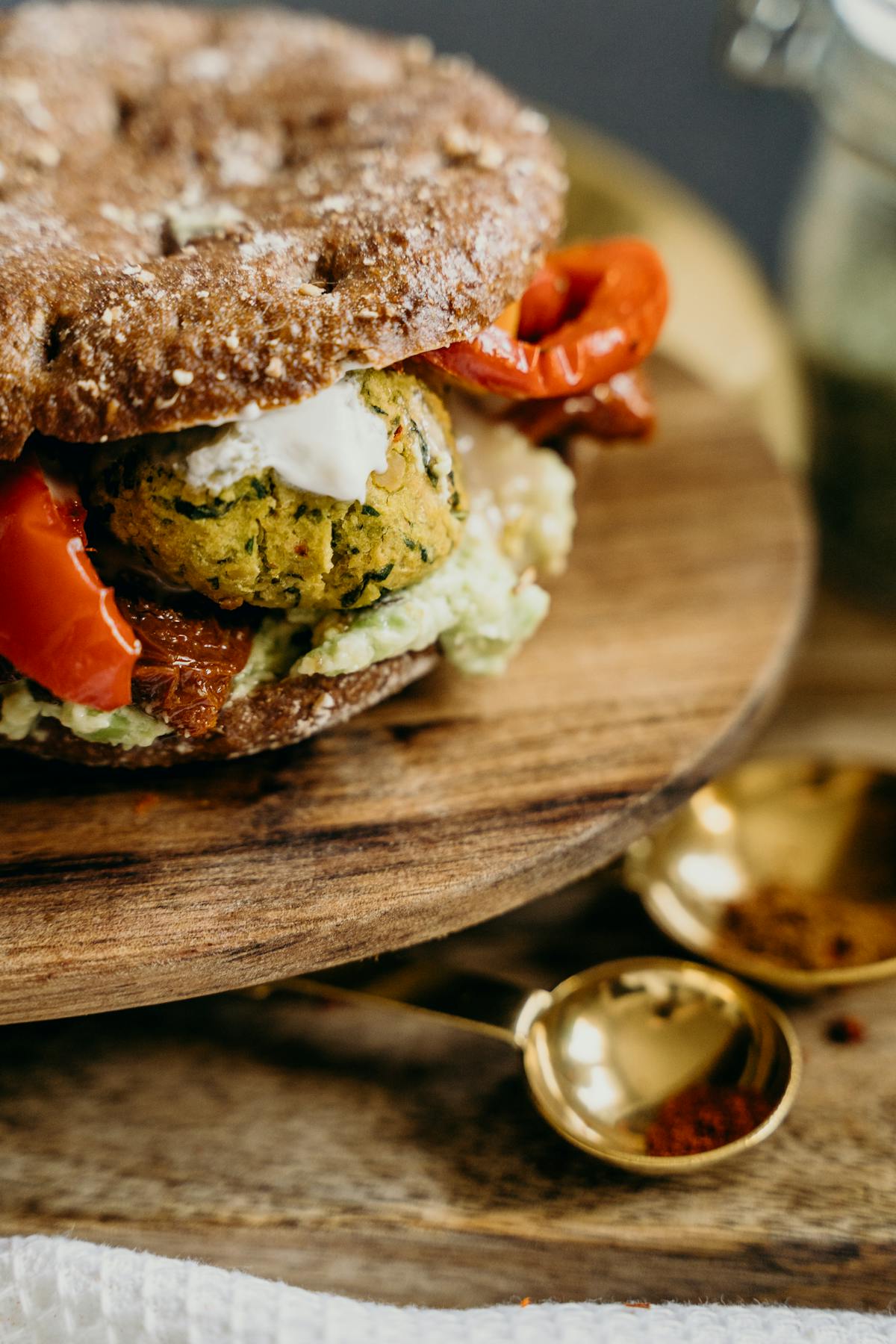
Each bite brings a mix of textures—chewy, crunchy, creamy—and a gentle fermented tang that keeps you going back for more.
Variations & Gut‑Friendly Swaps
Storage & Reheating
This bowl is excellent for meal prep, with a small tweak: store the fermented elements separately.
- Grains & vegetables: Store together in an airtight container in the fridge for up to 3–4 days.
- Kimchi & other ferments: Keep in their own sealed jars in the fridge. They’ll stay tangy and bright for weeks.
- Dressing: Refrigerate in a small jar for up to 5 days. Thin with a splash of warm water if it thickens.
To reheat, warm the grain–vegetable mix in a skillet with a splash of water, or microwave in short bursts, stirring occasionally. Add the kimchi and dressing after reheating so the flavors stay fresh and the microbes in the kimchi are treated more gently.
Serving Suggestions & Complementary Gut‑Friendly Dishes
To turn this grain bowl into a full microbiome‑minded menu, pair it with dishes that echo the same themes: plant diversity, gentle fiber, and a touch of fermentation.
- Starter: A small bowl of miso soup with seaweed and tofu, or a simple green salad with mixed herbs and a light vinaigrette.
- Side: Sliced cucumbers and radishes lightly tossed with rice vinegar and sesame seeds.
- Drink: Unsweetened kombucha, kefir water, or warm ginger tea with lemon.
- Dessert: Sliced slightly underripe banana with a spoonful of plain yogurt and a sprinkle of ground flax or chia.
Bringing the Gut Health Wave into Your Kitchen
The gut health wave isn’t just a trend; it’s an invitation to cook in a way that feels both nourishing and joyful. By centering fiber‑rich plants, fermented foods, and simple home cooking, you can support a thriving microbiome without rigid rules or all‑or‑nothing thinking.
Keep your focus on patterns over perfection: most days, more plants and fewer ultra‑processed foods. Add ferments where they make culinary sense. Pay attention to how your body responds, and adapt. With recipes like the miso & kimchi grain bowl in your back pocket, gut‑friendly eating can be as cozy and delicious as any comfort food.
