Pixar’s ‘Hoppers’ Is a Dam Good Time: Why This Shape-Shifting Eco-Comedy Hits So Hard
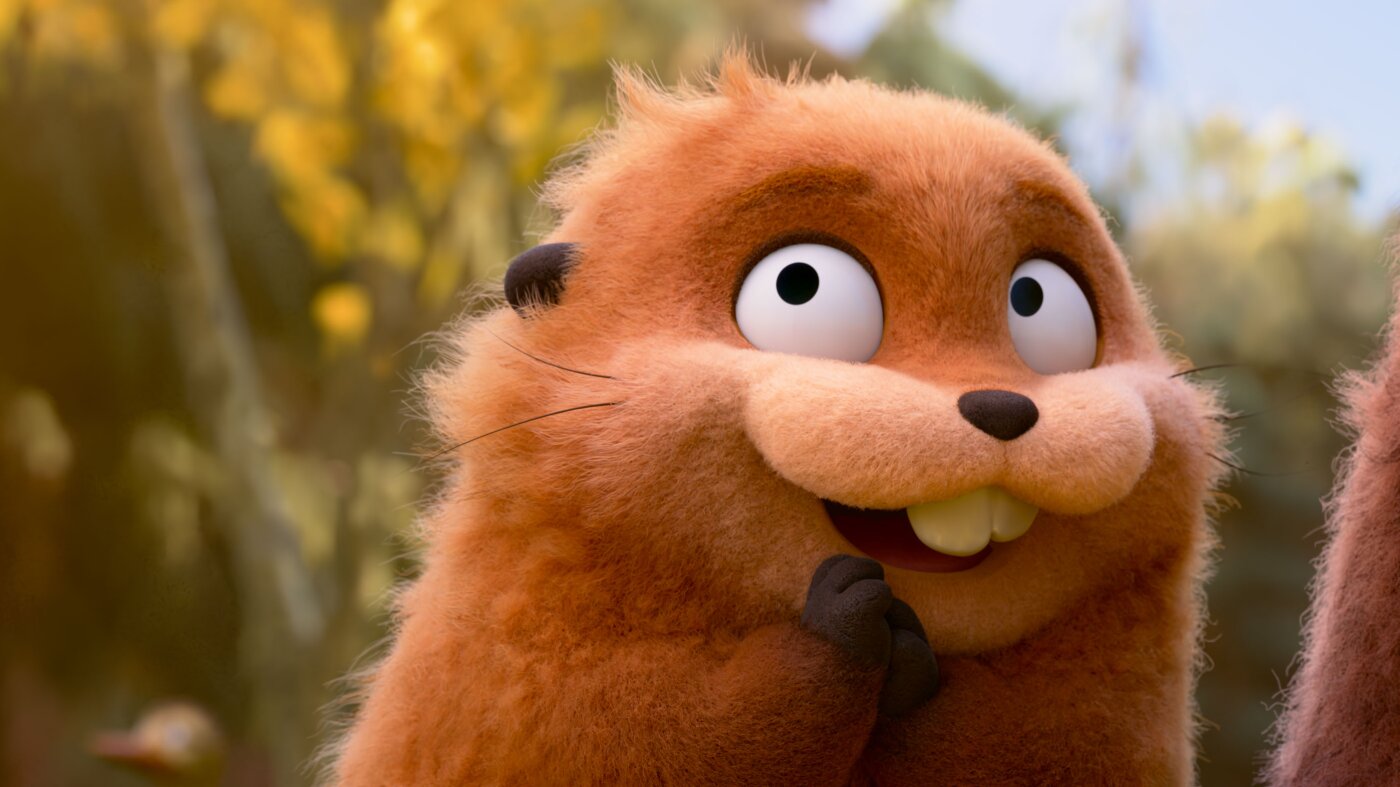
Pixar’s new film Hoppers turns an anxious young climate activist into a beaver in a wild eco-comedy that’s both a return to form for the studio and a sly riff on burnout, activism, and the messy joy of building something that lasts. It’s the liveliest Pixar movie in years—and one that wears its environmental politics on its (flannel) sleeve without forgetting to have fun.
Pixar After the Glory Days: Where Does Hoppers Land?
We’re a long way from the era when the Pixar logo practically guaranteed a generational classic, when titles like The Incredibles, Ratatouille, and WALL‑E arrived with the inevitability of a new iPhone launch and roughly the same cultural penetration. The last decade has been more uneven: brilliant swings like Inside Out and Soul sitting alongside sequels and experiments that felt more like brand maintenance than must‑see cinema.
Hoppers, an original story with a proudly weird premise, feels like a deliberate move back toward that earlier spirit: high‑concept but emotionally grounded, visually inventive, and unafraid to take a political stance. Crucially, it’s also a comedy that remembers to be genuinely funny.
A Beaver, an Activist, and a Dam: The Premise of Hoppers
The film follows a young environmental activist—wired, sleep‑deprived, and perpetually doomscrolling—who is magically transformed into a beaver after a disastrous protest action. Waking up in a river ecosystem she’s only ever known from infographics, she’s suddenly forced to live with (and within) the very “nature” she once treated as an abstraction.
From there, Hoppers unfolds as a mix of:
- A fish‑out‑of‑water (or in‑the‑water) body‑swap comedy
- A workplace movie about dam‑building and collective labor
- A gently surreal eco‑parable about cooperation and unintended consequences
“A young environmental activist transforms herself into a beaver in this off‑the‑wall eco‑themed comedy. It’s the liveliest film to emerge from Pixar in years.”

Climate Anxiety, Activist Burnout, and the Joy of Building
What makes Hoppers feel timely isn’t just its climate messaging; it’s how specifically it understands the emotional life of activism in the 2020s. The protagonist starts the film as a familiar figure: endlessly sharing infographics, rage‑posting about corporate greenwashing, and trying to carry the weight of the world on one over‑caffeinated set of shoulders.
As a beaver, her work abruptly becomes literal: felling trees, placing branches, reinforcing walls, and navigating the trade‑offs between what’s good for her dam and what’s good for the broader river system. The metaphor isn’t subtle, but it is surprisingly nimble. The film makes a point that:
- Real change is incremental and physical, not just rhetorical.
- “Nature” isn’t a postcard; it’s a messy web of needs, harms, and compromises.
- Community is less about purity and more about shared, imperfect labor.

Visuals, Humor, and That Classic Pixar Tear‑Duct Engineering
Animation‑wise, Hoppers is a reminder that Pixar still knows how to flex. Water, always a technical showpiece for the studio, is practically a co‑star here: glassy and gentle in one scene, churning and terrifying in the next. The fur, wood textures, and soggy landscapes have a tactile, almost stop‑motion quality that keeps the world from sliding into generic CG gloss.
Tonally, the movie plays like a cousin to Turning Red and Luca: brisk, colorful, a bit punk around the edges. The jokes land on multiple levels—slapstick for kids, eco‑policy in‑jokes for climate nerds, and a few exquisitely dry one‑liners about non‑profits, corporate sponsorship, and “performative sustainability.”
And because this is still Pixar, the film eventually goes for the throat emotionally. When the activist‑turned‑beaver confronts the limits of what one dam, or one person, can do, the film finds an emotional gear that feels earned rather than manipulative. The climax is less about saving the world and more about re‑scaling what “saving” even looks like.

Where Hoppers Stumbles: On‑the‑Nose Moments and Pixar’s Brand Problem
For all its energy, Hoppers isn’t immune to some of Pixar’s recent tics. The screenplay occasionally overexplains its metaphors, spelling out lessons that the visuals have already made plain. A mid‑movie town‑hall sequence in particular leans a bit too hard on clunky exposition and social‑media satire that already feels mildly dated.
There’s also the broader brand baggage: Pixar spent years teaching audiences to expect near‑perfection, and that halo’s gone. Measured against WALL‑E or Inside Out, Hoppers can feel smaller, more modest in scope. Its emotional arc is intimate rather than mythic; its world, while gorgeous, isn’t as instantly iconic as Monstropolis or the coral reef of Finding Nemo.
The real question isn’t whether Hoppers is a new all‑timer; it’s whether Pixar can embrace being “merely” very good again—making smart, idiosyncratic films without the pressure of topping themselves every summer.
Why Hoppers Matters for Pixar and Family Animation
In an industry moment dominated by franchise sprawl and multiverse fatigue, Hoppers stands out as something simple but increasingly rare: a mid‑budget‑feeling, original studio animation that trusts kids with complicated ideas. It fits into a loose wave of eco‑conscious, youth‑oriented stories—think Moana, Princess Mononoke, or even Don’t Look Up for older audiences—but filters that anxiety through slapstick, not sermon.
The movie is also a quiet flex in the streaming‑era tug‑of‑war between theatrical releases and on‑demand drops. Hoppers is engineered for big screens: its roar‑of‑the‑river sound design and sweeping, dam‑top vistas make a better case for movie theaters than a dozen corporate think‑pieces.
Watch the Hoppers Trailer
For a taste of the film’s chaotic energy and lush river visuals, the official Hoppers trailer is worth a watch before you dive into the full feature.
Verdict: A Dam Good Time—and a Genuine Return to Form
Hoppers won’t single‑handedly reset Pixar’s golden‑age reputation, but it doesn’t have to. What it offers instead is something more grounded and, in its own way, more hopeful: a rowdy eco‑comedy about learning to live with limits, to share the load, and to accept that not every victory will look like the poster you imagined.
As an entertainment object, it’s brisk, funny, and visually rich; as a piece of climate storytelling, it’s accessible without being condescending. For families, activists, and anyone who has ever felt paralyzed by the scale of environmental crisis, Hoppers suggests a disarmingly simple path forward: pick up a branch, find your dam, and start building with whoever’s beside you.
Rating: 4/5 – inventive, heartfelt, and genuinely funny eco‑fantasy with only a few heavy‑handed moments.
For more details on cast, crew, and release information, check the film’s listing on IMDb and the official Pixar pages as they update.