Ozempic, Wegovy & the ‘Skinny Pen’ Era: How GLP‑1 Drugs Are Rewriting Diet Culture
Ozempic, Wegovy & the Rise of ‘Skinny Pen’ Diet Culture
GLP‑1 weight‑loss drugs like Ozempic, Wegovy, Mounjaro, and Zepbound are transforming how people think about dieting, hunger, and body image. Overnight, the so‑called “skinny pen” has gone from quiet prescription to front‑page headline, reshaping conversations about what it means to pursue weight loss, protect your health, and still have a joyful, nourishing relationship with food.
If your social feeds are full of dramatic before‑and‑after photos, “What I eat in a day on Ozempic” videos, and heated debates about whether these meds are miracle tools or troubling shortcuts, you’re not imagining it. We’re in the middle of a major cultural shift—one that touches medicine, nutrition, ethics, and even what ends up on your dinner plate.

What Are GLP‑1 Drugs Like Ozempic and Wegovy?
GLP‑1 agonist medications were originally developed to help manage type 2 diabetes. Brand names you’ll see everywhere include Ozempic and Mounjaro (approved for diabetes), along with Wegovy and Zepbound (approved specifically for obesity and chronic weight management in many regions).
These drugs mimic a natural hormone called GLP‑1 (glucagon‑like peptide‑1), which helps:
- Regulate blood sugar after meals
- Slow down how quickly your stomach empties
- Signal fullness to your brain so you feel satisfied sooner
Many people on GLP‑1 medications describe suddenly feeling “quiet hunger”—they get full on smaller portions, experience fewer intense cravings, and often lose a significant amount of weight without the mental tug‑of‑war that traditional dieting can bring.

From Keto and Clean Eating to “Skinny Pens”: How Diet Culture Is Shifting
For decades, diet culture revolved around willpower: strict meal plans, “good” versus “bad” foods, cheat days, weigh‑ins, and endless cycles of restriction and rebound. GLP‑1 drugs disrupt that narrative by moving the focus from moral strength to medical treatment.
For some people with obesity, these medications are framed—accurately—as tools for managing a chronic disease, similar to blood pressure pills for hypertension. For others, especially those already within a lower or normal BMI range, the drugs are portrayed as a kind of “cheat code” to get an ultra‑lean “Ozempic body,” which raises complex ethical and social questions.
Many nutrition professionals now talk less about “being strong enough to diet” and more about building a sustainable way of eating—whether or not medications are part of the picture.
Regardless of where you stand, the rise of skinny‑pen culture is reshaping how we talk about hunger, weight, and self‑worth. It’s also forcing a wider reckoning with weight stigma, body diversity, and what it means to pursue health without sacrificing mental well‑being.
Celebrity Buzz, Social Media & the Allure of the “Ozempic Body”
Celebrity rumors and influencer confessions have done more to popularize GLP‑1 drugs than any ad campaign ever could. Online, you’ll find:
- Speculation about red‑carpet transformations and ultra‑fast slim‑downs
- “What I eat in a day on Ozempic” vlogs, often featuring very small portions
- Before‑and‑after compilations tagged with #ozempic and #wegovy
- Reaction videos from doctors, dietitians, and fitness coaches
This constant stream of glossy success stories can make GLP‑1 drugs feel like the latest wellness accessory—just another beauty upgrade alongside injectables and cosmetic procedures. But hidden behind the highlight reels are side effects, complex emotions, and long‑term questions we’re only beginning to answer.

Side Effects, Safety & Why Nutrition Still Matters
Even though many people report impressive weight loss, GLP‑1 medications are not gentle for everyone. Commonly reported side effects include:
- Nausea, especially as doses increase
- Vomiting or diarrhea
- Constipation and bloating
- Loss of appetite to the point of struggling to eat at all
In rarer cases, more serious issues like gallbladder problems or pancreatitis have been reported. Because these are prescription medications, it’s essential to work closely with a qualified healthcare provider who can monitor your response and adjust the plan as needed.
When appetite drops, it’s surprisingly easy to become undernourished even as the scale goes down. Gentle, appealing meals—like silky vegetable soups, protein‑rich smoothies, or tender slow‑cooked stews—can help you meet your nutritional needs without overwhelming your stomach.
Access, Cost & Inequality: Who Gets the “Skinny Pen”?
Demand for GLP‑1 drugs has exploded, leading to high prices, intermittent shortages, and uneven access across regions. This raises difficult questions:
- Are people with diabetes or severe obesity being crowded out by cosmetic use?
- How do income, insurance coverage, and geography shape who can afford ongoing treatment?
- What does it mean for public health if powerful appetite suppressants are widely available to some, but not others?
These debates intersect with movements for body positivity and fat acceptance. Some advocates worry that widespread GLP‑1 use could intensify weight stigma, reinforcing the idea that larger bodies should always be “fixed,” rather than respected and accommodated.
How GLP‑1 Drugs Are Reshaping What—and How—We Eat
Analysts are already watching for changes in how people shop and snack as skinny‑pen culture grows. If you get full faster and have fewer cravings, your cart might naturally shift away from giant portions and constant nibbles.
Food companies are responding by exploring:
- Smaller‑portion, higher‑protein products that make each bite count
- Ready‑to‑eat meals with balanced macros for people who feel full quickly
- Functional snacks targeting blood sugar, gut health, or satiety
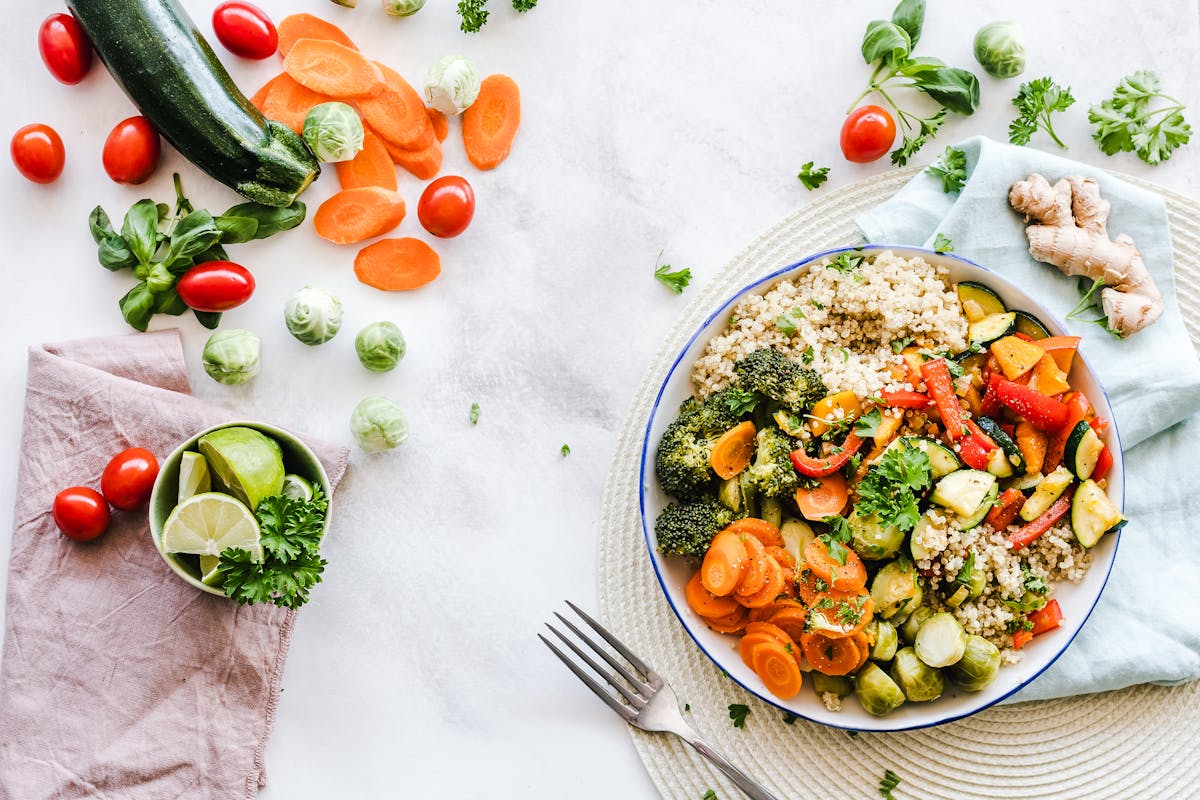
At home, many people on GLP‑1s discover a new cooking style: fewer heavy, greasy dishes; more gentle textures and bright, vivid flavors that feel good on a calmer stomach. Think steamed fish with herbs, roasted vegetables, brothy beans, and creamy yogurt bowls instead of bottomless plates.
Mental Health, Identity & Life After the Medication
Weight is never just about the number on the scale. Many people on GLP‑1 medications describe a complex emotional journey:
- Relief at finally seeing progress after years of struggle
- Confusion about how to relate to food when hunger cues feel muted
- Anxiety about what will happen if they stop the medication
- Shifts in identity as their body changes faster than their self‑image
Early research and clinical experience suggest that weight regain is common if GLP‑1 therapy is stopped without a clear, supportive plan in place. That’s not a moral failure; it’s a reflection of how powerfully the body defends its weight set point.
Eating Well on GLP‑1 Drugs: Gentle, Nourishing Ideas
Even with a quieter appetite, you deserve food that tastes wonderful—food that smells inviting, looks colorful, and feels good in your body. Many people on Ozempic or Wegovy find that:
- Warm, soft‑textured dishes (like soups, stews, and porridges) are easier to tolerate
- Bright herbs and citrus wake up the palate without heaviness
- Protein‑rich breakfasts (eggs, yogurt, tofu scrambles) set a steady tone for the day
- Smaller plates and slow eating help match portions to new fullness cues
If you love cooking, think of this season as a chance to re‑imagine your kitchen habits: maybe more sheet‑pan dinners with colorful vegetables, maybe a Sunday ritual of simmering a big pot of beans or broth, maybe learning a few high‑protein, high‑flavor recipes that always feel good.

Navigating Conversations with Compassion
With GLP‑1 drugs so visible, it can be tempting to comment on other people’s bodies or assume how someone lost weight. A kinder approach is to:
- Avoid asking intrusive questions about medications or surgery
- Compliment people on their energy, creativity, or resilience—not just their appearance
- Respect that weight loss and health journeys are deeply personal
The rise of skinny‑pen culture doesn’t have to mean harsher judgment. It can also be a moment to build a more nuanced, gentle, and science‑informed conversation about bodies of all sizes.
Key Takeaways: GLP‑1 Drugs & the Future of Diet Culture
GLP‑1 medications like Ozempic, Wegovy, Mounjaro, and Zepbound are powerful medical tools that also carry huge cultural weight. As the conversation evolves, a few grounded truths can help you stay centered:
- These are prescription medications with real benefits and real risks—not casual beauty hacks.
- Nutrition, movement, and mental health remain essential, with or without weight‑loss drugs.
- Your worth is not defined by your size, the number on a scale, or whether you use a “skinny pen.”
- It’s okay to ask questions, seek support, and choose the path that aligns with your health needs and values.
If you’re considering GLP‑1 therapy—or already using it—partner closely with a healthcare provider, and, if possible, a registered dietitian. And in your own kitchen, keep reaching for meals that make you feel strong, nourished, and genuinely satisfied. Food is still one of life’s deepest pleasures, even in a world of skinny pens.