
Ozempic, Wegovy & the ‘Skinny Pen’ Era: How GLP‑1 Weight‑Loss Drugs Are Reshaping Diet Culture
Ozempic, Wegovy & the Rise of ‘Skinny Pen’ Diet Culture
Ozempic and Wegovy—once quiet tools in the world of type 2 diabetes care—have stepped into the spotlight as so‑called “skinny pens,” reshaping celebrity diets, social‑media nutrition discourse, and what many people now consider a “successful” diet. As GLP‑1 medications become pop‑culture shorthand for fast weight loss, they’re also forcing a deeper conversation about health, food, and body image that goes far beyond the scale.
Below, we’ll look at how these GLP‑1 weight‑loss drugs work, why they’ve captured so much attention, and what a nourishing, sustainable way of eating can look like for people who are on them—or simply living in a world increasingly shaped by “Ozempic culture.”

What Are GLP‑1 Drugs Like Ozempic and Wegovy?
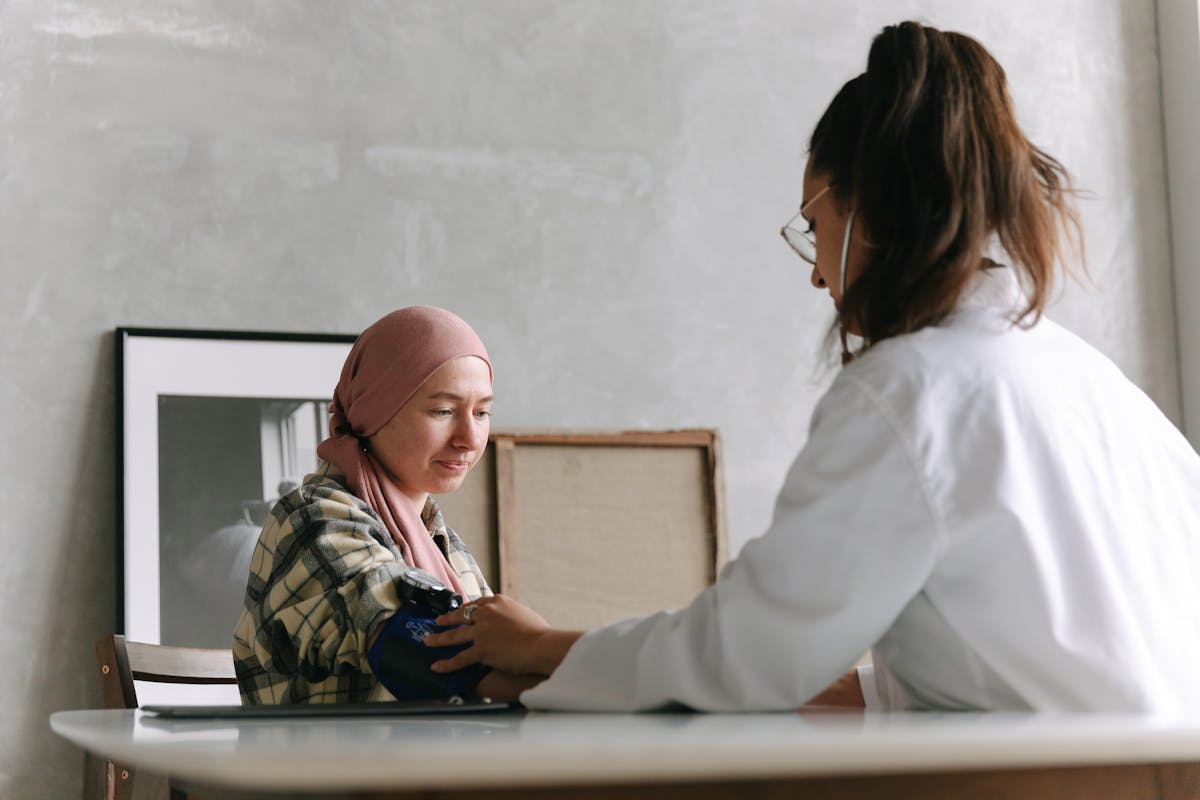
Ozempic and Wegovy are brand names for semaglutide, a medication that mimics a natural hormone in your body called GLP‑1 (glucagon‑like peptide‑1). This hormone helps regulate blood sugar, slows how quickly food leaves your stomach, and sends powerful “I’m full” signals to your brain.
Ozempic was first approved to help manage blood sugar in adults with type 2 diabetes. Wegovy, a higher‑dose version, was later approved specifically for chronic weight management in people meeting certain medical criteria. Both are typically taken as a once‑weekly injection.
- Slower gastric emptying: Food lingers longer in the stomach, which can enhance fullness.
- Reduced appetite: Many people naturally eat less without white‑knuckling through hunger.
- Better blood sugar control: Helpful for people with type 2 diabetes and insulin resistance.
Why Ozempic and Wegovy Are Trending Now
GLP‑1 weight‑loss drugs exploded into mainstream visibility between 2023 and 2026, fueled by celebrity culture, social media, and eye‑catching before/after photos. The conversation is no longer limited to medical journals; it’s on red carpets, talk shows, TikTok duets, and dinner‑table debates.
1. Celebrity & Influencer Buzz
Dramatic body transformations among actors, musicians, reality stars, and influencers ignited public curiosity. Some have discussed their GLP‑1 use openly; others are the subject of constant speculation—“Who’s on Ozempic?” has become a recurring tabloid headline.
2. Before/After Culture on Social Media
Platforms like TikTok, Instagram, and YouTube thrive on visible change. Users share:
- Side‑by‑side before/after photos
- “What I eat in a day on Ozempic” vlogs
- Honest discussions of side effects and dose changes
3. Debate Over Health vs. Aesthetics
Dietitians, doctors, and therapists are pushing back against the idea that a medication alone is a “diet.” They highlight the need for:
- Adequate protein and micronutrients
- Resistance training to protect muscle mass
- Mental‑health support and body‑image work
4. Ethics, Access & Cost
As more people seek GLP‑1 drugs for weight loss, questions arise about:
- Medication shortages for people with diabetes
- High monthly costs and insurance coverage gaps
- Off‑label prescribing and online “telehealth” clinics
- The risk of glamorizing extreme thinness as the ideal

How GLP‑1 Drugs Are Changing What “Dieting” Looks Like
With GLP‑1 medications, the classic diet storyline—white‑knuckled willpower, calorie counting, constant hunger—changes. Many people on Ozempic or Wegovy find that their appetite simply drops, sometimes dramatically. That shift brings new nutritional challenges and priorities.
Protein Prioritization: Protecting Muscle While Losing Fat
When overall food intake falls, your body is at risk of losing not only fat but also lean muscle mass. To help protect muscle, many dietitians now recommend aiming for roughly 1.6–2.2 g of protein per kilogram of body weight, as medically appropriate.
In practical kitchen terms, that might look like:
- Greek yogurt with berries and nuts
- Eggs or tofu scramble with vegetables
- Grilled chicken, fish, tempeh, or legumes at lunch and dinner
- Protein shakes or smoothies when chewing a full meal feels like “too much”
Nutrient Density Over Portion Size
With smaller appetites, every bite has to work harder. Instead of large volumes of low‑nutrient foods, the focus shifts toward:
- Colorful vegetables and fruits for vitamins and antioxidants
- Whole grains like oats, quinoa, and brown rice
- Legumes—beans, lentils, chickpeas—for fiber and plant protein
- Nuts and seeds for healthy fats and minerals
Think of your plate as prime real estate: a smaller space where you want the most nutrient‑rich foods to “move in.”
Managing Nausea, Constipation & Other GI Side Effects
Many GLP‑1 users report nausea, reflux, constipation, or a heavy “brick in the stomach” feeling. Gentle nutrition strategies can help:
- Eat smaller, more frequent meals instead of large ones.
- Keep meals lower in heavy, greasy fats when symptoms are intense.
- Include soluble fiber—like oats, chia seeds, psyllium—introduced gradually.
- Stay hydrated with water and unsweetened drinks across the day.
A New Relationship With Food—For Better or Worse
Some people describe GLP‑1 medications as “quieting the food noise”—they’re no longer preoccupied with cravings or constant thoughts of the next meal. For others, the loss of appetite feels almost too strong, creating a sense of disconnection from eating and even from social life.
“Meals used to be my main social anchor. On the medication I’d forget to eat, but I also started skipping dinners with friends because food just didn’t appeal to me. I had to relearn how to show up socially without relying on appetite.”
Therapists and registered dietitians often weave in intuitive‑eating principles, body‑image work, and mental‑health support to prevent disordered patterns from taking root.

Ethics, Access & Body Ideals in the ‘Skinny Pen’ Era
The cultural impact of GLP‑1 diet drugs is about much more than individual weight‑loss stories. It touches on fairness in healthcare, decades of diet culture, and the images we celebrate as “ideal” bodies.
Reframing Weight as Chronic‑Disease Management
Many obesity specialists suggest that, for some people, long‑term weight management may be closer to chronic disease management than a short, intense diet. That might mean ongoing medication plus:
- Consistent, enjoyable movement
- High‑quality, nutrient‑dense eating patterns
- Regular check‑ins with healthcare providers
Thinness, Beauty, and Social Pressure
At the same time, the glamorization of rapid weight loss risks reinforcing extreme thinness as a beauty standard. For people with a history of disordered eating or body‑image struggles, constant talk of “miracle injections” can be triggering.

Practical Nutrition Strategies for People on GLP‑1 Medications
If you and your healthcare provider decide that a GLP‑1 medication is right for you, your plate will likely need to evolve right alongside your prescription. Here are food‑focused strategies many dietitians prioritize.
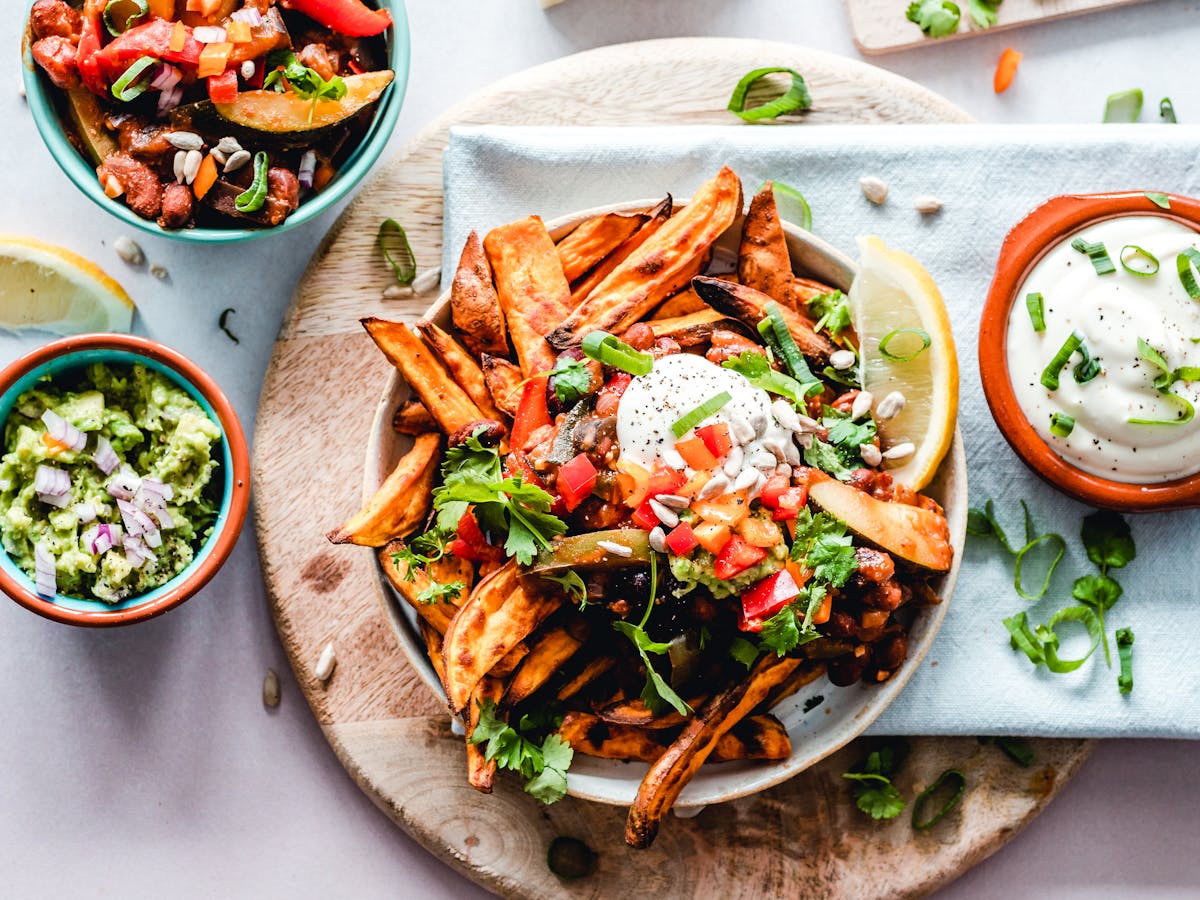
- Anchor each meal with protein. Aim to include a palm‑sized serving of protein (or two smaller portions if that feels gentler) at breakfast, lunch, and dinner.
- Use “protein‑forward” snacks. If you struggle to finish full meals, mini‑meals like yogurt, cottage cheese, hummus with crackers, or a smoothie can quietly boost your intake.
- Lean on soft, easy‑to‑digest textures. Soups, stews, overnight oats, and tender cooked vegetables often feel better than heavy, fried, or very fibrous dishes when nausea hits.
- Hydrate, but pace your fluids. Sipping water throughout the day is usually more comfortable than chugging a large glass right before a meal.
- Keep some meals “social first, food second.” When appetite is low, focus on connection—share small plates, a cup of tea, or fruit instead of forcing a huge entrée.
The Future of Diet Culture in a GLP‑1 World
Ozempic‑style medications are reshaping not just individual diets but the entire weight‑loss industry. Apps, supplement companies, and fitness programs are racing to design “GLP‑1‑friendly” offerings, from high‑protein meal kits to strength‑focused workout plans.
At the same time, public‑health experts are wrestling with how to communicate nuance: embracing the real benefits of evidence‑based obesity treatment while refusing to reduce health to thinness or glorify extreme, rapid changes.
In the years ahead, conversations about “dieting” may look less like fad cleanses and more like long‑term, personalized care plans—where medications, food, movement, mental health, and social support all sit at the same table.

Whatever your path, remember: you are more than your appetite, your medication, or your weight. Food can remain a place of comfort, creativity, culture, and connection—even in the age of the “skinny pen.”
Structured Data (Recipe Markup Placeholder)
While this page is not a traditional recipe, it touches deeply on nutrition and how people eat while on GLP‑1 medications. Below is a minimal, accessibility‑friendly placeholder for schema.org/Recipe to support sites that require recipe‑style structured data for nutrition‑focused content.
