
Ozempic, Wegovy & the New GLP‑1 Diet Culture: How Weight‑Loss Drugs Are Changing the Way We Eat
Updated: March 12, 2026
Ozempic, Wegovy & the Rise of GLP‑1 Weight‑Loss Diet Culture
Prescription GLP‑1 medications like Ozempic, Wegovy, and Mounjaro are reshaping how we think about dieting, appetite, and nutrition. Instead of white‑knuckling through hunger, many people now struggle with the opposite problem: how to nourish themselves when food suddenly feels optional. Let’s walk through what’s happening, why it matters, and how to build gentle, satisfying meals that truly support your body—whether or not you’re on a GLP‑1.
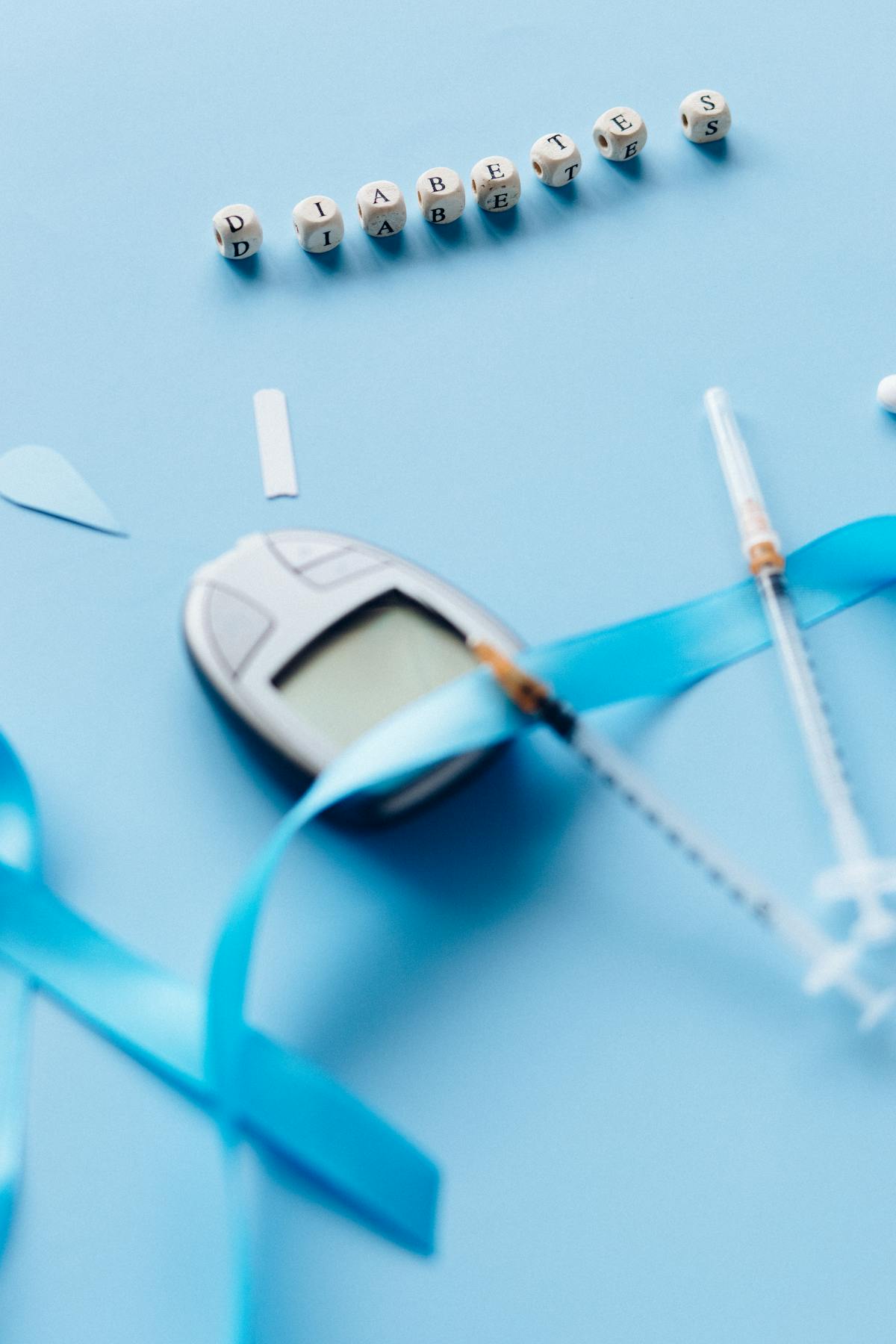
Why Everyone Is Talking About Ozempic, Wegovy & GLP‑1 Diet Culture
Over the past few years, injectable GLP‑1 agonists—most famously Ozempic and Wegovy (semaglutide) and Mounjaro/Zepbound (tirzepatide)—have broken out of endocrinology offices and into everyday conversation. What used to be quiet, medical management for type 2 diabetes has become a highly visible weight‑loss phenomenon, amplified by celebrity interviews, red‑carpet speculation, and “What I eat in a day on Ozempic” videos.
Underneath the social media noise, something deeper is changing: we’re beginning to treat weight and appetite more like chronic, biological issues and less like a simple matter of willpower. That shift is rewriting the rules of diet culture—and it creates both opportunities and risks for how people actually feed themselves.
- Search terms are exploding: “Ozempic diet,” “Ozempic before and after,” and “What to eat on Wegovy” trend regularly.
- Health pros are adapting: Dietitians now design GLP‑1‑specific meal guides to protect muscle, micronutrients, and digestion.
- Ethics are front and center: Debates rage over access, off‑label cosmetic use, and medication shortages for people with diabetes.
How GLP‑1 Medications Affect Hunger, Fullness & Metabolism
GLP‑1 agonists work by mimicking hormones your gut naturally releases after you eat—primarily GLP‑1, and in the case of tirzepatide, also GIP. These hormones:
- Help your pancreas release insulin in a glucose‑dependent way
- Slow the emptying of your stomach into your intestines
- Signal your brain that you’re full, often much sooner than usual
Many users suddenly feel satisfied after just a few bites or lose interest in food altogether. For people accustomed to intense cravings or binge cycles, this can feel like a miracle. But it can also lead to severe under‑eating, accidental fasting, and rapid loss of both fat and lean muscle if meals aren’t thoughtfully planned.
The nutrition challenge with GLP‑1s isn’t “How do I eat less?”—it’s “How do I make every bite count?”
From Willpower to Medicine: A New Phase of Diet Culture
For decades, mainstream dieting messaging has boiled down to: “Eat less, move more, and try harder.” GLP‑1 medications crack that story wide open. People who’ve battled appetite their whole lives suddenly feel calm around food—not because they’ve found the perfect mindset, but because their biology has changed.
That shift raises thorny questions:
- Who gets access? High prices, patchy insurance coverage, and global shortages mean many people who medically need these drugs can’t get them.
- What counts as “real” weight loss? Some critics see GLP‑1s as “cheating,” while others argue they’re simply another tool, like statins or blood‑pressure meds.
- How do we talk about bodies? The viral phrase “Ozempic face” reflects anxiety about rapid, dramatic change—and reveals how invested culture still is in appearance.
For nutrition professionals, this moment is forcing a pivot away from generic, low‑calorie advice and toward personalized, pharmacology‑aware eating plans that honor both health and lived experience.
GLP‑1 Eating Trends: High‑Protein, Gentle, and Hydrating
Spend a few minutes on TikTok or YouTube and you’ll notice clear patterns in “What I eat in a day on Ozempic” content. While everyone’s needs are different, four big themes keep surfacing:
- High‑Protein, Low‑Volume Meals
Because fullness hits fast, there’s a strong focus on foods that pack lots of protein into small portions:- Eggs and egg bites
- Greek or skyr yogurt, cottage cheese
- Tofu, tempeh, edamame
- Fish, chicken, turkey, lean beef
- Protein smoothies and fortified shakes
This isn’t just about satiety. Adequate protein helps preserve lean muscle mass while the medications are driving weight loss.
- Soft, Low‑Fat, Low‑Grease Foods
Nausea, reflux, and stomach upset are common, especially after dose increases. People often gravitate toward:- Soups, stews, and brothy dishes
- Oatmeal, cream of rice, polenta
- Rice bowls with tender proteins and cooked vegetables
- Simple sandwiches or wraps without heavy sauces
- Hydration & Electrolytes
With less food (and sometimes vomiting or diarrhea), fluid and electrolyte intake can quietly fall behind. Many users lean on:- Electrolyte powders or low‑sugar sports drinks
- Flavored waters and herbal teas
- Broths, especially when appetite is minimal
- Resistance Training to Fight “Ozempic Body” Anxiety
Trainers and dietitians increasingly stress strength training plus protein for people on GLP‑1s to:- Slow muscle loss during rapid weight change
- Support bone density and joint stability
- Maintain a strong, functional body rather than just a smaller one

Nutrition Safety: Risks of Under‑Eating on GLP‑1s
When hunger evaporates, it’s easy to assume “less is better.” But chronic under‑fueling can create its own problems, even while the scale is dropping:
- Muscle & bone loss: Severe calorie cuts accelerate loss of lean mass and can weaken bones over time.
- Nutrient gaps: Fewer bites mean fewer vitamins, minerals, and healthy fats unless you plan carefully.
- Digestive slowdown: GLP‑1s already delay gastric emptying; very low fiber or fluids can worsen constipation.
- Energy & mood dips: Inadequate carbs and overall calories can trigger fatigue, brain fog, or irritability.
Many clinicians now recommend a minimum structure even for very low‑appetite days: for example, three small, protein‑anchored eating occasions plus fluids and electrolytes, adapted to medical guidance.
A Gentle, GLP‑1‑Friendly Day of Eating
To bring all of this to life, here’s a sample day of soft, protein‑forward meals that many people on medications like Ozempic or Wegovy find approachable. Portions would be tailored to your hunger cues and your clinician’s guidance.
- Breakfast – Protein Yogurt Bowl
Greek yogurt or skyr topped with soft berries, a sprinkle of oats or chia, and a drizzle of honey if you like sweetness. This offers protein, gentle fiber, and a bit of carbohydrate without feeling heavy.
- Mid‑Morning – Electrolyte & a Snack
A glass of water mixed with an electrolyte powder and a few crackers with a smear of nut butter or a small piece of cheese. Think of this as “maintenance fuel” for your brain, not a big meal.
- Lunch – Soft Rice Bowl
Tender white or brown rice with shredded rotisserie chicken or tofu, steamed carrots or zucchini, and a light drizzle of teriyaki or tahini dressing. Warm, soft, and easy to digest.
- Afternoon – Smoothie
A small smoothie with protein powder, frozen fruit, and a handful of spinach, blended until silky. Sipping can be easier than chewing on low‑appetite days.
- Dinner – Brothy Soup with Protein
A bowl of chicken, lentil, or tofu‑vegetable soup, paired with a small slice of buttered sourdough or gluten‑free bread. You can freeze leftovers in single portions so future low‑effort dinners are ready to go.
How Social Media Fuels GLP‑1 Diet Culture
The rise of GLP‑1 medications is inseparable from the way we share health journeys online. Popular formats include:
- Short‑form video diaries: TikTok and Reels creators document dose changes, side‑effects, and daily meals.
- YouTube explainers: Physicians and science communicators break down GLP‑1 biology, side‑effect management, and research updates.
- Dietitian content: Registered dietitians share GLP‑1‑aligned grocery lists, high‑protein snack ideas, and realistic before‑and‑after stories.
- Comment‑section debates: Threads on X (Twitter) and Reddit dive into ethics, body image, and long‑term use.
These platforms can be incredibly validating for people who finally feel seen—but they can also normalize extreme under‑eating or frame GLP‑1s as a beauty shortcut rather than a serious medical therapy. Curating your feed and following qualified professionals makes a big difference.

Beyond the Hype: Building Sustainable Habits on (or off) GLP‑1s
At their best, GLP‑1 medications can create a powerful window of opportunity. When food noise quiets down, it may feel easier to:
- Experiment with new, nourishing recipes
- Start a simple strength‑training routine
- Work on sleep, stress management, and mental health
- Heal your relationship with eating without constant cravings in the background
But the medications alone aren’t magic. Studies suggest weight often returns if people stop GLP‑1s without supportive habits in place. The most durable results come when:
- Food choices prioritize protein, fiber, and healthy fats rather than just low calories
- Movement includes both cardio and resistance training
- People have access to counseling, coaching, or community to navigate body image and behavior change
Whether you’re using Ozempic, Wegovy, Mounjaro, or none of the above, you deserve an approach to eating that feels kind, realistic, and grounded in your real life—not just in a number on a scale.

Key Takeaways: Eating Well in the Age of GLP‑1 Weight‑Loss Drugs
- GLP‑1 medications like Ozempic and Wegovy change how we experience hunger, not just how much we “try.”
- Rapid appetite loss can lead to under‑eating, muscle loss, and nutrient deficiencies without a plan.
- A GLP‑1‑aligned approach focuses on high‑protein, soft, low‑grease foods plus hydration and electrolytes.
- Resistance training and movement are crucial to protect muscle, bones, and long‑term metabolism.
- Ethical questions around access, cost, and cosmetic use are reshaping how we talk about weight, health, and fairness.
- Ultimately, sustainable eating patterns, emotional support, and realistic expectations matter more than any single drug or diet trend.
