
Ozempic, Wegovy & the New Diet Culture: How GLP‑1 “Skinny Jabs” Are Changing the Way We Eat
Updated: 30 March 2026
Ozempic, Wegovy & the Rise of GLP‑1 “Skinny Jab” Diet Culture
Ozempic and Wegovy were once quiet, clinical names whispered in endocrinology clinics. Now they are shouted across TikTok, dissected on podcasts, and casually mentioned over brunch. These GLP‑1 medications are reshaping diet culture by suppressing appetite so strongly that many people discover they simply “forget to eat” or feel full after a few careful bites. Alongside the weight‑loss headlines, they are transforming what—and how—people cook, order at restaurants, and share on social media.
This piece walks through why GLP‑1 drugs exploded into the spotlight, how they actually work in the body, what that means for nutrition and muscle health, and how to protect both physical and emotional well‑being in a world that suddenly treats a weekly injection like the new crash diet.
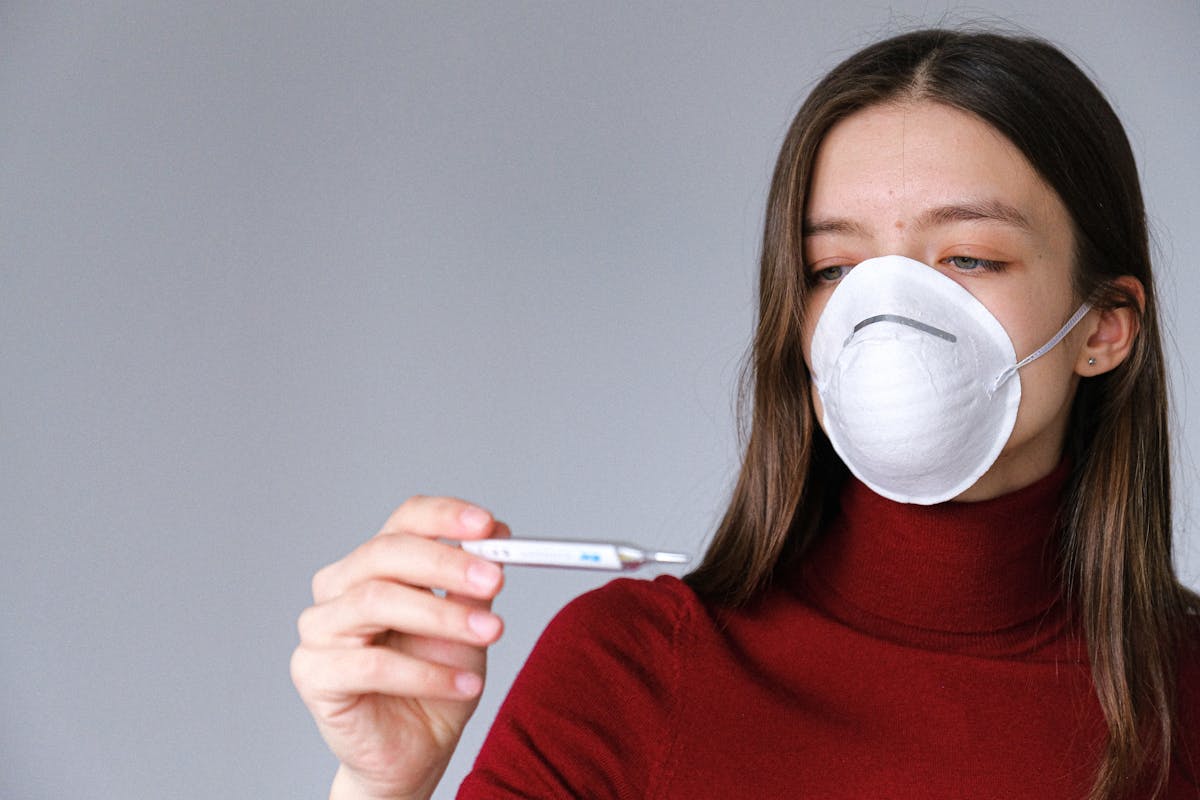
Why GLP‑1 Diet Culture Is Trending Now
GLP‑1 agonists have existed for years in diabetes care, but several cultural sparks turned them into a global talking point. At the same time, social media made it easy to broadcast every shrinking waistband, every “I can’t even finish this wrap” moment, and every side effect in real time.
1. Celebrity adoption and speculation
When red‑carpet bodies change quickly, the internet notices. Over the last few years, fans have scrutinized before‑and‑after photos of actors, musicians, and tech figures, speculating about Ozempic or Wegovy. Some stars have confirmed GLP‑1 use; others remain silent while rumors swirl. TikTok edits and Instagram Reels zoom in on jawlines and waistlines, with captions that casually ask, “Is it Ozempic?”
This fascination doesn’t just sell tabloids; it sets ideals. People watching from home are left wondering whether “normal” weight loss is even possible without a prescription needle.
2. Mainstream availability and shortages
As regulators in multiple countries expanded approvals to include obesity and chronic weight management, prescriptions surged. At the same time, off‑label use for cosmetic weight loss ballooned, contributing to reported shortages in various regions. Media outlets ran stories of people with type 2 diabetes unable to access their regular medication while higher‑income, non‑diabetic users posted “Ozempic journey” vlogs.
This sparked fierce debate about fairness, medical necessity, and how we allocate limited healthcare resources.
3. A pivot from traditional dieting
Not long ago, most weight‑loss conversations revolved around “What diet are you on?”—keto, Whole30, paleo, intermittent fasting. Now, many conversations have shifted to “What GLP‑1 are you on?” Meal plans are reframed around the medication: smaller portions, protein‑heavy plates, and meals chosen more for tolerability than indulgence.
“What I eat on Ozempic” has become its own social media genre—part food diary, part side‑effect management guide, and part transformation story.
4. Ethical and health concerns
Clinicians and registered dietitians are cautiously enthusiastic: GLP‑1 drugs can be a lifeline for people living with obesity and metabolic disease. But they also highlight important risks:
- Gastrointestinal distress: nausea, vomiting, constipation, and reflux are common, especially early on.
- Muscle loss: rapid weight loss often reduces lean body mass unless protein and resistance training are prioritized.
- Weight regain: stopping the drug can lead to appetite rebound and weight cycling.
- Psychological effects: tying self‑worth to a weekly injection can complicate body image and long‑term relationship with food.

How GLP‑1 Drugs Like Ozempic & Wegovy Work
GLP‑1 stands for glucagon‑like peptide‑1, a hormone your body naturally produces when you eat. It helps regulate blood sugar, slows gastric emptying, and signals fullness to the brain. Medications such as semaglutide (the active ingredient in Ozempic and Wegovy) mimic this hormone, amplifying these effects.
In everyday terms, that can feel like:
- Getting full very quickly—sometimes after just a few bites.
- Feeling neutral or even slightly turned off by food you used to crave.
- Experiencing longer‑lasting fullness between meals.
- Occasionally feeling queasy if you eat too fast or too heavy a meal.
For someone who has struggled for decades with intense hunger or food noise, this quieting of appetite can feel miraculous—and that’s a big part of the emotional pull behind GLP‑1 diet culture.
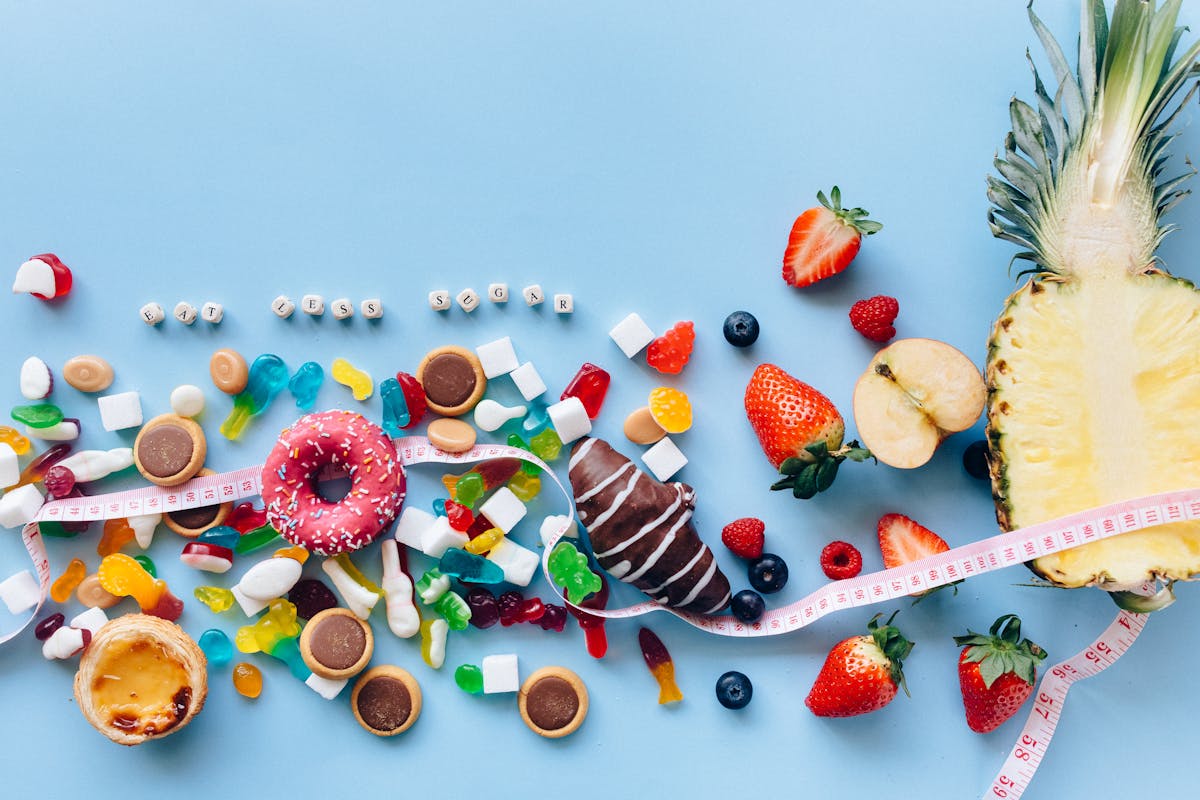
Nutritional Implications: Eating Well on GLP‑1 Medications
When you can only manage a few bites at a time, nutrition shifts from “How do I eat less?” to “How do I fit everything I need into less?” That’s where a chef’s instinct for flavor and a dietitian’s eye for nutrients can work beautifully together.
1. Protein and muscle preservation
Studies and clinical guidance increasingly emphasize that rapid weight loss—whether from surgery or medication—can lead to loss of lean mass. Many evidence‑based experts now recommend roughly 1.6–2.2 g of protein per kilogram of body weight per day (within your clinician’s advice) for people on GLP‑1 drugs, paired with resistance training.
On a practical plate, that often means:
- Prioritizing protein first at each meal (eggs, Greek yogurt, tofu, beans, fish, poultry, lean meats).
- Using soft, easy‑to‑tolerate options like tender lentil stews or silky tofu if solid meats feel heavy.
- Spreading protein across the day instead of relying on one big dinner.
2. Nutrient density over volume
Because meal volume is limited, every forkful should earn its place. That’s where a Mediterranean‑style pattern shines: olive oil, nuts, seeds, legumes, fish, colorful vegetables, and fruits deliver vitamins, minerals, fiber, and healthy fats in modest portions.
Think of a small bowl of herby chickpeas and roasted vegetables drizzled with tahini. It may look tiny on the plate, but it’s bursting with flavor, fiber, plant protein, and gut‑loving polyphenols.
3. Gut comfort and GI side‑effect management
Many users report nausea, reflux, or stomach upset, especially when starting or increasing the dose. Food choices and eating patterns can ease (or aggravate) those symptoms.
- Introduce higher‑fiber foods gradually rather than overnight.
- Avoid very greasy, fried, or ultra‑processed foods that linger in the stomach.
- Eat more slowly, taking small bites and pausing between them.
- Try smaller, more frequent meals instead of two or three large ones.
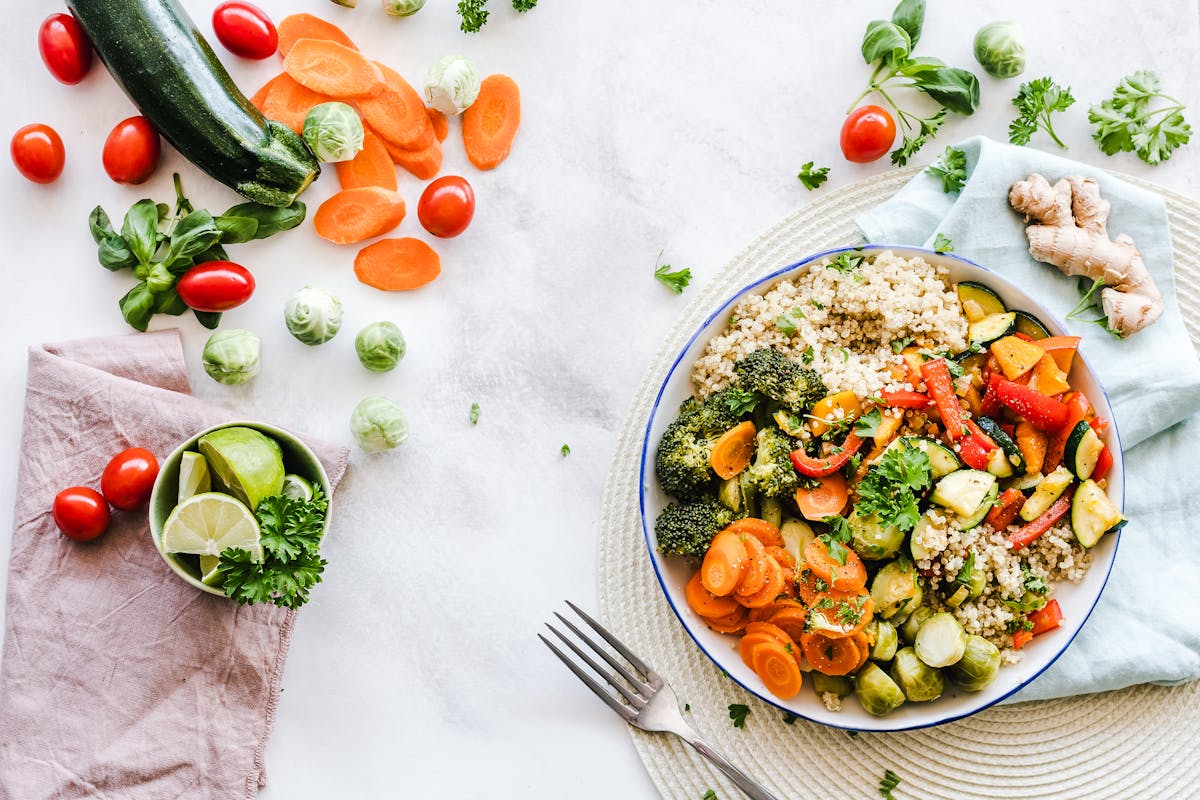
From Willpower to Medication: How GLP‑1 Drugs Are Rewriting Diet Culture
For decades, mainstream diet culture preached a simple, punishing story: if you were heavier, it was because you lacked willpower. GLP‑1 medications disrupt that narrative by showing how profoundly biology, hormones, and brain chemistry shape hunger.
Many people on Ozempic or Wegovy describe a quieting of “food noise”—the constant mental chatter about what to eat next. For some, this feels liberating. For others, it’s unsettling to realize how much of their identity was built around cooking, eating out, and sharing meals.
A new kind of pressure
Even as GLP‑1 drugs destigmatize medical treatment for obesity, they also fuel fresh pressure. When rapid weight loss becomes more visible and seemingly more accessible, expectations shift. People may feel judged for not using medication—or for using it and not becoming “thin enough.”
Diet culture hasn’t disappeared; it has learned to wear a lab coat. Instead of detox teas and 1,200‑calorie meal plans, the new badge of honor can be a prescription and a dramatic before‑and‑after photo.
Food, joy, and social life
Food is not just fuel; it’s culture, memory, love, and celebration. People on GLP‑1 drugs sometimes worry they are “breaking” their relationship with food when favorite dishes no longer appeal or big family meals feel overwhelming.
A more compassionate approach is to re‑imagine joy in smaller portions and slower bites: sharing a dish, savoring a few forkfuls of something special, or lingering over broth‑based soups and vibrant salads that feel light yet satisfying.
Social Media, Search Trends, and the GLP‑1 Conversation
Across TikTok, Instagram, YouTube, and X, GLP‑1 content forms a sprawling ecosystem: personal journeys, “day on a plate” videos, side‑effect diaries, recipes tailored to small appetites, and skeptical deep‑dives from clinicians. Search engines show sustained spikes in queries like “Ozempic meals,” “Wegovy side effects,” and “Ozempic and muscle loss.”
Within this swirl, a few themes stand out:
- Community: Many users find comfort in sharing weekly updates and tips, especially about handling nausea and fatigue.
- Misinformation: Unverified claims about “guaranteed” results, off‑label dosing, or DIY peptide sourcing circulate widely.
- Commercialization: Brands are quick to pitch “Ozempic‑friendly” snacks, protein powders, and ready‑to‑drink shakes.

Practical Eating Strategies for People on GLP‑1 Medications
Whether you cook every night or are just learning your way around the kitchen, it’s absolutely possible to eat well and enjoy food on Ozempic or Wegovy. The key is to work with your appetite instead of fighting it.
General guidelines
- Small, frequent meals: Many people feel better with 4–6 mini‑meals or snacks rather than large plates.
- Protein at every eating occasion: Even a few bites of yogurt, beans, or tofu add up by the end of the day.
- Soft, gentle textures: Soups, stews, porridges, and tender proteins are often easier to tolerate when the stomach empties slowly.
- Flavor without heaviness: Use herbs, citrus, spices, and vinegars to add excitement instead of relying on heavy cream or large amounts of oil.
Example “Ozempic‑friendly” meal ideas
These are not prescriptive meal plans, but inspiration you can adapt with a registered dietitian or healthcare team:
- Breakfast: Half‑cup Greek yogurt with a spoonful of chia seeds, berries, and a drizzle of honey. Texture is creamy, tangy, and lightly sweet, yet portion‑controlled.
- Lunch: Small bowl of lentil and vegetable soup with shredded chicken, plus a slice of whole‑grain toast if tolerated.
- Dinner: A few bites of baked salmon or tofu over a scoop of quinoa, with roasted carrots and zucchini dressed in lemon and olive oil.
- Snacks: Cottage cheese with sliced cucumber, hummus with a few crackers, or a small fruit paired with nuts.

Ethical Questions and Long‑Term Considerations
GLP‑1 drugs sit at the crossroads of medicine, culture, and economics. Beyond individual choices, they raise big‑picture questions:
- Access and equity: Who can afford these medications long term? Are they available to those with the greatest medical need?
- Stigma and blame: Will people who do not respond well—or who regain weight—face renewed judgment?
- Health system impact: How will large‑scale use affect healthcare budgets and priorities for prevention, lifestyle support, and mental health care?
Many experts argue for a balanced approach: recognizing obesity as a complex, chronic condition where medications can help, while also challenging appearance‑driven pressures and championing supportive environments for all bodies.
Protecting Your Relationship With Food and Body
Amid all the noise, your experience matters most: your hunger cues, your comfort, your lab results, your joy in eating. GLP‑1 drugs can be powerful tools, but they are not moral scorecards.
Supportive steps you can take:
- Work with a registered dietitian who understands GLP‑1 medications and can tailor intake to your needs.
- Consider therapy, especially if you have a history of disordered eating or body image struggles.
- Curate your social media feeds to follow evidence‑based clinicians and body‑respecting creators.
- Stay curious about food—experiment with herbs, spices, and textures so that even small meals feel satisfying.
Ultimately, GLP‑1 drugs are reshaping how we talk about appetite, weight, and health. The challenge—and the opportunity—is to build a culture that values nourishment, strength, and mental well‑being just as much as clothing sizes and viral transformations.
Structured Data
The following JSON‑LD describes this article for search engines and accessibility tools.
