
Ozempic, ‘Skinny Shots’ & GLP‑1 Diets: How to Protect Your Muscle, Metabolism, and Meals
Ozempic-Inspired ‘Skinny Shot’ Culture and the New Wave of GLP‑1 Diets
Prescription GLP‑1 drugs like Ozempic, Wegovy, Mounjaro, and Zepbound are changing the weight‑loss landscape almost overnight. Alongside the buzz, there’s a quieter, more practical question emerging: what does a truly nourishing, sustainable way of eating look like when your appetite is dramatically reduced? This guide walks you through what’s driving “skinny shot” culture, how these medications affect hunger and metabolism, and how to build a nutrient‑dense, muscle‑protective approach to food that supports your long‑term health.
Think of this as your calm, science‑grounded companion in a noisy online world—a place where we talk honestly about nutrition, muscle, and real‑life meals, whether you’re on a GLP‑1 medication, considering it, or simply curious about the trend.

Why GLP‑1 ‘Skinny Shot’ Culture Is Everywhere Right Now
Scroll through TikTok, Instagram, or YouTube and it can feel like everyone is talking about Ozempic or its cousins. The conversation isn’t just medical—it’s deeply cultural, blending celebrity spectacle with deeply personal stories of body image and health.
- Celebrity and influencer buzz: Red carpets, talk shows, and gossip columns are filled with speculation about “Ozempic bodies.” That repetition normalizes injections as just another beauty tool, even when they’re powerful medications originally designed for diabetes and obesity management.
- Visible, rapid weight loss: Before‑and‑after posts and “What I eat on Ozempic” videos get huge engagement. For many viewers, these transformations are both hopeful and unsettling—especially when the “after” meals look incredibly small.
- Nutritional red flags: Clinicians and dietitians are increasingly worried about unintentional under‑eating, protein shortfalls, and loss of muscle mass. When hunger signals are muted, it’s easy to coast on coffee, a snack, and a few bites of dinner.
- New meaning of “being on a diet”: Instead of just keto vs. paleo vs. intermittent fasting, many people now ask, “If I’m on a GLP‑1, what should I eat?” Medications are becoming a new baseline, with food and exercise layered on top.
In 2026, the core nutrition question has shifted from “Does Ozempic work?” to “How do I stay strong, nourished, and healthy while I’m on it?”

What GLP‑1 Medications Actually Do in Your Body
GLP‑1 agonists mimic a natural gut hormone called glucagon‑like peptide‑1. Newer drugs like tirzepatide also act on a second hormone (GIP), but the overall effect feels similar for many people: food just sounds less interesting, and small portions are suddenly filling.
Key effects of GLP‑1 medications
- Reduced appetite: The brain’s hunger centers are dialed down. You may feel neutral toward food or get full after just a few bites.
- Slower gastric emptying: Food leaves your stomach more slowly, which can extend fullness—but can also contribute to nausea, reflux, or a heavy feeling if you eat too fast or too much at once.
- Better blood sugar control: These medications enhance insulin secretion in a glucose‑dependent way and reduce glucagon, helping stabilize blood sugar for many people with type 2 diabetes.
- Weight loss: Because you’re satisfied with far fewer calories, significant weight loss is common—though it often includes a mix of fat and lean muscle.
Core Nutrition Themes in the GLP‑1 Era
When your appetite shrinks, every bite becomes more important. Instead of building meals around volume (huge salads, giant smoothies), the focus shifts to nutrient density—packing as much protein, fiber, vitamins, minerals, and healthy fats as you comfortably can into smaller portions.
1. Protein prioritization to protect muscle
On GLP‑1s, fast weight loss can quietly chip away at lean muscle, especially if you’re eating very little and not doing resistance training. Current sports nutrition research often points to about 1.6–2.2 g of protein per kilogram of body weight per day for many adults when the goal is preserving or building muscle.
In everyday kitchen terms, that means deliberately including protein at every meal and snack:
- Breakfast: Eggs, Greek yogurt, cottage cheese, tofu scramble, or a protein smoothie.
- Lunch & dinner: Fish, poultry, lean red meat, tofu, tempeh, lentils, chickpeas, or edamame.
- Snacks: String cheese, edamame, roasted chickpeas, skyr, protein‑fortified yogurt, or a small shake.
2. Nutrient‑dense, Mediterranean‑style patterns
Mediterranean‑inspired eating shines in the GLP‑1 context because it layers color, texture, and satisfaction into modest portions:
- Plenty of vegetables in many colors (fresh, roasted, grilled, or in soups).
- Fruits like berries, citrus, apples, and stone fruits.
- Whole grains such as oats, quinoa, farro, brown rice, and whole‑grain bread.
- Healthy fats from extra‑virgin olive oil, nuts, seeds, and avocado.
- Regular fish and seafood, plus legumes and fermented foods (yogurt, kefir, kimchi, sauerkraut).
When you’re eating less often or in smaller amounts, these foods help deliver fiber, antioxidants, and healthy fats that nourish your gut, heart, and brain—without needing massive plates.
3. Managing GI side effects through gentle eating habits
A lot of GLP‑1 users find that certain eating patterns make nausea, constipation, or reflux noticeably better:
- Eat slowly and stop early: Give your stomach time to send “I’m full” signals before discomfort hits.
- Shift to smaller, more frequent meals: Four or five mini meals can feel better than two big ones.
- Choose moderate‑fat options: Enjoy fats, but in gentle portions—think a drizzle of olive oil instead of a heavy, creamy sauce.
- Hydrate consistently: Sipping water or herbal tea throughout the day can help digestion and constipation.
- Increase fiber gradually: Build up beans, whole grains, and raw veggies over days to avoid bloating.
Why Resistance Training Matters More Than Ever
Weight loss from GLP‑1 medications can be a mix of fat loss and lean tissue loss. Without strength training, you can end up lighter on the scale but also weaker, with a slower metabolism and less “reserve” as you age.
That’s why “Ozempic workout” and “GLP‑1 muscle‑preserving” content has exploded. The goal isn’t a bodybuilder routine; it’s a steady, sustainable strength habit.
Simple strength guidelines while on GLP‑1s
- Start with 2–3 days per week of full‑body resistance work.
- Focus on major movements: squats or sit‑to‑stands, hinges (like deadlifts or hip hinges), pushes (wall or floor push‑ups), pulls (rows), and carries (holding light weights while walking).
- Use bands, dumbbells, machines, or body weight—whatever feels approachable and safe.
- Pair workouts with a protein‑rich mini meal or snack to support recovery.

Access, Ethics, and the New Face of Diet Culture
Beyond macros and meal plans, GLP‑1s raise complicated questions about fairness, stigma, and what it means to pursue health in a body‑obsessed world.
- Access and shortages: People living with diabetes have faced medication shortages and cost barriers as off‑label weight‑loss use surged. This has sparked debates about who gets priority and how the system should protect vulnerable patients.
- Cost and long‑term use: These drugs can be expensive, and many people may need them long‑term to maintain weight loss. That raises real questions about affordability, insurance coverage, and what happens if access suddenly changes.
- Body image and anti‑diet culture: For some, GLP‑1s feel like a new form of diet culture—only now, the “diet” is pharmaceutical. For others, they’re a powerful medical tool that finally moves the needle on chronic health issues. Many people feel caught between these narratives.
It’s okay to hold conflicting feelings: relief, pride, fear, curiosity, even grief. The most important thing is that your choices feel informed, compassionate, and aligned with your values, not just with trends.
A Practical, Nutrient‑Dense Day of Eating on GLP‑1s
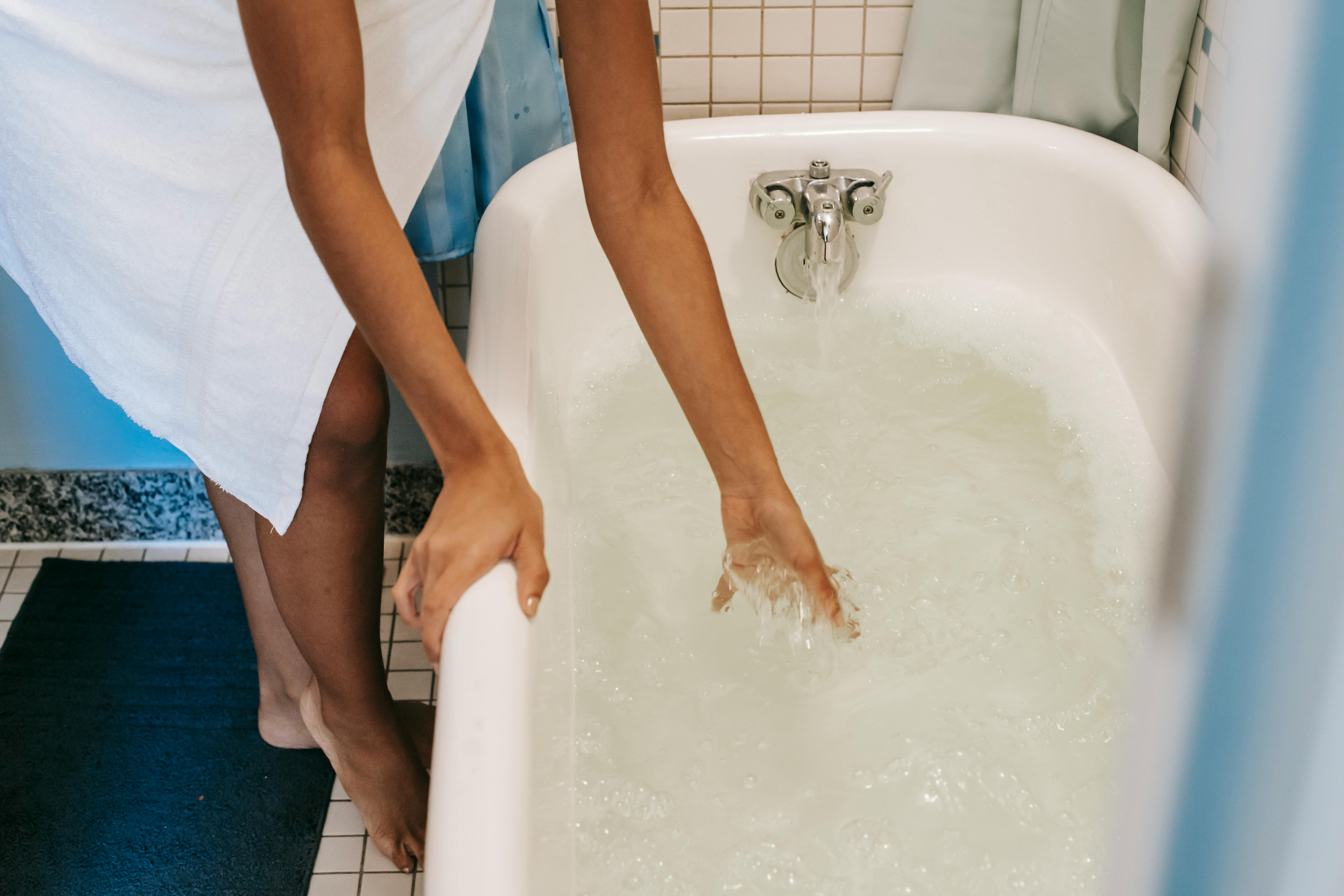
To bring all of this to life, here’s an example of a gentle, GLP‑1‑friendly day of eating. Portions are intentionally modest, protein and fiber are prioritized, and meals are spread out to support digestion and energy.
Morning: Soft protein and hydration
Start with a glass of water or herbal tea, then:
- ½–¾ cup Greek yogurt or skyr, topped with a few berries and a teaspoon of ground flax or chia.
- Optional: a few sips of coffee if it doesn’t upset your stomach.
Midday: Mediterranean‑style mini bowl
- ½ cup cooked quinoa or farro.
- ½ cup mixed roasted vegetables (e.g., bell peppers, zucchini, eggplant).
- 2–3 oz grilled chicken, tofu, or salmon.
- 1–2 teaspoons extra‑virgin olive oil, plus lemon juice and herbs.
Afternoon: Protein‑plus‑fiber snack
- 1 boiled egg and a small mandarin orange, or
- Small protein shake (about 15–20 g protein) and a few whole‑grain crackers.
Evening: Light but satisfying dinner
- Small piece of baked fish or tofu (about the size of your palm or smaller if needed).
- ½ cup steamed or roasted vegetables (e.g., broccoli, carrots, green beans).
- ¼–½ cup mashed sweet potato dressed with a drizzle of olive oil.
Evening, if needed: Gentle “top‑off” snack
If you’re short on calories or protein for the day, a few spoonfuls of yogurt, a piece of cheese, or half a protein bar can be enough—no need to force a full meal.
Make Nourishing Choices Easier: Prep, Storage, and Reheating
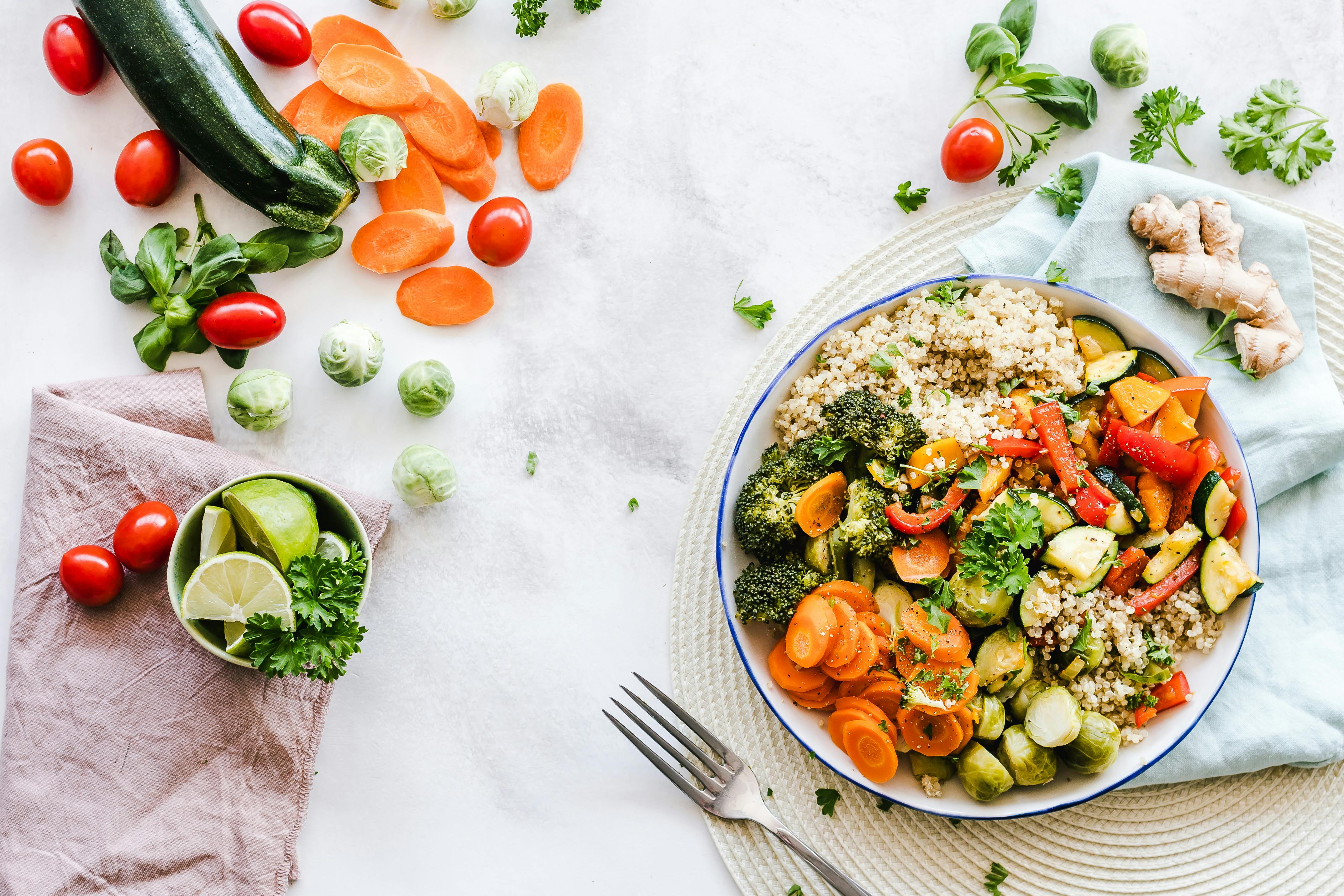
When food doesn’t sound that appealing, friction becomes your enemy. If every meal requires chopping, simmering, and cleanup, it’s far too easy to skip eating altogether. Light prep work can make high‑protein, nutrient‑dense choices feel almost effortless.
Smart batch‑prep ideas
- Cook a small batch of grains (quinoa, brown rice, farro) to use for 3–4 days.
- Roast a tray of mixed vegetables that reheat well (broccoli, carrots, bell peppers, zucchini).
- Prepare a few servings of protein: grilled chicken thighs, baked tofu, a simple lentil stew, or salmon patties.
- Keep quick protein options in the fridge: boiled eggs, individual Greek yogurt cups, cottage cheese, string cheese.
Storage and reheating tips
- Refrigeration: Most cooked proteins and grains last 3–4 days in airtight containers in the fridge.
- Freezing: Portion soups, stews, and cooked beans into small containers you can thaw as needed.
- Gentle reheating: Warm food slowly (low to medium heat, or at 50–70% power in the microwave) to keep textures tender and aromas appealing.
- Flavor boosts: Add fresh lemon juice, herbs, or a drizzle of olive oil after reheating to revive flavor and scent.
Complementary Habits: What Pairs Well with a GLP‑1‑Friendly Diet
Food is just one piece of the GLP‑1 puzzle. To feel your best—physically and emotionally—pair your nutrition plan with a few simple, supportive rituals.
- Hydration “anchors”: Link drinking water to daily habits (after brushing teeth, before each meal, after workouts) to keep digestion moving smoothly.
- Gentle movement: Walking, yoga, or stretching support digestion, mood, and recovery from strength training.
- Sleep hygiene: Adequate, consistent sleep helps regulate appetite hormones, mood, and energy—critical while your body adapts to a new medication.
- Emotional check‑ins: Regularly ask, “How do I feel in my body right now? What do I need?” Your answer might be food, rest, connection, or medical support.

The Bottom Line: Beyond ‘Skinny Shots’ to Sustainable Nourishment
GLP‑1 medications have undeniably changed the weight‑loss conversation. But the quiet, steady work of eating well, preserving muscle, and tending to your emotional health still matters just as much as ever—maybe more.
If you remember only a few things, let them be these:
- Prioritize protein at every meal and snack to protect your muscle and metabolism.
- Focus on nutrient‑dense, Mediterranean‑style foods—colorful plants, whole grains, healthy fats, and quality proteins.
- Move your body with resistance training 2–3 times per week, plus gentle daily movement.
- Work closely with your healthcare team to adjust doses, monitor labs, and tailor your plan.
- Stay curious and compassionate toward yourself as your body and needs change.
You’re not just chasing a number on the scale—you’re building a way of eating and living that you can carry with you, with or without the medication. One thoughtful, nourishing bite at a time.
