Ozempic, ‘Skinny Shots,’ and the New Rules of Diet Culture in the Age of GLP‑1 Drugs
Ozempic, GLP‑1 Drugs, and the New ‘Skinny Shot’ Diet Culture
Ozempic, Wegovy, Mounjaro, and newer GLP‑1 drugs are doing more than changing people’s bodies—they’re reshaping how we talk about dieting, health, and even food pleasure itself. Instead of swapping low‑carb for low‑fat or keto for paleo, many people now ask a very different question: “How do I nourish myself when I’m just not that hungry?” This new landscape sits at the crossroads of celebrity culture, social media, nutrition science, and public health, and it’s transforming what “diet culture” means in the 2020s.
If you’re on a GLP‑1 medication—or simply curious about the hype—this guide will walk you through how these drugs work, what they mean for your relationship with food, and how to build a satisfying, nutrient‑dense way of eating that supports your body rather than punishing it.
What Are GLP‑1 Drugs Like Ozempic, Wegovy, Mounjaro, and Zepbound?
GLP‑1 receptor agonists are medications originally developed to treat type 2 diabetes. They mimic a natural hormone called GLP‑1 (glucagon‑like peptide‑1), which helps:
- Regulate blood sugar after meals
- Slow how quickly food leaves your stomach (gastric emptying)
- Signal your brain that you’re full sooner and for longer
When appetite drops and fullness lingers, many people naturally eat less—sometimes a lot less. That’s why GLP‑1 drugs are now prescribed (in specific formulations and doses) for chronic weight management, not just diabetes. Popular brand names include:
- Ozempic – approved for type 2 diabetes; widely used off‑label for weight loss
- Wegovy – approved specifically for obesity and weight management
- Mounjaro and Zepbound – target GLP‑1 and another hormone, GIP, and are used for diabetes and weight management
In social media and tabloids, they’re often called “skinny shots” or “weight‑loss injections”—language that oversimplifies complex medications into a quick‑fix fantasy. The reality is more nuanced and more human.
How GLP‑1 “Skinny Shots” Are Disrupting Traditional Diet Culture
For decades, diet culture has spun around willpower: smaller portions, fewer carbs, more rules. GLP‑1 drugs flip that script. Instead of white‑knuckling your way through hunger, many users experience:
- Muted cravings for sweets or ultra‑processed snacks
- Early fullness after just a few bites
- Less mental chatter about food throughout the day
This shift has ripple effects across pop culture:
- Celebrity bodies change seemingly overnight, sparking speculation and rumors.
- On TikTok and YouTube, people post
Ozempic journeys
, injection vlogs, and “what I eat in a day on Wegovy.” - Doctors and dietitians respond with explainers, trying to ground the conversation in science instead of pure aesthetics.
Underneath all the noise, a quieter, more important question is emerging: if dieting is no longer about fighting hunger, what does a healthy, joyful relationship with food look like?
Nutrition on Ozempic and GLP‑1s: Eating Well When You’re Not Very Hungry
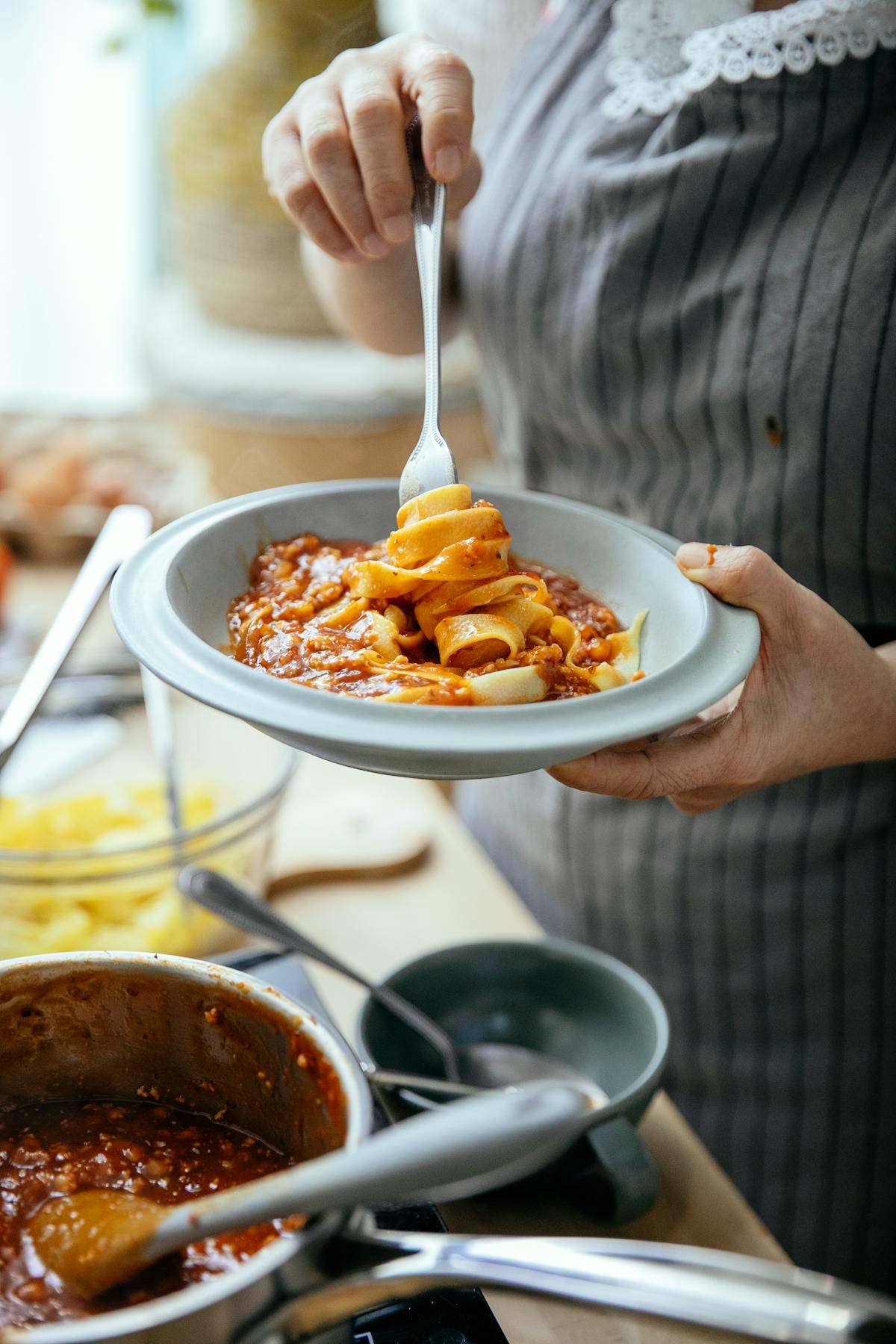
Many people on GLP‑1s find themselves skipping meals or “forgetting” to eat. While this can lead to weight loss, it can also cause muscle loss, nutrient gaps, fatigue, and constipation if you’re not strategic. The new goal isn’t to eat as little as possible—it’s to make every bite count.
Clinicians and dietitians often emphasize four pillars of eating on GLP‑1 medications:
- Prioritize protein
Aim for roughly 1.2–1.6 grams of protein per kilogram of body weight per day, unless your healthcare provider advises otherwise. This helps protect lean muscle as the scale moves. - Pack in fiber
Vegetables, fruits, beans, lentils, and whole grains keep digestion moving despite slower gastric emptying. - Cover your micronutrient bases
Iron, B vitamins, calcium, vitamin D, and magnesium all support energy, immunity, and bone health. Think colorful produce, dairy or fortified alternatives, eggs, nuts, seeds, and, when appropriate, supplements. - Include healthy fats
Olive oil, avocado, nuts, seeds, and fatty fish nourish hormones, brain function, and satisfaction.

A Practical Eating Strategy for GLP‑1 Users: What to Put on Your Plate
Think of your meals as compact nutrition packages. You may not be able—or willing—to eat large portions, so we concentrate flavor and nutrients into smaller servings.
A simple, sustainable template:
- ½ plate non‑starchy vegetables (roasted broccoli, salad greens, sautéed spinach, peppers)
- ¼ plate lean protein (chicken, turkey, fish, eggs, tofu, beans, Greek yogurt)
- ¼ plate whole‑grain or starchy carb (quinoa, brown rice, farro, sweet potato, barley)
- 1–2 tablespoons healthy fats (olive oil drizzle, avocado slices, nuts, seeds)
Many people find it easier to graze on three small meals and one or two protein‑rich snacks instead of forcing traditional large meals. The key is consistency: nourishing your body regularly, even when your appetite is quiet.
A Day of Eating on Ozempic: High‑Protein, Nutrient‑Dense, and Satisfying
Everyone’s appetite and tolerance on GLP‑1 drugs are different, but here’s an example of a balanced day of eating designed to protect muscle and support energy while honoring lower hunger cues.
- Breakfast (or first meal)
Greek yogurt parfait with:- ¾–1 cup plain Greek yogurt
- ¼ cup high‑fiber granola or oats
- ½ cup berries
- 1 tablespoon chia or ground flaxseed
- Midday meal
Small whole‑grain wrap with:- Grilled chicken or tofu
- Hummus
- Spinach, cucumber, tomato
- Olive oil and lemon drizzle
- Snack
A boiled egg or a small protein shake plus a piece of fruit. - Evening meal
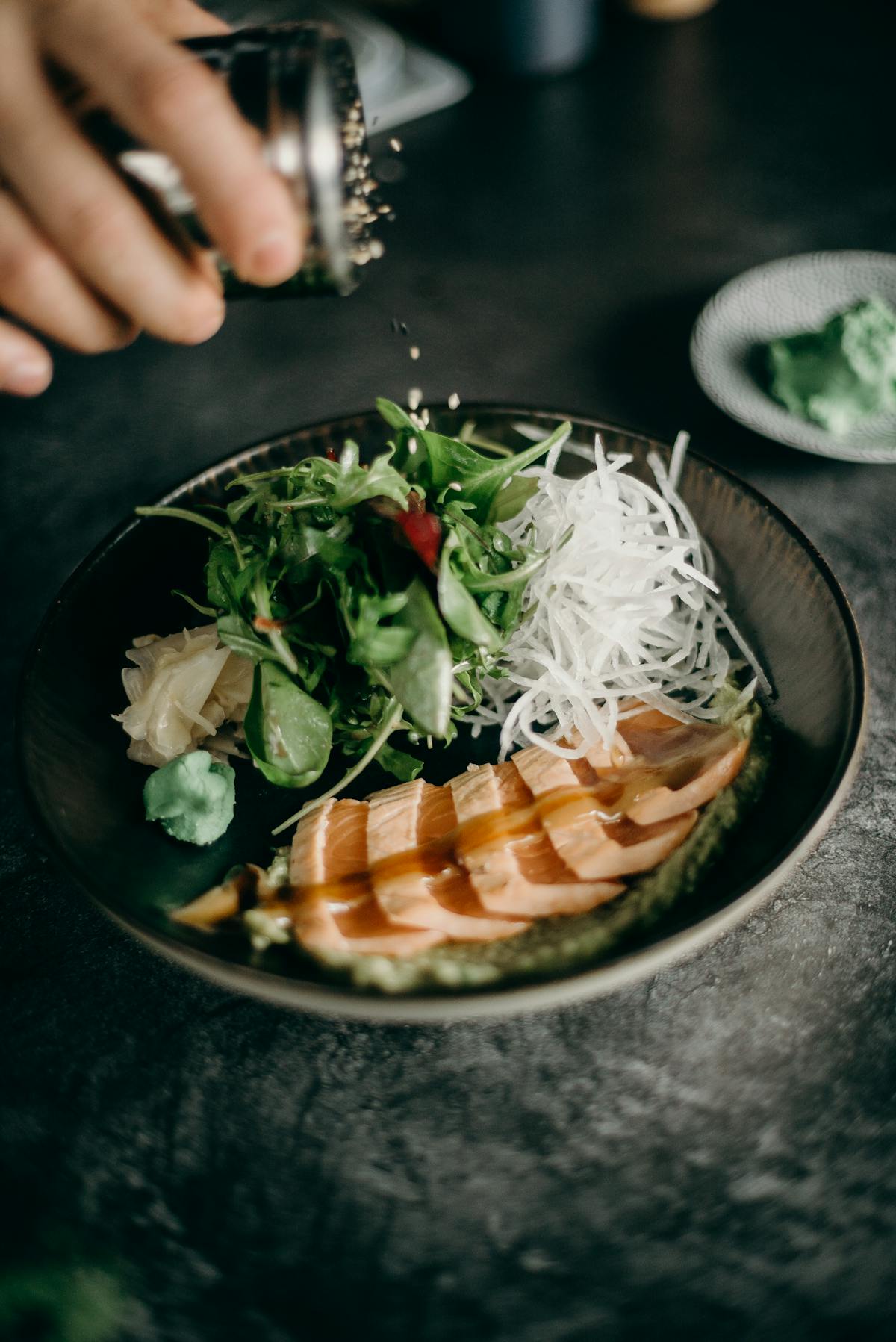
Baked salmon with roasted vegetables and a small serving of quinoa or sweet potato.
This approach leans into texture, color, and flavor—creamy yogurt, juicy berries, crunchy vegetables, warm grains, and silky salmon—so that eating remains a pleasure, not just a checklist.
Side Effects, Risks, and the Limits of the “Magic Shot” Narrative
GLP‑1 drugs are powerful tools, but they are not magic—and they’re not suitable for everyone. Some commonly reported side effects include:
- Nausea, vomiting, or general stomach upset
- Constipation or, less often, diarrhea
- Heartburn or bloating
- Potential muscle loss if total protein and calories are too low
More serious risks—like pancreatitis, gallbladder issues, or rare thyroid tumors—are being actively studied, and these medications should be used only under medical supervision. People with certain medical histories may be advised to avoid them entirely.
Many users also describe emotional side effects: feeling disconnected from food, missing the joy of shared meals, or wrestling with a new body image that changed faster than their self‑perception. Those experiences are real and worth honoring.
Cost, Access, and Ethics: Who Gets the Benefit of GLP‑1 Drugs?
Part of why GLP‑1 drugs are such a hot topic is economic and ethical, not just medical. Themes that come up again and again:
- High costs that put these medications out of reach for many without robust insurance coverage.
- Drug shortages that can affect people with diabetes who rely on them for blood‑sugar control.
- Equity concerns around who is able to access long‑term, evidence‑based obesity care versus short‑term fad diets.
- Long‑term reliance—many people regain weight when they stop, raising questions about lifelong medication versus sustainable lifestyle change.
Some public‑health experts see cautious hope: if used appropriately, GLP‑1s could help reduce rates of obesity‑related diseases such as type 2 diabetes, heart disease, and sleep apnea. Others worry that without broader structural changes—better food access, safer spaces for movement, less stigma—these drugs may simply layer a high‑tech solution onto an unequal system.
Redefining “Dieting” in the GLP‑1 Era: From Restriction to Sustainable Nourishment
The rise of GLP‑1 drugs is forcing a rethink of what “dieting” even means. If a weekly injection can dial down hunger, then willpower and white‑knuckle restriction stop being the center of the story?
More and more, the conversation is shifting from:
What diet will make me lose weight fastest?
- to
How do I protect my muscle, hormones, and long‑term health while my appetite is low?
- and
How can I still enjoy eating and social connection around food?
That reframe opens up gentler, more sustainable possibilities: strength training alongside medication, nutrient‑dense cooking at home, flexible eating patterns, and a deeper respect for obesity as a complex, chronic condition—not a moral failing.

Practical Tips for Thriving on GLP‑1 Medications
If you’re currently using Ozempic, Wegovy, Mounjaro, Zepbound, or a similar GLP‑1, these small habits can make a big difference in how you feel:
- Eat slowly and stop before you feel stuffed—fullness can sneak up on you.
- Front‑load protein earlier in the day to support muscle and energy.
- Stay hydrated, especially if you’re experiencing constipation.
- Move your body with strength training or resistance work 2–3 times per week, if you’re able.
- Plan small, nutrient‑dense meals in advance so you don’t rely on ultra‑processed snacks when you finally do feel hungry.
- Check in with your provider about side effects, lab work, and any supplements you’re considering.