
Ozempic-Like Weight Loss Drugs: The Real Story Behind What Happens When You Stop
If you’ve been hearing about Ozempic, Wegovy, or other Ozempic-like weight loss drugs, you’re not alone. These medications have helped many people lose a substantial amount of weight when other approaches haven’t worked. But a new analysis highlighted by ScienceAlert adds an important twist: about a year after stopping these drugs, people tend to keep only around 25% of the weight they lost.
That’s the “catch” the headlines are talking about—and it raises fair questions: Is it worth starting if weight comes back? Are you signing up for a lifetime medication? And what can you realistically expect if you’re already on one of these drugs or thinking about it?
In this guide, we’ll unpack what this new research actually means, why the body tends to regain weight, and how to use Ozempic-like medications as one tool—rather than a magic fix—in a long-term, compassionate approach to health.
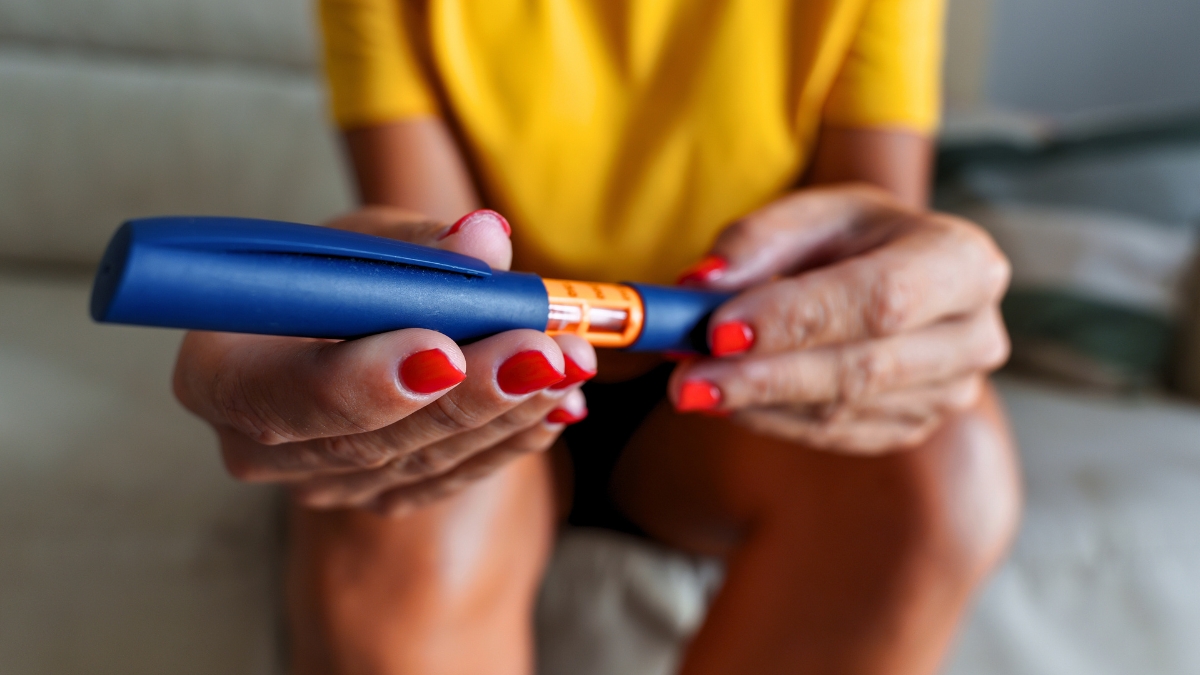
What Are Ozempic-Like Drugs, Exactly?
When people talk about “Ozempic-like” drugs for weight loss, they’re usually referring to GLP-1 receptor agonists (and closely related drugs). These medications were originally developed for type 2 diabetes, and some are now approved specifically for obesity treatment.
- Semaglutide – sold as Ozempic (diabetes) and Wegovy (obesity)
- Liraglutide – sold as Saxenda for weight management
- Tirzepatide – a dual GIP/GLP-1 agonist, sold as Mounjaro (diabetes) and Zepbound (obesity) in several countries
These drugs mimic hormones involved in appetite and blood sugar. They tend to:
- Reduce hunger and food cravings
- Slow stomach emptying, so you feel full longer
- Improve blood sugar control
“GLP-1 agonists have shifted how we think about obesity—from a willpower issue to a chronic, biological condition that often benefits from medical treatment.”
— Obesity medicine specialist, clinical commentary
The New Analysis: What Happens After You Stop?
The analysis covered by ScienceAlert looked at people who stopped Ozempic-like medications after losing weight. About a year later, on average, they had:
- Regained a significant portion of the weight they lost
- Kept off roughly 25% of the original weight loss
For example, if someone lost 20 kg (44 lb) while on the drug:
- They might regain around 15 kg (33 lb)
- They would still be about 5 kg (11 lb) lighter than when they started
Earlier trials have shown similar patterns. In a widely cited semaglutide study, participants who stopped the medication regained about two-thirds of their lost weight within a year. The new analysis suggests that, across studies, a modest but real amount of weight loss remains—but not all, and not usually most, of it.
Why Does Weight Often Come Back After Stopping?
The weight regain isn’t a sign you’ve “failed.” It’s mostly your body doing exactly what it’s wired to do to protect you.
- Hormones shift back
GLP-1 drugs help quiet hunger signals. When you stop, hormones that drive appetite (like ghrelin) can surge again, making you feel hungrier than before. - Metabolism adapts to weight loss
After weight loss, your body tends to burn fewer calories—a phenomenon often called “metabolic adaptation.” Without the medication helping control intake, it’s easier to drift back to your previous weight. - Old habits and environments return
Many people stop the medication but still live in the same food environment, stress level, and schedule that contributed to weight gain in the first place. - Obesity is chronic, not acute
Like high blood pressure or high cholesterol, obesity is often a long-term condition. Stopping a treatment can mean the underlying biology reasserts itself.
“The body is remarkably good at defending its highest sustained weight. When we lose weight, powerful biological systems work to restore that weight—sometimes for years.”
— Research summary from leading obesity organizations
The Real Benefits—and Real Limits—of Ozempic-Like Drugs
Even with partial weight regain after stopping, these medications can offer meaningful benefits while you’re on them, and sometimes beyond.
Potential Benefits (When Clinically Appropriate)
- Significant weight loss compared with lifestyle changes alone in many trials
- Improved blood sugar control in people with type 2 diabetes
- Reductions in blood pressure and some cardiovascular risk markers in certain groups
- Better mobility, sleep, and energy reported by many patients
Important Limitations and Side Effects
- Common side effects: nausea, vomiting, diarrhea, constipation, abdominal discomfort
- Rare but serious risks: pancreatitis, gallbladder problems, and others in specific populations
- High cost and inconsistent insurance coverage in many regions
- Weight often returns, partially or largely, when the medication is stopped

The “Catch”: These Drugs Work Best as Long-Term Tools, Not Shortcuts
The new analysis doesn’t mean Ozempic-like drugs “don’t work.” It means they behave more like blood pressure medications than like a short-term detox.
- They manage a chronic condition, often for as long as you use them.
- If you stop, the underlying biology is still there, and symptoms (including weight gain) often return.
- They’re powerful, but not magic: food environment, stress, sleep, movement, and mental health still matter.
For many people, the realistic choice is between:
- Long-term use (at least several years, possibly longer), or
- Using the medication for a period of time while building sustainable habits, accepting that some weight regain is likely after stopping.
“When I started semaglutide, my doctor was very clear: this might be a long-term therapy, not a quick fix. Knowing that upfront helped me set realistic expectations.”
— Patient experience, paraphrased from clinical reports
Using Ozempic-Like Medications Wisely: Practical Steps
If you and your clinician decide an Ozempic-like drug is appropriate, a few strategies can help you get the most out of it—both while you’re on it and if you ever decide to stop.
1. Start with Clear, Realistic Goals
- Aim for health improvements (blood sugar, blood pressure, mobility, sleep) rather than a “perfect” scale number.
- Understand that modest, sustained loss (5–10% of body weight) can have meaningful health benefits.
- Clarify whether the plan is likely to be long-term or time-limited from the beginning.
2. Build Habits While the Medication Is Working
Many people find that reduced appetite gives them a unique window of opportunity to reshape habits.
- Establish a regular meal pattern that feels sustainable for you.
- Practice mindful eating—pay attention to fullness cues while they’re easier to notice.
- Gradually add movement you enjoy (walking, cycling, swimming, strength training, dancing).
- Prioritize sleep and stress management, which strongly influence appetite and cravings.

3. Plan Ahead for “What If I Want to Stop?”
If you ever need or want to stop—because of side effects, cost, pregnancy, access issues, or personal preference—advance planning can ease the transition.
- Talk with your clinician about gradual dose reductions, not abrupt stopping, where appropriate.
- Expect increased hunger—it’s not you “losing control,” it’s biology.
- Schedule extra support (dietitian, therapist, support group) in the weeks and months after stopping.
- Focus on keeping some new habits, not all of them perfectly.
Common Obstacles—and How to Navigate Them
1. Side Effects
Nausea, bloating, and changes in bowel habits are among the most common reasons people struggle to stay on GLP-1 medications.
- Work with your prescriber on slow dose titration.
- Eat smaller, more frequent meals and avoid very high-fat, heavy foods.
- Stay hydrated and discuss evidence-based remedies for nausea if needed.
2. Cost and Access
- Check your insurance or national health system’s coverage criteria.
- Ask about patient assistance programs or lower-cost alternatives when available.
- Have a backup plan for what you’ll do if access changes unexpectedly.
3. Social Pressure and Stigma
Some people feel judged for “using a drug” to lose weight; others feel pressure to stay thin at any cost once the weight is gone.
- Remember: treating obesity is as legitimate as treating any other chronic condition.
- Choose who you share details with; you don’t owe anyone an explanation.
- Seek weight-neutral or weight-inclusive healthcare providers when possible.

A More Honest “Before and After”: What One Year Can Look Like
Traditional weight loss ads show dramatic “before and after” photos. For GLP-1 medications, a more honest picture might be “before, after, and after stopping.”

Consider this simplified, hypothetical example (numbers for illustration only):
- Starting weight: 120 kg (265 lb)
- After 12–18 months on medication: 96 kg (212 lb) – 20% loss
- One year after stopping: 108 kg (238 lb) – regained 12 kg, but still 12 kg below starting weight
Health outcomes in this scenario could still be positive—improved blood sugar, lower blood pressure, better sleep—even though the headline weight loss number shrank. This is why many experts emphasize health markers and quality of life rather than the scale alone.
What the Science Says So Far (and What We Still Don’t Know)
Research on GLP-1 and related drugs for obesity is evolving rapidly. As of 2026:
- Multiple randomized controlled trials show clinically significant weight loss while on treatment.
- Follow-up data consistently show partial to substantial regain when treatment stops.
- Some studies suggest improvements in cardiovascular outcomes in certain high-risk groups.
- Long-term safety data are growing but still limited beyond several years of continuous use.
Authoritative sources you can explore with your clinician include:
- New England Journal of Medicine (semaglutide and tirzepatide obesity trials)
- The Lancet (longer-term obesity and cardiometabolic outcome data)
- The Obesity Society and Endocrine Society guidelines
Key Takeaways: Making a Decision That Respects Your Whole Health
- Ozempic-like drugs can be very effective for weight loss while you’re taking them, especially for people with obesity or weight-related health problems.
- Most people regain a significant portion of lost weight after stopping, but on average, about 25% of the weight loss may remain after a year.
- This doesn’t mean they “don’t work.” It reflects that obesity is a chronic condition and that these medications act as ongoing treatments, not cures.
- Your plan should be individualized, considering your medical history, mental health, finances, support system, and personal values.
- Compassion matters. Weight fluctuation is common; your worth is not defined by your size or a medication dose.
If you’re considering or already using an Ozempic-like medication, a helpful next step is to sit down with a trusted healthcare professional and ask:
- What are my specific health goals with this medication?
- How long do you envision I’ll be on it, realistically?
- What signs would tell us it’s working—or not working—for me?
- How can we support my mental health and lifestyle changes alongside the medication?
- What’s our plan if I need or choose to stop?
You deserve a plan that honors both the science and your lived experience—not just a number on the scale.

If you feel overwhelmed by the noise around weight loss drugs, you’re not alone. Taking the time to learn, ask questions, and move at your own pace is an act of self-care in itself.
