
Ozempic Diet Secrets: How GLP‑1 Drugs Are Quietly Changing the Way We Eat
Ozempic, GLP‑1 Drugs, and the Rise of the ‘Ozempic Diet’
GLP‑1 medications like Ozempic, Wegovy, and Mounjaro were born in endocrinology labs, not wellness blogs—yet they’ve become the centerpiece of a brand‑new food conversation. As these powerful drugs slow digestion and dial down appetite, people are discovering that how you eat on them can make the difference between feeling nourished and energized…or weak, nauseous, and frustrated. The emerging “Ozempic diet” isn’t a single meal plan, but a smarter, protein‑forward, gut‑friendly way of eating that helps protect your health while the scale is moving.
Below, you’ll find an evidence‑informed guide to what to eat on GLP‑1 drugs, how to manage side‑effects, and how to build lasting habits so that your results don’t vanish the moment the prescription ends. Think of this as a practical roadmap: part science, part kitchen inspiration, and deeply supportive of real‑life eaters with real‑life schedules.
Quick Overview: GLP‑1 Drugs & Eating Patterns
GLP‑1 receptor agonists were originally developed for type 2 diabetes, but their appetite‑lowering effect has led to widespread use for weight loss. They slow gastric emptying (how quickly food leaves your stomach), which can help you feel full on much smaller portions—but can also cause nausea, constipation, and reflux if meals aren’t tailored to your new metabolism.
- Common drugs: Ozempic, Wegovy, Mounjaro, Zepbound (and similar GLP‑1/GIP medications).
- Main effects: Reduced appetite, slower digestion, improved blood sugar control, potential weight loss.
- Big nutrition risks: Too few calories, low protein, micronutrient gaps, loss of muscle mass, digestive discomfort.
- Core strategy: Protein‑forward, fiber‑rich, moderate‑fat meals in smaller, gentler portions.
How Social Media Shaped the ‘Ozempic Diet’ Story
Open TikTok or YouTube and you’ll find thousands of “Ozempic journey” videos: weekly weigh‑ins, tiny meals, and stunned confessions like “I forgot to eat today.” Many creators describe losing interest in their once‑craved sweets or fast food. It can look almost magical from the outside—but health professionals watching these feeds see something else: people unintentionally under‑eating, losing muscle along with fat, and struggling with stubborn nausea or constipation.
In response, registered dietitians and physicians have begun posting counter‑content: evidence‑based advice about how to eat enough protein, how to time meals, and how to think beyond the quick‑fix mentality that often surrounds weight‑loss drugs. The message is clear: the medication can change your appetite, but you still get to shape the quality of what goes on your plate.
Key Nutrition Principles While on Ozempic or Other GLP‑1 Drugs
Think of GLP‑1 drugs as a volume knob for appetite, not as a nutrition plan. Because you’re likely eating far less food, every bite needs to do more work for you—more protein, more vitamins and minerals, more fiber, more satisfaction.
1. Prioritize Protein to Protect Muscle
Experts commonly recommend about 1.2–1.6 grams of protein per kilogram of body weight per day, spread across meals. For a 70 kg (155‑lb) person, that’s roughly 85–110 g protein daily. With your appetite dialed down, you might only manage two or three modest meals—so each one should include a solid protein anchor.
- Lean animal proteins: chicken breast, turkey, fish, eggs, low‑fat Greek yogurt, cottage cheese.
- Plant proteins: tofu, tempeh, edamame, lentils, chickpeas, beans, soy yogurt, seitan.
- Convenient options: ready‑to‑drink protein shakes, protein powders blended into smoothies, high‑protein yogurts.
Muscle is like your body’s “metabolic engine.” Losing a lot of it can make you feel frail, lower your resting metabolism, and increase the risk of regaining weight later. Pairing adequate protein with resistance training is one of the best insurance policies you can give your future self.
2. Embrace Fiber‑Rich Carbs, But in Gentle Portions
Because GLP‑1 drugs slow digestion, giant bowls of salad or heavy, greasy meals can feel uncomfortable. Fiber is still vital—for gut health, blood sugar balance, and constipation relief—but aim for moderate, well‑chewed portions instead of big, bulky plates.
- Soft or cooked vegetables: roasted carrots, sautéed zucchini, steamed green beans, tender broccoli.
- Whole grains: oats, quinoa, brown rice, farro, whole‑grain bread.
- Fruits: berries, kiwis, oranges, soft pears; peel if your gut is extra sensitive.
3. Moderate Fat to Reduce Nausea
Very high‑fat meals tend to sit heavily in the stomach and can aggravate nausea or reflux when gastric emptying is slowed. You don’t need to fear fat—just choose smaller amounts of high‑quality fats:
- Avocado slices instead of half an avocado.
- A teaspoon or two of olive oil instead of a generous pour.
- A sprinkle of nuts or seeds rather than a large handful.
4. Hydrate Strategically
Dehydration can sneak up on GLP‑1 users, especially when food and drink intake both decline. Aim to sip fluids throughout the day—water, herbal teas, broths—rather than chugging large volumes with meals, which can add to a sense of fullness or bloating.
Some people find warm liquids (ginger tea, light broths) particularly soothing for mild nausea.
Managing Common Side‑Effects With Food
Side‑effects vary from person to person, but food choices and meal structure can make a noticeable difference in how you feel day to day.
Nausea
- Favor small, frequent meals or snacks every 2–4 hours over large meals.
- Choose bland, lower‑fat foods when symptoms peak: crackers, toast, mashed potatoes, plain rice, bananas.
- Try ginger (ginger tea, ginger chews) and cool foods like yogurt or smoothies.
Constipation
- Increase fiber gradually with cooked vegetables, fruits, and whole grains.
- Stay consistent with fluids; warm drinks can gently stimulate the bowels.
- Consider talking with your clinician about a gentle fiber supplement or stool softener if needed.
Reflux or Heartburn
- Avoid lying down for at least 2–3 hours after eating.
- Choose smaller, lighter meals and limit very spicy, acidic, or high‑fat dishes.
- Notice your personal triggers and keep them for occasional, small‑portion enjoyment.
What an “Ozempic‑Friendly” Plate Looks Like
Imagine a smaller plate where every element is working for you: protecting muscle, calming your stomach, stabilizing blood sugar, and leaving you pleasantly satisfied rather than stuffed. A practical rule of thumb:
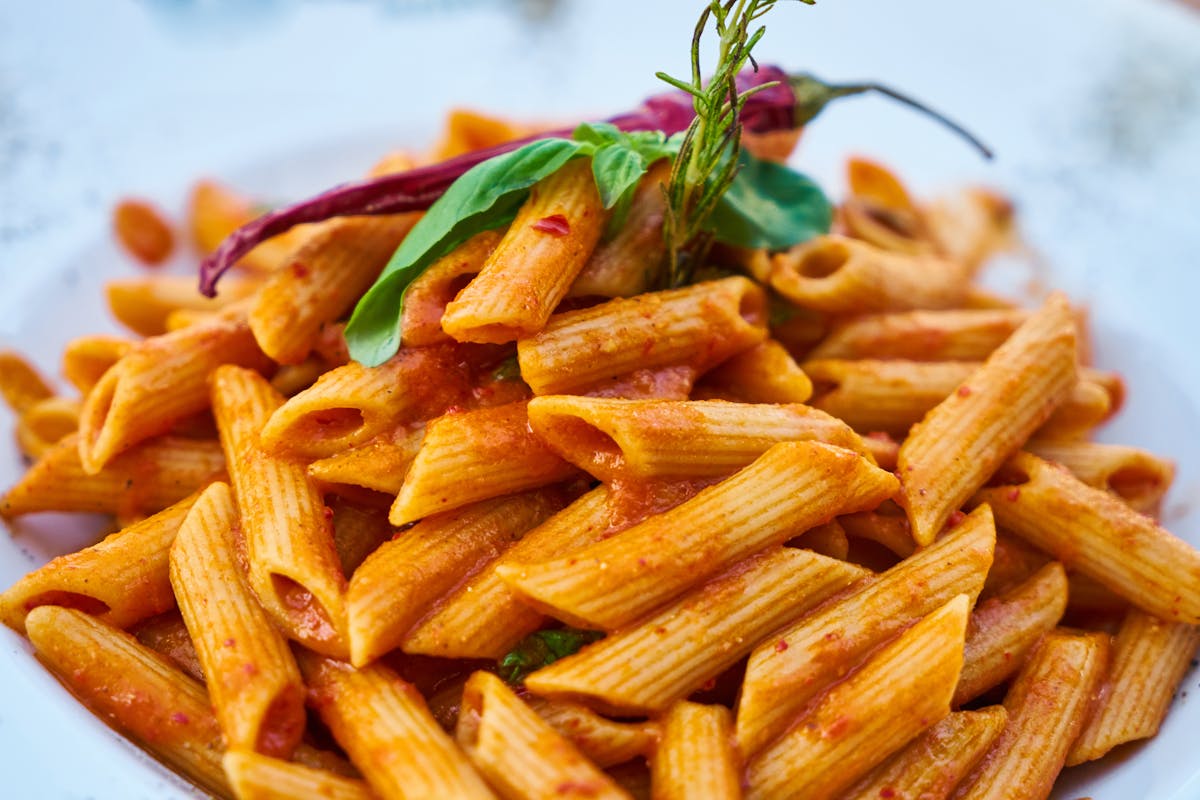
Half the plate soft vegetables or fruit, one‑quarter lean protein, and one‑quarter gentle whole grains or starchy vegetables, with a small drizzle or sprinkle of healthy fats.
Sample Meal Ideas
- Breakfast: Greek yogurt with berries and a spoonful of oats; or scrambled eggs with sautéed spinach and a slice of whole‑grain toast.
- Lunch: Lentil soup with soft vegetables plus a small piece of whole‑grain bread; or tofu stir‑fry with rice and tender broccoli.
- Dinner: Baked salmon, mashed sweet potatoes, and roasted carrots; or chicken breast, quinoa, and green beans.
- Snacks: Cottage cheese with fruit, a protein shake, a banana with a thin spread of peanut butter, hummus with soft pita.
What Happens After You Stop Ozempic?
Early data and real‑world stories suggest that when people discontinue GLP‑1 drugs and slip back into old habits, weight regain is common. That’s not a moral failure; it’s simply biology. Appetite often returns, and if muscle was lost during fast weight loss, your metabolism may be a bit lower than before.
The most sustainable approach is to treat the medication as a tool that buys you time and space to build new habits:
- Establish protein‑rich eating patterns you enjoy.
- Build a simple strength‑training routine 2–3 times per week.
- Practice mindful eating skills: pausing mid‑meal, checking hunger and fullness cues, savoring flavors.
- Plan regular meals and snacks so you’re not relying on last‑minute decisions once your appetite returns.
Many people find it helpful to work with a dietitian, therapist, or coach during this transition to keep the focus on health, confidence, and quality of life—not just the number on the scale.
Equity, Access, and the Celebrity Ozempic Narrative
As GLP‑1 drugs have exploded in popularity, so has the conversation around who gets access to them. Some celebrities and influencers openly share their use; others are rumored to be using them quietly. Meanwhile, many people with diabetes or lower incomes struggle with shortages and high out‑of‑pocket costs.
This tension has sparked broader ethical questions: How do we talk about GLP‑1 medications without glamorizing extreme thinness? How do we center long‑term metabolic health rather than short‑term transformations? And how can healthcare systems prioritize people who need these drugs for medical reasons while also supporting those using them for obesity treatment?
There are no easy answers, but one constructive step we can all take is to shift the conversation from appearance to well‑being: strength, energy, blood sugar control, mobility, mental health, and a compassionate relationship with food.
Sample Day of Eating on an Ozempic‑Style Plan
This is not a prescription, just an example of what a gentle, protein‑forward, GLP‑1‑friendly day might look like for someone with a modest appetite. Adjust portions and foods to your tastes, cultural background, and medical needs.
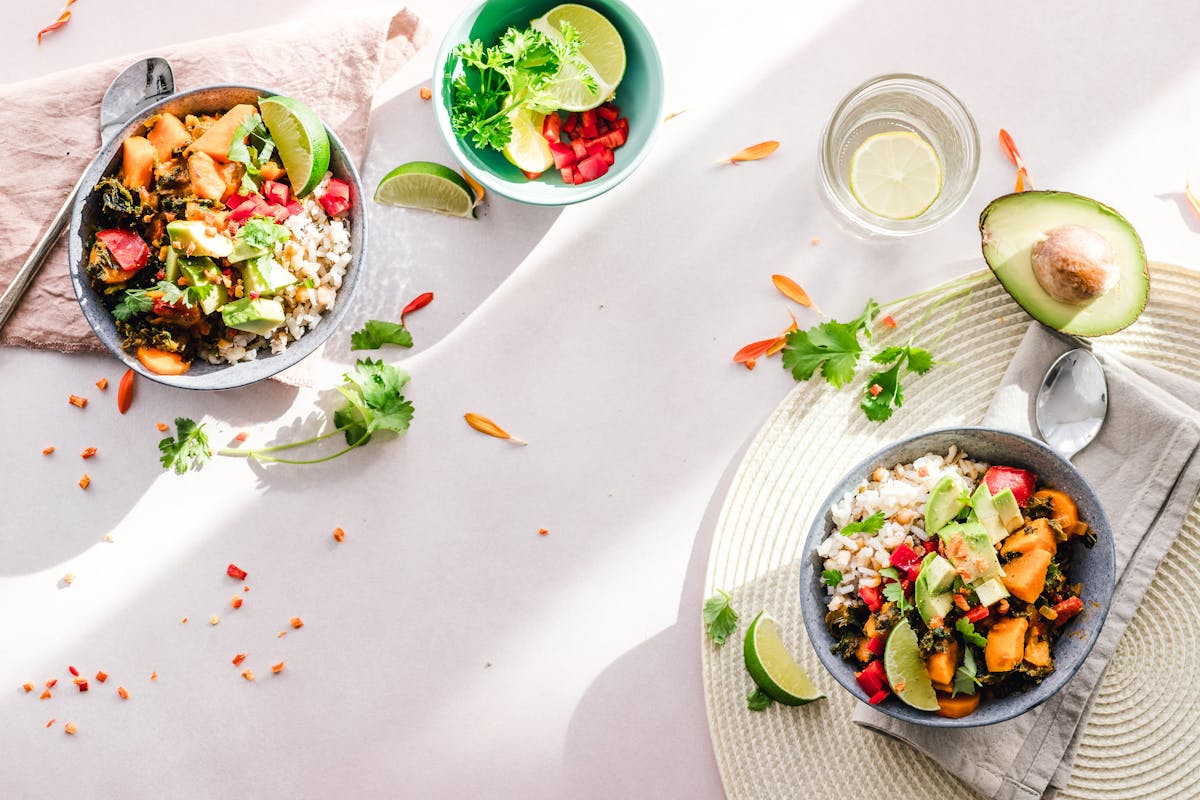
- Breakfast (gentle, high‑protein):
3/4 cup Greek yogurt, a small handful of berries, 1–2 tablespoons oats or granola, and a few chopped almonds. - Mid‑morning:
A small protein shake or a boiled egg if hunger appears. - Lunch:
1 small chicken breast (or tofu), 1/2 cup cooked quinoa, and roasted carrots and zucchini with a teaspoon of olive oil. - Afternoon:
Cottage cheese with a sliced peach or pear. - Dinner:
Baked salmon or tempeh, mashed sweet potato, and green beans sautéed lightly in olive oil. - Evening (optional):
Herbal tea and, if needed, a small snack like a rice cake with a thin smear of nut butter.
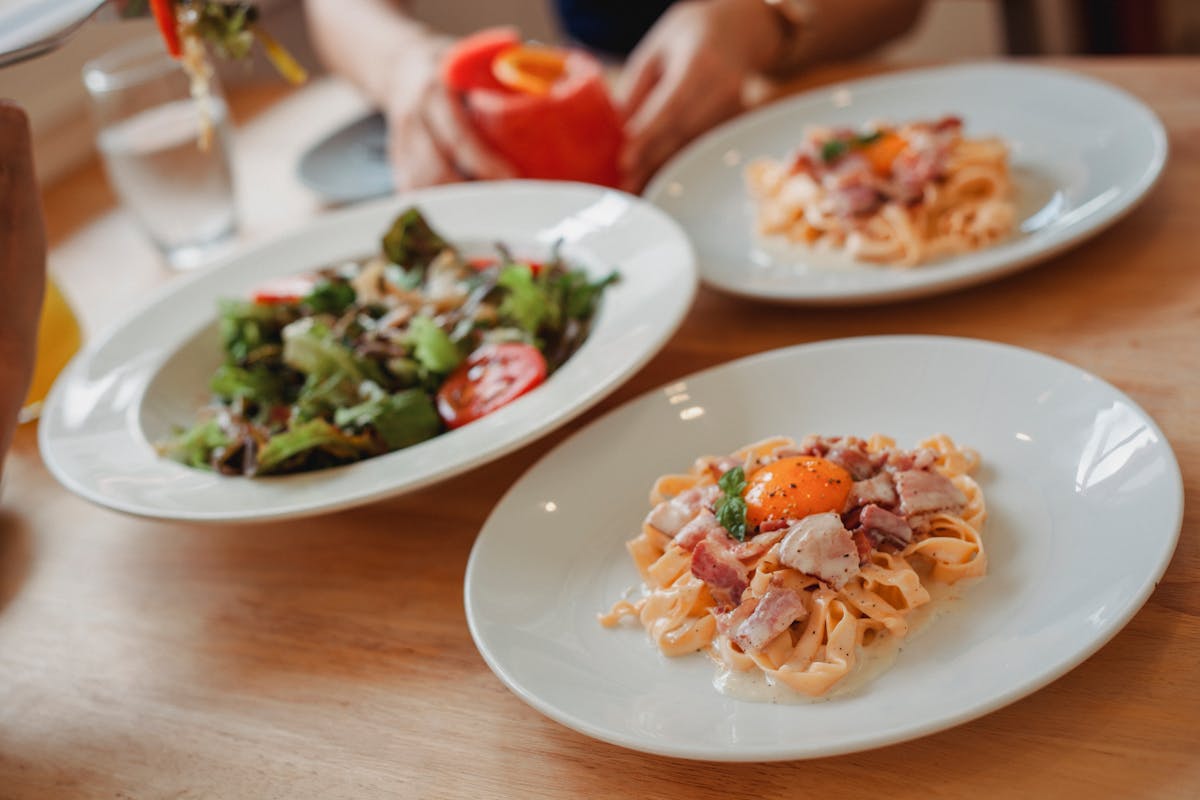
Visual Guide: GLP‑1‑Friendly Meals & Portions


Practical Tips to Make the Ozempic Diet Work in Real Life
- Eat by schedule, not just by hunger. When your appetite is very low, gentle reminders to eat can prevent extreme under‑eating.
- Keep high‑protein “back‑ups” on hand. Think yogurt cups, canned beans, rotisserie chicken, tofu, protein bars or shakes.
- Use smaller plates and utensils. This keeps portions aligned with your appetite while still feeling like a full meal visually.
- Pre‑portion trigger foods. Instead of banning sweets, enjoy them in small, intentional servings so you don’t feel deprived.
- Track trends, not perfection. A simple journal—how you felt, what you ate, side‑effects—can help you and your care team fine‑tune your plan.
Meal Prep, Storage, and Reheating for GLP‑1 Users
Because your appetite can be unpredictable on Ozempic and similar drugs, meal prep becomes a quiet superpower. Having gentle, balanced options ready makes it easier to nourish yourself even when food doesn’t sound exciting.
Storage Basics
- Cooked proteins (chicken, tofu, beans): store in airtight containers in the fridge for 3–4 days.
- Cooked grains (rice, quinoa, oats): 3–4 days in the fridge; freeze portions for longer storage.
- Soups and stews: 3–4 days in the fridge or up to 2–3 months in the freezer.
- Cut fruits and vegetables: 2–3 days, depending on the produce; keep dressings separate for salads.
Reheating Guidelines
- Reheat gently (low to medium heat) to avoid tough, rubbery textures that can be hard to digest.
- Add a splash of water or broth to cooked grains and proteins to keep them moist.
- If strong aromas trigger nausea, let food cool slightly before eating and consider milder seasonings.
Dietary Adaptations: Vegan, Gluten‑Free & More
An Ozempic‑style way of eating can be adapted to most dietary patterns—you simply weave the GLP‑1 principles into your existing framework.
Vegan or Vegetarian Ozempic Diet
- Use tofu, tempeh, seitan, edamame, lentils, chickpeas, and beans as protein staples.
- Include fortified plant milks and yogurts for calcium and vitamin B12 (plus a supplement as advised).
- Consider a plant‑based protein powder to help you reach daily protein goals with limited volume.
Gluten‑Free
- Choose gluten‑free grains such as rice, quinoa, buckwheat, certified GF oats, and corn products.
- Check sauces, marinades, and processed foods for hidden gluten.
Low‑Lactose or Dairy‑Free
- Opt for lactose‑free dairy or plant‑based yogurts and milks.
- Use soy‑based or pea‑based protein drinks and yogurts for a protein boost.
Serving Suggestions & Complementary Habits
Food is only one piece of the GLP‑1 puzzle. How you move, sleep, and manage stress all influence how you feel and how well you maintain results.
- Pair meals with gentle movement: A short walk after eating can aid digestion and blood sugar control.
- Schedule resistance training: Even 15–20 minutes of bodyweight exercises a few times a week supports muscle.
- Practice slow eating: Sit down, put your fork down between bites, and notice textures and flavors. This can prevent overeating on days when your appetite spikes.
- Build themed nights: “Soup and salad Sunday,” “Tofu taco Tuesday,” or “Grain bowl Friday” can make planning more fun and less stressful.
Bringing It All Together
The rise of Ozempic and other GLP‑1 drugs has changed what’s on many people’s plates—but it doesn’t have to erase the joy of eating. When you lean into protein‑rich, fiber‑aware, moderate‑fat meals, personalize your plan to your culture and preferences, and build sustainable movement habits, these medications can be one chapter in a much longer story of health.
You deserve more than a before‑and‑after photo. You deserve meals that make you feel strong, clear‑headed, and genuinely satisfied—whether you’re taking GLP‑1 drugs, stepping down from them, or deciding they’re not for you. Start with one small change—a higher‑protein breakfast, an extra glass of water, a batch of gentle soup in the fridge—and let your new Ozempic‑era eating style grow from there.
