
Ozempic Diet Hype vs. Healthy Habits: What GLP‑1 Users Really Eat
Ozempic, GLP‑1 Drugs, and the Rise of the ‘Ozempic Diet’
GLP‑1 weight‑loss medications like Ozempic, Wegovy, Mounjaro, and Zepbound have created a brand‑new food conversation online. All over TikTok and X/Twitter, people are sharing “Ozempic diet” meal ideas, side‑effect hacks, and before‑and‑after stories—sometimes helpful, sometimes risky. In the middle of all this noise, many people are just trying to answer one simple question: What on earth should I eat on these meds so I feel okay and stay healthy?
This guide breaks down why GLP‑1 diets are trending, what the evidence‑based themes really are, and how to build satisfying, protein‑rich, nutrient‑dense meals that support your body—not fight against it—while you’re on these drugs and after.
Why ‘Ozempic Diet’ Content Is Everywhere
GLP‑1 receptor agonists like semaglutide (Ozempic, Wegovy) and tirzepatide (Mounjaro, Zepbound) change the way people experience hunger and fullness. They:
- Significantly reduce appetite and cravings
- Slow gastric emptying—food sits in the stomach longer
- Improve blood sugar control and insulin sensitivity
- Often lead to substantial, relatively rapid weight loss
Add in celebrity speculation, podcast chatter, and easy direct‑to‑consumer telehealth prescribing, and you get a cultural flashpoint. As more people start these medications, they quickly learn that eating the way they always have—big, rich meals or long stretches without food—often backfires with nausea, reflux, or intense fatigue. So they turn to social media to figure out a new rhythm.
A helpful “Ozempic diet” is not a crash diet—it’s simply nutrition adapted to a slower stomach, lower appetite, and a body you want to protect long‑term.
Core Themes in Ozempic & GLP‑1 Diet Content
Underneath the flashy videos and dramatic weight‑loss reveals, most evidence‑based GLP‑1 eating advice circles back to a few consistent themes.
1. Small, Frequent, Gentle Meals
Because GLP‑1s slow gastric emptying, a huge plate of food that used to feel “normal” can now feel like a brick in your stomach. Many people do better with:
- 3 smaller meals plus 1–2 light snacks
- Eating every ~3–4 hours while awake
- Chewing thoroughly and eating slowly
2. Protein Prioritization
With appetite dialed down, it’s surprisingly easy to under‑eat protein, which can mean losing more muscle than you intend. Many dietitians suggest 1.6–2.2 g protein per kilogram of body weight per day during active weight loss, focusing on:
- Lean meats and poultry (chicken, turkey, lean beef)
- Fish and seafood
- Eggs and egg whites
- Greek yogurt, cottage cheese, and other dairy
- Tofu, tempeh, edamame, lentils, beans
- Protein shakes or ready‑to‑drink shakes (a GLP‑1 staple)
3. Hydration & Electrolytes
Nausea, low appetite, and less food volume can mean less fluid intake too. Many GLP‑1 users notice headaches or fatigue that are actually dehydration. That’s why you see:
- Water bottles in every “What I eat on Ozempic” video
- Homemade electrolyte drinks and low‑sugar packets
- Ginger or mint teas for gentle hydration
4. Lower‑Fat, Less Greasy Cooking
While healthy fats are important, very greasy or fried foods can intensify GI side effects like nausea, bloating, and diarrhea. Many people do better with:
- Baked, grilled, poached, or air‑fried options
- Olive oil, avocado, nuts, and seeds in modest amounts
- Skipping heavy cream sauces and deep‑fried foods
5. Fiber & Micronutrient Density
Total food volume shrinks on GLP‑1s, so every bite has to work harder for you. To cover vitamins, minerals, and fiber, content creators and clinicians alike push:
- Plenty of colorful vegetables (cooked if raw is hard to digest)
- Fruits like berries, citrus, apples, and pears
- Whole grains: oats, quinoa, brown rice, whole‑grain bread
- Legumes: beans, lentils, chickpeas
- Moderate amounts of nuts and seeds
Celebrity Buzz, Wellness Culture, and Body Image
In 2024 and into 2025, Ozempic and other GLP‑1s became constant background noise in pop culture. Late‑night hosts crack jokes; podcast guests drop cryptic comments; social feeds erupt any time a celebrity appears with a suddenly smaller body.
Some public figures now openly talk about their GLP‑1 prescriptions, framing them as tools for health, diabetes control, or recovery from years of yo‑yo dieting. Others deny using them amid intense speculation. This swirl fuels curiosity about what an “Ozempic‑friendly” diet looks like, and whether traditional dieting is becoming obsolete.
At the same time, many clinicians and patient advocates warn that the conversation can slip into familiar territory: unrealistic body expectations, moral judgment about weight, and pressure to “optimize” your appearance at all costs. The healthiest use of GLP‑1 content centers on function and well‑being—better blood sugar, less joint pain, more energy—rather than purely aesthetics.
Life After Ozempic: Long‑Term Maintenance Questions
One of the biggest emerging topics in 2025–2026: What happens when you stop GLP‑1 medications? Research and real‑world experience both show that many people regain a significant portion of lost weight if nothing else changes. The medication created a calorie deficit; when that support disappears, old habits and biology can reassert themselves.
That’s why many dietitians, obesity medicine doctors, and physical therapists now emphasize:
- Building sustainable eating patterns while on the drug, not waiting until after
- Resistance training 2–3 times per week to preserve muscle and bone mass
- Protein targets to protect lean tissue and maintain resting metabolic rate
- Practicing hunger and fullness awareness, even with blunted appetite
- Regular follow‑up with healthcare providers to adjust doses or strategies
The goal is to shift from a medication‑driven calorie deficit to a lifestyle‑supported, health‑focused pattern you can actually live with—whether you stay on GLP‑1s long‑term or not.
Ozempic Diet Risks: Misinformation and Extreme Restriction
Alongside responsible, science‑based GLP‑1 content, there’s a darker side: videos glamorizing I only eat 500 calories a day on Ozempic
or implying that as long as the scale moves, nutrition doesn’t matter. Health professionals are pushing back hard on this, because:
- Extreme under‑eating raises the risk of malnutrition, vitamin and mineral deficiencies, and hair loss.
- Fast, large weight loss can increase risk of gallbladder issues, including gallstones.
- Severe calorie deficits promote excessive muscle loss, which can weaken you and lower metabolic rate.
- Poor hydration and very low fiber can worsen constipation, nausea, and fatigue.
When you scroll, look for creators who emphasize adequate protein, fiber, and overall nourishment, who mention working with a doctor or dietitian, and who avoid drastic numbers or “one‑size‑fits‑all” rules.
How to Eat Well on GLP‑1 Medications: A Practical Framework
You don’t need a rigid meal plan or a picture‑perfect fridge to eat in a GLP‑1‑friendly way. Think of your day in terms of anchors rather than strict rules.
Daily “Anchors” for an Ozempic‑Friendly Eating Pattern
- Protein at every eating occasion. Aim for 20–35 g per meal if possible.
- Color daily. Include vegetables or fruit at least 2–3 times per day.
- Gentle carbs. Opt for whole grains or starches you tolerate well (oats, rice, potatoes, whole‑grain bread).
- Hydration. Spread fluids throughout the day; add electrolytes if you struggle to drink.
- Smaller portions. Use a salad plate instead of a dinner plate, and pause after eating before deciding if you want more.
- Slow eating. Give your slowed stomach time to register fullness.
GLP‑1 Friendly Recipe: Cozy High‑Protein Lemon Chicken & Rice Soup
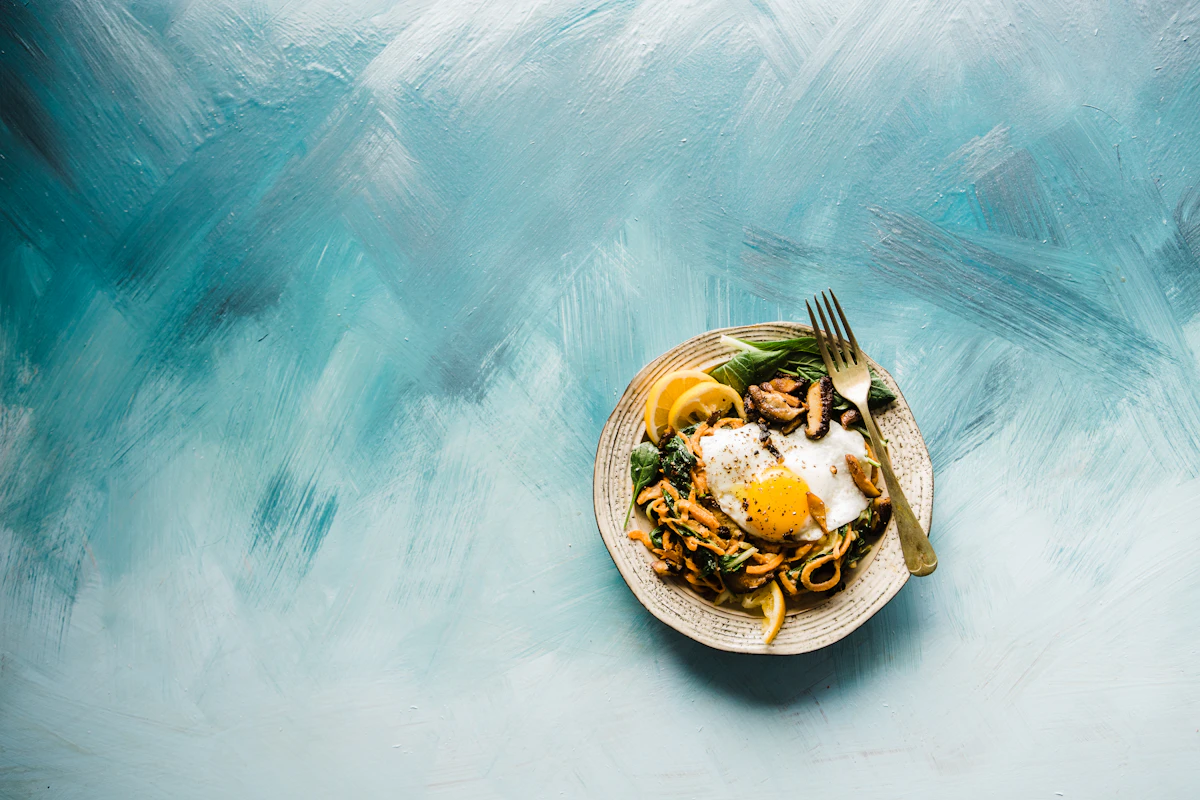
When nausea lurks and appetite is low, a warm, gently flavored soup can feel like a hug you can sip. This high‑protein, lower‑fat lemon chicken and rice soup is crafted with GLP‑1 users in mind: soft textures, lean protein, modest fat, plenty of flavor, and a soothing aroma of herbs and citrus.
Quick Recipe Summary
Prep time: 15 minutes
Cook time: 35 minutes
Total time: ~50 minutes
Servings: 6 smaller GLP‑1‑size portions
Difficulty: Easy
Ingredients
Base Soup
- 1 tablespoon olive oil
- 1 medium yellow onion, finely diced
- 2 medium carrots, peeled and diced
- 2 celery stalks, diced
- 3 cloves garlic, minced
- 1 teaspoon dried oregano
- 1/2 teaspoon dried thyme
- 1/2 teaspoon ground turmeric (optional, for color and warmth)
- 8 cups low‑sodium chicken broth
- 1 cup cooked brown or white rice or 1/3 cup uncooked rice
- 1.5 pounds boneless, skinless chicken breasts (or well‑trimmed thighs)
- 1 bay leaf
Lemon & Creaminess
- 1 large lemon, zested and juiced (3–4 tablespoons juice)
- 1/2 cup plain Greek yogurt (0–2%), at room temperature
- Salt and freshly ground black pepper, to taste
- 2 tablespoons chopped fresh parsley or dill (optional)
- Extra lemon wedges, for serving
Equipment
- Large pot or Dutch oven (at least 5–6 quarts)
- Cutting board and sharp knife
- Wooden spoon or spatula
- Measuring cups and spoons
- Medium mixing bowl and whisk (for lemon‑yogurt mixture)
- Ladle for serving
Step‑by‑Step Instructions
Sauté the aromatics.
Heat olive oil in your pot over medium heat. Add onion, carrots, and celery with a small pinch of salt. Cook 5–7 minutes, stirring occasionally, until the onion softens and turns translucent. You should smell a sweet, savory aroma as the vegetables sweat.Cook the onion, carrot, and celery until soft and fragrant—they build the soup’s flavor base. Bloom the garlic and spices.
Add minced garlic, oregano, thyme, and turmeric (if using). Stir for about 1 minute. The garlic should smell fragrant but not browned—keep the heat moderate to avoid bitterness.Add broth, rice, and chicken.
Pour in the chicken broth. If using uncooked rice, add it now. Nestle the chicken breasts (or thighs) into the liquid and drop in the bay leaf. The chicken should be mostly submerged.Nestle the chicken into the broth so it poaches gently, staying tender and moist. Simmer gently.
Bring the pot just to a boil, then immediately lower to a gentle simmer. Cover and cook for 15–20 minutes, until the chicken is cooked through (165 °F / 74 °C) and the rice is tender. Gentle bubbling is perfect; a rolling boil can make the chicken tough.Shred the chicken.
Transfer the chicken to a plate and let it rest a few minutes (this helps it stay juicy). Shred it with two forks into soft, bite‑sized pieces that are easy to chew—ideal for sensitive stomach days. Remove and discard the bay leaf.Shred the chicken into small, tender pieces so every spoonful delivers protein without feeling heavy. Make the lemon‑yogurt mixture.
In a medium bowl, whisk together the Greek yogurt, lemon zest, and lemon juice until smooth and creamy. This will give the soup a velvety texture and bright, comforting taste without heavy cream.Temper the yogurt.
To prevent curdling, slowly whisk in about 1/2 cup of hot broth from the pot into the yogurt mixture, whisking constantly. Repeat with another 1/2 cup until the mixture is warm and silky.Tempering warm broth into the lemon‑yogurt base keeps the soup silky instead of curdled. Finish the soup.
Return the shredded chicken to the pot. If you cooked your rice separately, stir it in now. Lower the heat to very low—no bubbling. Slowly pour in the warmed lemon‑yogurt mixture, stirring gently until the broth turns pale golden and slightly creamy. Do not let it boil; warmth is enough.Season and brighten.
Taste and season with salt and pepper. Stir in chopped parsley or dill, if using. Your kitchen should smell of gentle citrus, savory chicken, and herbs—a cozy, inviting aroma. Ladle into small bowls and serve with lemon wedges.Serve in smaller bowls—perfect for GLP‑1 sized portions—with a squeeze of extra lemon if you like.


Substitutions & Dietary Adaptations
- Gluten‑free: The recipe is naturally gluten‑free as long as your broth is certified gluten‑free.
- Dairy‑free: Swap Greek yogurt for a plain, unsweetened coconut or soy yogurt; temper very gently. Or skip yogurt and add a splash more broth plus 1–2 teaspoons olive oil.
- Low‑FODMAP‑ish: Use only the green tops of scallions instead of onion/garlic; choose a low‑FODMAP broth; keep portion sizes modest.
- Higher calories/protein (for those struggling to maintain weight): Add extra shredded chicken or stir in an egg whisked into the hot (not boiling) soup for extra protein, and a drizzle more olive oil.
- Vegetarian version: Use chickpeas or white beans instead of chicken, vegetable broth instead of chicken broth, and add an extra 1–2 tablespoons of olive oil for satiety.
Storage & Reheating
- Fridge: Store in airtight containers for up to 3–4 days.
- Freezer: Freeze without the yogurt for best texture, up to 2–3 months. When reheating, stir in fresh yogurt and lemon after warming.
- Reheating: Warm gently on the stovetop over low heat or in the microwave at 50–70% power, stirring occasionally. Avoid boiling to keep the yogurt from curdling.
- Portioning: For GLP‑1 users, store in 1–1.5 cup containers so you can grab a small, manageable serving and come back for more if you feel up to it.
Serving Suggestions & Complementary Dishes
To round out this soup into a full, GLP‑1‑friendly meal plan for the day, you might pair it with:
- At breakfast: A small bowl of Greek yogurt with berries and a sprinkle of oats or nuts.
- At lunch: This soup plus a side of soft whole‑grain toast with a thin spread of avocado or hummus.
- At dinner: Soup alongside a simple baked fish fillet or tofu, and a few roasted vegetables.
- Snacks: A protein shake, a cheese stick, a small handful of nuts, or a piece of fruit—whichever feels easiest to tolerate.

Key Takeaways for Eating on Ozempic and Other GLP‑1 Drugs
- View GLP‑1s as a tool, not a replacement for nourishment.
- Focus on protein, fiber, hydration, and gentle cooking methods.
- Favor small, frequent meals over large, heavy ones.
- Be cautious of extreme “Ozempic diet” content that glorifies very low calories.
- Use this time to build sustainable patterns—especially resistance training and balanced meals—so you have a strong foundation whether you stay on the medication or eventually taper off.
You deserve an eating pattern that feels kind to your body, supports your health markers, and fits your real life—not just a highlight reel. With a little strategy and some cozy, GLP‑1‑friendly recipes like this lemon chicken & rice soup, you can nourish yourself confidently through this new chapter.
