Ozempic Diet Culture Explained: How GLP‑1 Weight‑Loss Drugs Are Changing the Way We Eat
Ozempic, Wegovy & the Rise of the “Ozempic Diet” Culture
Updated: March 28, 2026 • Category: Health & Food Culture
Over the last few years, injectable GLP‑1 weight‑loss drugs like Ozempic, Wegovy, and Mounjaro have quietly moved from endocrinology clinics into the center of pop culture. They are not just changing the numbers on the scale; they are changing how people talk about food, hunger, “willpower,” and what it means to be on a diet. Online, the phrase “Ozempic diet” now sits alongside keto, paleo, and intermittent fasting—yet it represents something very different: a new era where medication and meal choices are deeply intertwined.
This article explores how GLP‑1 medications are reshaping diet culture, what actually happens to appetite and food preferences on these drugs, and how to protect your health—nutritionally and mentally—amid the hype. Throughout, we’ll keep the focus on balanced, satisfying eating rather than restriction, whether or not you use these medications.
What Are Ozempic, Wegovy, and Mounjaro, Exactly?
Ozempic (semaglutide), Wegovy (a higher‑dose semaglutide formulation), and Mounjaro (tirzepatide) belong to a class of drugs called GLP‑1 receptor agonists (and in Mounjaro’s case, a dual GLP‑1/GIP agonist). They mimic natural gut hormones that:
- Help regulate blood sugar after meals
- Slow stomach emptying so food “stays with you” longer
- Signal fullness to the brain and reduce appetite
Originally created for type 2 diabetes, they were later found to cause significant weight loss. Today, some people receive them via obesity prescriptions; others access them off‑label, especially in countries where regulations are looser. This clinical background is often lost in social media sound bites, where the drugs are framed as “miracle shots” rather than prescription treatments for chronic disease.
What Is the “Ozempic Diet” and Why Is It Trending?
Unlike keto or Mediterranean diets, there is no single, structured “Ozempic diet” plan. Instead, the phrase has emerged from social media to describe how people eat while using these drugs. Typical viral content includes:
- “What I eat in a day on Ozempic” vlogs
- “High‑protein Ozempic meal plans”
- Before‑and‑after weight‑loss montages
- Influencers describing a sudden loss of appetite or food cravings
Many users report feeling satisfied after just a few bites, forgetting meals altogether, or losing interest in rich, ultra‑processed foods. For some, that feels liberating after years of battling intense hunger. For others, it can be disorienting—and sometimes leads to very low, unintentional calorie intake.
“It’s not that I suddenly became a disciplined person,” one patient told her dietitian. “It’s that food just went quiet.”
This blurring of “diet” and “drug” is what makes the trend so powerful—and controversial. The focus shifts from counting carbs or points to changing biology and brain chemistry around hunger.
How GLP‑1 Drugs Change Appetite, Taste, and Everyday Eating
From a food‑lover’s perspective, perhaps the most fascinating part of the GLP‑1 story is how they transform the sensory experience of eating. Users often describe:
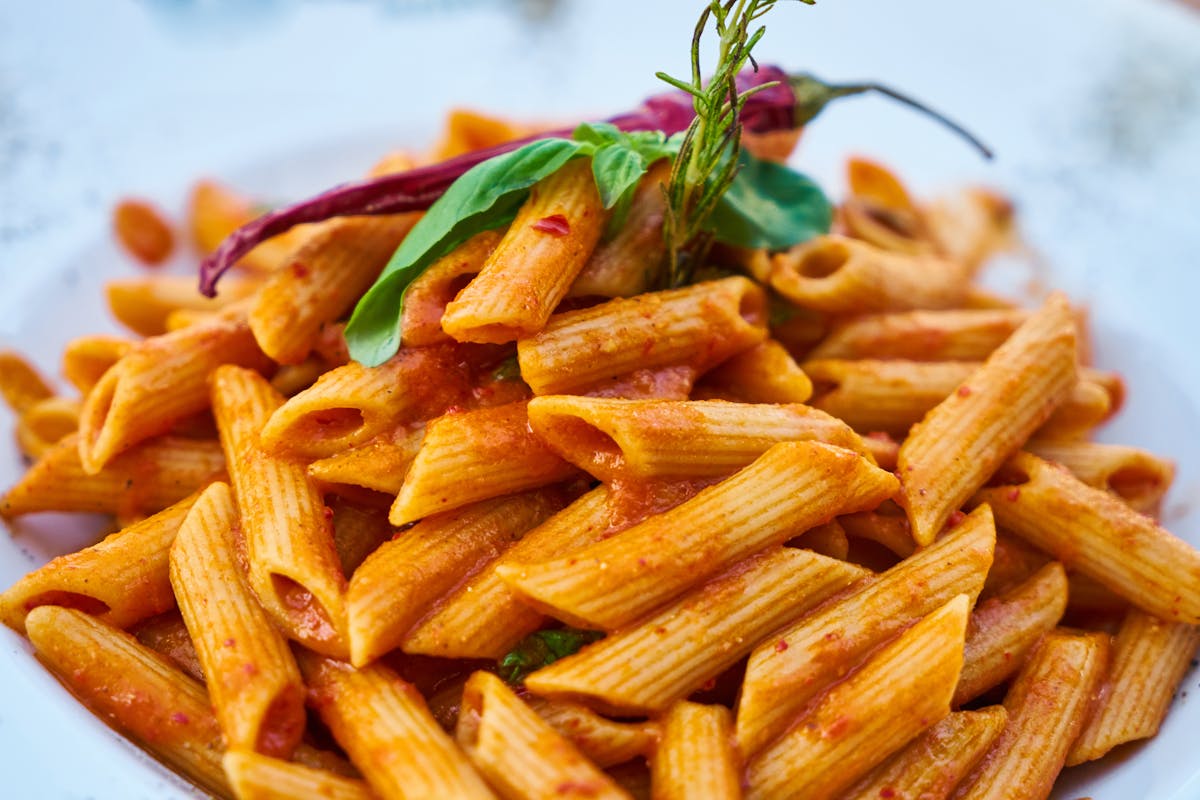
- Early fullness: A few forkfuls of pasta, a small bowl of soup, or half a sandwich can feel like a full feast. The stomach empties more slowly, which stretches out that pleasant, lingering satiety.
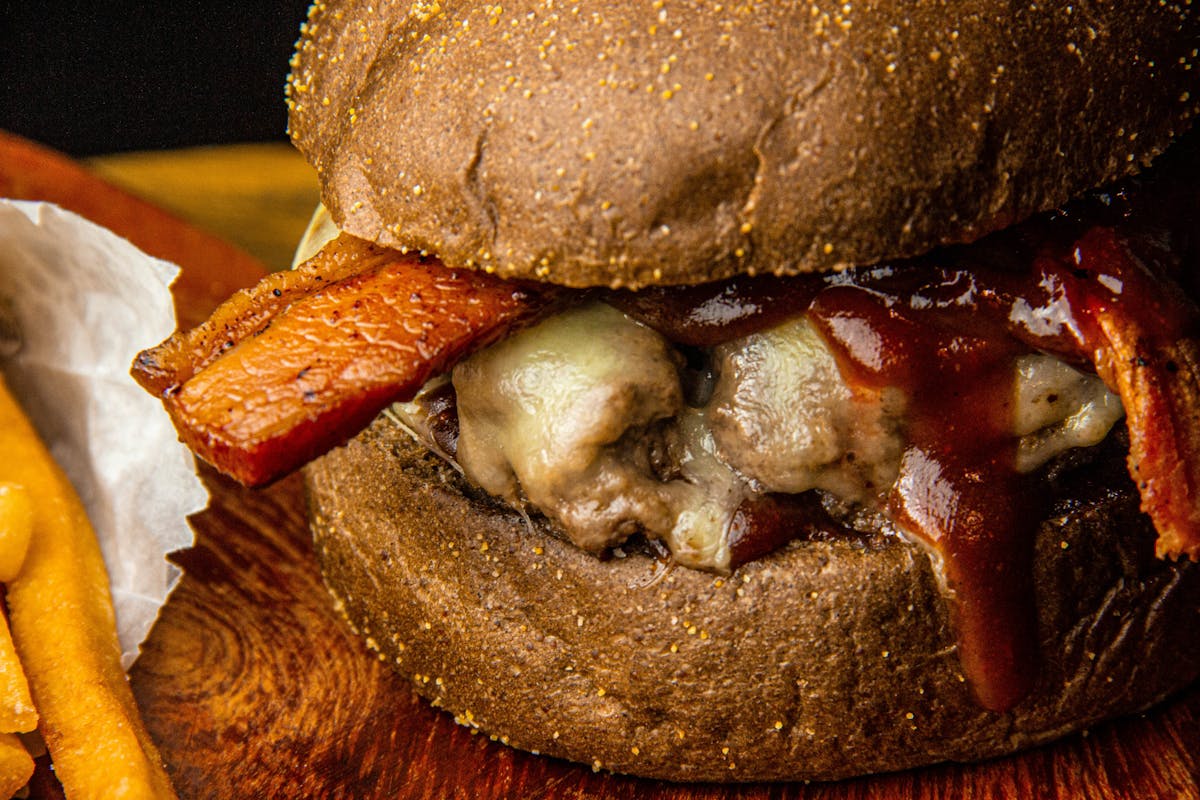
- Muted cravings: Foods that once “called your name”—sugary desserts, drive‑thru burgers, bottomless chips—can lose their pull. The emotional intensity around these foods often softens.
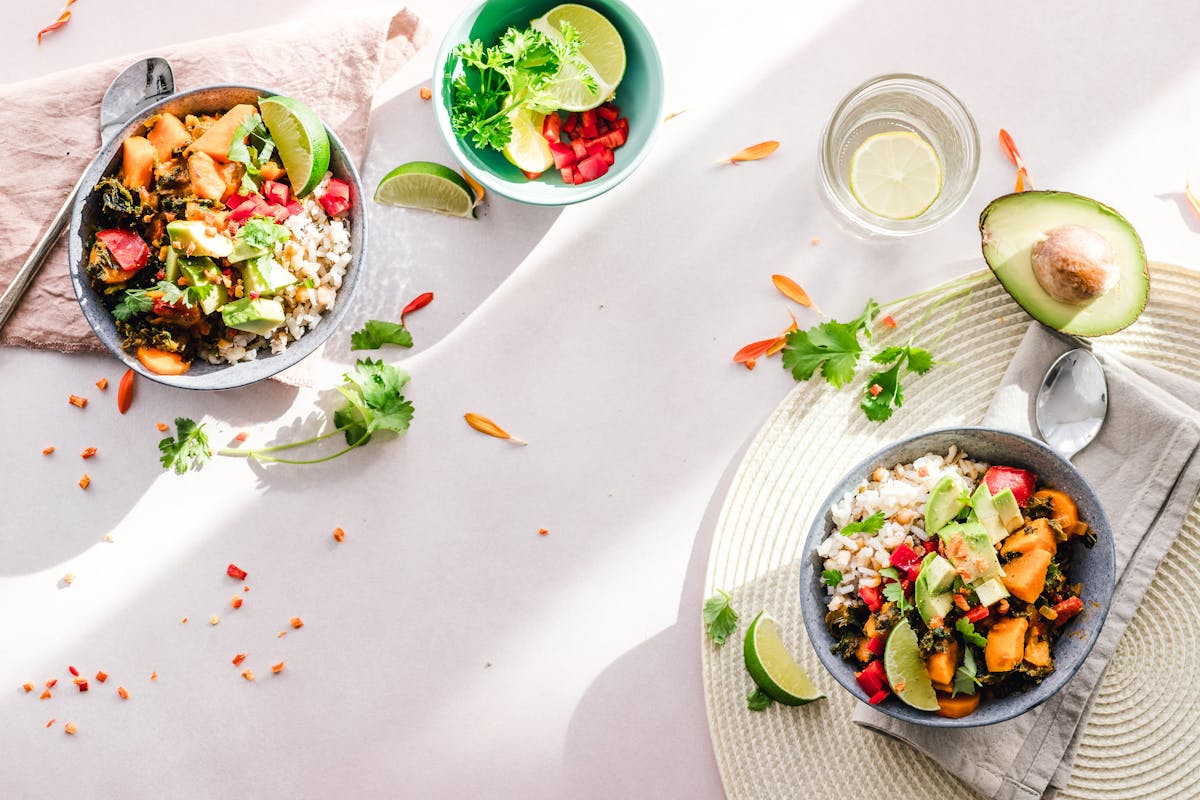
- Shifts in preference: Some people gravitate naturally toward lighter, fresher dishes: crisp salads, broth‑based soups, lean proteins, or juicy fruit. Heavy, greasy, or very sweet foods may feel overwhelming or even nauseating.
Textures matter more, too. Rich, creamy sauces or very fibrous cuts of meat can sit heavily, while smoother textures—silken yogurt, tender poached fish, mashed beans—tend to go down more comfortably. Temperatures play a role: cool, hydrating foods like chilled melon or yogurt parfaits often feel easier than scorching‑hot, oily meals.
Nutrition Risks: Undereating, Muscle Loss, and Micronutrient Gaps
When appetite plummets, it’s surprisingly easy to under‑eat—not just calories, but protein, fiber, vitamins, and minerals. Health professionals are increasingly concerned about:
- Loss of lean muscle: Rapid weight loss without adequate protein and resistance training can reduce muscle mass, which may lower metabolic rate and affect strength.
- Low fiber intake: Skipping fruits, vegetables, and whole grains can worsen constipation, which GLP‑1 drugs can already aggravate.
- Micronutrient shortfalls: Eating “like a bird” makes it harder to cover needs for iron, B vitamins, calcium, magnesium, and more.
The goal is not to stuff yourself past comfort, but to make every bite count nutritionally. Think of your smaller appetite as a reason to cook with even more attention to quality: colorful vegetables, satisfying textures, and full, rounded flavors that make modest portions feel special.
How GLP‑1 Drugs Are Rewriting Diet Culture and Body Image
GLP‑1 medications landed at the crossroads of celebrity culture, social media, and long‑standing weight stigma. The result: a powerful narrative that can both challenge and reinforce harmful ideas about bodies.
On the one hand, many doctors and educators are using the moment to emphasize that obesity is a chronic, biologically influenced condition, not a moral failing. That message can reduce shame and validate people who’ve struggled despite trying countless diets.
On the other hand, glamorous transformation stories can set unrealistic expectations—especially when:
- Side effects and medical supervision are downplayed
- Access disparities (cost, insurance, geography) are ignored
- Thinness is still framed as the primary path to happiness and success
A more helpful shift is from “How fast can I lose weight?” to “How can I support my health, strength, and relationship with food over a lifetime?”

Building Balanced, Enjoyable Meals on (or off) GLP‑1 Medications
Whether you’re taking Ozempic, Wegovy, Mounjaro, or none of the above, the same basic principles of nourishing, satisfying eating apply. For many GLP‑1 users, the key adjustment is learning to pack more nutrition and pleasure into smaller portions.
A Simple “GLP‑1 Friendly” Plate Formula
- Half the plate: Colorful vegetables and/or fruit (raw, roasted, or lightly sautéed) for fiber, vitamins, and texture.
- One quarter: Protein (fish, poultry, tofu, tempeh, eggs, beans, lean meat, or Greek yogurt) to support muscles and satiety.
- One quarter: Whole‑grain or starchy carbs (brown rice, quinoa, potatoes, whole‑grain bread, lentils) for steady energy.
- A little healthy fat: Olive oil, avocado, nuts, or seeds for flavor and absorption of fat‑soluble nutrients.
Instead of “diet food,” think vibrant, layered dishes: roasted vegetables glazed with olive oil and herbs, lentil soups scented with garlic, or soft scrambled eggs with sautéed greens and a sprinkle of cheese. The idea is to make modest portions feel luxurious, not punishing.

Why Strength Training and Movement Matter More Than Ever
Alongside nutrition, movement is crucial for preserving muscle and metabolic health during rapid weight loss—especially when appetite is blunted by GLP‑1s. Many clinicians now pair these medications with:
- 2–3 sessions per week of resistance training (weights, bands, or bodyweight)
- Regular low‑impact cardio (walking, cycling, swimming)
- Gentle mobility work (stretching, yoga, tai chi) for joint comfort and relaxation
If you’re new to exercise, start where you are: a 10‑minute walk after dinner, chair squats in your living room, or wall push‑ups. The goal is not extreme performance, but protecting your strength so your lean mass doesn’t shrink along with the number on the scale.
Access, Cost, and Ethics: Beyond the Hashtags
The online “Ozempic diet” conversation often skips over practical realities. These medications can be expensive, insurance coverage varies widely, and shortages have affected some people who need GLP‑1s for diabetes management. There are ongoing debates about:
- Whether celebrity or influencer promotion is responsible
- How to prioritize limited supply between diabetes and obesity indications
- What happens when people stop due to cost or side effects and experience weight regain
Behind each TikTok transformation is a web of prescriptions, pharmacies, insurance policies, and long‑term follow‑up. For many, sustained access is uncertain—and that makes learning sustainable food and movement habits essential backup plans.
Key Takeaways: Navigating the Ozempic Era with Compassion and Care
GLP‑1 medications like Ozempic, Wegovy, and Mounjaro are reshaping what it means to “be on a diet.” They can quiet hunger, alter cravings, and lead to profound weight changes—while also raising tough questions about access, body image, and long‑term health.
- There is no single “Ozempic diet,” but appetite changes often drive people to eat less—sometimes too little.
- Prioritizing protein, fiber, and micronutrient‑dense foods is vital when appetite is low.
- Strength training and gentle movement help preserve lean muscle during weight loss.
- Mental health and body image deserve as much care as blood sugar and scales.
- Medication is one tool among many; choosing to use it—or not—is deeply personal and should be supported, not judged.
However the conversation evolves, one thing remains constant: you deserve to enjoy food. A bowl of soup that smells like home, vegetables sizzling in olive oil, a slice of ripe peach eaten slowly at the counter—these moments are still worth savoring, whether you’re on GLP‑1s or simply watching the trend from the sidelines.