Oscars Ratings Slide Again: What 17.9 Million Viewers Really Means for Hollywood’s Biggest Night
Oscars Ratings Hit 17.9 Million: A “Big Night” With a Smaller Audience
The 98th Academy Awards drew just 17.86 million viewers across ABC and Hulu, a 9% drop from last year’s 19.7 million and the lowest Oscars audience since 2022. For a ceremony that still calls itself “Hollywood’s biggest night,” the numbers tell a more complicated story about where the Oscars fit in a streaming-obsessed, attention-fractured era.

The 2026 ratings slide doesn’t mean the Oscars are culturally irrelevant, but it does suggest that the Academy, ABC, and the broader film industry are still figuring out how to stage a mass-event broadcast in a world where “mass” is getting harder to measure.
Breaking Down the 2026 Oscars Ratings Numbers
Let’s ground this in the basics. According to Variety, the 2026 Oscars:
- Drew 17.86 million total viewers across ABC and Hulu.
- Were down 9% year-over-year from 2025’s 19.7 million.
- Marked the least-watched telecast since 2022, when the show was still recovering from pandemic-era disruptions.
In pure TV terms, that’s still a monster audience. But awards shows are no longer judged against other TV—they’re judged against their own past lives, when nearly every casually interested viewer would at least have the broadcast on in the background.
“The Oscars aren’t dying; they’re just learning to live in a world that doesn’t gather around the same screen at the same time.” — Media analyst commentary circulating in industry trades
Demographic breakdowns—particularly the coveted adults 18–49 rating—remain key, though full demo data often lags the initial overnight numbers. Historically, Oscars nights have skewed older, and the gradual erosion in younger live viewers is a bigger headache for advertisers than the raw total audience.
From 40 Million to Under 20: How We Got Here
To understand why 17.9 million feels small and big at the same time, it helps to zoom out. Over the last two decades, Oscars viewership has followed the broader arc of linear television:
- Peak broadcast era: In the mid-2000s and early 2010s, the Oscars routinely drew 35–40 million viewers.
- Cord-cutting era: As cable bundles unraveled and streaming surged, awards show ratings began a steady decline.
- Pandemic shock: 2021 delivered record-low numbers amid disrupted theatrical releases and a stripped-down ceremony.
- Rebuild phase: Post-2022, ratings clawed back some ground but never returned to their former event-TV dominance.
The 2026 show lives in that “rebuild” window—no longer in free fall, but clearly short of the spectacle’s past reach.
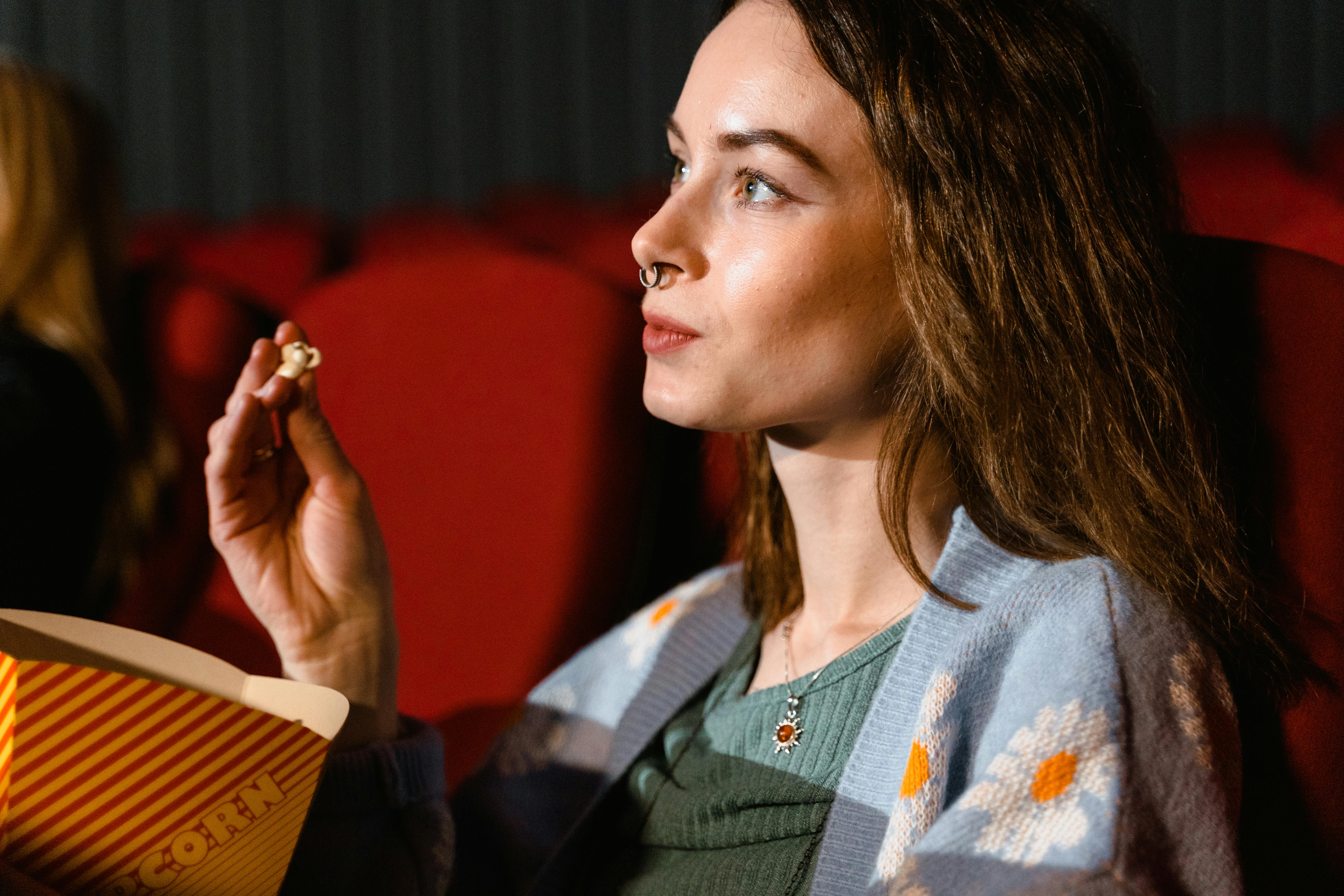
What’s changed isn’t just distribution; it’s the relationship between audiences and movies themselves. Franchise-heavy box office, shorter theatrical windows, and at-home debuts have all chipped away at the idea that everyone has seen the same slate of nominees.
Conan O’Brien, Comedy, and the Limits of the “Host Fix”
One of the big swings this year was putting Conan O’Brien at the center of the telecast. If anyone knows how to balance movie geekdom with accessible comedy, it’s the guy who’s spent decades turning awkward celebrity banter into an art form.
By most social media accounts and early critical reactions, Conan delivered: sharp monologue, self-aware bits about awards bloat, and just enough chaos to feel live without veering into disaster meme territory.
“You can tweak the host, the set, the categories, but at the end of the day this is still a three-and-a-half hour industry party we’re all eavesdropping on.” — Hypothetical trade critic summing up the challenge
The roughly 9% drop despite a well-liked host underscores a hard truth: no emcee is powerful enough to reverse macro trends. A good host can keep people from turning the show off in frustration; they can’t force younger viewers to turn on a live broadcast in the first place.

Linear TV vs. Streaming: Counting the Oscars in 2026
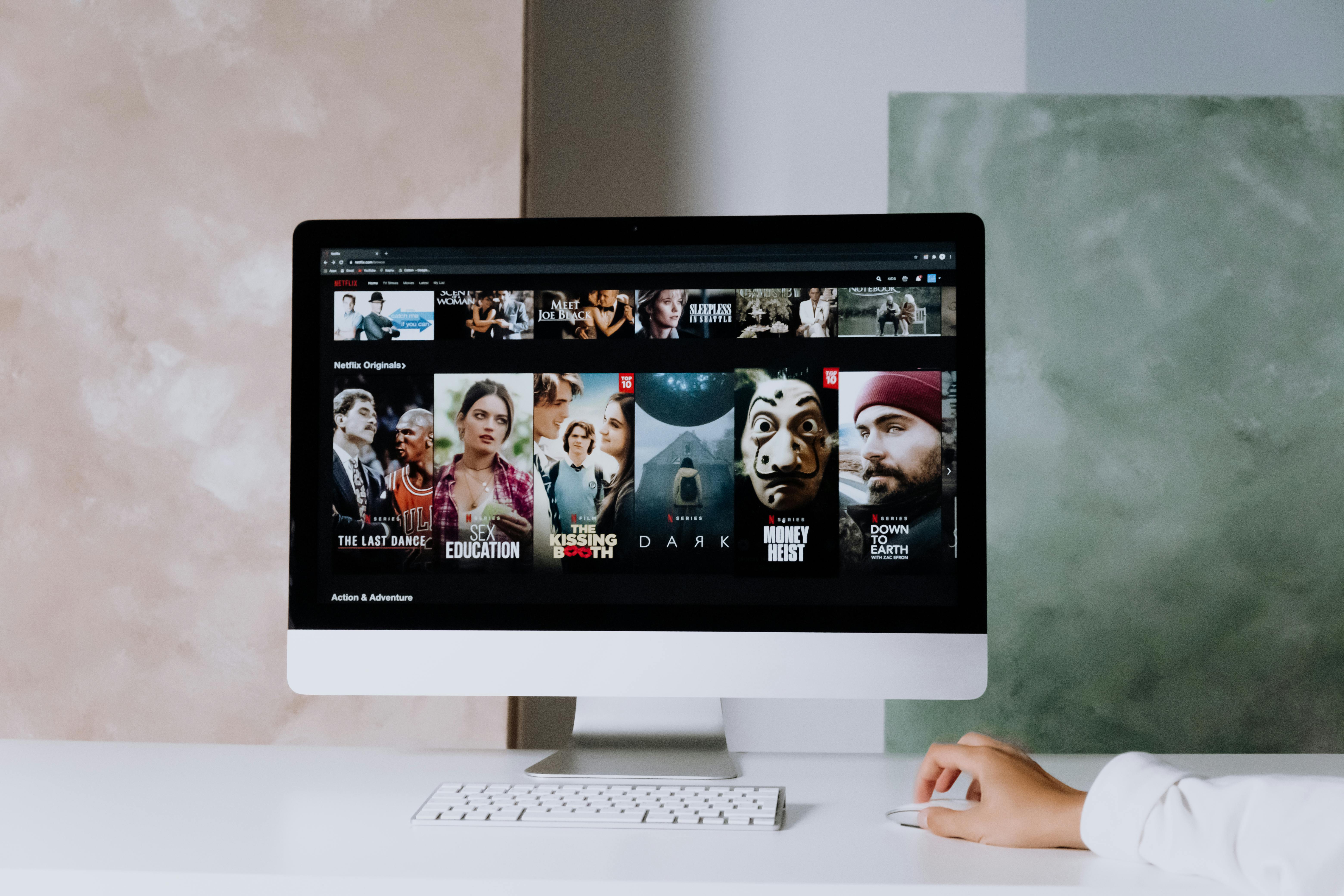
One wrinkle in reading the 2026 Oscars ratings: the show isn’t just a traditional network broadcast anymore. The ceremony aired on ABC but was also streamed on Hulu, reflecting Disney’s push to turn “live TV” into something that can exist inside an app.
That raises a series of messy questions:
- How are live Hulu streams counted compared with linear Nielsen ratings?
- Do next-day views or partial viewing sessions get factored in?
- What about audiences that only watch clips on YouTube, TikTok, or social feeds rather than the broadcast itself?
In other words, 17.9 million is a real number, but it’s also incomplete. The Oscars have arguably become a content generator as much as a single appointment viewing event. The slap, the surprise wins, the speeches—those moments live much longer, and reach far more people, than the overnight rating suggests.
Did the 2026 Best Picture Race Move the Needle?
Oscars ratings historically spike when:
- A megahit like Titanic, Avatar, or The Lord of the Rings is in the race.
- There’s a clear cultural phenomenon uniting casual moviegoers and awards diehards.
- A controversy—on or off screen—turns the show into a “you had to see it live” moment.
The 2026 Oscars had a strong slate but not necessarily a four-quadrant juggernaut that your parents, your group chat, and your Letterboxd friends were all obsessed with at the same time. Critical darlings and mid-size box-office hits can be great cinema, but they don’t always translate into “I must watch this ceremony” energy.
“The Oscars work best when the movies feel both good and big. Lately they’ve usually managed one, but not always both.” — Awards-season columnist, on the evolving Best Picture slate
That’s not a creative failure—it’s a reflection of how audiences consume films now: spread across streaming platforms, international markets, and niche fandoms, rather than coalescing around a handful of universal event movies.

What the 2026 Oscars Got Right (And Where It Still Stumbled)
Beyond the raw ratings, the 2026 telecast reflected an Academy that’s at least trying to adapt. A quick scorecard:
Strengths
- Host energy: Conan’s dry, self-deprecating style played well to both industry insiders and online viewers.
- Pacing tweaks: Attempts to streamline speeches and montages made the show feel slightly less bloated, even at its usual marathon runtime.
- Broader access: Simulcasting on Hulu and heavy social promotion removed some friction for cord-cutters.
Weaknesses
- Length: Even with edits, it’s still a long night for casual viewers, especially on a Sunday.
- Insider tone: Industry in-jokes and deep-cut references risk alienating viewers who haven’t seen every nominated short film.
- Fragmented attention: The show hasn’t fully embraced a dual-screen, clip-first reality where viewers dip in and out rather than committing to four straight hours.
Are the Oscars Still Culturally Relevant in 2026?
Here’s the paradox: the Oscars’ live TV footprint is shrinking, but their cultural shadow is still large. Winning an Academy Award remains one of the few accolades that can permanently change a filmmaker’s career trajectory and a film’s legacy.
Social media chatter leading up to—and during—the 2026 show made that clear. Viral red carpet fashion, realtime meme-ing of awkward banter, and tense category countdowns still dominated timelines, even among people who weren’t technically “watching the Oscars” in the traditional sense.

The difference now is that the Oscars are less of a shared living-room ritual and more of a shared online conversation. The metric that matters might be trending topics and clip views as much as overnight Nielsen numbers.
So What Happens Next? Rethinking “Hollywood’s Biggest Night”
The 17.9 million-viewer figure is neither a death sentence nor a reason to declare victory. It’s evidence of a ceremony caught between eras—still chasing the monoculture ratings of the past while tentatively experimenting with a more fragmented, streaming-first future.
If the Academy and ABC (plus Hulu) want to stabilize or even grow the audience from here, meaningful options include:
- Shortening the runtime or splitting some categories into a separate, craft-focused event.
- Leaning into interactivity—live polls, fan-voted segments, or real-time social integration that doesn’t feel like gimmickry.
- Making streaming the center of the strategy, with clearer metrics that capture time-shifted and clip-based viewing.
- Better aligning the slate with the audience without abandoning artistic ambition—spotlighting more popular contenders alongside the deeply auteur-driven work.
The Oscars may never get back to 40 million viewers, and that’s okay. The more relevant question for 2027 and beyond is whether they can evolve into a hybrid broadcast–digital event that matches how people actually consume movies and media now.
For now, 17.9 million viewers say the Oscars still matter—just not in quite the way they used to.

Watch, Rewatch, or Just Catch the Clips
If you missed the live telecast, ABC typically makes a selection of key moments available on its official platforms, while Hulu subscribers may have access to the full ceremony for a limited time.
- ABC official site for highlights and network coverage
- The Academy of Motion Picture Arts and Sciences for winners, history, and official clips
- IMDb Oscars event page for nominees, filmographies, and trivia
Whether you’re in it for the craft speeches, the awkward presenter banter, or just the red carpet chaos, the 2026 Oscars are a reminder that award shows aren’t gone—they’re just being rewired for a different kind of audience.