
NYC Remembers Ernie Anastos: Celebrating the Legacy of a Local TV News Icon
Former Eyewitness News anchor Ernie Anastos, a legendary and beloved New York TV newsman, has died at 82, leaving behind nearly five decades of broadcasting, community service, and on-air moments that helped define local television in the Tri-State area.
For generations of New Yorkers, the nightly routine wasn’t complete until Ernie Anastos appeared on screen—reassuring, impeccably composed, and just warm enough to feel like family without ever breaking the spell of journalistic professionalism. With the news of his passing, the city isn’t just mourning a broadcaster; it’s saying goodbye to a piece of its media identity.
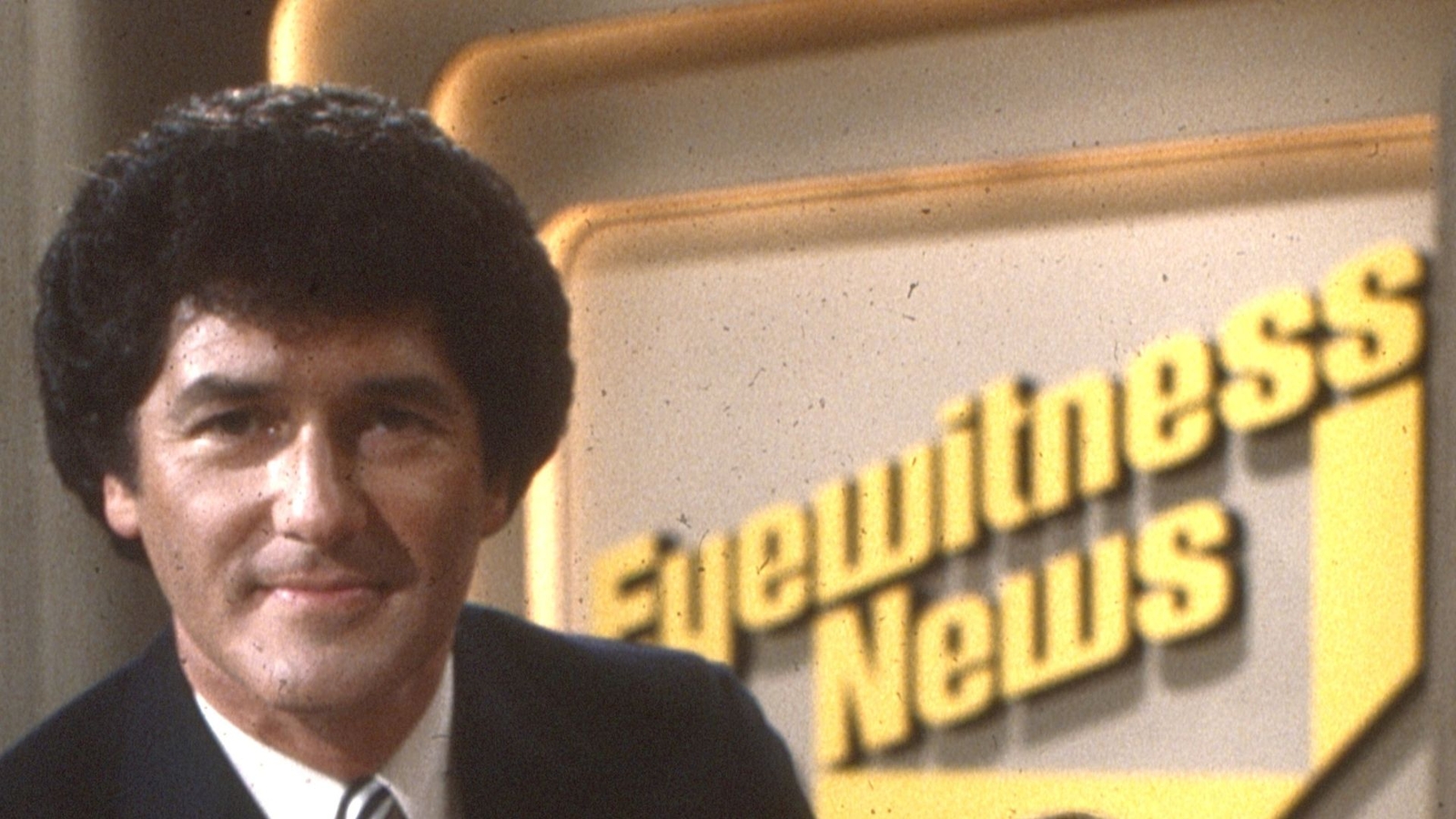
Anastos spent 11 formative years at Eyewitness News beginning in 1978, helping to shape the template for what local TV news in New York would look and feel like. His career later stretched across major networks and stations, but his imprint on Channel 7 and the broader New York media landscape is what many viewers will remember most.
A New York Newsroom Fixture for Nearly 50 Years
Ernie Anastos’s career reads like a guided tour through modern New York television history. Starting in the late 1970s, he rose quickly from promising local anchor to one of the city’s most trusted nightly news voices. While exact dates and roles evolved over time, several anchors in his timeline stand out:
- 1978–late 1980s: Anchor at WABC-TV’s Eyewitness News, where he became a primetime presence for New Yorkers.
- Late 1980s–1990s: High-profile stints across major networks and local stations, including New York’s fiercely competitive evening newscasts.
- 2000s–2010s: Continued work as a primary anchor and host, transitioning into more personality-driven roles while retaining a strong news identity.
His tenure at Eyewitness News in particular coincided with a crucial era: New York was wrestling with crime waves, economic shifts, and cultural upheaval, and local TV news was often the primary lens through which families saw their city reflected back to them. Anastos helped define that lens—calm, composed, and rarely rattled, even when the news itself was anything but.
“Local news, at its best, is a neighbor talking to neighbors. That’s always how I thought of my job.”
That philosophy is part of why his passing feels personal to so many former viewers. In a media environment that’s become more fragmented, it’s hard to imagine any single local anchor commanding that kind of nightly attention again.
How Ernie Anastos Helped Define Eyewitness News in New York
When Anastos joined Eyewitness News in 1978, the format itself was still evolving. The station’s “if it happens here, it matters here” approach would eventually become the gold standard of local TV, and Anastos was one of the on-air faces that made that philosophy credible.
His style was a blend of traditional network gravitas with just enough regional flavor. He sounded national, but he felt local. That balance helped WABC compete not just as a station, but as a kind of nightly gathering spot for the city.
Industry watchers often point to this era as a hinge point: as cable news and national programming began to expand, stations like WABC needed anchors who could keep local broadcasts feeling essential. Anastos did exactly that, turning local news from background noise into appointment viewing for a huge slice of the Tri-State area.
A Calm Voice in a Loud City: Persona, Style, and Pop Culture Moments
In a city built on opinion and attitude, Anastos stood out for something rarer: steadiness. He projected the kind of trustworthiness that never felt performative, which is partly why his career thrived long after the era of three big networks and a handful of local stations.

At the same time, he wasn’t just a serious presence. Like many New York anchors, Anastos had his share of viral or “did-you-see-that?” moments that rippled through the city’s shared cultural memory. Some were charming, some unintentionally hilarious—but all of them humanized the man behind the desk.
What’s striking, looking back, is how those lighter moments never seemed to undercut his credibility. If anything, they made him more relatable in an era when viewers increasingly demanded authenticity from the people delivering their news.
“You trusted him with the worst stories of the day, and you liked him enough to stay for the lighter ones. That’s a rare combination for any anchor.”
— A veteran New York media critic, reflecting on Anastos’s appeal
In the ecosystem of New York media—where anchors, radio hosts, and columnists often become part of the city’s emotional weather—Anastos functioned as a kind of barometer: if he was calm, we could be, too.
From the Broadcast Era to the Streaming Age: Why His Death Hits Different
The timing of Anastos’s passing underscores a broader media story: the steady fading of the classic local anchor era. When he first appeared on New York screens in the late 1970s, there were only a few major outlets. If you watched the news at 6 or 11, odds were high you were watching one of a handful of familiar faces.

By the 2000s and 2010s, that dominance had fractured. Cable news, online outlets, and, eventually, social platforms started to share (and then steal) that nightly appointment slot. Yet anchors like Anastos remained powerful symbols of continuity for viewers who still tuned in.
- Institutional memory: He connected younger viewers to an older New York—one that predated the 24/7 outrage cycle.
- Professional standard: His demeanor served as a quiet rebuke to the more performative style of some modern “news” personalities.
- Cultural anchor: In moments of local crisis, from blackouts to blizzards, he was the kind of anchor you expected to see on air.
So when the city mourns him, it’s also mourning that entire broadcast ecosystem: a time when everyone, more or less, saw the same thing at 6 p.m. and 11 p.m.—and saw it through the same trusted faces.
Beyond the Anchor Desk: Community, Mentorship, and Reputation
While most viewers knew Anastos from his work behind the desk, colleagues and media insiders often highlight his off-camera contributions: charity events, school visits, and mentorship of younger journalists trying to break into an unforgiving industry.

Local anchors, especially in New York, often serve as unofficial civic ambassadors. Anastos embraced that role, showing up not only when cameras were rolling but also in the quieter spaces where media visibility could be leveraged for good—fundraisers, local nonprofits, and educational programs.
“Ernie treated everyone in the building with the same respect he gave viewers at home. That’s not as common in this business as you’d hope.”
— Former colleague, reflecting on his newsroom presence
It’s easy to romanticize any long career after someone passes, but the consistent theme in stories about Anastos is simple: he showed up, he did the work, and he stayed gracious in an industry not always known for humility.
A City Reacts: Nostalgia, Gratitude, and a Changing Media Landscape
News of Anastos’s death has triggered a wave of responses that blend nostalgia with something closer to civic gratitude. Social media timelines have turned into informal archives: grainy VHS clips converted to digital, screenshots of old broadcast graphics, and memories of watching the news with parents or grandparents while he anchored.
The reaction also underscores how different the media environment is today. The next generation of viewers might know anchors via short clips on social media more than full broadcasts; the idea of a city rallying around a nightly news figure is becoming rarer. That’s precisely why the response to his death feels so sweeping among those who grew up with him.
- Older viewers recall him as the soundtrack to major city events and elections.
- Younger journalists credit him as a model for on-air professionalism.
- Media critics note that his career may mark the twilight of a particular kind of local news stardom.
The common thread is a sense that New York has lost not just a broadcaster but one of its long-standing narrators—a person who, night after night, helped the city understand itself.
What Ernie Anastos Leaves Behind
Ernie Anastos’s death at 82 closes the chapter on a singular New York media career, but it also highlights what great local television can still do: offer clarity in chaos, a human face in moments of fear, and a sense that someone you trust is paying careful attention on your behalf.
As streaming platforms and algorithm-driven feeds reshape how we consume news, his legacy functions as both a reminder and a challenge. Reminding us that:
- Trust is cumulative: built slowly, over years of showing up when it matters.
- Local still matters: national headlines don’t replace the need for someone to explain what the day’s events mean for your city, your street, your commute.
- Human connection endures: even in a hyper-digital age, viewers remember the anchors who spoke to them, not at them.
The screens have changed, and the platforms will keep changing. But for countless New Yorkers, the idea of “the news” will always, on some level, be tied to Ernie Anastos’s face, his voice, and the steady presence he offered in a city that rarely sits still.
That’s a legacy that outlives any single broadcast—and one the next generation of anchors, in New York and beyond, will quietly work in the shadow of, whether they realize it or not.
