
New Alzheimer’s Breakthrough: How an Experimental NAD+ Drug Helped Restore Memory in Mice
Scientists have reported a remarkable breakthrough: an experimental NAD+-based drug was able to restore severe memory loss in mouse models of Alzheimer’s disease by reviving the brain’s energy supply. If you or someone you love is living with Alzheimer’s, headlines like this can spark a mix of hope, curiosity, and understandable skepticism. Let’s unpack what this new study actually found, what NAD+ is, and how this fits into the bigger picture of brain health and dementia treatment.
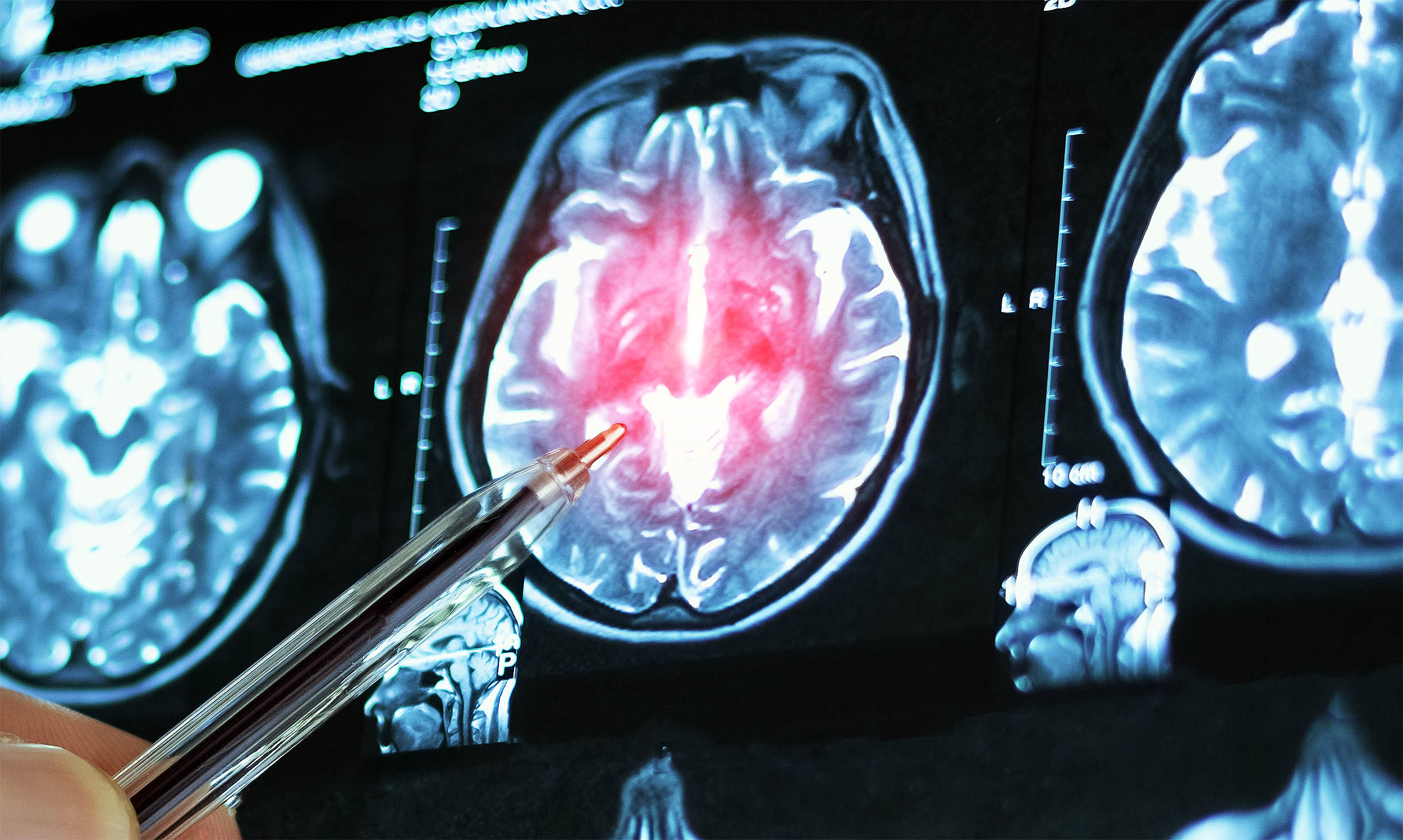
I’ve sat with many families who ask the same question: “Is there anything truly new on the horizon, or is it just more of the same?” This research doesn’t offer a cure today — and it hasn’t been tested in people yet — but it does challenge decades of assumptions about Alzheimer’s and opens a genuinely promising new path.
“Alzheimer’s has long been framed as a problem of toxic proteins alone. This work reminds us that the brain is also an energy-hungry organ — and when we restore its fuel, surprising things can happen.”
— Neurologist commenting on recent NAD+ research
The Problem: Why Alzheimer’s Disease Is So Hard to Treat
Alzheimer’s disease is the most common cause of dementia worldwide. It gradually damages brain cells, leading to memory loss, confusion, and changes in behavior and thinking. For decades, most treatments have focused on clearing or blocking beta-amyloid and tau — proteins that clump in the brain and are considered hallmarks of the disease.
Even with new anti-amyloid drugs approved in recent years, the benefits have been modest and often come with risks. Families frequently experience:
- Slowed decline rather than real improvement in memory
- Strict eligibility criteria (early-stage disease, specific biomarkers)
- High cost and complex infusion schedules
- Potential side effects, including brain swelling and bleeding
A major reason Alzheimer’s is so difficult to treat is that by the time symptoms are noticeable, brain cells have already been under stress for years — often from inflammation, oxidative stress, and, as this new study emphasizes, an energy crisis inside the neurons themselves.
The New Study: Restoring Memory by Refueling the Alzheimer’s Brain
In early 2026, researchers reported in a peer-reviewed study (summarized by Earth.com) that they had reversed severe memory loss in two different mouse models of Alzheimer’s disease by restoring the brain’s energy supply with an experimental drug that boosts NAD+ (nicotinamide adenine dinucleotide).
What the scientists did
- Used late-stage Alzheimer’s mouse models, where memory loss and brain damage were already advanced.
- Administered an experimental NAD+-targeting drug designed to restore cellular energy.
- Measured memory and learning using maze tests and other standard behavioral tools.
- Examined the mice’s brains for tissue repair, synaptic function, and energy metabolism.
What they found
- Significant memory recovery: Mice that had previously performed poorly on memory tasks improved dramatically after treatment.
- Brain tissue repair: Even in late-stage disease, there were signs that damaged brain tissue began to repair itself once energy metabolism was restored.
- Improved synaptic function: Connections between neurons (synapses) became more active and efficient.
- Energy restoration: Levels of NAD+ and related energy markers increased, suggesting the drug successfully “refueled” brain cells.
The most striking aspect is that these were late-stage mice — roughly equivalent to more advanced human Alzheimer’s — and yet the brain still showed an impressive capacity to rebound when its energy needs were met.

What Is NAD+ and Why Does It Matter for Brain Energy?
NAD+ (nicotinamide adenine dinucleotide) is a molecule found in every cell in your body. Think of it as a central “energy shuttle” that helps convert the food you eat into usable cellular energy (ATP). It’s also involved in DNA repair, antioxidant defenses, and healthy aging pathways.
- High NAD+ levels support healthy mitochondria (the power plants of the cell).
- Low NAD+ levels are linked to aging, metabolic diseases, and neurodegeneration in many animal and cell studies.
In Alzheimer’s disease, neurons appear to experience an energy shortfall. They struggle to maintain synapses, clear waste products, and repair damage. By boosting NAD+, the experimental drug in this mouse study appears to have:
- Improved mitochondrial function inside brain cells
- Enhanced resilience against oxidative stress
- Supported repair of damaged neuronal connections
“What’s exciting is that restoring NAD+ doesn’t just target one toxic protein — it targets fundamental cellular health. That’s a very different way of thinking about Alzheimer’s.”
— Aging and metabolism researcher
This doesn’t mean NAD+ is the single “master key” to curing Alzheimer’s, but it does position brain energy metabolism as a powerful, and previously underused, therapeutic target.
Before and After: How the Mice Changed With NAD+ Treatment
To make the impact more concrete, here’s how the Alzheimer’s mice looked before and after the experimental therapy in the study:

| Feature | Before Treatment (Alzheimer’s Mice) | After NAD+-Boosting Drug |
|---|---|---|
| Memory tests | Severe impairment, mice struggled to remember maze paths | Performance improved, approaching healthy control levels |
| Synaptic activity | Reduced connectivity and weaker neural signaling | Stronger signaling and more active synapses |
| Brain tissue health | Evidence of degeneration and structural damage | Signs of tissue repair and structural improvement |
| Energy metabolism | Low NAD+ and impaired mitochondrial function | Restored NAD+ levels and revived energy production |
Again, these changes were observed in animals, not humans. But they defy the long-held assumption that late-stage Alzheimer’s is entirely beyond functional repair.
What This Does Not Mean Yet: Avoiding Overhype
It’s natural to read “memory restored” and think “cure.” To stay grounded — and to protect patients and families from disappointment or exploitation — here are key limitations.
- No human trials yet: The drug has only been tested in mice; we don’t know if it’s safe or effective in people.
- Different disease complexity: Human Alzheimer’s involves decades of lifestyle, vascular, metabolic, and genetic factors that are hard to fully model in animals.
- Unknown dosing and timing: We don’t yet know what dose, schedule, or stage of disease would respond best in humans.
- Regulatory hurdles: Even if early human studies are positive, full approval could take many years.
What You Can Do Now: Evidence-Based Ways to Support Brain Energy and Health
While we wait for more research on NAD+-targeting drugs, there are several well-studied lifestyle strategies that can support brain energy metabolism and overall cognitive health. They are not cures, but they may help reduce risk or slow decline when combined with medical care.
1. Prioritize cardiovascular and metabolic health
The same things that protect your heart tend to protect your brain. Studies consistently show that managing:
- Blood pressure
- Blood sugar and insulin resistance
- Cholesterol and triglycerides
- Body weight (especially central obesity)
can lower dementia risk or slow progression. Ask your clinician about specific targets that make sense for your age and health profile.
2. Embrace movement that fits your life
Regular physical activity improves mitochondrial function, blood flow to the brain, and even NAD+-related pathways in animal studies.
- Aim for at least 150 minutes of moderate aerobic exercise per week (e.g., brisk walking), if medically appropriate.
- Add strength training twice a week to support muscle and metabolic health.
- For those with mobility challenges, chair exercises, aquatic therapy, or short walks multiple times per day can still help.
3. Choose a brain-friendly eating pattern
Diets such as the MIND diet (Mediterranean–DASH Intervention for Neurodegenerative Delay) have been associated with slower cognitive decline and lower Alzheimer’s risk in observational studies.
- Plenty of vegetables, especially leafy greens
- Berries several times per week
- Whole grains, beans, and nuts
- Fish and olive oil as primary fat sources
- Limited processed foods, added sugars, and trans fats

4. Protect sleep and circadian rhythms
During deep sleep, the brain’s “glymphatic” system helps clear waste products, including beta-amyloid. Poor sleep can stress neurons and impair energy metabolism.
- Keep a regular sleep–wake schedule, even on weekends.
- Limit bright screens at least an hour before bed.
- Discuss snoring or apneas with a clinician, as sleep apnea is a significant risk factor for cognitive decline.
Common Obstacles for Caregivers and Patients — and How to Navigate Them
Putting any of this into practice while living with Alzheimer’s is challenging. Caregivers often feel overwhelmed, exhausted, and unsure which advice to prioritize. Here are a few realistic adjustments.
Obstacle 1: “We can’t stick to a perfect routine.”
Perfection isn’t necessary. Instead:
- Break movement into short 5–10 minute walks or stretching sessions.
- Keep simple, repeatable meals (like a daily veggie omelet or salad with beans) rather than complex recipes.
- Use visual schedules and reminders to support consistency.
Obstacle 2: “They resist changes in food or activities.”
Cognitive changes can make new routines stressful. Gently:
- Introduce changes slowly (e.g., swap one snack for nuts or fruit instead of overhauling everything).
- Pair movement with pleasant experiences (a favorite song, going outdoors, walking with a friend).
- Focus on enjoyment and comfort rather than rigid health rules.
Obstacle 3: Caregiver burnout
Supporting someone with Alzheimer’s is emotionally and physically intense. It’s not selfish to protect your own health — it’s essential.
- Take advantage of respite care options when available.
- Join a caregiver support group (online or local) to share strategies and emotional support.
- Block off small, nonnegotiable times each week for your own rest, movement, or social connection.
“I used to feel guilty if I couldn’t follow every new headline about Alzheimer’s. Now, I focus on a few core habits we can actually maintain — walks after breakfast, simple meals, early bedtime — and I let the research evolve in the background.”
— Daughter caring for a parent with dementia
How This NAD+ Breakthrough Fits Into the Bigger Alzheimer’s Research Landscape
The new NAD+ study doesn’t replace existing Alzheimer’s research; it adds another layer. Scientists are increasingly recognizing that multi-target approaches might be more effective than any single “magic bullet.”
Current key directions include:
- Amyloid- and tau-targeting drugs: already approved or in late-stage trials; may slow progression in early disease.
- Metabolic and vascular strategies: targeting insulin resistance, blood flow, and inflammation.
- Energy and mitochondrial therapies: including NAD+-focused approaches like the experimental drug in this study.
- Lifestyle interventions: multidomain programs combining diet, exercise, cognitive training, and social support.

In the future, it’s possible that NAD+-targeting treatments — if proven safe and effective — could be combined with other therapies and lifestyle strategies to form a more comprehensive Alzheimer’s care toolkit.
Moving Forward With Informed Hope
The experimental NAD+ drug that restored memory in Alzheimer’s mice is both a genuine scientific breakthrough and a reminder to stay measured in our expectations. It challenges the idea that late-stage Alzheimer’s is beyond meaningful repair and shines a spotlight on brain energy as a critical, and potentially modifiable, part of the disease.
At the same time, we’re not there yet for humans. No supplement or off-the-shelf product can replicate this specific experimental therapy today. What you can do now is:
- Work with your healthcare team to optimize cardiovascular and metabolic health.
- Support brain energy indirectly through movement, nutrition, and sleep.
- Stay cautious about hype, especially around unregulated NAD+ products making big promises.
- Consider participation in reputable clinical trials if they are accessible and appropriate.
If Alzheimer’s is part of your life right now, you do not have to process this alone. Share this article with your care team, ask questions, and let it be one more tool in an ongoing, compassionate conversation — not a pressure-filled race to chase every new headline.
Your next step can be simple: schedule a check-in with your clinician, review current medications and lifestyle habits, and ask, “Given what we know about brain energy and Alzheimer’s, what are the 1–2 most important changes that make sense for us right now?”
Even small, sustainable steps — taken consistently and with support — matter far more than perfect plans that are impossible to follow.
