
Minnesota Breakthrough: How Scientists Are Exposing Marburg Virus’s Hidden Weaknesses
Minnesota researchers are quietly making big strides against one of the world’s deadliest viruses — and most people have never even heard its name.
While Ebola tends to grab the headlines, its close relative Marburg virus is just as terrifying, with some outbreaks killing the majority of those infected. A new study from the University of Minnesota has taken a major step toward understanding how Marburg infects human cells — and, importantly, how we might stop it.
In this article, we’ll unpack what makes Marburg so dangerous, what the Minnesota team actually discovered, and why their work could help shape future vaccines, antiviral drugs, and global outbreak preparedness. We’ll keep it grounded in the best current evidence as of early 2026, and translate the science into plain language.
What Is Marburg Virus, and Why Is It So Dangerous?
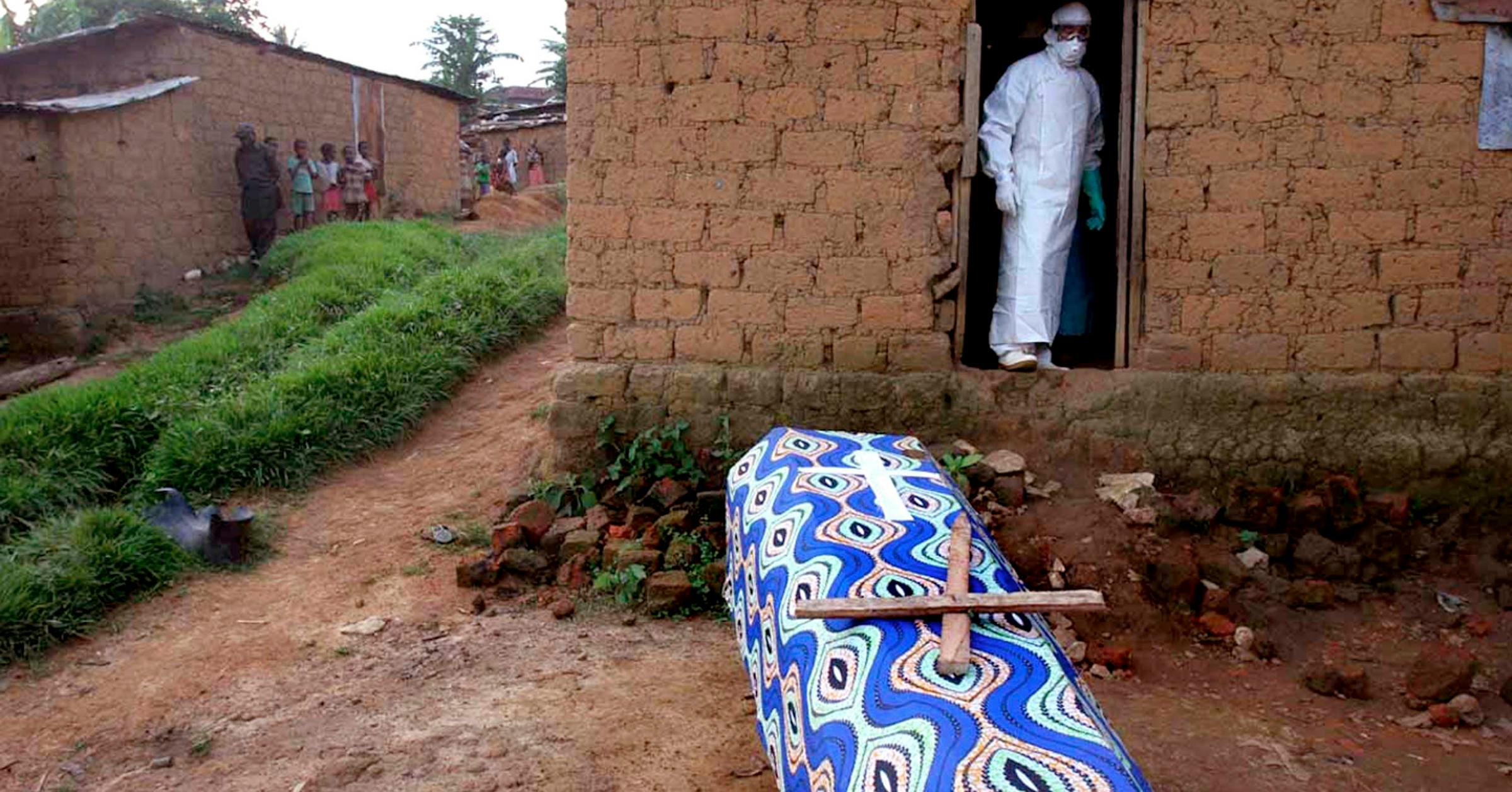
Marburg virus is a member of the filovirus family — the same family as Ebola. It causes Marburg virus disease (MVD), a rare but extremely severe hemorrhagic fever. First identified in 1967 during outbreaks in Germany and what is now Serbia, the virus likely originates from African fruit bats, with humans infected through contact with infected animals or bodily fluids from sick people.
The World Health Organization (WHO) reports that past Marburg outbreaks have had case fatality rates ranging from about 24% to 88%, depending on the specific strain and quality of care. Symptoms often start like many other viral infections — fever, headache, malaise — and can rapidly progress to:
- Severe weakness and abdominal pain
- Vomiting and diarrhea
- Rash
- Internal and external bleeding in severe cases
- Multi-organ failure
“Marburg is on the WHO list of priority pathogens because of its high lethality, potential for explosive outbreaks, and lack of broadly available vaccines or treatments,”
— Summary of WHO R&D Blueprint priorities (updated through 2025)
Unlike seasonal viruses such as influenza, Marburg doesn’t circulate widely year after year. Instead, it tends to appear in sporadic outbreaks, often in regions with limited healthcare resources. That unpredictability, combined with its severity, makes it a top concern for global health agencies and researchers.
What Did Minnesota Researchers Discover About Marburg?
A University of Minnesota team recently developed a new way to directly compare how efficiently Marburg infects human cells relative to other high-risk viruses. Using a carefully controlled lab system, they showed that under certain experimental conditions, Marburg’s entry mechanism can be up to 300 times more efficient at infecting human cells than some comparison viruses.
Just as important as measuring efficiency, the team used this system to map potential weaknesses in the virus’s life cycle — especially the steps it uses to bind to and enter human cells. Those “weak spots” are where vaccines and antiviral drugs have the best chance of working.

According to reports of the work, the Minnesota researchers:
- Engineered safe lab systems that mimic how Marburg attaches to human cells.
- Measured how effectively the virus’s surface proteins mediate infection compared with other viruses.
- Identified structural features that seem crucial for this high infection efficiency.
- Highlighted several steps in the entry process that might be interrupted by drugs or neutralizing antibodies.
“You can’t design a good countermeasure if you don’t know exactly how a virus is getting into the cell in the first place. This work is about turning a black box into a map.”
— Paraphrased perspective based on virology experts commenting on emerging filovirus research
While this is early-stage, laboratory-based science, it provides a crucial foundation for downstream research — such as vaccine design, drug screening, and improved diagnostic tools.
What Does “300 Times More Efficient at Infecting Cells” Actually Mean?
Hearing that Marburg is “300 times more efficient” at infecting human cells sounds alarming. It’s worth unpacking what that means in context.
In controlled lab experiments, researchers can compare how many cells become infected when they expose them to equal amounts of different viral entry proteins. If Marburg’s proteins lead to infection in 300 times more cells than a comparison virus under the same conditions, they say its entry efficiency is 300-fold higher.
Still, that 300-fold difference is scientifically important because it:
- Helps explain why Marburg can progress so rapidly once it infects a person.
- Points to structural features that might be especially good targets for vaccines or drugs.
- Gives researchers a quantitative tool to evaluate whether potential treatments meaningfully reduce infection efficiency.
Think of it less as a doomsday statistic and more as a powerful measurement tool that scientists can now use to stress-test their ideas for stopping the virus.
From Lab Bench to Bedside: How Could This Lead to Marburg Vaccines or Treatments?
As of early 2026, there is no widely licensed, globally available vaccine for Marburg virus, although several candidates have advanced through early-phase clinical trials and emergency-use protocols in Africa during recent outbreaks. There are also no dedicated, fully approved antiviral drugs specific to Marburg; care is largely supportive — maintaining fluids, blood pressure, and treating complications.
The Minnesota team’s work is part of a broader international effort to change that. By clarifying how Marburg binds to and invades cells, they help researchers:
- Design better vaccine antigens: If we know which parts of the virus are essential for cell entry, we can build vaccines that present these structures to the immune system, encouraging the body to make neutralizing antibodies that block infection.
- Screen antiviral compounds: Drug developers can test thousands of small molecules in the new entry-efficiency system to see which ones meaningfully reduce infection in human cells.
- Refine monoclonal antibodies: Lab-made antibodies can be designed or selected to target the precise structures Marburg uses to dock onto cells.
- Improve diagnostics: Understanding viral entry can inform tests that distinguish Marburg from Ebola and other hemorrhagic fevers early in the course of illness.
“Fundamental virology may feel abstract, but it’s the foundation that allowed rapid development of COVID-19 vaccines. The same playbook is now being applied to filoviruses like Marburg.”
— Based on commentary from vaccine researchers in leading journals, 2024–2025
It is important to be realistic: moving from a promising lab finding to an approved vaccine typically takes years of further work, including animal studies, multiple phases of human trials, safety monitoring, and regulatory review. The Minnesota discoveries don’t guarantee a specific product, but they meaningfully accelerate and sharpen that process.
How Does This Research Fit Into the Bigger Global Health Picture?
Emerging pathogens like Marburg are part of a larger pattern: outbreaks that begin in animals, cross into humans, and occasionally threaten to spread widely. After COVID-19, many people understandably worry about the “next big one.”
Here is where the Minnesota work — and similar research worldwide — plays a critical role:
- Preparedness, not panic: By studying Marburg now, scientists aim to have candidate vaccines, treatments, and diagnostics ready to deploy quickly if a larger outbreak occurs.
- Stronger surveillance: A detailed understanding of viral biology helps public health labs design more accurate tests, improving early detection and containment.
- Better risk modeling: Quantitative measures of infectivity help epidemiologists model potential outbreak dynamics and plan response strategies.
- Ethical collaboration: Many Marburg outbreaks occur in low-resource settings. There is growing emphasis on ensuring that local scientists and communities are equal partners in research and benefit from resulting tools.

Common Questions About Marburg and the New Research
Understandably, news about a “deadly virus” raises immediate concerns. Here are evidence-based answers to some frequent questions, based on WHO, CDC, and peer-reviewed sources available through early 2026.
Is Marburg the next pandemic threat?
Marburg has pandemic potential in theory, but historically, outbreaks have been relatively localized and often contained through rapid public health action, including isolation of patients, contact tracing, and community engagement. Its mode of transmission — mainly via direct contact with bodily fluids — makes it less easily spread than airborne viruses like measles or SARS‑CoV‑2.
Can everyday behavior lower my risk?
For most people globally, risk is already extremely low. In regions where Marburg has appeared, WHO and local health agencies emphasize:
- Avoiding contact with sick wildlife, especially bats and non-human primates.
- Using protective equipment when caring for sick individuals.
- Following infection-prevention guidance during outbreaks, including hand hygiene and safe burial practices.
Does the Minnesota study change public health guidance today?
Not immediately. This research is about mechanisms and vulnerabilities in the lab, rather than new clinical protocols. Its impact will come as other teams use these insights to advance vaccines, drugs, and diagnostics, which then undergo standard testing and regulatory review.
Behind the Scenes: The Human Side of High-Risk Virus Research
People sometimes imagine high-containment virology labs as shadowy or ominous. In reality, they are typically staffed by deeply cautious, ethics‑driven scientists who spend years training to handle dangerous pathogens safely.
In interviews and conference presentations over the past decade, filovirus researchers often describe a shared experience: the emotional weight of working on diseases that have devastated communities, balanced with the motivation that each experiment might bring the world closer to a life‑saving tool. Many have spent time in outbreak regions, collaborating with local clinicians and public health workers.
A recurring theme is humility. Even with advanced tools, viruses like Marburg continue to surprise us. That’s why methodical, incremental work — like carefully quantifying infection efficiency and mapping vulnerabilities — is so vital. It replaces guesswork with data, and fear with a clearer plan of action.

What This Means for You: Practical Takeaways and How to Stay Informed
Most readers are not Marburg researchers or outbreak responders. Still, the Minnesota discoveries carry broader lessons about how we, as individuals and societies, can respond to emerging pathogens.
- Support evidence-based science: Public funding and institutional support make this type of foundational research possible. When you see discussions about research budgets or global health programs, remember that behind the numbers are concrete projects like this one.
- Choose your information sources carefully: For topics like Marburg, prioritize WHO, CDC, national public health agencies, and peer‑reviewed research summaries over sensationalized social media posts.
- Think globally about health: Investment in outbreak response capacity in regions most affected by Marburg benefits everyone. Viruses don’t respect borders, and early containment is always the most effective strategy.
- Stay calm, but curious: Awareness is helpful; constant anxiety is not. Understanding how scientists are already working on these problems can be a source of reassurance rather than alarm.
Looking Ahead: Turning Fear Into Preparedness
Marburg virus deserves respect. It is rare, but when it emerges, it can be devastating. The work coming out of Minnesota and other research centers worldwide is about shifting our position from reactive to proactive — from scrambling after an outbreak starts to having tools ready in advance.
By developing methods to compare infectivity and reveal hidden vulnerabilities, scientists are steadily narrowing Marburg’s room to maneuver. It’s not a quick fix, and no honest expert will promise a specific vaccine or drug on a precise timeline. But each carefully designed experiment brings us closer to a world in which even the most feared viruses are better understood and more manageable.
If this topic resonates with you, consider:
- Following updates from reputable global health organizations.
- Supporting science communication and education in your community.
- Encouraging evidence-based policy and funding for infectious disease research.
Curiosity, compassion, and commitment to good science are some of the most powerful tools we have against future outbreaks — Marburg included.
