Milan Fashion Week’s “Naked Dressing” Era: How Sheer Style Took Over the Runway
Milan Fashion Week Fall/Winter 2026: When “Naked Dressing” Went Mainstream
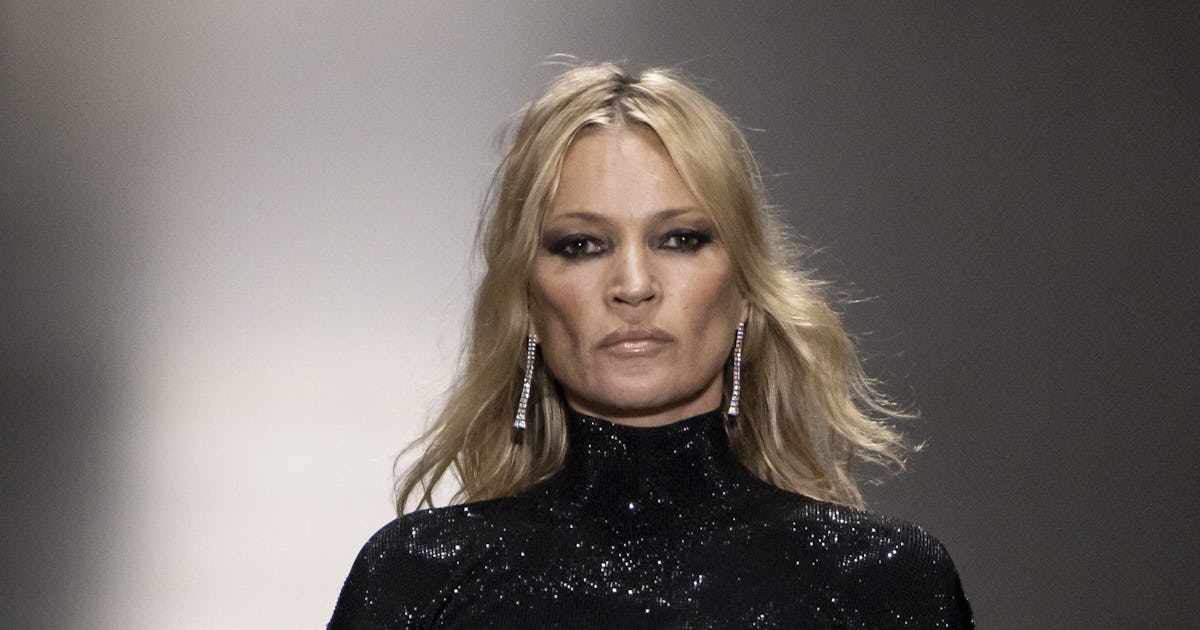
Milan Fashion Week Fall/Winter 2026 made one thing clear: so‑called naked dressing, from sheer gowns to visible lingerie details, has shifted from social‑media bait to a fully mainstream runway language. From Gucci to Roberto Cavalli, designers sent out transparent layers, strategic cut‑outs, and sparkling straps that looked like they’d been lifted straight from a 3 a.m. after‑party—but the smartest collections paired all that skin with structure, tailoring, and a sense of humor.
While interest in the naked dress has been building for several seasons, the Fall/Winter 2026 shows suggested we’re entering a more nuanced phase. Less about pure shock and more about craft, this iteration of naked dressing folds in ’90s nostalgia, Y2K club glamour, and a post‑pandemic appetite for self‑expression that refuses to go quiet.
How We Got Here: A Brief History of the “Naked Dress”
The naked dress isn’t new. Fashion has been flirting with transparency for more than a century, from early 20th‑century chiffon evening gowns to the scandalized reactions to Jean Paul Gaultier’s mesh corsetry in the ’80s. What’s different now is how explicitly mainstream the look has become, with red carpets and high street brands embracing sheerness at once.
Pop culture has steadily warmed up the audience: think of Kate Moss’s 1993 slip dress, Cher’s Bob Mackie gowns, Rihanna’s Swarovski‑covered CFDA moment in 2014, and more recently, the endless stream of nearly transparent looks at the Met Gala. By the mid‑2020s, TikTok had turned “naked dressing” into a content category, while celebrities treated see‑through gowns as just another Tuesday.
Milan, historically associated with power dressing and pragmatic glamour, bringing naked dressing to its Fall/Winter shows is symbolic: if the city of razor‑sharp tailoring is willing to bare all, the trend isn’t a niche anymore.
Inside Milan’s FW 2026 “Naked Dressing” Trend
According to Bustle’s coverage, Milan Fashion Week’s Fall/Winter 2026 shows doubled down on skin. Designers played with sheer fabrics, visible lingerie, and minimalist coverage that pushed the line between runway fantasy and real‑world wearability—while still being presented within a broader, PG‑13 fashion narrative.
- Sheer body‑skimming gowns layered over modest undergarments.
- Embellished straps and waist details that referenced lingerie styling.
- Cut‑out knitwear and dresses revealing slivers of skin while remaining styled and contained.
- Translucent layering over tailored pieces to balance exposure with structure.

The season’s most striking looks were less about literal undress and more about tension: fragile fabrics paired with tough boots, ethereal dresses worn under structured coats, and delicate beading contrasted with almost corporate styling. Milan’s take suggests naked dressing is moving toward sophistication rather than pure spectacle.
From Gucci to Cavalli: How Major Houses Interpreted the Look
Different heritage brands put their own spin on the trend, threading naked dressing through their existing identities instead of treating it as a one‑off gimmick.
Gucci: Sheer Romance Meets Power Styling
Gucci’s Fall/Winter 2026 runway leaned into translucency with gauzy dresses and tops styled over solid foundations, making the looks more about mood than about overt exposure. The house’s penchant for romantic, slightly off‑kilter elegance softened the trend and kept it within the realm of editorial glamour.
“We wanted to explore vulnerability without losing strength,” the creative direction team noted backstage, emphasizing how transparency can coexist with confidence rather than undercut it.
Roberto Cavalli: Controlled Glamour
Roberto Cavalli, long associated with bold eveningwear, approached naked dressing through the lens of controlled glamour. Strategic cut‑outs, fluid fabrics, and intricate prints kept the focus on silhouette and motion, nodding to the brand’s archive while updating it for a social‑media‑native audience.
Across the board, Milan’s biggest houses treated naked dressing as part of a larger storytelling arc: a comment on freedom, a subversion of dress codes, or a continuation of their own lineage of sensual design.
Beyond Shock Value: Cultural Context and Body Politics
Seen in isolation, transparent dresses can look like pure provocation. But in 2026, they’re also part of a broader conversation around bodily autonomy, self‑presentation, and digital culture. Social platforms reward bold visuals; at the same time, audiences are increasingly vocal about consent, safety, and the right to choose how much to show—or not show.
Many fashion critics noted that Milan’s runways emphasized styling options and layering, instead of insisting on maximum exposure. This framing allows naked dressing to function less as a demand for visibility and more as a tool: something a wearer can dial up or down depending on context and comfort.
As one critic for an Italian fashion weekly put it, “The most interesting looks weren’t about undress, but about control—who gets to decide what is visible and when.”
In that sense, Milan’s naked dressing trend reflects not just fashion’s love of spectacle, but also the ongoing negotiation between personal expression and public reception in a highly mediated era.
Strengths, Weaknesses, and What Worked on the Runway
Taken as a whole, Milan Fashion Week’s embrace of naked dressing was visually compelling, but not without drawbacks. As with any dominant trend, the repetition risked feeling predictable in less imaginative hands.
Where the Trend Shined
- Craftsmanship: Intricate fabrics, beading, and draping elevated sheer designs beyond novelty.
- Layering Ideas: Thoughtful styling showed how to wear transparency in colder seasons.
- Brand Consistency: Labels that tied naked dressing to their archives or codes felt authentic.
Where It Fell Short
- Over‑reliance on a single idea: Some collections leaned so heavily on sheerness that silhouettes blurred together.
- Limited size diversity: While there were exceptions, many shows still centered narrow body ideals, undercutting the rhetoric of “freedom.”
- Seasonal practicality: Selling transparency for winter dressing remains a challenge beyond editorial styling.
Translating the Runway: How to Wear the Trend in Real Life
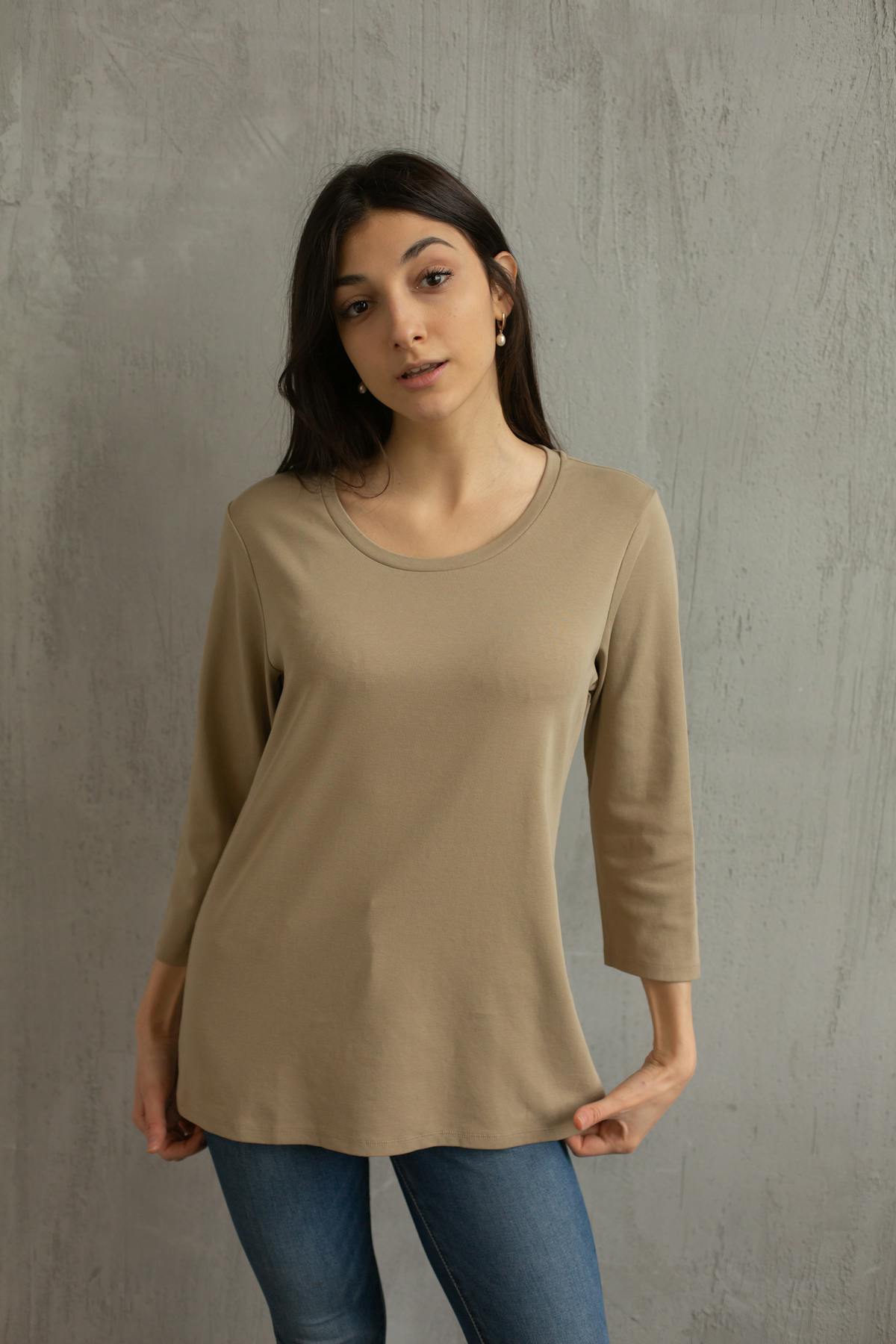
For most people, Milan’s bolder looks are more inspiration board than shopping list. But the underlying ideas—light layering, visible structure, and subtle transparency—can be surprisingly adaptable.
- Start with semi‑sheer layers: Try a translucent blouse over a camisole or a mesh knit over a T‑shirt.
- Use opacity strategically: Opaque slips, high‑waisted shorts, or bodysuits can make delicate dresses feel wearable.
- Balance proportions: Pair a more revealing top with wide‑leg trousers, or a sheer skirt with a covered‑up knit.
- Lean on accessories: Coats, scarves, and structured bags can add polish and coverage when needed.
Watch the Looks: Milan Fashion Week FW 2026 Highlights
For those who want to see how this season’s naked dressing played out in motion, official footage from the Milan shows is essential viewing. Pay attention not just to the garments, but also to how lighting, styling, and movement affect what is actually visible.
To deepen the context, cross‑reference runway clips with coverage on Vogue Runway, Business of Fashion, or designer pages on IMDb’s fashion‑related specials.
What Milan’s “Naked” Moment Says About Fashion’s Future
Milan Fashion Week Fall/Winter 2026 suggests that naked dressing isn’t about to disappear; instead, it’s being absorbed into the everyday vocabulary of fashion. Transparency is becoming another tool—like color, texture, or silhouette—that designers can deploy to explore vulnerability, power, and playfulness.
The next challenge will be evolving the idea beyond visual shock: integrating more body diversity on the runway, expanding size ranges in stores, and treating transparency as a spectrum rather than a binary. If Milan’s latest shows are any indication, the most interesting looks ahead will be the ones that let wearers decide exactly how “naked” they want to be—on their own terms.