
Metabolic Magic in Your Kitchen: Glucose-Goddess Style Cooking Without the Stress
Metabolic Health, Blood Sugar & Flavor-First Cooking
Metabolic health and blood-sugar control are inspiring a new way of cooking at home, where simple food “hacks” like eating vegetables first, pairing carbs with protein and healthy fats, and taking short walks after meals are reshaping everyday breakfasts, snacks, and dinners. This guide turns that viral “glucose goddess” energy into a practical, delicious, vegetable-forward recipe that keeps flavor front and center while gently supporting steadier blood sugar.
Instead of obsessing over every gram of carbohydrate, we’ll build a balanced plate: fiber-rich non-starchy vegetables, satisfying protein, and lush healthy fats, with smartly chosen, slow-digesting carbs on the side. Think of it as “glucose-friendly comfort food” you’ll actually crave—no diet vibes, just real food, cooked beautifully.
Why Blood-Sugar Friendly Cooking Is Everywhere
Continuous glucose monitors (CGMs), influencer charts, and “glucose hacks” have made blood sugar the star of nutrition conversations. You’ll see side‑by‑side graphs of a pastry breakfast vs. a Greek yogurt bowl, or pasta eaten alone vs. pasta after a big green salad. The patterns are clear: meals with more fiber, protein, and healthy fats—and fewer refined flours and sugars—tend to produce gentler glucose curves for many people.
For home cooks, this shift can actually be empowering. By slightly re‑ordering and re‑combining ingredients you already love, you can often:
- Feel more steady energy between meals
- Reduce “crash” cravings an hour after eating
- Support long‑term metabolic health alongside good sleep, stress management, and movement
At the same time, many dietitians remind us that normal glucose rises after eating are not inherently bad, and that whole fruits, legumes, and intact whole grains deserve a place on a varied plate. This recipe leans into that balanced, whole‑food approach.
Think of glucose‑friendly eating not as restriction, but as composition: vegetables first, protein and fat with your carbs, and movement as your quiet, daily superpower.
Recipe: Glucose‑Friendly Power Bowl with Roasted Veggies, Lemon Tahini, and Herby Lentils
This “Glucose Goddess‑style” power bowl is built to love your taste buds and your blood sugar at the same time. You’ll start with a generous layer of roasted non‑starchy vegetables, add protein‑rich lentils and Greek yogurt (or a plant‑based alternative), spoon on a silky lemon‑tahini dressing, and finish with a small portion of chewy whole grains for comfort and staying power.
Everything is designed with those viral hacks in mind:
- Veggies first: The bowl is at least half vegetables by volume.
- Protein + fat + fiber with carbs: Lentils, yogurt, tahini, and nuts surround the grains.
- Fermented food option: Add a spoon of sauerkraut or kimchi for extra tang and gut love.
The result? A deeply savory, lemony, nutty, crunchy bowl that feels like a cozy restaurant lunch but supports steadier glucose for many people compared with a typical refined‑carb meal.
Quick Recipe Summary
Prep time: 20 minutes
Cook time: 25–30 minutes
Total time: 45–50 minutes
Servings: 4 bowls
Difficulty: Easy
Diet: High‑fiber, vegetarian; easily made vegan and gluten‑free
Visual Guide
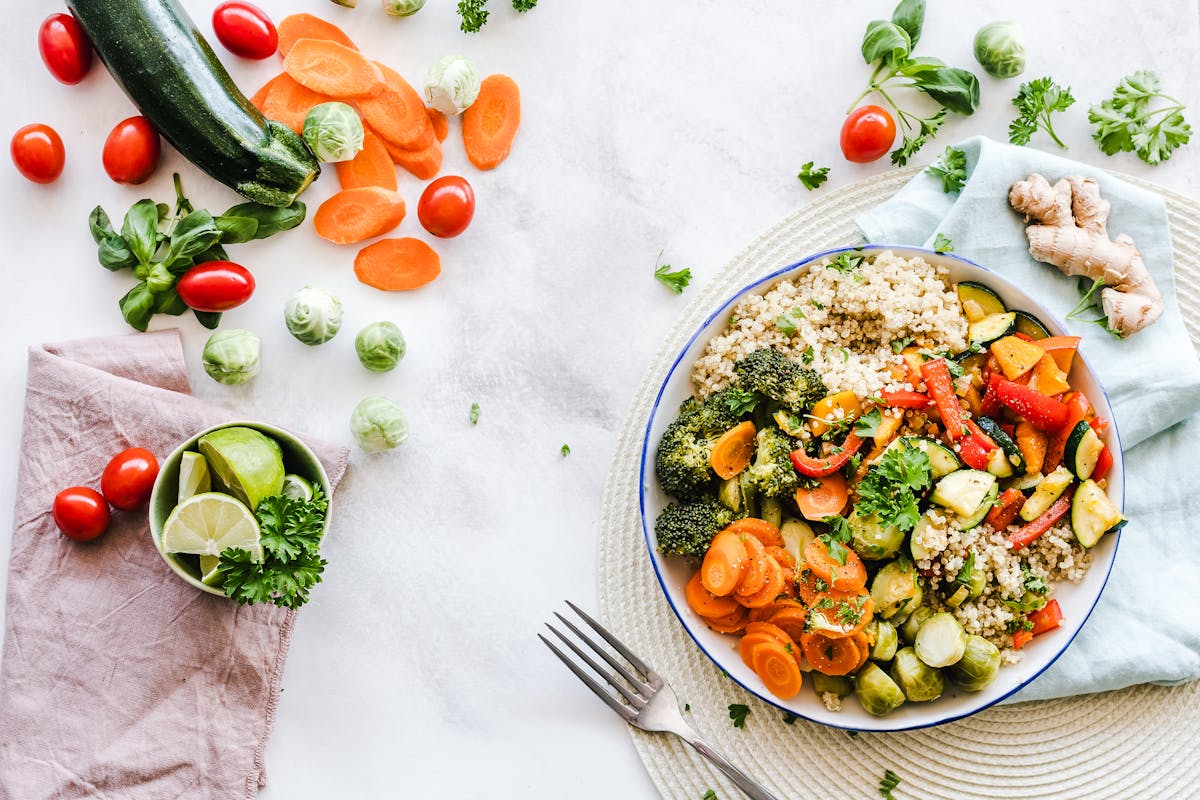


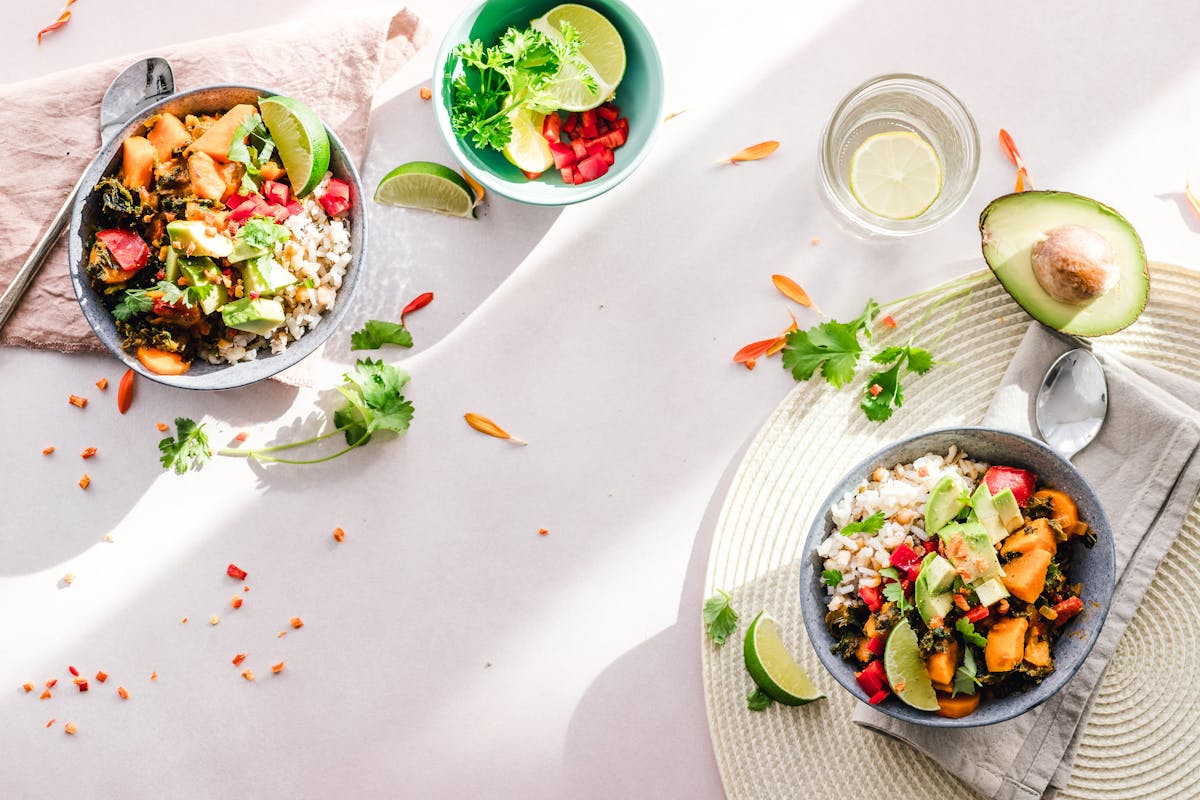

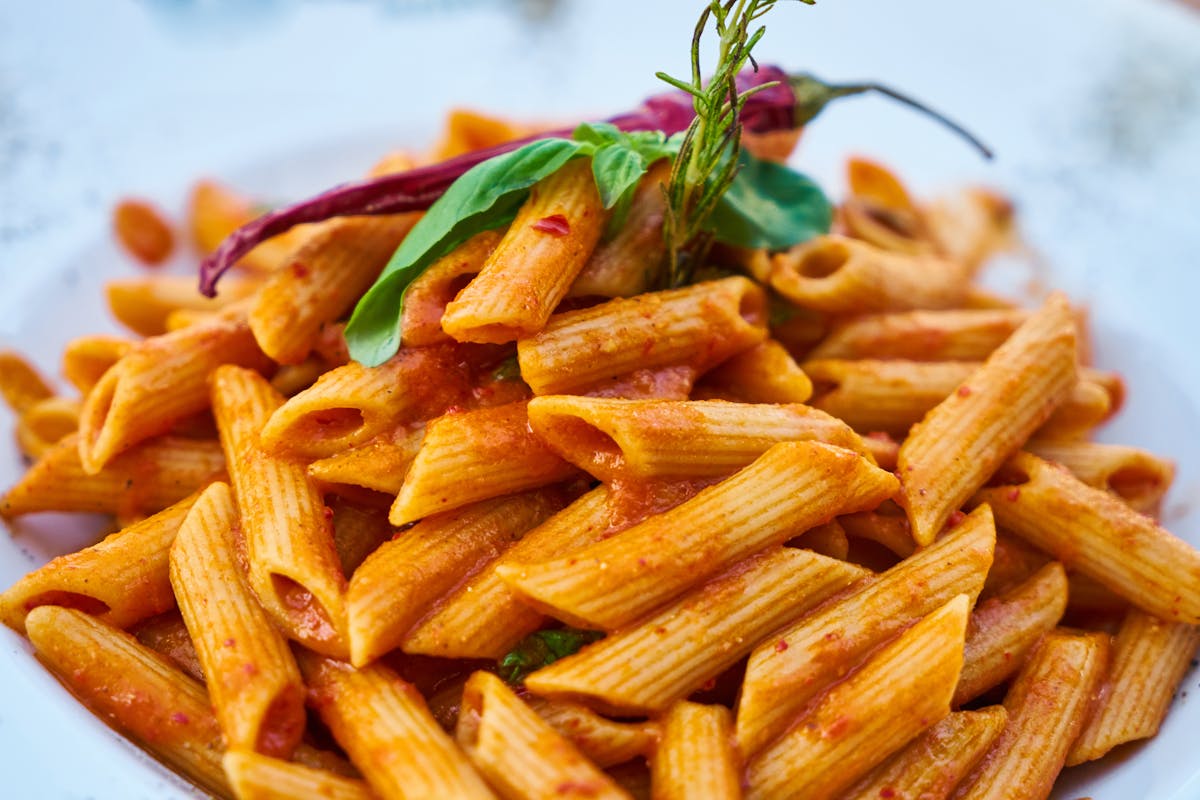
Ingredients
For the Roasted Vegetables
- 1 medium head broccoli, cut into small florets (about 3 cups)
- 1 small cauliflower, cut into small florets (about 3 cups)
- 1 large red onion, cut into thick wedges
- 1 large red bell pepper, sliced into strips
- 2 tbsp extra‑virgin olive oil
- 1 tsp smoked paprika (or sweet paprika)
- 1 tsp ground cumin
- 1/2 tsp garlic powder
- 1/2 tsp fine sea salt, plus more to taste
- Freshly ground black pepper, to taste
For the Herby Lentils
- 1 cup dry green or brown lentils, rinsed (or 2 1/2 cups cooked)
- 3 cups water or low‑sodium vegetable broth
- 1 small bay leaf (optional)
- 2 tbsp extra‑virgin olive oil
- 2 tbsp lemon juice (about 1/2 lemon)
- 1 small garlic clove, very finely minced or grated
- 1/4 cup finely chopped fresh parsley
- 2 tbsp finely chopped fresh mint (optional but lovely)
- 1/2 tsp fine sea salt, or to taste
For the Lemon‑Tahini Dressing
- 1/3 cup tahini (sesame paste), well stirred
- 3–4 tbsp lemon juice, to taste
- 1 tsp apple cider vinegar or white wine vinegar
- 1 small garlic clove, finely grated (or 1/4 tsp garlic powder)
- 1–3 tbsp cold water, to thin as needed
- 1/4 tsp fine sea salt, or to taste
Grains & Toppings
- 1 cup cooked whole grains such as quinoa, farro, or barley (about 1/3 cup per serving)
- 1 cup plain Greek yogurt (2% or full‑fat) or thick plant‑based yogurt
- 1/3 cup toasted nuts or seeds (e.g., pumpkin seeds, sunflower seeds, walnuts, or almonds)
- 1 small avocado, sliced (optional but highly recommended)
- 1/2 cup fermented vegetables such as sauerkraut or kimchi (optional)
- Extra lemon wedges for serving
Equipment
- Large baking sheet (or two, for more space)
- Parchment paper or a silicone baking mat (optional, for easy cleanup)
- Medium saucepan with lid (for lentils)
- Small mixing bowl and whisk (for dressing)
- Chef’s knife and cutting board
- Measuring cups and spoons
- Serving bowls for assembly
Step‑by‑Step Instructions
Preheat the oven and prep the vegetables.
Preheat your oven to 220°C / 425°F. Line a large baking sheet with parchment if you like. In a large bowl, combine the broccoli florets, cauliflower florets, red onion wedges, and bell pepper strips.
Season and roast for maximum flavor.
Drizzle the vegetables with 2 tbsp olive oil, then sprinkle over the smoked paprika, cumin, garlic powder, salt, and black pepper. Toss well until every piece is lightly coated. Spread in a single layer on the baking sheet, leaving space between pieces so they can caramelize rather than steam.
Roast for 20–25 minutes, stirring once halfway through, until the edges are golden and slightly crisp and the centers are tender.
Cook the lentils.
While the vegetables roast, place rinsed lentils in a saucepan with the water or broth and bay leaf. Bring to a gentle boil over medium‑high heat, then reduce to a simmer, cover partially, and cook for 18–22 minutes, until the lentils are tender but still hold their shape. Drain any excess liquid, remove the bay leaf, and transfer lentils to a bowl.
Dress the warm lentils with herbs and lemon.
While the lentils are still warm, stir in 2 tbsp olive oil, lemon juice, minced garlic, parsley, and mint. Season with salt to taste. The warmth helps the lentils soak up the flavors, giving you a bright, zesty base of plant protein.
Prepare the grains.
If not already cooked, prepare your chosen whole grain according to package instructions. Aim for about 1 cup cooked total (approximately 1/3 cup per serving) to keep the bowl focused on vegetables and protein while still feeling satisfying.
Whisk the lemon‑tahini dressing.
In a small bowl, whisk together the tahini, lemon juice, vinegar, and garlic. The mixture may seize and thicken at first—this is normal. Add cold water a tablespoon at a time, whisking, until the dressing becomes smooth and pourable. Season with salt to taste. You’re looking for a silky, spoon‑coating texture with a bright, tangy flavor.
Prepare toppings and yogurt.
Toast your nuts or seeds in a dry skillet over medium heat for 3–5 minutes until fragrant, then let cool. Slice the avocado and set out the yogurt and any fermented vegetables you’re using.
Assemble your glucose‑friendly bowls.
To each bowl, add:
- A generous layer of roasted vegetables (about 1/4 of the tray).
- A scoop of herby lentils (about 1/2 cup).
- A small mound of whole grains (about 1/3 cup).
- 2–3 tbsp of Greek yogurt or plant yogurt.
- 1–2 tbsp of toasted nuts or seeds.
- A few slices of avocado and 2 tbsp fermented vegetables, if using.
Drizzle each bowl generously with the lemon‑tahini dressing and finish with a squeeze of fresh lemon. For a “vegetables first” experience, you can nibble your roasted veg and lentils for a few bites before mixing in the grains.
Optional: Add a post‑meal walk.
If it’s accessible and safe for you, a gentle 10–15 minute walk after eating can further help your body handle the carbohydrates in the meal and may support steadier post‑meal glucose for many people.
Variations, Hacks & Dietary Adaptations
Seasonal Swaps
- Spring: Add asparagus, radishes, and peas; top with soft‑boiled eggs for extra protein.
- Summer: Roast zucchini and cherry tomatoes; add fresh basil and a sprinkle of feta.
- Autumn/Winter: Use Brussels sprouts, carrots, and red cabbage for deeper sweetness.
Protein Boost Ideas
- Add grilled chicken, salmon, or tofu cubes on top.
- Stir hemp seeds into the yogurt for extra plant protein.
- Serve with a soft‑boiled or poached egg for a brunch‑style bowl.
Dietary Adaptations
- Vegan: Use plant‑based yogurt; add extra seeds or tempeh for more protein.
- Gluten‑free: Choose quinoa, buckwheat, or certified gluten‑free oats as your grain.
- Dairy‑free: Swap Greek yogurt for coconut yogurt or cashew cream.
- Lower‑carb emphasis: Skip the grains or replace with cauliflower “rice,” and add more leafy greens.
Storage & Meal Prep Tips
This bowl is wonderfully meal‑prep friendly and can anchor several days of glucose‑aware lunches or dinners.
- Roasted vegetables: Store in an airtight container in the refrigerator for up to 4 days. Reheat in a skillet or oven for best texture.
- Herby lentils: Keep refrigerated for up to 4 days. They’re delicious cold or gently warmed with a splash of water or broth.
- Cooked grains: Refrigerate for 3–4 days. To reheat, sprinkle with a little water and warm in the microwave or on the stovetop.
- Tahini dressing: Lasts well in the fridge for up to 1 week. It may thicken; loosen with a spoonful of water or lemon juice and whisk again.
- Yogurt & avocado: Add fresh just before serving to keep textures and colors vibrant.
For easy grab‑and‑go meals, portion roasted vegetables, lentils, and grains into containers in a vegetables‑on‑top layout. Keep dressing and yogurt in separate small containers to add just before eating.
Serving Suggestions & Complementary Dishes
This glucose‑friendly bowl makes a complete meal on its own, but you can round it out with a few extras:
- A simple green salad with olive oil and vinegar to start the meal (extra fiber and a bit of vinegar).
- A side of lemony seltzer or unsweetened iced herbal tea instead of sugary drinks.
- A small bowl of berries with a spoon of yogurt or nuts for dessert—naturally sweet, yet supported by fiber and fat.
For a brunch spread, pair the bowls with soft‑boiled eggs and a platter of sliced cucumbers, cherry tomatoes, and olives; guests can build their own bowls and tune the carb portion to their preferences.
Metabolic‑Health Cooking in Everyday Life
Continuous glucose monitors, viral “glucose hacks,” and glucose‑goddess style Instagram posts have brought metabolic health into the kitchen in a very practical way. Rather than chasing every trend, you can focus on a few simple, evidence‑aligned principles:
- Start meals with non‑starchy vegetables or a salad.
- Include a solid source of protein and healthy fat with any carbohydrates.
- Favor high‑fiber, minimally processed carbs like legumes and whole grains.
- Enjoy short walks after meals if you’re able, for gentle glucose support.
This roasted vegetable and lentil power bowl weaves all of those ideas into one satisfying plate. From here, you can riff endlessly—changing the vegetables, protein, and dressing to match your culture, cravings, and the season—while keeping that delicious, steady‑energy feeling as your compass.
