
Metabolic Food Magic: Gentle Glucose Hacks Every Home Cook Can Use
Metabolic Health & Gentle Glucose Hacks for Home Cooks
Metabolic health and “glucose hacking” have quietly slipped from biohacker podcasts into our everyday kitchens. Continuous glucose monitors (CGMs), food order tricks, and post‑meal walks are no longer just for people with diabetes—they’ve become tools for anyone who wants steadier energy, fewer 3 p.m. crashes, and meals that feel as good as they taste. Here, we’ll sift through the science, soften the hype, and turn these ideas into warm, satisfying cooking habits you can actually enjoy.
Instead of chasing perfection or fearing carbs, we’ll focus on cozy, realistic strategies: how you build your plate, when you eat certain foods, and a simple, delicious “glucose‑friendly” recipe that layers vegetables, protein, and slow carbs in a way that flatters both your taste buds and your blood sugar.
Why Glucose Hacking Is Trending in Food & Nutrition
In the last few years, especially through 2025 and into early 2026, creators, dietitians, and biohackers have turned blood sugar graphs into must‑see content. You’ll see oatmeal breakfasts compared to egg scrambles, cookies eaten alone versus after a full meal, and playful “guess this spike” challenges.
Behind the trend are some very real concerns and curiosities:
- Rising insulin resistance & prediabetes: Many people are worried about long‑term metabolic health and want tools beyond calorie counting.
- Personalized nutrition: CGMs offer real‑time feedback—your own “food lab” on your arm.
- Snackable science: Short‑form videos make it easy to watch how one bowl of pasta can look very different from another on a glucose graph.
At its best, this movement nudges us toward more balanced meals: protein‑rich breakfasts, fiber‑packed lunches, and dinners that don’t leave us dozing on the couch.
Continuous Glucose Monitors: From Clinics to Home Kitchens
Continuous glucose monitors were originally designed to help people with diabetes track blood sugar in real time. Now, direct‑to‑consumer services ship sensors, apps, and coaching to people who are simply curious about their metabolic responses.
With a CGM, every bite becomes data: white rice versus quinoa, solo banana versus banana with Greek yogurt, late‑night snacks versus early dinners. These experiments have popularized a key idea:
“Healthy is partly personal.” Two people can eat the same meal and have very different glucose curves—and very different experiences of energy and hunger afterward.
Food Order, Meal Composition & Blood Sugar Stability
One of the most viral “glucose hacks” is surprisingly simple: eat your food in a certain order. Many small studies and influencer experiments highlight the same pattern:
- Fiber‑rich vegetables first – think leafy salads, sautéed greens, roasted broccoli, or a crunchy veggie starter.
- Protein and fats next – like chicken, fish, tofu, eggs, cheese, nuts, or olive oil‑based dressings.
- Starchy carbs and sweets last – bread, pasta, rice, potatoes, desserts.
The logic: fiber, protein, and fat slow down digestion and the absorption of glucose, which may flatten post‑meal spikes. Instead of a sharp mountain on a graph, you might see a gentler hill.
In practice, this could look like:
- Starting dinner with a simple green salad, then enjoying your salmon, and saving the bread basket or rice for last.
- Pairing fruit with nuts or yogurt rather than eating it completely alone.
- Finishing your veggie sides before diving into your mashed potatoes.

Vinegar Shots & Post‑Meal Walks: What the Research Says
Two of the most shared “glucose hacks” online are pre‑meal vinegar and short walks after eating. They’re simple, cheap, and—when used sensibly—fairly gentle.
Vinegar Before Meals
Some small studies suggest that a tablespoon of vinegar (often apple cider vinegar) diluted in water and taken before a higher‑carb meal can modestly improve post‑meal glucose in certain people by slowing gastric emptying and improving insulin sensitivity.
- Typical “hack”: 1 tablespoon vinegar in a large glass of water, sipped 10–20 minutes before a carb‑heavy meal.
- Flavor note: expect a tangy, sharp aroma—many home cooks prefer white wine or rice vinegar over the more pungent apple cider flavor.
10–20 Minutes of Gentle Walking
Light walking after meals has one of the most consistently positive research profiles: when muscles move, they use glucose, which can help flatten post‑meal spikes and reduce that foggy, sleepy feeling.
- Duration: Even 10 minutes helps; 20 can be better.
- Intensity: Think easy stroll, not sprint—something you can do in regular clothes after dinner.
- Experience: Many people report steadier mood and less “food coma,” especially after bigger or carbier meals.
Building Low‑Spike, Nutrient‑Rich Meal Patterns
When you zoom out from the fancy graphs and trendy hacks, metabolically friendly eating ends up looking very much like classic, wholesome cooking with a few extra nudges:
- Protein at the center: Aim for roughly 20–40 g of protein per meal from eggs, dairy, fish, meat, tofu, tempeh, lentils, or beans.
- Plenty of vegetables: Non‑starchy veg (leafy greens, cruciferous veg, peppers, zucchini) for fiber, color, and crunch.
- Slow, high‑fiber carbs: Whole grains, beans, lentils, and intact grains over white bread, pastries, and sugary drinks.
- Healthy fats: Olive oil, avocado, nuts, seeds, and fatty fish for satiety and flavor.
Many people also find that higher‑protein, lower‑sugar breakfasts—think Greek yogurt with seeds and berries or tofu scrambles with veggies—set a steadier tone for appetite and energy throughout the day.
Recipe: Fiber‑First Mediterranean Chickpea Power Bowl
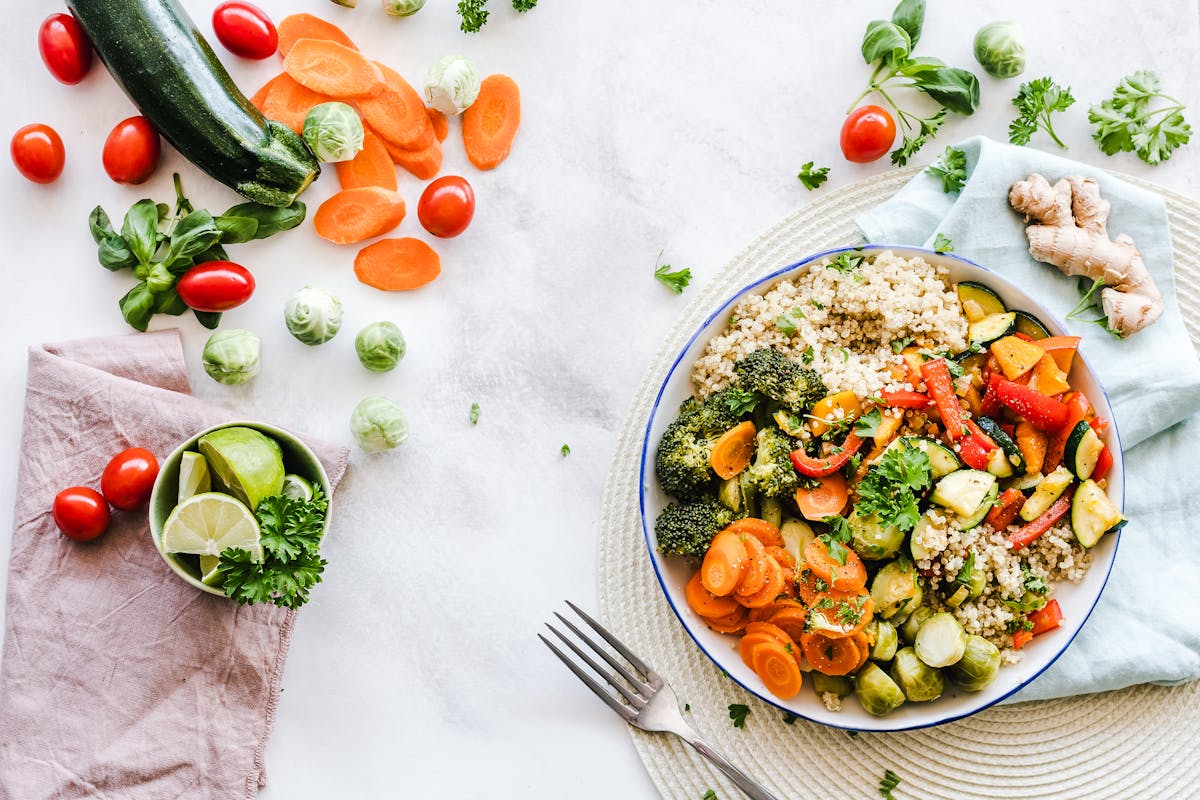
This cozy Mediterranean‑inspired chickpea bowl layers crisp, fiber‑rich vegetables, creamy protein‑packed yogurt sauce, and warm, spiced chickpeas over a base of whole grains. It’s designed to be “glucose‑friendly” by following the popular food order—veg first, then protein and fats, then slow carbs—all in one irresistibly colorful bowl.
Equipment You’ll Need
- Medium saucepan (for grains)
- Large non‑stick or stainless skillet (for chickpeas and veggies)
- Mixing bowl (for yogurt sauce)
- Cutting board and sharp knife
- Wooden spoon or spatula
- Measuring cups and spoons
- Two wide, shallow bowls for serving
Ingredients
For the Base (Slow Carbs)
- 1 cup (180 g) cooked quinoa or farro (or 1/2 cup / 90 g dry, cooked according to package)
- Pinch of salt, for cooking grains
For the Warm Spiced Chickpeas
- 1 can (15 oz / 400 g) chickpeas, drained and rinsed
- 1 tablespoon extra‑virgin olive oil
- 1 teaspoon ground cumin
- 1 teaspoon smoked paprika
- 1/2 teaspoon ground coriander (optional)
- 1/4 teaspoon garlic powder or 1 fresh garlic clove, minced
- 1/4–1/2 teaspoon fine sea salt, to taste
- Freshly ground black pepper, to taste
Crunchy Fiber‑Rich Veggie Layer
- 1 cup (about 70 g) finely shredded red or green cabbage
- 1 small cucumber, diced
- 1 medium carrot, grated or cut into matchsticks
- 1/2 small red onion, thinly sliced (or 2 scallions, chopped)
- 1 cup (30 g) fresh baby spinach or arugula
- Juice of 1/2 lemon
- 1 tablespoon extra‑virgin olive oil
- Pinch of salt and pepper
Protein‑Rich Yogurt Sauce
- 3/4 cup (180 g) plain Greek yogurt (2% or 5% for extra creaminess)
- 1 small garlic clove, finely grated or minced
- 1 tablespoon finely chopped fresh dill or parsley
- 1 teaspoon extra‑virgin olive oil
- 1 teaspoon lemon juice, plus more to taste
- Pinch of salt and pepper
Finishing Touches
- 2 tablespoons toasted pumpkin seeds or sunflower seeds
- 2 tablespoons crumbled feta cheese (optional)
- Extra lemon wedges, for serving
Step‑by‑Step Instructions
Cook the grains. If you haven’t pre‑cooked your quinoa or farro, rinse it under cool water. Add to a saucepan with water and a pinch of salt (follow package ratios), bring to a boil, then reduce heat, cover, and simmer until tender. Fluff with a fork and set aside.

Fluff your cooked grains so they stay light and separate as the base of the bowl. Prepare the crunchy veggie layer. In a large bowl, combine shredded cabbage, cucumber, carrot, and onion or scallions. Add the spinach. Drizzle with olive oil and lemon juice, season with a pinch of salt and pepper, and toss gently. Taste and adjust lemon or salt.
Toss bright, crunchy vegetables with lemon and olive oil for a high‑fiber, flavor‑packed base. Make the yogurt sauce. In a small bowl, whisk together Greek yogurt, garlic, dill or parsley, olive oil, lemon juice, salt, and pepper. The sauce should taste bright, garlicky, and pleasantly tangy. If it’s too thick, loosen with 1–2 teaspoons of water.

A creamy, herb‑flecked yogurt sauce adds protein, tang, and satisfying richness. Sauté the spiced chickpeas. Heat olive oil in a skillet over medium heat. Add chickpeas and cook for 2–3 minutes, stirring occasionally, until they start to sizzle. Sprinkle in cumin, smoked paprika, coriander (if using), garlic, salt, and pepper. Cook for another 3–4 minutes, stirring, until the chickpeas are fragrant, slightly crisped, and deeply colored. Taste and adjust seasoning.
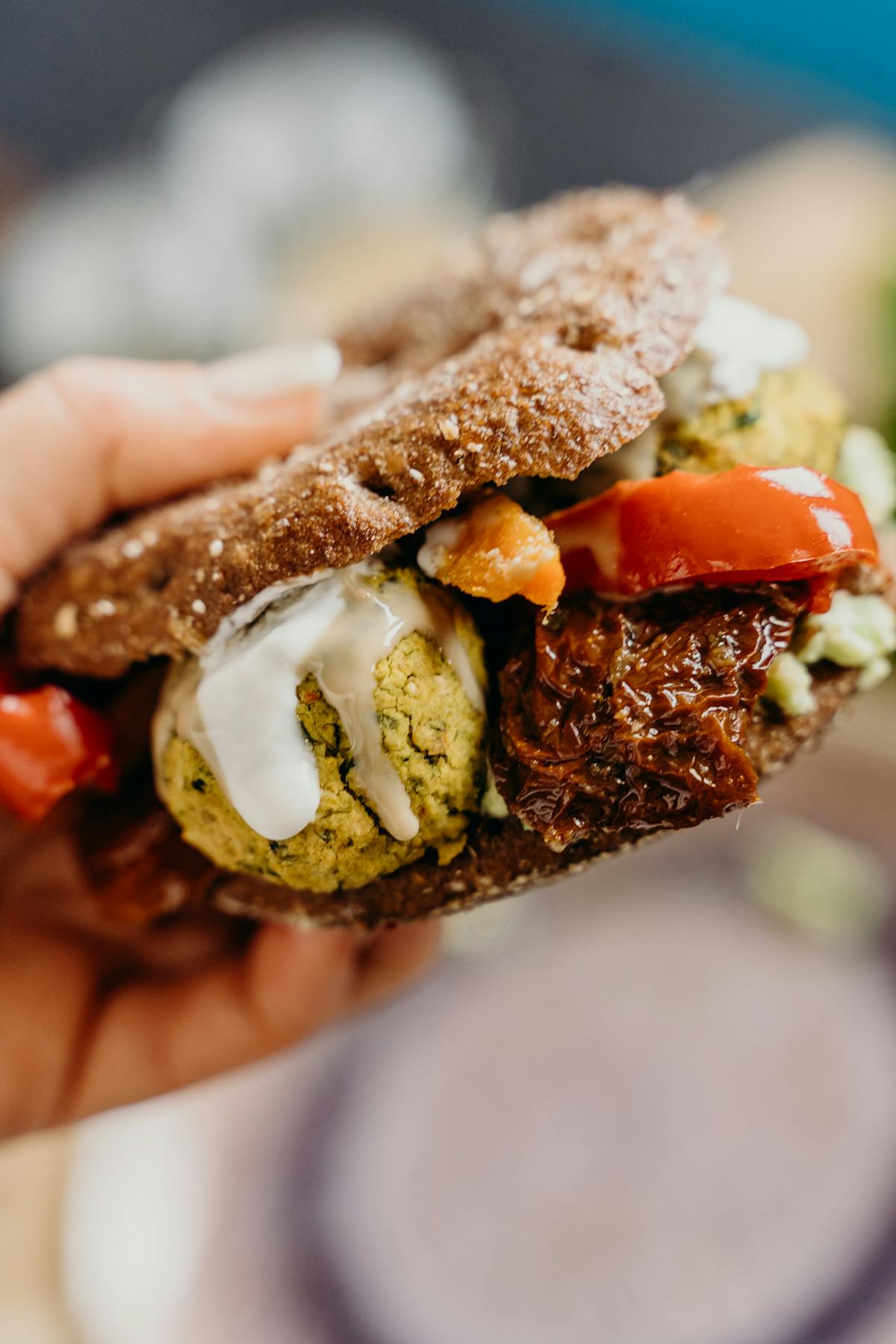
Warm, spiced chickpeas bring hearty protein, fiber, and a smoky aroma to the bowl. Assemble the bowls: fiber first. Divide the crunchy veggie mix between two wide bowls. This is your “fiber first” foundation. Add a generous scoop of warm grains to each bowl, keeping them off to one side so you can still see the vibrant veggies.
Add protein, fats, and toppings. Spoon the warm spiced chickpeas over the grains and part of the vegetables. Add a generous dollop of yogurt sauce on top or to the side. Sprinkle with pumpkin seeds, crumbled feta (if using), and extra herbs or lemon wedges.
Serve and enjoy mindfully. To lean into the “glucose‑friendly” spirit, start by eating a few bites of the crunchy veg and yogurt together, then mix in chickpeas and grains as you go. Savor the contrast of temperatures—the cool yogurt, warm chickpeas, and room‑temperature veg—and the interplay of textures.
Storage & Reheating
This bowl is meal‑prep friendly and tastes lovely cold or at room temperature—perfect for busy weekdays.
- Refrigeration: Store components separately in airtight containers for up to 3–4 days: grains, chickpeas, veggies, and yogurt sauce.
- Reheating grains & chickpeas: Warm in a skillet over low–medium heat with a splash of water or broth, or microwave in short bursts, stirring until heated through.
- Veggies & sauce: Keep chilled; add to warmed grains and chickpeas just before serving.
- Make‑ahead bowls: If assembling ahead, keep the yogurt sauce and seeds separate until serving to maintain texture.
Serving Ideas & Complementary Dishes
This Mediterranean chickpea power bowl is a complete meal on its own, but you can easily build it into a larger spread:
- Starter: A simple green salad dressed with lemon and olive oil, or a small plate of marinated olives.
- Side: Roasted non‑starchy vegetables (broccoli, cauliflower, Brussels sprouts) tossed with olive oil and herbs.
- Extra protein: Grilled fish or chicken skewers for guests who want more protein.
- Dessert: Fresh berries with a spoonful of yogurt or a handful of nuts—a sweet finish that’s gentle on blood sugar.
For a truly “metabolic‑minded” evening, savor your bowl, then take a gentle 10–15 minute stroll after dinner. Think of it less as a rule and more as a cozy ritual: good food, pleasant movement, and a calm, steady body.
Balancing Glucose Hacks with Real‑Life Joy
Nutrition experts increasingly remind us that occasional glucose spikes are normal in healthy people. Focusing solely on flattening every curve can backfire—fueling food fear, social stress, or disordered patterns.
Instead, treat “glucose hacks” as gentle, optional tools:
- Use food order, protein pairing, and post‑meal walks to support energy—not punish yourself for enjoying carbs.
- Pay attention to how you feel: appetite, mood, sleep, and satisfaction matter as much as any graph.
- If you live with prediabetes, PCOS, or insulin resistance, work with a qualified professional to tailor these strategies to your needs.
When we bring the conversation back to the kitchen—bright vegetables, slow‑cooked grains, aromatic spices, and simple rituals like a walk after dinner—metabolic health becomes less about control and more about care.
