
Meningitis Outbreak in the UK: What the New “Past the Peak” Update Really Means for You
When news breaks about a meningitis outbreak, it’s completely normal to feel a knot in your stomach—especially if you have children, work in education, or live near an affected area. The UK Health Security Agency (UKHSA) has recently said the current meningitis outbreak has likely passed its peak, but they also stress that we could still see cases continuing to come in, we need to keep an eye on those.
In other words, this is a moment for cautious optimism, not switching off. In this guide, we’ll unpack what “past the peak” really means, how meningitis spreads, what symptoms to watch for, and realistic steps you can take right now to protect yourself and your family—without spiralling into fear.
What Does “Past the Peak” of a Meningitis Outbreak Actually Mean?
When officials say an outbreak has passed its peak, they’re usually referring to the epidemic curve—a graph showing how many new cases are reported over time. The “peak” is the highest point on that curve.
- Before the peak: New cases are rising week by week.
- At the peak: New cases reach a maximum level.
- After the peak: New cases start to decline, but they don’t drop to zero immediately.
UKHSA officials, including Dr. Gayatri Amirthalingam and colleagues in similar situations, often emphasize that even when numbers fall, ongoing cases are expected. As UKHSA’s Dr. Mannes noted, We need to really understand exactly what happens a bit more before we can be too optimistic about this.
“Seeing the outbreak pass its peak is encouraging, but every single new case of meningitis remains a serious concern. Continued vigilance is absolutely vital.”
So while the overall risk to the public may be lower than at the height of the outbreak, the disease is still present. That’s why staying informed about symptoms, vaccines, and local advice really matters right now.
Meningitis 101: What It Is and Why It’s So Serious
Meningitis is an inflammation of the meninges, the protective membranes around the brain and spinal cord. It can be caused by:
- Bacteria (bacterial meningitis – usually the most serious form)
- Viruses (viral meningitis – often milder, but still serious)
- More rarely, fungi or other organisms
In the UK, bacterial meningitis is often linked to organisms like Neisseria meningitidis (meningococcus) or Streptococcus pneumoniae (pneumococcus). These bacteria can also cause blood poisoning (sepsis), which may occur together with meningitis.

Key Meningitis Symptoms: When to Act Fast
Early meningitis symptoms can look like common viral illnesses, which is one reason parents and carers find this disease so frightening. But there are red flag signs that should never be ignored.
Typical symptoms in older children, teens, and adults may include:
- Sudden high fever
- Severe headache that feels different from usual headaches
- Stiff neck (difficulty putting your chin on your chest)
- Sensitivity to light (photophobia)
- Confusion, drowsiness, or difficulty waking
- Seizures (fits)
- Rash that doesn’t fade when pressed with the side of a clear glass (a potential sign of meningococcal septicaemia)
In babies and young children, symptoms can be different and more subtle:
- Refusing feeds, vomiting, or poor feeding
- High-pitched cry or unusual moaning
- Being floppy, unresponsive, or unusually irritable
- Bulging soft spot on the head (fontanelle)
- Pale, blotchy, or mottled skin; cold hands and feet
- Rash that does not fade under a glass (seek help even if there is no rash, if other symptoms are severe)
Evidence from organisations like the UK charity Meningitis Now and the NHS consistently shows that early treatment saves lives and reduces the risk of long-term complications such as hearing loss, learning difficulties, or limb damage.
How Meningitis Spreads and Who’s Most at Risk During an Outbreak
Many of the bacteria that cause meningitis live harmlessly in the back of the nose and throat of some people—these individuals are known as carriers. The bacteria can spread through:
- Coughing and sneezing at close range
- Kissing and very close contact
- Living in crowded or shared accommodation (e.g., student halls, military barracks)
Most carriers never become ill. But in a small number of people, the bacteria invade the bloodstream or meninges and cause serious disease.
Groups typically at higher risk include:
- Babies and young children
- Teenagers and young adults (especially those living in shared housing)
- People with weakened immune systems
- Those who are unvaccinated or under-vaccinated for meningitis-related infections
“Vaccination, awareness of symptoms, and early access to care form the cornerstone of meningitis prevention and control.”
Vaccines: Your Strongest Evidence-Based Protection
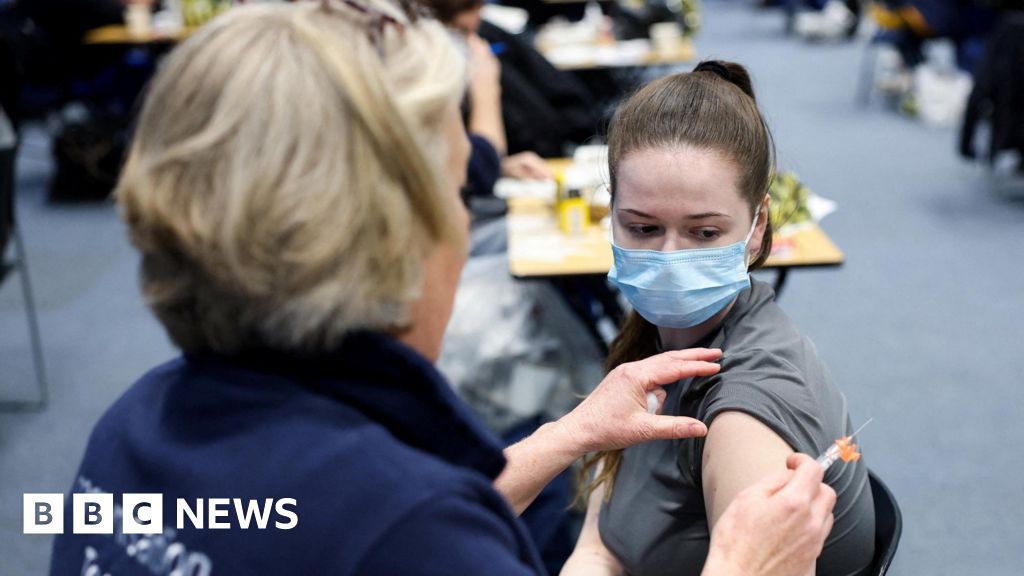
Modern vaccines have dramatically reduced the number of severe meningitis cases in the UK and globally. Different vaccines target different bacteria that can cause meningitis. In the UK, the routine schedule includes:
- MenB vaccine for babies
- Hib/MenC combined vaccines in infancy
- MenACWY vaccine offered to teenagers and some young adults (such as new university students)
- Pneumococcal vaccines (PCV) in early childhood and for some high-risk adults
These vaccines do not prevent every form of meningitis, but they significantly lower the overall risk of the most severe bacterial types.
Research published in journals such as The Lancet Infectious Diseases and surveillance data from UKHSA show that high vaccine uptake in target groups not only protects individuals but can also provide some community protection by reducing carriage and spread of certain bacteria.
Practical Steps to Stay Safe While the Outbreak Winds Down
While health agencies continue to monitor the meningitis outbreak, there are realistic, manageable steps you can take without turning your life upside down.
1. Stay up to date with trusted local information
- Follow updates from UKHSA and the NHS.
- Pay attention to letters, emails, or texts from schools, universities, or workplaces.
- Avoid relying on rumours or unverified social media posts.
2. Know the symptoms and trust your instincts
- Keep a list of key symptoms on your phone or on the fridge.
- If something feels “not right,” especially with a child, seek medical advice early.
- Tell the clinician you are worried about meningitis or sepsis so they can assess appropriately.
3. Support vaccination efforts
- Attend catch-up clinics if invited.
- Encourage teenagers and new students to get their MenACWY vaccine if they missed it.
- For those in high-risk groups, discuss extra vaccines or boosters with your GP.
4. Practice everyday infection control
- Cover coughs and sneezes with a tissue or your elbow.
- Wash hands regularly with soap and water, or use alcohol hand gel if needed.
- Avoid very close contact with others when you are acutely unwell, where possible.

A Real-World Scenario: From Panic to Prepared
During a previous meningococcal outbreak in a UK university city, I spoke with a student health adviser who described the atmosphere on campus as “a mix of fear and fatigue.” Rumours were spreading faster than the facts, and many students were unsure whether they’d had their MenACWY vaccine.
Working with local public health teams, the university organised:
- On-campus vaccination clinics with extended hours
- Simple symptom checklists posted in halls of residence
- Clear, calm email updates explaining what “outbreak control” meant
Within a few weeks, vaccine uptake increased significantly, and students reported feeling more in control and less anxious, even as a small number of additional cases were identified and treated promptly.
This kind of practical, transparent approach is very similar to what UKHSA and local partners aim to achieve each time an outbreak is detected: not just reducing numbers, but helping communities feel informed and empowered.

Common Questions About the Current Meningitis Outbreak
Is it safe to send my child to school or nursery?
In most cases, yes. If health authorities believed there was a high ongoing risk in a particular setting, they would issue specific guidance, which can include temporary closures or targeted antibiotics/vaccines. Schools are usually advised to remain open, with attention to hygiene and prompt reporting of suspected cases.
Should I ask my GP for preventive antibiotics?
Preventive antibiotics (chemoprophylaxis) are usually reserved for close contacts of a confirmed case, such as household members, intimate partners, or very close friends. UKHSA defines and contacts these groups directly. Taking antibiotics “just in case” is not recommended and can contribute to antibiotic resistance.
If the outbreak has passed its peak, can I relax?
You can certainly take some comfort in the fact that case numbers are trending down. However, because serious illnesses may still occur, it’s wise to:
- Stay familiar with the symptoms
- Keep vaccinations up to date
- Follow any local advice from schools, universities, or UKHSA
Think of it as moving from “high alert” to “calm vigilance.”
Moving Forward: Calm, Informed, and Prepared
The news that the current meningitis outbreak has likely passed its peak is genuinely encouraging. At the same time, UKHSA’s reminder that “we could still see cases continuing to come in” is a crucial reality check.
You don’t need to live in fear—but you also shouldn’t ignore the situation. The most effective, evidence-based approach is:
- Know the key symptoms of meningitis and sepsis.
- Check vaccination status for yourself and your family.
- Act fast and seek urgent medical help if you’re worried.
- Follow trusted sources like UKHSA, NHS, and recognised meningitis charities.
Outbreaks are unsettling, but they also highlight the power of modern public health: vaccines, rapid diagnosis, and coordinated response. By staying informed and prepared, you play an important part in protecting not only your own household, but your wider community as well.
