
Mediterranean ‘Glucose-Friendly’ Meals: Viral Blood Sugar Hacks Meet Classic Flavor
Mediterranean-Inspired ‘Glucose-Friendly’ Eating: Flavor-First, Blood Sugar-Savvy
Mediterranean-inspired, fiber- and protein-rich meals are being reimagined as “glucose-friendly” ways of eating, blending classic ingredients like olive oil, legumes, and fish with viral blood sugar tips such as eating vegetables first, pairing carbs with protein and fat, and using tangy vinegar dressings. This approach has leapt from niche diabetes circles into everyday wellness feeds, promising steadier energy, fewer afternoon crashes, and a more relaxed, sustainable way to support blood sugar balance.
Think of it as bringing grandma’s slow-cooked beans and bright salads into conversation with continuous glucose monitors and TikTok trends. Underneath the buzz, though, the heart of this way of eating is beautifully simple: real food, plenty of plants, satisfying protein, and lush, fragrant olive oil.
Why Mediterranean ‘Blood Sugar Hacks’ Are Trending
Across Instagram, TikTok, and YouTube, content about “flattening the glucose curve” has exploded. Creators share real-time graphs from continuous glucose monitors (CGMs) as they test everything from oatmeal to sushi. While CGMs were designed for people with diabetes, they’ve become status gadgets in wellness culture, turning invisible blood sugar swings into gripping visuals.
- Energy & mood: Many people are chasing relief from mid-afternoon crashes, irritability, and intense sugar cravings.
- PCOS & weight concerns: Communities navigating insulin resistance, PCOS, and “stubborn belly fat” are especially tuned in to glucose-focused tips.
- Mediterranean pattern as a hero: A whole-food, Mediterranean-leaning diet—with its vegetables, pulses, olive oil, nuts, and fish—fits beautifully with this stable-glucose narrative and has a deep evidence base for heart and metabolic health.
The exciting part? Many of these viral hacks, when grounded in common sense, simply nudge us toward the kind of satisfying, colorful meals that Mediterranean families have enjoyed for generations.
Core Principles of Glucose-Friendly Mediterranean Eating
Strip away the jargon and the popular “blood sugar hacks” are really about building balanced, deeply satisfying plates. Here are the pillars you’ll see repeated:
- Protein and fiber at every meal
Legumes (lentils, chickpeas, beans), Greek yogurt, eggs, fish, tofu, nuts, and seeds help slow digestion, soften glucose spikes, and keep you comfortably full. - “Vegetables first” ritual
Starting with a small salad or some crunchy raw vegetables before the rest of your meal can slow how quickly carbohydrates are absorbed—plus it wakes up your appetite with color and crunch. - Carb quality and clever pairing
Whole grains (quinoa, farro, oats, whole-grain bread) and starchy vegetables (potatoes, squash) are enjoyed alongside protein and fat, not in isolation. That pairing makes your plate more blood-sugar-friendly. - Healthy fats for satiety and flavor
Extra-virgin olive oil, avocado, olives, nuts, and seeds add silkiness, aroma, and staying power to your meals. - Vinegar as a gentle helper
A simple vinegar-based dressing or a small amount of diluted apple cider or red-wine vinegar before carb-heavy meals may modestly blunt glucose spikes for some people. Dressings are generally kinder to your teeth and digestion than straight “vinegar shots.”
A Sample Mediterranean-Style “Glucose-Friendly” Day
Here’s how these principles can look in real life—no deprivation, just vivid, nourishing food.
- Breakfast: Greek yogurt with chia seeds, berries, and chopped nuts, or eggs cooked in olive oil with tomatoes and spinach. Creamy, tangy, slightly sweet, with a pleasant crunch.
- Lunch: Lentil or chickpea salad tossed with cucumbers, tomatoes, olives, feta, and an olive-oil–lemon dressing, plus a slice of whole-grain bread. Earthy beans, juicy vegetables, briny pops of olive and cheese.
- Snack: Apple slices with nut butter or a small handful of mixed nuts. Crisp, sweet fruit against rich, roasty nut butter is both comforting and energizing.
- Dinner: Grilled salmon or tofu with a large mixed-vegetable salad (enjoyed first) and a side of roasted potatoes or whole-grain couscous. The plate looks like a sunset: greens, golds, pinks, and deep browns.
Glucose-Friendly Mediterranean Lentil Power Bowl with Lemon-Garlic Vinegar Dressing
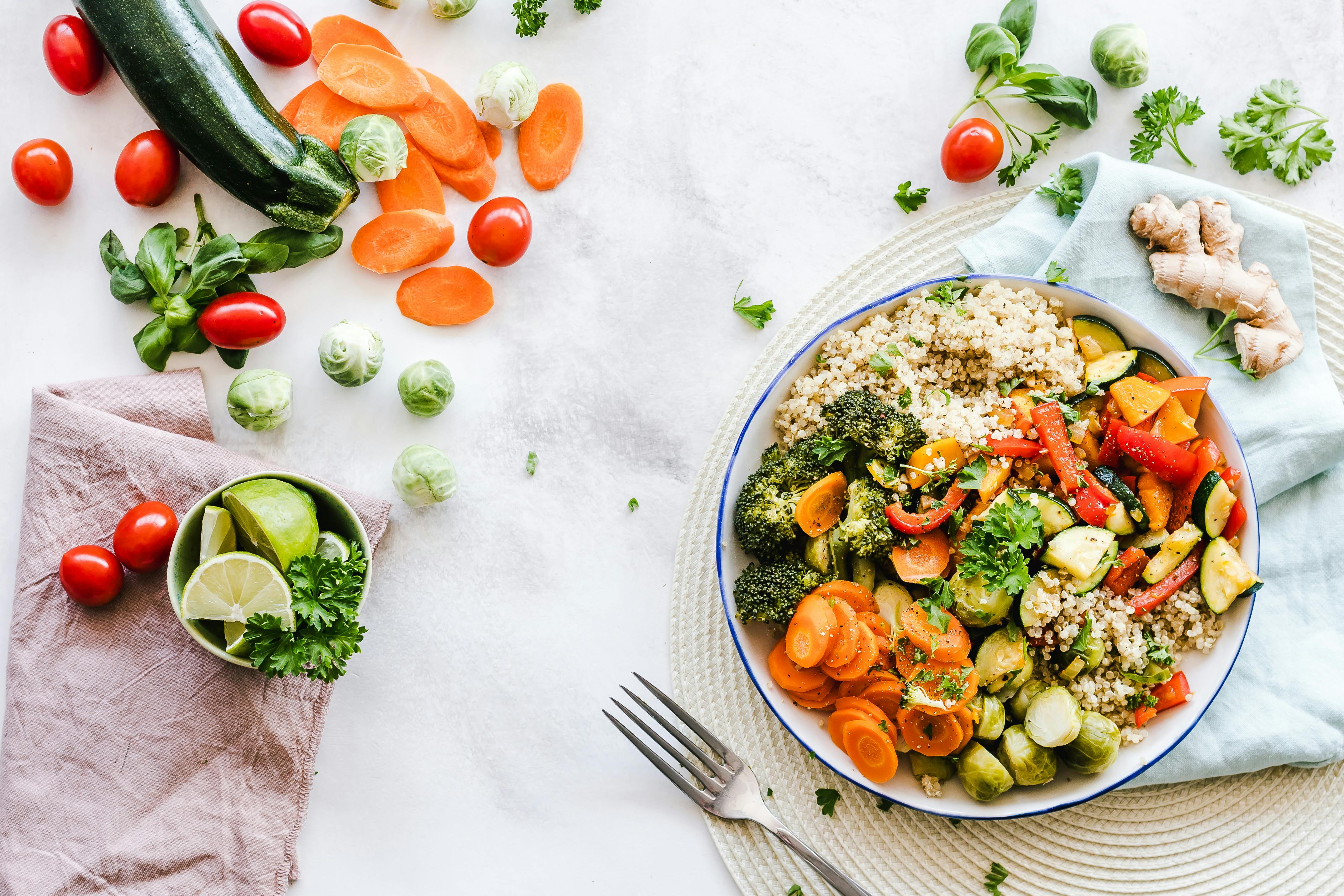
This Mediterranean lentil power bowl layers “veggies first,” plant-based protein, whole grains, and a bright vinegar-forward dressing into one colorful meal. It’s designed to be blood-sugar-friendly without sacrificing pleasure: think warm, garlicky lentils; crunchy cucumbers; juicy tomatoes; and a silky lemon-olive oil drizzle you’ll want on everything.

Ingredients
For the lentils
- 1 cup (200 g) dry green or brown lentils, rinsed
- 3 cups (720 ml) water or low-sodium vegetable broth
- 1 small yellow onion, finely chopped
- 2 cloves garlic, minced
- 1 bay leaf (optional)
- 1 tablespoon extra-virgin olive oil
- 1/2 teaspoon fine sea salt, plus more to taste
- Freshly ground black pepper, to taste
For the “veggies first” salad layer
- 2 cups (about 120 g) mixed salad greens or baby spinach
- 1 cup (150 g) cherry tomatoes, halved
- 1 medium cucumber, diced
- 1/4 small red onion, very thinly sliced
- 1/4 cup (40 g) Kalamata or mixed olives, pitted and sliced
For the grain base
- 1 cup (185 g) uncooked quinoa or farro, rinsed
- 2 cups (480 ml) water or broth
- Pinch of salt
For the lemon-garlic vinegar dressing
- 3 tablespoons extra-virgin olive oil
- 2 tablespoons red wine vinegar or apple cider vinegar
- 2 tablespoons fresh lemon juice
- 1 small garlic clove, finely grated or minced
- 1 teaspoon Dijon mustard
- 1 teaspoon dried oregano or 1 tablespoon fresh, finely chopped
- 1/4 teaspoon fine sea salt, or to taste
- Freshly ground black pepper, to taste
Toppings & finishing touches (optional but lovely)
- 1/3 cup (50 g) crumbled feta cheese (use dairy-free feta for vegan)
- 2 tablespoons toasted pine nuts or chopped walnuts
- 2 tablespoons chopped fresh parsley or mint
- Lemon wedges, for serving
Equipment
- Medium saucepan with lid (for lentils)
- Small saucepan with lid (for quinoa or farro)
- Large mixing bowl (for salad)
- Small jar with lid or bowl and whisk (for dressing)
- Cutting board and sharp knife
- Measuring cups and spoons

Instructions
- Cook the grains.
Rinse the quinoa or farro under cool water. In a small saucepan, combine the grain with 2 cups (480 ml) water and a pinch of salt. Bring to a gentle boil, then reduce heat to low, cover, and simmer:- Quinoa: about 15 minutes, or until fluffy and water is absorbed.
- Farro: 20–25 minutes, or until tender with a pleasant chew.
- Cook the lentils.
In a medium saucepan, warm 1 tablespoon olive oil over medium heat. Add the chopped onion and a pinch of salt; sauté 3–4 minutes until translucent and fragrant. Add the minced garlic and cook 30 seconds more, just until aromatic.
Stir in the rinsed lentils, bay leaf (if using), and 3 cups (720 ml) water or broth. Bring to a boil, then reduce heat to a gentle simmer. Cook uncovered for 20–25 minutes, until the lentils are tender but still hold their shape. Season with 1/2 teaspoon salt and black pepper to taste. Drain any excess liquid and discard the bay leaf. - Prepare the veggies-first salad layer.
While the lentils cook, add the salad greens, cherry tomatoes, cucumber, and sliced red onion to a large mixing bowl. Toss gently to combine. Scatter the olives over the top. Set aside; this will be the first layer you eat to honor the “veggies first” approach. - Whisk the lemon-garlic vinegar dressing.
In a small jar or bowl, combine the olive oil, red wine or apple cider vinegar, lemon juice, grated garlic, Dijon mustard, oregano, salt, and several grinds of black pepper. Shake or whisk until emulsified and slightly creamy-looking. Taste and adjust: more lemon for brightness, more salt for punch, or a splash more oil if you’d like it gentler. - Toss salad with part of the dressing.
Drizzle about one-third of the dressing over the salad and toss to coat. The greens should look lightly glossed, not soggy. Reserve the remaining dressing for the grains and lentils. - Season the lentils and grains.
Add a tablespoon or two of the dressing to the warm lentils and gently fold through; they’ll soak up the flavors beautifully. If you like, add another spoonful of dressing to the quinoa or farro and toss to coat, seasoning with a pinch more salt if needed. - Assemble the power bowls.
To build each bowl:- Add a generous handful of the dressed salad to one side of the bowl—this is what you’ll start your meal with.
- Spoon a portion of quinoa or farro beside the salad.
- Add a warm scoop of lentils next to the grains.
- Top with crumbled feta (if using), toasted nuts, and chopped herbs.
- Finish with another light drizzle of dressing and a squeeze of fresh lemon.
- Enjoy with a “veggies first” rhythm.
To align with the glucose-friendly trend, begin by eating several bites of the salad and lentils before moving into the grain portion. This simple order of operations, along with the vinegar-rich dressing, can help your body handle the carbohydrates more gently—while you savor each texture and flavor.

Storage, Meal Prep, and Reheating Tips
This Mediterranean lentil bowl is wonderfully meal-prep friendly and holds up well for busy weeks.
- Store components separately: Keep cooked lentils, grains, salad vegetables, and dressing in separate airtight containers in the fridge. This preserves texture and prevents sogginess.
- Refrigeration: Lentils and grains keep for 3–4 days. Salad vegetables are best within 2–3 days, especially tomatoes and greens.
- Reheating: Warm lentils and grains gently on the stovetop with a spoonful of water or in the microwave until just heated through. Keep the salad and dressing cold for contrast.
- Lunchbox tip: Pack the salad and dressing in a separate container from the warm components, then assemble and drizzle just before eating.
Serving Ideas & Complementary Dishes
This bowl is a complete meal on its own, but if you’re building a bigger Mediterranean-style spread, here are some lovely pairings that keep a glucose-friendly mindset:
- Roasted vegetables: Serve alongside a tray of roasted eggplant, zucchini, peppers, and red onions drizzled with olive oil and sprinkled with herbs.
- Yogurt dips: Pair with garlicky Greek yogurt or tzatziki for extra protein and a creamy contrast.
- Whole-grain pita wedges: Offer small wedges of whole-grain pita bread, ideally dipped in olive oil and herbs rather than eaten alone, to keep the carb pairing balance.
- Light dessert: Finish with a bowl of berries or sliced citrus, maybe with a spoonful of yogurt and chopped nuts to keep the protein and fat pairing going.
A Gentle Word on Glucose, Gadgets, and Balance
While CGM graphs can be fascinating, experts caution against obsessing over every spike—especially from whole, nutrient-dense foods like fruit, beans, and intact grains. What matters more is the long game: an eating pattern that you can enjoy and sustain, rich in plants, healthy fats, and quality protein.
If you live with diabetes, prediabetes, or a condition like PCOS, it’s wise to work with a healthcare professional or registered dietitian to personalize these ideas. For everyone else, you don’t need perfect data to benefit from Mediterranean-style, minimally processed meals—just a willingness to cook, taste, and adjust to what feels best in your own body.
Let the trend remind you of something quite old: a table full of vegetables, beans, grains, and good oil, shared slowly, is one of the most delicious ways to care for your blood sugar—and your soul.
