
Mediterranean 2.0 Power Bowl: A Blue Zones-Inspired Longevity Bean Feast
Blue‑Zones Inspired Mediterranean 2.0 Longevity Power Bowl
This Mediterranean 2.0 Power Bowl is a warm, vibrant, Blue Zones–inspired bean and veggie bowl that celebrates plant‑forward, olive‑oil‑rich eating for everyday longevity. Packed with creamy beans, chewy whole grains, roasted vegetables, and a zippy lemon–olive oil dressing, it turns the science of aging well into a cozy, weeknight‑friendly meal you’ll actually crave.
Inspired by the sun‑washed kitchens of Ikaria and Sardinia and the colorful market bowls you see all over social media, this dish leans into the core longevity principles: beans as daily staples, generous extra‑virgin olive oil, plenty of herbs, and simple, minimally processed ingredients. Think of it as Mediterranean 2.0: flexible, fun, and utterly satisfying, whether you’re cooking for one or feeding a crowd.

Quick Recipe Summary
Prep time: 20 minutes
Cook time: 25–30 minutes
Total time: 45–50 minutes
Servings: 4 generous bowls
Difficulty: Easy
Dietary: Vegetarian, high‑fiber, Mediterranean‑style (easy to make vegan & gluten‑free)
Equipment You’ll Need
No fancy gadgets—just a few solid basics:
- Large baking sheet (for roasting vegetables)
- Medium saucepan with lid (for cooking grains)
- Large mixing bowl
- Small jar or bowl for dressing
- Chef’s knife and cutting board
- Colander or sieve (for rinsing beans and grains)
- Wooden spoon or spatula
Ingredients for a Mediterranean Longevity Bowl
Base (Whole Grains)
- 1 cup uncooked whole grains (farro, barley, or brown rice)
- 2–2.5 cups water or low‑sodium vegetable broth
- 1/2 tsp fine sea salt (optional, adjust to taste)
Beans & Protein
- 2 cups cooked beans (about 2 x 15‑oz cans), rinsed and drained – chickpeas, cannellini, or mixed
- 1 tbsp extra‑virgin olive oil (for warming beans)
- 1 large garlic clove, finely minced (or 1/2 tsp garlic powder)
- 1/2 tsp dried oregano or thyme
- Freshly ground black pepper, to taste
Roasted Vegetables
- 1 medium red onion, cut into wedges
- 1 red or yellow bell pepper, sliced into strips
- 1 small zucchini or eggplant, cut into bite‑size pieces
- 1 cup cherry tomatoes, left whole or halved
- 2 tbsp extra‑virgin olive oil
- 1 tsp dried oregano or Italian seasoning
- 1/2 tsp smoked paprika (optional, for deeper flavor)
- 1/2 tsp sea salt (or to taste)
Fresh Add‑Ons
- 2 cups loosely packed mixed greens or arugula
- 1/2 small cucumber, diced
- 1/4 cup pitted olives (Kalamata or green), sliced
- 1/4 cup crumbled feta or a plant‑based feta alternative (optional)
- 2–3 tbsp toasted nuts or seeds (walnuts, almonds, pumpkin seeds)
- Small handful fresh herbs, chopped (parsley, basil, mint, or a mix)
Lemon–Olive Oil Longevity Dressing
- 1/4 cup high‑quality extra‑virgin olive oil
- Juice of 1 large lemon (about 3 tbsp)
- 1 tsp Dijon or whole‑grain mustard
- 1 tsp honey or maple syrup (optional, to soften acidity)
- 1 small garlic clove, very finely minced or grated
- 1/4 tsp sea salt, plus more to taste
- Freshly ground black pepper, to taste
Step‑by‑Step: How to Make a Mediterranean Longevity Bowl
- Cook the whole grains.
Rinse your chosen grain under cool water. In a medium saucepan, combine grains, water or broth, and a pinch of salt. Bring to a boil, then reduce to a gentle simmer, cover, and cook until tender but pleasantly chewy (usually 20–30 minutes, depending on the grain). Fluff with a fork and keep covered off the heat. - Preheat and prep for roasting.
While the grains cook, preheat your oven to 425°F (220°C). Line a baking sheet with parchment for easier cleanup. Add onion, bell pepper, zucchini or eggplant, and cherry tomatoes to the tray. - Season the vegetables.
Drizzle the vegetables with 2 tbsp olive oil, then sprinkle over oregano, smoked paprika (if using), salt, and pepper. Toss with your hands until everything is glossy and coated in oil and spices. Spread into an even layer so they roast, not steam. - Roast until caramelized.
Roast for 18–22 minutes, stirring once halfway through, until the edges are lightly charred, the onions are tender, and the tomatoes begin to burst. The kitchen should smell sweet and savory, with that irresistible roasted‑vegetable aroma. - Warm the beans with aromatics.
In a small skillet, heat 1 tbsp olive oil over medium. Add minced garlic and cook just until fragrant (about 30 seconds). Add beans, oregano, a pinch of salt, and black pepper. Stir gently for 3–4 minutes, until the beans are warmed through and lightly coated in garlicky oil. Turn off the heat. - Whisk the longevity dressing.
In a small jar or bowl, combine olive oil, lemon juice, mustard, honey or maple (if using), minced garlic, salt, and pepper. Whisk or shake until emulsified and slightly thickened. Taste and adjust—more lemon for brightness, more olive oil for richness, more salt if it tastes flat. - Prepare the fresh elements.
Roughly chop the greens, dice the cucumber, slice the olives, crumble the feta, and chop your herbs. Toast the nuts or seeds in a dry pan over medium heat for 2–3 minutes until fragrant and lightly golden. - Assemble your Mediterranean 2.0 bowl.
Add a scoop of warm grains to each bowl, then top with a generous spoonful of beans. Arrange roasted vegetables in one section, fresh greens and cucumber in another, and scatter olives, feta (if using), nuts or seeds, and herbs over the top. Drizzle each bowl with 1–2 tbsp of the lemon–olive oil dressing. - Taste and finish.
Take a small bite and adjust at the table—more dressing, a drizzle of extra olive oil, a squeeze of lemon, or an extra pinch of salt or herbs. The bowl should taste bright, herbaceous, slightly creamy from the beans, and deeply comforting.

Blue Zones & Mediterranean 2.0 Cooking Tips
Longevity‑focused eating is less about perfection and more about patterns you can happily repeat, day after day. Here’s how to make this bowl your own, while keeping its heart‑healthy, gut‑friendly spirit:
- Beans every day: Rotate chickpeas, lentils, black beans, and cannellini so the bowl feels new, but the habit stays consistent.
- Olive oil as a flavor hero: Don’t fear the drizzle—extra‑virgin olive oil adds fruity depth, satiety, and that signature Mediterranean character.
- Season with herbs, not just salt: Oregano, thyme, basil, mint, and parsley bring big flavor and antioxidants without relying on heavy salt.
- Color equals nutrients: Aim for at least three colors of vegetables in each bowl—your eyes and your microbiome will both be happy.
- Slow down when you eat: If possible, sit down, breathe, and enjoy this in good company—another Blue Zones habit that supports longevity.

Ingredient Substitutions & Dietary Adaptations
Make It Vegan
- Skip the feta or swap it for a vegan feta or a sprinkle of nutritional yeast.
- Use maple syrup in the dressing instead of honey.
Make It Gluten‑Free
- Use certified gluten‑free grains like brown rice, quinoa, or buckwheat.
- Double‑check any broth or mustard for hidden gluten.
Budget‑Friendly Swaps
- Use dried beans cooked in bulk instead of canned.
- Choose in‑season or frozen vegetables; roasted frozen broccoli or carrots work beautifully.
- Skip olives and feta if needed—the bowl is still delicious with beans, grains, and roasted veg alone.
Protein Boost Ideas
- Add grilled sardines, salmon, or mackerel on top for an extra Mediterranean omega‑3 punch.
- Toss in extra toasted nuts or seeds if you prefer a fully plant‑based protein boost.
Storage, Meal Prep & Reheating
This recipe is tailor‑made for meal prep and busy weeks—exactly the kind of gentle structure that supports long‑term, longevity‑focused eating.
How to Store
- Grains & beans: Store in airtight containers in the fridge for up to 4 days.
- Roasted vegetables: Refrigerate in a separate container for 3–4 days.
- Dressing: Keeps well in a sealed jar in the fridge for up to 5 days. Shake before using.
- Fresh greens & herbs: Store separately and add just before serving so they stay crisp.
Reheating Tips
- Reheat grains, beans, and roasted vegetables together in a skillet over low‑medium heat with a splash of water or broth.
- Alternatively, microwave in short bursts, stirring in between, until just warm.
- Add fresh greens, herbs, nuts, and dressing after reheating so they stay bright and crunchy.
Freezer‑Friendly Elements
- Cooked beans and whole grains both freeze well—store in labeled freezer bags for up to 3 months.
- Defrost overnight in the fridge or reheat from frozen with a bit of broth on the stovetop.
Serving Suggestions & Complementary Dishes
This longevity bowl is a complete, satisfying meal on its own, but it also plays well with other Mediterranean‑style dishes when you want a feast.
- Serve with a simple tomato and cucumber salad dressed in more olive oil and lemon.
- Add a side of whole‑grain sourdough or toasted whole‑grain pita for extra crunch and dipping.
- Pair with a small bowl of lentil soup for a bean‑lover’s dinner that feels straight out of a Blue Zone kitchen.
- Finish the meal with a piece of seasonal fruit—figs, oranges, or berries—for a classic Mediterranean touch.
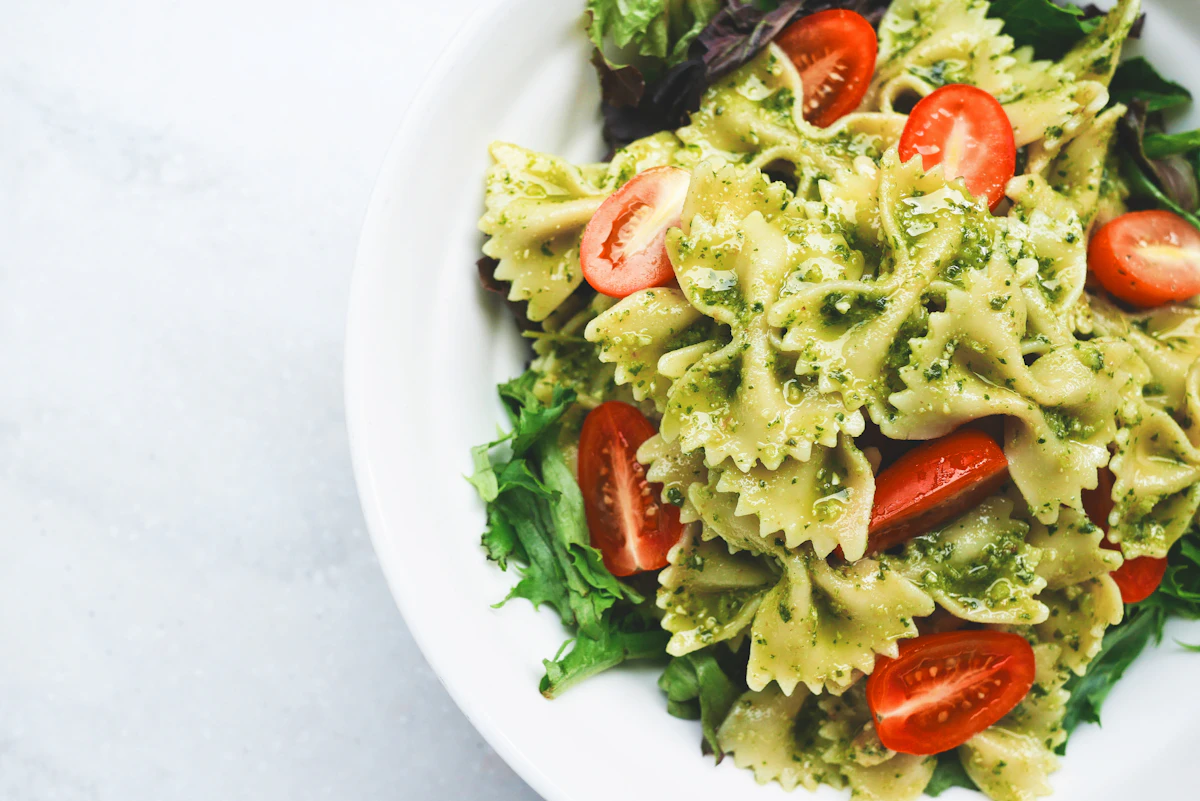
“Eating for longevity doesn’t have to mean eating less—it often means eating more of the colorful, plant‑rich foods that make meals feel abundant and deeply satisfying.”
Why This Bowl Fits the Blue Zones & Longevity Trend
On social media, “What I eat in a day for longevity” videos often spotlight exactly this kind of meal: bean‑based, rich in vegetables and whole grains, and lavish with olive oil. Researchers and creators alike are emphasizing that long‑term, everyday patterns—not short‑term restriction—are what support a healthy lifespan.
This Mediterranean 2.0 Power Bowl ties together many of today’s biggest wellness conversations—gut health (fiber‑rich beans and grains), metabolic health (balanced macros and slow‑burning carbs), and aging well (healthy fats, polyphenols from herbs and olive oil). Most importantly, it’s something you can look forward to eating, which is the secret sauce of any sustainable way of eating.
