
Liza Minnelli’s Bombshell Memoir: Inside Her Turbulent Hollywood Highs and Heartbreak
Liza Minnelli’s Memoir and the Myths of Hollywood: Fame, Folklore, and the New Era of Celebrity Confession
Liza Minnelli isn’t just revisiting her past; she’s rewriting the way Hollywood remembers itself. With her gossip-laced memoir, Kids, Wait Till You Hear This!, the Cabaret icon leans into the confessional style that now dominates celebrity publishing, while still grounding her story in craft, culture, and survival, not just scandal. Rather than dwelling on explicit details, the book folds rumor, romance, and regret into a broader portrait of how stardom was made—and unmade—in the second half of the 20th century.
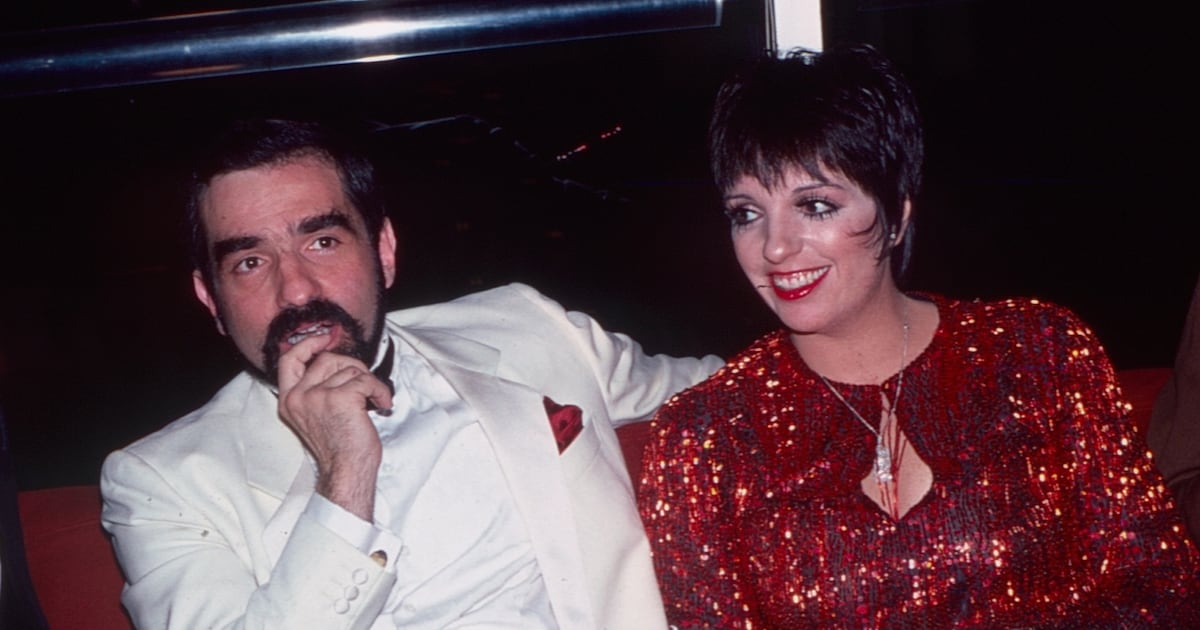
From Cabaret to Confessional: Why This Memoir Matters Now
In an era when every celebrity memoir promises “bombshells” and “shocking revelations,” Minnelli arrives with something rarer: historical memory. She’s a bridge between old-school Hollywood and the New Hollywood of the 1970s, between studio-era glamour and downtown grit, between her mother Judy Garland’s tragic mythology and a more self-aware, sometimes darkly funny, understanding of fame.
Minnelli’s story plays out against seismic shifts in the entertainment industry:
- The fall of the studio system and the rise of director-driven “New Hollywood.”
- The mainstreaming of nightlife culture—from Studio 54 to Vegas residencies.
- The evolution of celebrity press, from carefully controlled profiles to tabloid free‑for‑all.
- The current nostalgia wave, where 1970s and 1980s icons are being re-evaluated in documentaries, podcasts, and prestige TV.
Her memoir taps into the same retro fascination powering series like Feud, books about New Hollywood, and documentaries on Garland and the Rat Pack. But it also asks a quieter question: what does it cost to be visible for your entire life?
Hollywood, Memory, and Myth-Making
Minnelli’s book joins a wave of memoirs by performers who were once treated as glossy icons rather than full people. What makes her story distinctive is the way it plays with Hollywood mythology—she grew up literally inside it. The daughter of Judy Garland and director Vincente Minnelli, she watched the factory of dreams from the inside out.
“I grew up understanding that the show must go on, even when you’re falling apart. Especially when you’re falling apart.”
That tension—between performance and collapse, between persona and person—runs through every chapter. It also mirrors how we talk about celebrities now: we demand authenticity, but we still reward spectacle. Minnelli, who’s been tabloid fodder, red-carpet royalty, and late-night punchline at various points, is uniquely positioned to comment on that cycle.
The Memoir as Performance: Tone, Structure, and Style
Minnelli writes the way she talks in interviews: fast, funny, a little breathless, and occasionally heartbreaking. Don’t expect the minimalist, literary style of some modern memoirs; this is closer to a backstage monologue delivered in a dressing room at 1 a.m.
Key features of the memoir’s style:
- Non-linear storytelling that jumps between decades and coasts, mirroring a life lived in rehearsal rooms, sets, and planes.
- Showbiz anecdotes featuring directors, choreographers, and fellow performers rather than simply courting controversy.
- Emphasis on work—rehearsals, recording sessions, stagecraft—rather than reducing her life to romance or tabloid drama.
- Self-aware humor about her public image and the way gossip can flatten a complicated life into a single lurid headline.
“People like to think one story explains you. One night, one headline, one photo. But a life isn’t a snapshot; it’s the whole contact sheet.”
That reflexive commentary on celebrity culture is where the book earns its place alongside other major Hollywood memoirs of the last decade.
Cultural Impact: Queer Icon, Broadway Royalty, and New-Old Hollywood
Any serious look at Minnelli has to acknowledge her status as a queer icon and Broadway royalty. From Cabaret to her concert specials and nightclub sets, she’s been central to LGBTQ+ culture, musical theater, and the language of camp. The memoir nods to that legacy without turning it into a marketing hook.
Her collaborations and connections ripple through the culture:
- Bob Fosse and the choreography that shaped modern screen musicals.
- Broadway composers whose material she helped canonize onstage and on record.
- Nightlife scenes in New York and Los Angeles that became incubators for fashion, drag, and pop performance.
- Film directors and producers who helped define the look and feel of 1970s and 1980s cinema.
The book fits within a broader reassessment of that era, as critics, podcasters, and fans revisit the collaborations, excess, and innovation that defined New Hollywood and the golden age of Broadway crossovers.

Strengths and Weaknesses: How Does the Memoir Land?
As a piece of entertainment writing and cultural history, Minnelli’s memoir is often compelling and frequently very funny—but not without its uneven stretches.
Where the Book Shines
- Insider perspective: She offers first-hand glimpses into recording studios, rehearsal halls, and film sets across multiple eras.
- Emotional candor: Her reflections on family, legacy, health, and aging feel particularly grounded.
- Showbiz detail: Fans of musical theater, classic Hollywood, and 1970s cinema will find a wealth of production anecdotes.
- Voice: You can practically hear her rhythm and timing on the page; it’s written like a performance.
Where It Stumbles
- Occasional glossing-over: Some difficult periods are treated briskly, which may frustrate readers looking for deeper introspection.
- Non-linear jumps: The timeline sometimes zigzags in ways that can be disorienting if you’re not already familiar with her career.
- Name-density: For readers not steeped in entertainment history, the parade of names can blur together.
Still, as a document of a singular life in show business, it’s a rich and often affecting read.

Where It Fits in the Celebrity Memoir Boom
The publishing industry has embraced the celebrity memoir as a reliable event, especially when it promises behind-the-scenes revelations. Minnelli’s entry stands apart in a few ways:
- Historical scope: It spans from classic Hollywood to the age of streaming, not just a single decade of fame.
- Artistic focus: There’s sustained attention to performance technique—song interpretation, camera work, stamina on tour.
- Intergenerational lens: The book functions partly as a meditation on inheriting and outliving a family legacy.
For studios, networks, and streamers, memoirs like this have become valuable IP pipelines. It’s not hard to imagine elements of Minnelli’s life being adapted into future series, films, or docu-series, particularly given the current appetite for behind-the-curtain showbiz stories.

Accessibility, Audience, and Who This Book Is For
You don’t need to be a Minnelli completist to engage with this memoir, but it does land differently depending on how much you already know about her work.
Most likely audiences include:
- Classic film and musical fans who want a first-person account of landmark productions.
- Theater and performance students curious about stamina, technique, and career longevity.
- Pop culture historians and critics mapping how fame, press, and privacy have changed across decades.
- General memoir readers interested in resilience, reinvention, and life under constant scrutiny.
In an age where gossip can eclipse achievement, Minnelli’s book tries to redirect attention back to the work, even as it acknowledges the stories that have swirled around her for decades.

Final Thoughts: Reclaiming the Narrative
Minnelli’s memoir arrives at a moment when Hollywood is obsessed with its own past—remakes, biopics, docu-series, and nostalgia-driven branding. What makes her contribution feel vital is that it’s not just about reliving the hits or rehashing gossip; it’s about reclaiming authorship over a life that’s been relentlessly interpreted by others.
As studios, streaming platforms, and publishers continue to mine celebrity lives for content, books like Kids, Wait Till You Hear This! remind us that behind every headline is a working artist with a craft, a context, and a point of view. Whether you come for the showbiz lore or the cultural history, Minnelli’s story offers both—and suggests there are still new ways to talk about a Hollywood we thought we already knew.
For basic filmography and credits, Liza Minnelli’s profile on IMDb is an essential complement to the memoir, helping situate each anecdote within the arc of her long and shape-shifting career.
