Japandi Glow-Up: How to Nail a Warm Minimalist Living Room Without Selling Your Soul (or Your Sofa)
Welcome to Your Calm-but-Cozy Era
Japandi and warm minimalist living rooms are officially having their main-character moment. Think of it as what happens when a serene Japanese tea house goes on a blind date with a snug Scandinavian cabin and they move into your apartment together. The result: soft, warm, uncluttered spaces that make your brain exhale but your feet still want to curl up on the sofa.
If your living room currently looks like “maximalist explosion meets mystery laundry pile,” this guide is your gentle, witty intervention. We’ll talk color palettes, furniture, storage, and styling—plus how to declutter without having a full existential crisis over your mug collection.
The best part? Japandi is small-space friendly, renter-friendly, and “I’m-on-a-budget-but-still-have-taste” friendly. Let’s turn your living room into that warm minimalist oasis you keep saving to your Pinterest boards—and actually make it livable, not museum-level sterile.
What Is Japandi, Really? (And Why Is Everyone Obsessed?)
Japandi is a hybrid design style that blends:
- Japanese minimalism – clean lines, low visual noise, wabi-sabi imperfection, and intentional simplicity.
- Scandinavian coziness – light woods, soft textiles, and that warm, “come sit with a blanket and tea” vibe.
The goal: a calm, functional living room that feels like a deep breath, not a blank white box of sadness.
“Everything in the room should earn its stay” – every Japandi designer ever, probably.
Why it’s trending right now:
- Post-clutter backlash – after years of maximalist everything, people want less visual chaos.
- Small-space proof – works wonders in apartments, studios, and open-plan spaces that need to multitask.
- Wellness factor – that link between mental health and your home? Japandi leans into it hard.
On social feeds, “Japandi living room makeover” and “warm minimalist apartment tour” are booming: think before-and-afters where rainbow throw pillows get swapped for linen neutrals, surfaces get decluttered, and suddenly the room looks like it reads poetry and journals on Sundays.
Step 1: Set the Mood with a Warm Minimalist Color Palette
Your color palette is the playlist of the room: set it right, and everything feels intentional. For Japandi and warm minimalism, aim for:
- Base tones: soft whites, warm beige, sand, oatmeal, stone, and muted taupes.
- Depth tones: light to medium woods (oak, ash, beech), and cozy muted browns.
- Accent tones: small hits of black or deep charcoal for contrast.
Translation: your living room should feel like a latte, not a highlighter pack.
If you’re nervous about beige-on-beige crime, try this simple formula:
- Walls: off-white or warm light beige.
- Big furniture: light neutral (sand, light gray-beige, or warm stone).
- Wood elements: light wood in similar tones throughout (avoid mixing five random wood colors).
- Accents: black metal legs, charcoal picture frames, or a dark vase for sophistication.
Pro tip: If your room gets cool, blue-ish light, lean into creamier off-whites; if it gets very warm light, you can use slightly cooler neutrals to balance it out.
Step 2: Furniture That Does Less (But Better)
Japandi living rooms are the anti “giant sectional eating the entire floor plan” situation. The furniture is low-key, calm, and thoughtfully scaled. Here’s the cheat sheet:
- Low-profile sofa: Choose clean lines, no bulky arms, and upholstery in linen or a linen-look fabric. Legs visible. Bonus points if it’s low to the ground for that grounded Japanese feel.
- Simple wooden coffee table: Light wood, rounded corners or soft edges, with a simple profile. A chunky block or low oval works beautifully.
- Benches and stools: Swap big side tables for a slim wooden bench or small stool that can float around as needed.
- Open shelving: Light wood shelving units or wall-mounted shelves to store and style, without feeling heavy.
The big idea: each piece should feel visually light. If it looks like it could sit peacefully in a calm tea house or a Nordic cabin, you’re on the right track.
If you already own a bulky sofa, don’t panic. Try:
- Removing extra throw pillows and keeping just two larger neutral ones.
- Adding a light, textural throw in a calm color to visually “quiet” it.
- Pairing it with a simple, low coffee table and neutral rug to balance the scale.
Step 3: Materials That Feel Like a Hug (Not a Tech Store)
Warm minimalism isn’t about having less of everything; it’s about having more of what feels good. Materials are where you bring in the cozy:
- Wood: oak, ash, and other light woods for furniture, shelving, and occasional slatted details.
- Textiles: linen, cotton, wool, and textured weaves for cushions, throws, and rugs.
- Natural fibers: rattan, jute, seagrass baskets to store your stuff without visual chaos.
- Paper & rice paper: paper lantern pendants, shoji-inspired panels, and soft-glow lamps.
What you’ll see less of:
- High-gloss finishes
- Obvious plastics
- Super shiny chrome or blingy metallics
Aim for a room that feels tactile. If everything looks like it would squeak if you touched it, pivot. If it looks like you could nap on every surface, you’re close.
Step 4: Secret Storage, a Love Story
A warm minimalist living room with nowhere to hide the chaos is just a ticking clutter bomb. This is where Japandi quietly high-fives home improvement:
- Built-in shelving or wall-mounted units: Perfect for media walls, books, and a few carefully chosen decor pieces.
- Closed storage: Sideboards, low cabinets, or benches with hidden compartments for cables, remotes, and random objects you swear you’ll “sort later.”
- Under-sofa or under-bench storage: Use low baskets or rolling bins to hide seasonal items or spare blankets.
DIY-lovers are also embracing:
- Simple slatted wood walls behind TV areas or sofa zones to create subtle texture.
- Floating media consoles to keep the floor visible (and the robot vacuum happy).
- Shoji-inspired sliding doors to hide storage nooks or wardrobes.
Rule of thumb: every visible surface should feel edited. The storage takes the hit so your shelves don’t have to.
Step 5: Decluttering Without the Drama
You don’t have to throw away everything you own to be minimalist. You just have to get choosy about what lives on display. Try this low-stress process:
- Clear one surface at a time. Coffee table, TV console, sideboard—pick just one so you don’t spiral.
- Sort into three groups: keep visible, keep hidden, let go. Be honest about what actually makes you happy versus what’s just… there.
- Re-style with restraint. For most surfaces, aim for 1–3 objects: a tray, a small stack of books, a candle, or a single sculptural vase.
- Audit your textiles. Keep your favorite throw blankets and pillows, but let go of anything scratchy, overly bright, or guilt-kept.
If you struggle to let go of decor, use the “photo rule”: snap a picture of sentimental but visually noisy items before donating. You keep the memory, lose the mess.
Step 6: Styling the Japandi Way (Tiny Moves, Big Impact)
This is where your living room goes from “neat” to “did a designer do this?”—without you actually hiring one. Some easy Japandi styling moves:
- Coffee table styling: Use a tray to corral items, keep the palette neutral, and limit yourself to 2–4 objects: a candle, a book, and a small vase with a branch or single stem.
- Wall decor: Choose one or two larger, simple pieces instead of a busy gallery wall. Abstract art, a single ink drawing, or a textile wall hanging works beautifully.
- Greenery: Consider one thoughtfully placed plant or branch arrangement in a simple ceramic vase, rather than a jungle of mismatched pots.
- Lighting: Layer floor lamps, table lamps, and a soft-glow paper or fabric pendant. Think warm glow, not interrogation room.
When in doubt, remove one thing. Then step back and see if the room breathes easier. It usually does.
Bonus: Bringing Japandi into the Bedroom
Once your living room gets the Japandi treatment, your bedroom will start glaring at you. The good news: the same rules apply.
- Low bed or platform frame in light wood or simple upholstered fabric.
- Crisp bedding in white, ivory, or soft greige, with one or two pillows max on show.
- Nightstands: slim, simple—no cord chaos, no clutter towers.
- Lighting: a small bedside lamp or wall sconce with warm, soft light.
- Wall decor: one piece of art, a simple peg rail, or nothing at all.
Aim for a bedroom that feels like a quiet exhale, not a storage unit with a mattress in it.
Japandi Quick-Start: 10-Minute Warm Minimalist Upgrades
If you want results today (preferably before tonight’s Netflix session), try one or two of these:
- Swap bright, patterned cushions for 2–3 solid linen or cotton cushions in warm neutrals.
- Clear your coffee table and restyle with just a tray, one book, and a candle.
- Gather random decor into one box; only put back what you truly love.
- Replace a harsh white bulb with a warm, dimmable LED for instant cozy calm.
- Roll up a busy, colorful rug and try the room with a plain jute or solid neutral rug.
- Hide visible cables near your TV or sofa with simple cable covers or baskets.
Tiny changes, big “wow, my place looks strangely grown-up now” energy.
Your Home, But Calmer
Japandi and warm minimalism aren’t about turning your living room into a showroom; they’re about making it a place where your shoulders drop the second you walk in. With a soft, neutral palette, thoughtfully chosen furniture, natural materials, smart storage, and just a few meaningful objects on display, your space can feel both visually quiet and deeply cozy.
Start small: a decluttered coffee table, a lighter color scheme, a single paper lantern pendant. Bit by bit, you’ll realize your home can be minimalist and lived-in, tidy and inviting—less “don’t touch anything” and more “stay for tea.”
And if anyone asks why your living room suddenly looks like a calm, curated sanctuary, just tell them: “It’s Japandi. And yes, I do accept compliments.”
Suggested Images (Strictly Relevant & Royalty-Free)
Below are carefully selected, highly relevant image suggestions that directly reinforce key concepts from this blog. All URLs are from reputable, royalty-free sources and are publicly accessible.
Image 1: Japandi Warm Minimalist Living Room Overview
Placement location: Directly after the paragraph in the section “Step 2: Furniture That Does Less (But Better)” that begins with “Japandi living rooms are the anti ‘giant sectional eating the entire floor plan’ situation.”
Supported sentence/keyword: “Japandi living rooms are the anti ‘giant sectional eating the entire floor plan’ situation. The furniture is low-key, calm, and thoughtfully scaled.”
Image description (must-have visual elements):
- A real Japandi-style living room with a low-profile neutral sofa (beige or light gray-beige) with visible legs.
- A simple light-wood coffee table with rounded or softly curved edges.
- Light wood flooring or a neutral rug in beige or cream tones.
- Minimal decor on the coffee table (e.g., one small vase with a branch, a book, and a candle).
- Neutral walls (off-white or light beige) with minimal wall decor.
- Natural materials such as a linen throw or cotton cushions.
- No visible people, no bright or saturated colors, no heavy clutter.
Image URL: https://images.pexels.com/photos/6958120/pexels-photo-6958120.jpeg
SEO-optimized alt text: “Japandi warm minimalist living room with low-profile beige sofa, light wood coffee table, and neutral decor.”

Image 2: Natural Materials & Textures Close-Up
Placement location: After the section “Step 3: Materials That Feel Like a Hug (Not a Tech Store)” following the paragraph that begins, “Warm minimalism isn’t about having less of everything; it’s about having more of what feels good.”
Supported sentence/keyword: “Warm minimalism isn’t about having less of everything; it’s about having more of what feels good. Materials are where you bring in the cozy.”
Image description (must-have visual elements):
- A close-up or mid-shot of a Japandi-style living room corner showing layered natural materials.
- Elements such as a light-wood side table, a neutral linen or cotton throw, a textured wool or jute rug, and a simple ceramic vase.
- Soft, warm lighting, ideally from a fabric or paper shade lamp in the scene.
- Muted, warm neutral color palette: beige, cream, light wood, soft browns.
- No people, no bright patterns, and no glossy or plastic-looking surfaces.
Image URL: https://images.pexels.com/photos/6585763/pexels-photo-6585763.jpeg
SEO-optimized alt text: “Close-up of Japandi living room corner with natural wood side table, neutral textiles, and ceramic vase.”
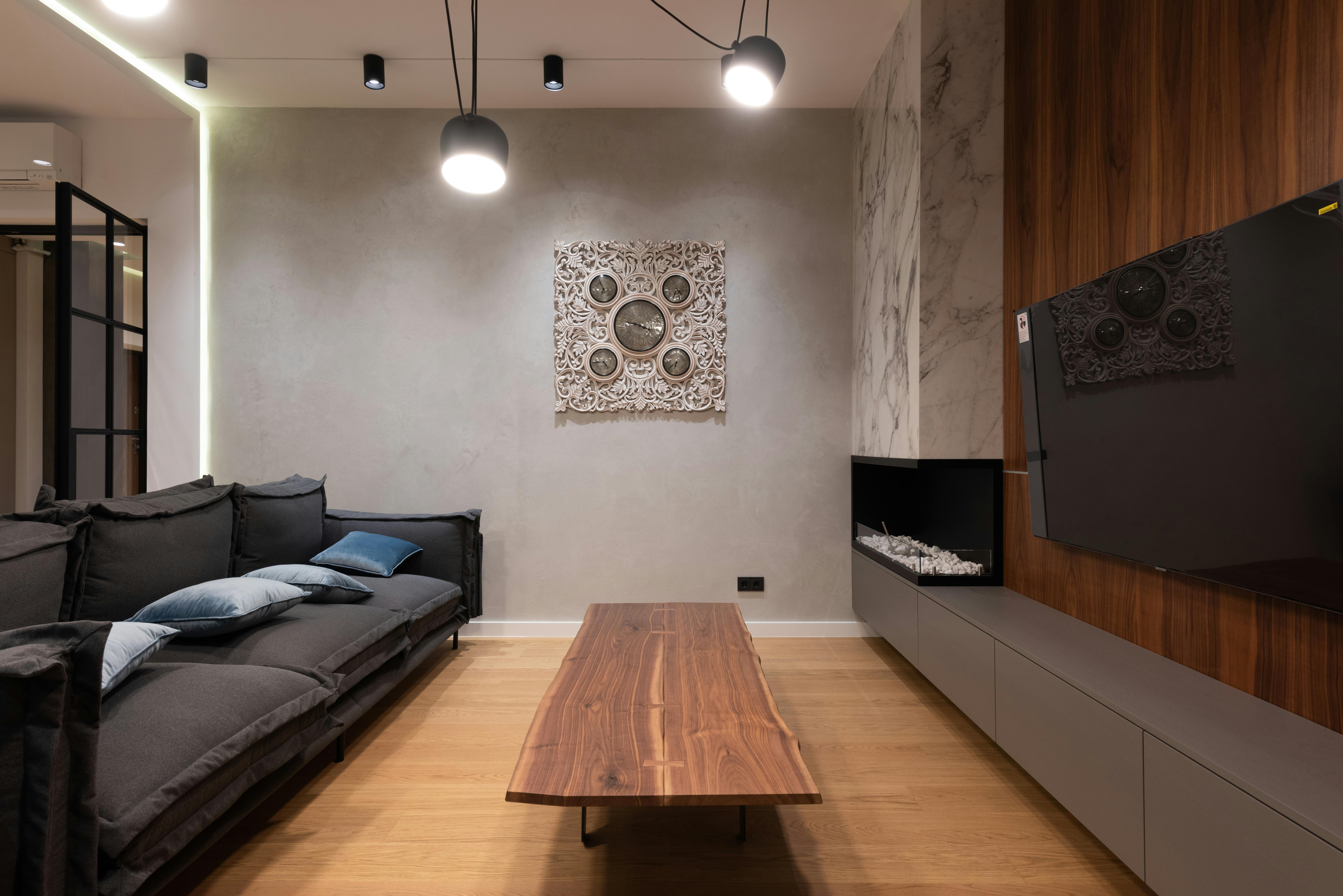
Image 3: Japandi-Inspired Bedroom Extension
Placement location: Inside the “Bonus: Bringing Japandi into the Bedroom” section, after the bullet list describing the key bedroom elements.
Supported sentence/keyword: “Aim for a bedroom that feels like a quiet exhale, not a storage unit with a mattress in it.”
Image description (must-have visual elements):
- A Japandi-inspired bedroom with a low platform bed in light wood or neutral upholstery.
- Crisp white or light beige bedding with minimal pillows.
- Light wood bedside table with a simple lamp or small decor item.
- Neutral wall color and very minimal wall decor (one simple piece or bare wall).
- Natural materials visible, such as a jute rug or linen bedding.
- No people, minimal clutter, and no bright accent colors.
Image URL: https://images.pexels.com/photos/8629121/pexels-photo-8629121.jpeg
SEO-optimized alt text: “Japandi-style bedroom with low platform bed, neutral bedding, and minimal decor.”