
Is This the End of Shouting Chefs? René Redzepi’s Exit and Fine Dining’s Reckoning With Kitchen Abuse
Out of the Frying Pan? René Redzepi, Noma, and the Slow Death of the Screaming Chef
René Redzepi’s resignation from Noma — long hailed as the world’s most influential restaurant — lands like a perfectly timed course in a tasting menu that’s suddenly gone off-script. After fresh reporting on bullying, burnout, and the darker edges of “brigade” culture in elite kitchens, the Danish chef’s step back has become less about one man and more about whether the performative cruelty of fine dining has finally passed its sell‑by date.
The image of the raging chef — think Gordon Ramsay’s televised tirades or Marco Pierre White’s infamous pan‑throwing — has been part of restaurant mythology for decades. Now, with Noma’s evolution and Redzepi’s exit in the spotlight, the industry is being forced to ask: was the abuse ever “part of the craft,” or just part of the problem?
From Nordic Revolution to Global Reckoning
To understand why Redzepi’s move matters, you have to understand what Noma represented. Opened in Copenhagen in 2003, it became the flagship of New Nordic cuisine: hyper‑local ingredients, foraged herbs, fermentation on an almost religious level, and a near‑obsessive focus on place and seasonality.
- Multiple “World’s Best Restaurant” titles from The World’s 50 Best Restaurants.
- Influence far beyond Denmark, inspiring restaurants from Sydney to São Paulo to rethink locality and waste.
- Prestige pipeline of alumni who went on to open their own high‑concept tasting temples.
But behind the foraged moss and 20‑course menus were stories familiar to anyone who has worked in top‑tier kitchens: long unpaid stages (internships), grueling shifts, and a culture that normalized shouting, humiliation, and exhaustion as proof of commitment.
“We were all complicit in believing that suffering was part of greatness. Now we’re asking whether greatness needs to look like that at all.”
What Is “Brigade” Culture, Really?
The modern fine‑dining kitchen is built on the brigade de cuisine, a military‑inspired system popularized by Auguste Escoffier in the late 19th century. It brought discipline and order to chaotic restaurant operations — but it also imported a certain barracks‑style mentality.
- Rigid hierarchy: Executive chef at the top, then sous chefs, station chefs, and so on.
- Zero‑tolerance for mistakes: Errors are public, corrections often loud.
- “What happens in the kitchen stays in the kitchen”: A culture of silence around misconduct.
In TV terms, think Gordon Ramsay on Hell’s Kitchen — the shouting, the plate‑smashing, the verbal dressing‑downs. Ramsay has long insisted that intensity equals standards; critics counter that intensity doesn’t have to mean humiliation.
Redzepi has previously spoken about his own temper in the kitchen, publicly admitting to behavior he later regretted. His resignation arrives in a moment when the romance of the tyrannical genius chef is under more scrutiny than ever.
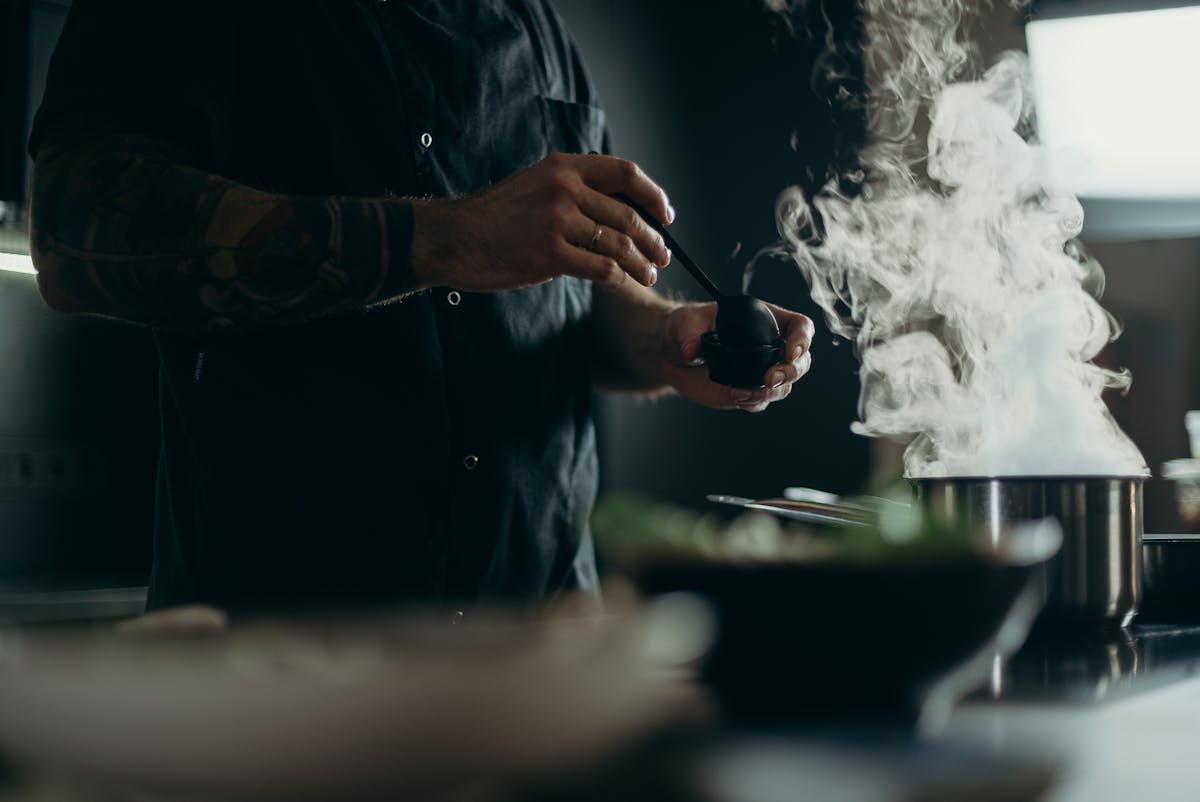
Why Redzepi’s Exit Hit Headlines: The AP, The Times, and the Turning Tide
The latest wave of attention follows coverage from outlets including AP News and The New York Times, which revisited long‑standing questions about life inside Noma. Reports highlighted:
- Allegations of bullying and harsh treatment in the kitchen.
- The emotional and physical toll of sustaining high‑concept tasting menus.
- The broader issue of unpaid or underpaid stages in elite restaurants.
Redzepi’s resignation isn’t framed as exile — he’s still a towering figure in gastronomy — but the timing, in tandem with these renewed criticisms, makes it feel like a symbolic turning point. It’s not just a chef stepping aside; it’s an era being questioned.
“If the cost of excellence is people’s well‑being, then that’s not excellence. That’s just exploitation dressed up as artistry.”
— Comment from a prominent European food critic
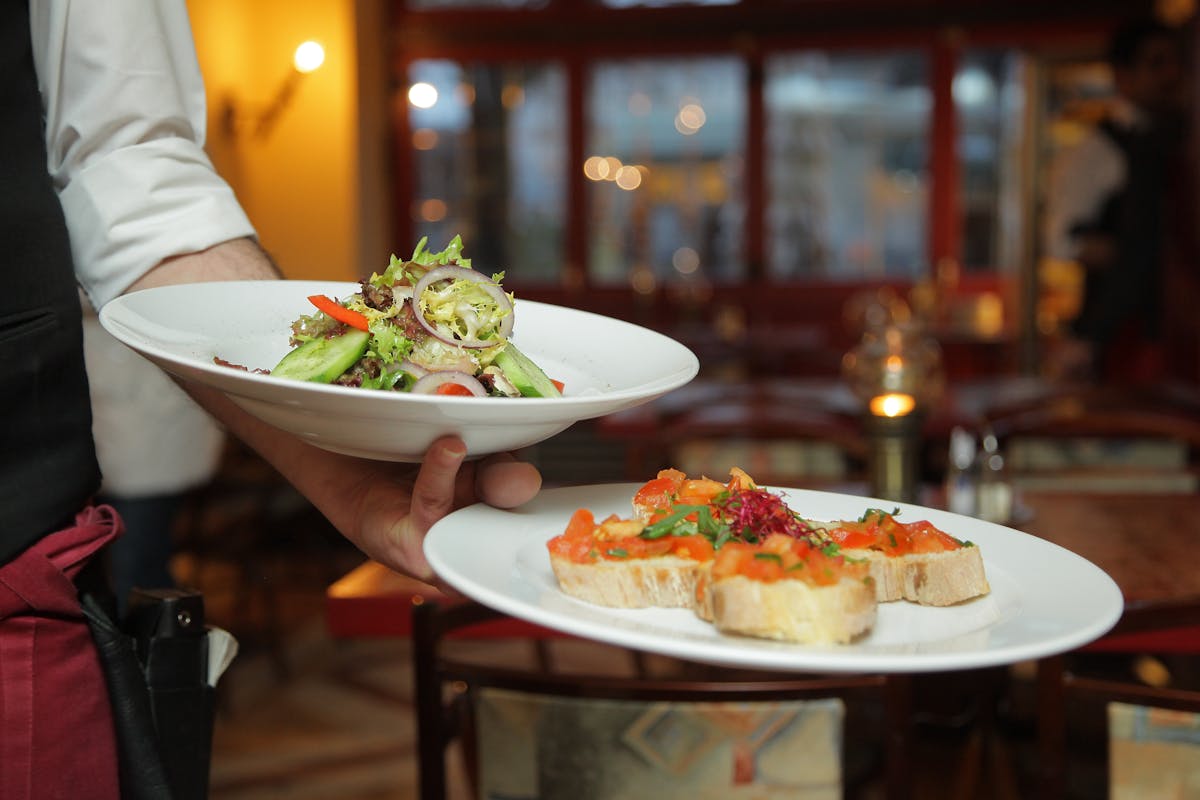
The Genius and the Grind: What Noma Got Right
Any honest appraisal of Redzepi has to hold two truths at once: he drove some of the most important culinary innovations of the 21st century, and he did so within a system that often normalized punishing labor conditions.
Noma’s lasting contributions include:
- Localism as luxury: Turning hyper‑seasonal, local produce into a status symbol, long before “farm‑to‑table” became menu wallpaper.
- Fermentation labs: Treating fermentation like R&D, influencing cocktail bars, bakeries, and home cooks alike.
- Playful plating: The now‑ubiquitous foraged look — mossy, minimal, cinematic — owes a visible debt to Noma.
Culturally, Noma also helped reposition Copenhagen as a global food capital, spawning food tourism and inspiring restaurants from Geranium to smaller wine bars and bakeries that riff on its ethos in more casual, sustainable ways.

The Cost of Greatness: Abuse, Burnout, and the Broken Economics of Fine Dining
The darker side of the story is less photogenic. Noma’s critics — and critics of high‑end dining more broadly — point to three overlapping problems.
1. Normalized Bullying and Verbal Abuse
Being screamed at, insulted, or publicly shamed has long been treated as a twisted rite of passage in elite kitchens. What used to be brushed off as “tough love” now looks a lot more like misconduct, especially as younger cooks bring different expectations around workplace respect.
2. Burnout as a Badge of Honor
Twelve‑ to sixteen‑hour days, split shifts, and work weeks that swallow any concept of a life outside service are still common. Many former stagiaires describe the experience as both career‑making and soul‑crushing — something you “survive” rather than simply “do.”
3. Unsustainable Business Models
Fine dining’s math is famously brutal: expensive ingredients, huge staff‑to‑guest ratios, elaborate R&D, and limited seating. That pressure can cascade downwards, incentivizing unpaid labor, under‑compensation, and a ruthless pace in the name of staying afloat.
“The fantasy of the temple of gastronomy is subsidized by people whose names never make it onto the awards list.”
— Food journalist commenting on modern tasting‑menu culture
Not Just Noma: How the Rest of Fine Dining Is Responding
Redzepi’s resignation arrives in the midst of a broader cultural re‑write. Around the world, high‑profile chefs and restaurants are reassessing what leadership looks like in a kitchen.
- Softer leadership styles: Some celebrated chefs now emphasize mentorship over fear, swapping “Yes, chef!” rigidity for more collaborative language.
- Shorter services, fewer days: A growing number of fine‑dining spots are reducing services per week to protect staff well‑being, even at the cost of revenue.
- Transparency and HR structures: Anti‑harassment policies, anonymous reporting tools, and actual HR professionals — once rare in restaurants — are slowly becoming more common.
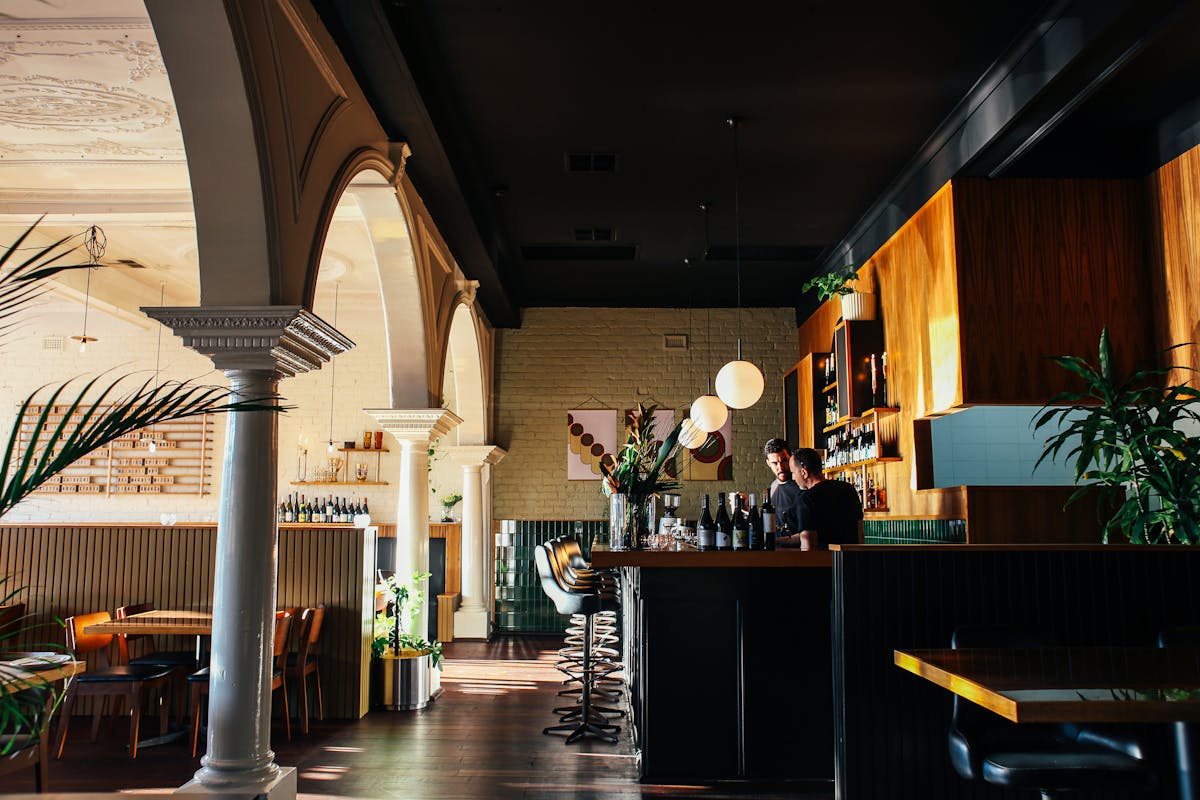
Evaluating the Legacy: Innovation vs. Impact on People
Taken as a kind of “review” of the fine‑dining era that Noma symbolizes, the report card is mixed — brilliant on the plate, complicated behind the pass.
- Strengths: Unmatched creativity, deep respect for ingredients, global influence on cooking techniques and aesthetics, and a willingness to question tradition on the plate.
- Weaknesses: Tolerance for abusive behavior, shaky labor practices, and an economic model that often depends on under‑valued human work.
The key question now is not whether Noma “deserved” its acclaim — it did, by almost any culinary metric — but whether that model of success is morally or practically defensible in 2026 and beyond.
Life After the Shouting Chef: Where Fine Dining Goes From Here
Redzepi stepping back from Noma is less a final course than a palate cleanser. The industry is in the middle of rewriting its own script: away from the myth of the tortured genius screaming at the line, towards a model where excellence is measured not just by guest lists and guides, but by how the people in the kitchen are treated.
Fine dining itself isn’t dying; what’s dying is the assumption that cruelty is the price of greatness. If anything, the next truly revolutionary restaurant might not be the one that serves the most technically perfect dish, but the one that proves you can reach that level without leaving a trail of burned‑out cooks behind.
For diners, that means thinking a bit harder about the stories behind the tasting menu. For chefs and restaurateurs, it’s a challenge: build kitchens where ambition and humanity can coexist — or watch a new generation of talent take their skills, and their values, somewhere else.
Cultural Review: Fine Dining’s Reckoning After René Redzepi’s Resignation
By Staff Culture Writer
Overall industry outlook: 4/5 for progress, with 1 representing no change.
René Redzepi on IMDb (related media) | Official Noma website
