
Is That Nightly Drink Raising Your Colon Cancer Risk More Than You Think?
The Drinking Habit That Might Be Quietly Raising Your Colorectal Cancer Risk
More young adults are being told, “You have colorectal cancer” — a sentence that used to be far more common after age 50. Colorectal cancer is now the leading cause of cancer-related death among men and women 50 and younger in the U.S., according to recent American Cancer Society research. At the same time, many of us see alcohol as a normal part of relaxing, socializing, or taking the edge off after a long day.
Doctors are increasingly warning that this widespread drinking habit — especially when it’s frequent or long-term — may be raising colorectal cancer risk more than most people realize. That doesn’t mean you have to live a perfectly alcohol-free life to be healthy, but it does mean your choices today can meaningfully influence your cancer risk tomorrow.

Why Are Colorectal Cancer Cases Rising in Younger Adults?
Colorectal cancer (CRC) was once thought of as a disease of older adults. Over the past few decades, however, doctors have seen:
- More people in their 20s, 30s, and 40s being diagnosed with CRC
- More advanced disease at the time of diagnosis in younger patients
- A shift that led the American Cancer Society to lower the recommended screening age from 50 to 45 for average-risk adults
No single factor explains this trend. Researchers point to a combination of:
- Dietary patterns high in processed meats and low in fiber
- More sedentary lifestyles
- Rising obesity rates
- Changes in the gut microbiome
- And importantly, sustained alcohol use
“Alcohol is now classified as a Group 1 carcinogen for humans, meaning there is sufficient evidence that it causes cancer. That includes cancers of the colon and rectum.”
— Summary of evidence from the International Agency for Research on Cancer (IARC) and the American Cancer Society
How Alcohol Raises Colorectal Cancer Risk: What Science Shows
You don’t have to be a “heavy drinker” for alcohol to affect your colon. Large observational studies and pooled analyses consistently show a dose–response relationship: as average alcohol intake goes up, so does colorectal cancer risk.
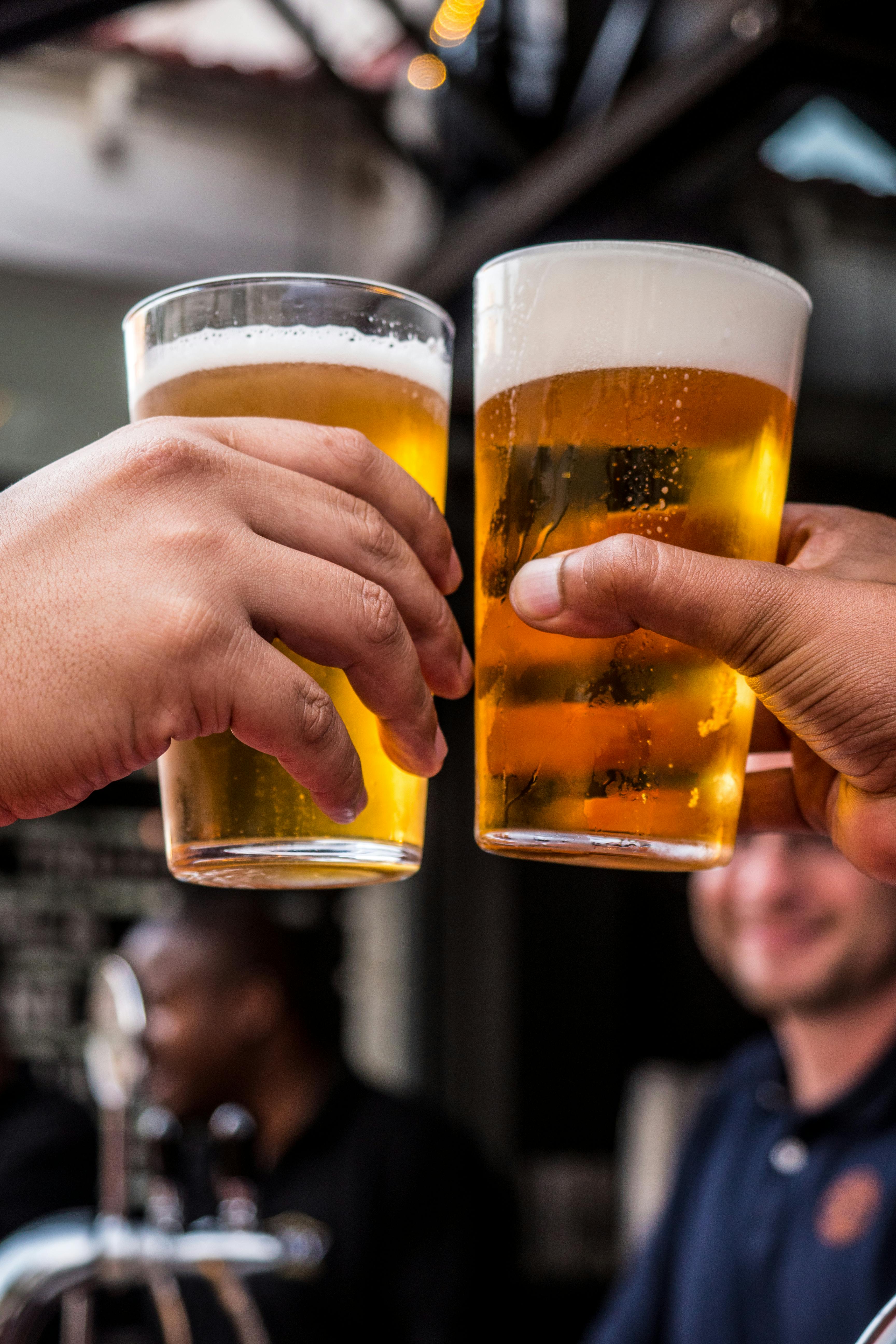
While exact numbers vary between studies, research generally finds:
- Light to moderate drinking (for example, up to about 1 drink a day) is associated with a small but measurable increase in CRC risk compared with not drinking.
- Heavier drinking (around 2 or more drinks a day, or frequent binge drinking) is linked with a moderate to substantially higher risk.
- Risk appears to accumulate over time — what matters most is your average pattern over years, not just one night out.
Biological reasons alcohol affects your colon
Researchers have identified several mechanisms that help explain why alcohol can promote colorectal cancer:
- Acetaldehyde formation
Your body breaks down alcohol into acetaldehyde, a toxic, carcinogenic compound that can damage DNA in colon and rectal cells. - Oxidative stress and inflammation
Alcohol metabolism generates reactive oxygen species, which can injure cells and promote chronic inflammation — a known driver of cancer. - Folate and nutrient disruption
Regular alcohol use can interfere with folate and other B-vitamins involved in DNA repair. Low folate status has been linked to higher CRC risk. - Gut microbiome changes
Alcohol can alter the balance of bacteria in your gut and weaken the intestinal barrier, potentially increasing exposure of the colon lining to toxins. - Synergy with other risks
Alcohol may act together with smoking, processed meats, obesity, and low-fiber diets to further increase risk.
How Much Is “Too Much”? Understanding Relative vs. Personal Risk
Many people hear “increased risk” and assume it means they will definitely get cancer if they drink. That’s not how risk works. Instead, alcohol changes the probability over a lifetime.
Typical patterns associated with higher CRC risk
- Drinking most days of the week, even if it’s “only” 1–2 drinks
- Regular binge drinking (for example, 4–5+ drinks on a single occasion)
- Years or decades of steady alcohol use starting in early adulthood
- Drinking combined with other risk factors (smoking, processed meat, low fiber, obesity, physical inactivity)
On an individual level, your actual risk depends on how alcohol combines with things like:
- Family history of colorectal or related cancers
- Personal history of polyps or inflammatory bowel disease
- Body weight, diet, physical activity, and smoking status
- Age and sex
A Real-World Story: From “Normal Drinking” to a Wake-Up Call
Consider “Mark,” a 43-year-old professional (name and details blended from several real cases shared by clinicians). Mark didn’t think of himself as a heavy drinker. He:
- Had 1–2 glasses of wine with dinner most nights
- Went out with friends on weekends, often having 3–4 drinks
- Ate reasonably well but worked long hours at a desk and rarely exercised
When new guidelines lowered the screening age, his partner nudged him to book a colonoscopy. He hesitated — “I’m only 43” — but eventually went. Doctors found and removed a precancerous polyp. It hadn’t become cancer yet, but likely would have over time.
For Mark, this was a turning point. His gastroenterologist explained that his long-term drinking pattern, combined with sedentary work and a family history of CRC, added up. He didn’t have to become a teetotaler overnight, but he made three key changes:
- Cut weeknight drinking down to 1–2 nights a week
- Swapped some social drinks for alcohol-free options
- Started walking 30 minutes most days
Stories like Mark’s don’t prove that alcohol alone causes cancer, but they reflect what the data show: small, sustainable shifts in drinking and lifestyle can meaningfully reduce risk over time.
Practical Ways to Lower Your Colorectal Cancer Risk Without Losing Your Social Life
If you drink alcohol, you don’t have to choose between “all or nothing” to improve your colon health. Meaningful risk reduction often comes from small, consistent changes.
1. Know your personal risk and get screened
- Talk with your healthcare provider about:
- Your alcohol use pattern (how much, how often, for how many years)
- Family history of colorectal or related cancers
- Digestive symptoms such as bleeding, changes in bowel habits, or unexplained weight loss
- Follow screening guidelines:
- Most average-risk adults: start at age 45
- Those with higher risk (strong family history, genetic syndromes, etc.): often need earlier or more frequent screening
- Screening options include colonoscopy, stool-based tests, or flexible sigmoidoscopy — your provider can help you choose the best option.

2. Set a realistic alcohol plan
Instead of vaguely aiming to “drink less,” create a simple, concrete plan:
- Pick your “alcohol-free” days.
Choose at least 2–3 days each week when you don’t drink at all. Mark them on your calendar. - Set a weekly maximum.
Many experts now suggest staying at or below about 3–6 drinks per week if you choose to drink, and the less the better for cancer risk. - Pour with awareness.
Use standard drink sizes: about 12 oz beer, 5 oz wine, or 1.5 oz of spirits. Home pours are often larger than we think.
3. Make socializing less alcohol-centered
- Alternate alcoholic drinks with water or sparkling water
- Try non-alcoholic cocktails, beers, or wine alternatives
- Plan gatherings around activities — walks, hikes, games, cooking together — rather than only around drinking
- Practice one or two simple phrases to decline a drink without over-explaining, such as “I’m pacing myself tonight”
4. Support your gut in other evidence-based ways
Even if you choose to drink occasionally, you can lower your overall colorectal cancer risk by:
- Eating more fiber from fruits, vegetables, whole grains, beans, and lentils
- Limiting processed meats (bacon, sausage, deli meats) and charred red meats
- Staying physically active most days of the week
- Maintaining a healthy weight or working toward gradual, sustainable weight loss if recommended by your clinician
- Not smoking, or getting help to quit if you do
Common Obstacles — and How to Work Through Them
Changing long-standing habits isn’t easy, especially when alcohol is woven into social norms, celebrations, or stress relief. Here are a few challenges many people face — and realistic ways forward.
“Everyone I know drinks. I don’t want to be the odd one out.”
- Order a drink that looks alcoholic, like sparkling water with lime in a cocktail glass.
- Arrive a bit later or leave a bit earlier to naturally limit total drinks.
- Suggest plans that don’t revolve around alcohol when it’s your turn to choose.
“I use alcohol to wind down after work.”
Try experimenting with other stress-relief tools for at least a few nights a week:
- A short walk after dinner
- Guided breathing or a brief mindfulness exercise
- Reading, stretching, or a hot shower before bed
- Calling a friend purely to talk, not to drink together
“I’m afraid I’ve already done too much damage.”
It’s understandable to feel worried, especially if you’ve been drinking regularly for years. But research suggests that reducing or stopping alcohol can still lower your risk over time. You can’t change the past, but you have real influence over the next 5, 10, or 20 years.
What Major Health Organizations Say About Alcohol and Colorectal Cancer
Several respected organizations now provide clear guidance on alcohol and cancer risk:
- American Cancer Society (ACS) — States that alcohol use is a cause of several cancers, including colorectal cancer, and recommends that people who do not drink should not start for any reason.
- World Health Organization / IARC — Classifies alcoholic beverages and acetaldehyde associated with alcohol consumption as Group 1 carcinogens (cancer-causing in humans).
- U.S. Dietary Guidelines — Emphasize that drinking less is better for health than drinking more, and that some individuals should avoid alcohol entirely.

For more detailed information, you can explore:
Moving Forward: Small Choices, Real Impact
The growing number of younger adults facing colorectal cancer is a serious signal — but also an opportunity. Alcohol isn’t the only factor, yet it’s one that many of us can change, even a little, starting now.
You don’t need perfection. You need honest awareness of your habits, informed decisions, and a willingness to take small, sustainable steps. Over time, those steps add up — to a healthier colon, a stronger body, and a better chance of avoiding a cancer diagnosis that might otherwise have been preventable or caught earlier.
Your next step:
- Take one minute to honestly write down how much you drink in a typical week.
- Decide on one change you’re willing to try for the next two weeks — fewer drinks, more alcohol-free days, or a screening conversation with your doctor.
- Schedule that doctor’s appointment or set a reminder in your phone today, while you’re thinking about it.
Your future self — and your gut — will thank you.
Article Information
Widespread Habit May Raise Colorectal Cancer Risk More Than You Think
An evidence-based look at how common drinking patterns influence colorectal cancer risk, why cases are rising in younger adults, and practical steps to protect your colon health.
