
Iron Nanomaterials That Make Cancer Cells Self‑Destruct (Without Harming Healthy Tissue)
Imagine a cancer treatment that can slip inside a tumor cell, sense its abnormal chemistry, and quietly trigger the cell to self‑destruct—while leaving nearby healthy cells largely untouched. That’s the promise behind a new iron nanomaterial developed by scientists at Oregon State University and recently reported by ScienceDaily.
If you or someone you love has faced cancer, you know how brutal many treatments can be. Chemotherapy and radiation have saved lives, but they often harm healthy tissue along the way. This new research doesn’t replace those options today—but it does hint at a future where cancer therapies could be far more precise and less punishing.
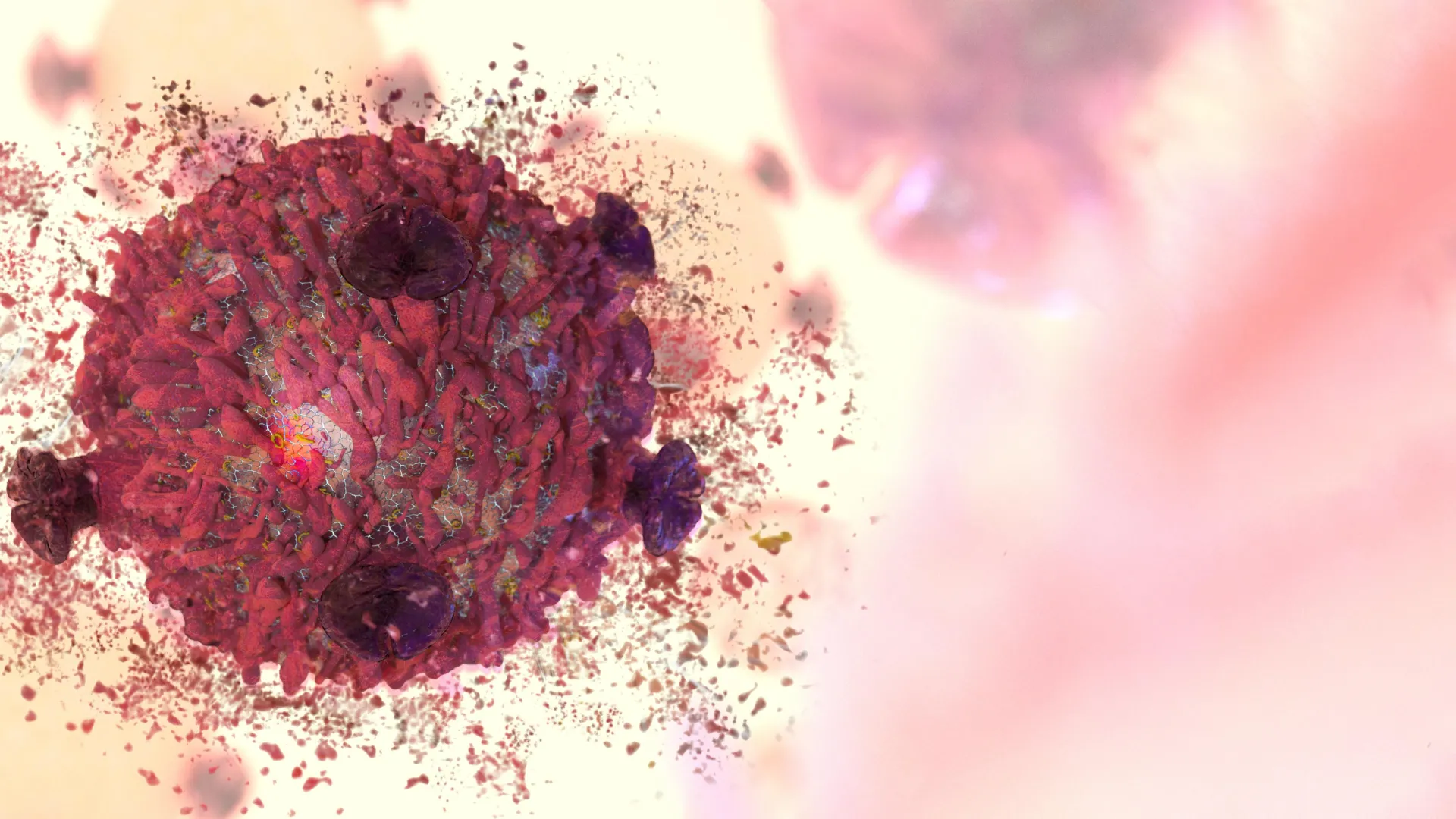
In this article, we’ll unpack what this iron nanomaterial is, how it works, why it matters, and what it realistically means for patients right now—grounded in current evidence and clinical reality.
The Problem: Powerful Cancer Treatments, Tough Side Effects
Most current cancer treatments fall into one of a few main categories:
- Chemotherapy – drugs that kill rapidly dividing cells.
- Radiation therapy – high‑energy beams that damage DNA in cancer cells.
- Targeted therapies – drugs that block specific molecules cancer cells rely on.
- Immunotherapy – treatments that help the immune system recognize and attack cancer.
Chemotherapy and radiation, in particular, can affect healthy cells—especially in the gut, bone marrow, hair follicles, and skin—leading to side effects like fatigue, nausea, hair loss, and increased infection risk.
“The central challenge in oncology is maximizing damage to cancer while minimizing collateral damage to normal tissue.”
— Common theme in modern cancer research reviews
This is where nanomedicine comes in: if we can design therapies to act only where cancer’s unique chemistry exists, we could, in theory, make treatments both more effective and gentler at the same time.
The Discovery: An Iron Nanomaterial That Targets Cancer’s Weak Spots
According to the Oregon State University team, the new nanomaterial is built around iron and engineered to take advantage of two key features that many tumors share:
- Higher acidity (lower pH) inside tumor tissue compared with healthy tissue.
- Higher levels of hydrogen peroxide (H2O2) generated by the cancer cells’ stressed, overactive metabolism.
The nanomaterial is designed to stay relatively inactive in normal physiological conditions. But once it enters the more acidic, oxidatively stressed tumor environment, it “switches on” and triggers destructive chemical reactions inside the cancer cell.
This iron nanomaterial belongs to a broader category often described as reactive oxygen species (ROS)–generating nanotherapeutics, which aim to selectively overwhelm cancer cells’ antioxidant defenses.
How It Works: Making Cancer Cells Self‑Destruct from the Inside
The Oregon State researchers report that once the iron nanomaterial is inside a tumor cell, it activates two separate chemical reactions. While exact proprietary details are technical, the overall logic follows known principles of “chemodynamic therapy.”
1. Exploiting Tumor Acidity
Tumor interiors are often slightly more acidic than normal tissue. The nanomaterial is engineered so that in acidic conditions:
- Its structure changes or breaks apart, releasing active iron components.
- These iron atoms can participate more readily in redox (electron transfer) reactions.
2. Reacting with Hydrogen Peroxide
Many cancer cells produce more hydrogen peroxide than healthy cells, a byproduct of their higher metabolic stress. In the presence of iron, H2O2 can be converted into highly reactive species (often hydroxyl radicals) that:
- Damage DNA, proteins, and cell membranes.
- Overwhelm the cell’s antioxidant defenses.
- Trigger cell death pathways like apoptosis or ferroptosis.
By designing the nanomaterial to only fully activate in this acidic, H2O2-rich environment, the researchers aim to make it self‑targeting: minimally active in healthy tissue, maximally active inside tumors.
“Cancer cells live on the edge of oxidative stress. Push them just a little further, and they die; push healthy cells, and many can still cope. That’s the therapeutic window nanomaterials like this are trying to exploit.”
— Paraphrased from contemporary reviews on chemodynamic and ferroptosis-based cancer therapy
Why This Is Promising: Selectivity and Synergy
Based on early reports, the Oregon State iron nanomaterial showed strong ability to kill cancer cells in experimental models while causing minimal harm to healthy cells. This selectivity is critical.
Potential advantages, if confirmed in further research, include:
- Higher precision – Activation mainly in cancer’s unique chemical environment.
- Lower systemic toxicity – Less off‑target damage compared with some traditional chemotherapies.
- Combination potential – Could be paired with immunotherapy, radiation, or drugs to attack tumors from multiple angles.
- Broad applicability – Because acidity and oxidative stress are common features of many tumors, it may work across different cancer types (though this remains to be tested).
What the Evidence Shows So Far (and What It Does Not)
As of early 2026, the publicly available information describes:
- Engineering of the iron‑based nanomaterial at Oregon State University.
- Activation of two chemical reactions inside tumor cells targeting their acidic, H2O2-rich environment.
- Pronounced killing of cancer cells in research settings with limited harm to healthy cells.
However, there are several important unknowns right now:
- Has it been tested in animal models extensively, and what were the side effects?
- Can it be safely cleared from the body (liver, kidneys, immune system)?
- How will it behave in the complex environment of a human tumor versus lab dishes?
- Will it work equally well for all cancer types, or only some?
For context, many nanomedicine candidates never make it past Phase I clinical trials due to unexpected safety issues, immune reactions, or limited benefit when tested in real patients.

Realistic Timeline: When Could Patients See This?
Even when research looks exciting, developing a new cancer therapy is a long, stepwise process:
- Lab studies in cell cultures and simple models.
- Animal studies to evaluate safety, dosing, and preliminary effectiveness.
- Phase I clinical trials to test safety in a small number of people.
- Phase II & III trials to test effectiveness and compare with current treatments.
- Regulatory review and, if warranted, approval.
This process often takes 10 years or more, even for very promising technologies. Timelines can vary, but it’s safe to say:
- This iron nanomaterial is not something patients can request in clinics today.
- It may ultimately become:
- A new stand‑alone therapy,
- An enhancer of existing treatments, or
- A stepping stone that informs even better designs.
What Patients and Families Can Do Right Now
While we wait for technologies like this iron nanomaterial to move through the research pipeline, there are evidence‑based steps people living with cancer can take today—always in consultation with their care team.
1. Rely on Proven Therapies First
Treatments such as surgery, chemotherapy, radiation, hormonal therapies, targeted agents, and immunotherapies are supported by large clinical trials. They remain the backbone of cancer care.
2. Ask Informed Questions
- “Are there any clinical trials that might be relevant for my cancer type and stage?”
- “How do you balance effectiveness with quality of life in my treatment plan?”
- “What side effects should I watch for, and how can we manage them?”
3. Strengthen Your Overall Health
No lifestyle change can “cure” cancer by itself, but certain habits can support treatment tolerance and recovery:
- Nutrition: Aim for adequate calories and protein; many patients benefit from a dietitian consult.
- Physical activity: Gentle movement, as tolerated, may reduce fatigue and improve mood.
- Sleep and stress: Mind‑body practices (breathing exercises, meditation, counseling) can help manage anxiety.
4. Be Cautious with “Miracle Cures”
If you see headlines or ads claiming a single nanotechnology, supplement, or device can “cure all cancers,” that’s a red flag. Real progress is usually more measured and incremental, as with this iron nanomaterial discovery.

A Case‑Style Perspective: Balancing Hope with Realism
Consider a composite example based on common clinical experiences:
“Maria,” a 52‑year‑old with metastatic breast cancer, reads an article about the Oregon State iron nanomaterial and feels a surge of hope. At her next oncology visit, she brings it up. Her oncologist acknowledges the excitement but explains it’s still in preclinical stages.
Together, they:
- Review Maria’s current treatment, which includes a targeted therapy supported by strong evidence for her tumor type.
- Discuss clinical trials that are actually enrolling patients like her today.
- Agree to keep an eye on nanomedicine developments, while not delaying proven therapies in the hope of something untested.
Maria leaves with a clearer understanding: this discovery is encouraging, but her best options right now still lie in available therapies and carefully chosen trials—not in waiting for a technology that may be a decade away.
The Future of Cancer Care: Where Iron Nanomaterials Might Fit
If ongoing research continues to show safety and benefit, iron‑based nanomaterials like this one from Oregon State could eventually appear in several roles:
- As primary tumor‑killing agents in specific cancers that are highly sensitive to oxidative damage.
- As “boosters” that sensitize tumors to radiation or certain drugs.
- As precision tools combined with imaging, allowing clinicians to see and treat tumors more accurately.
They also fit into a bigger movement in oncology:
- Personalized medicine – tailoring treatment to each tumor’s molecular and metabolic profile.
- Multimodal therapy – combining surgery, drugs, radiation, immunotherapy, and emerging technologies strategically.
Want to Learn More? Evidence‑Based Resources
For readers who’d like to dive deeper into nanomedicine and oxidative stress–based cancer therapies, explore:
- National Cancer Institute – Cancer Treatment Research
- Cancer Research UK – Nanotechnology and Cancer
- Recent review articles on chemodynamic therapy and ferroptosis‑inducing nanomaterials in journals like Advanced Materials, ACS Nano, and Nature Nanotechnology.
When evaluating new claims, look for peer‑reviewed publications, clear descriptions of study design (cell, animal, human), and transparent acknowledgment of limitations.
Conclusion: Grounded Hope in a Rapidly Evolving Field
The Oregon State University discovery of an iron nanomaterial that can selectively kill cancer cells by exploiting their acidity and hydrogen peroxide levels is an encouraging step in the journey toward more precise, less toxic cancer treatments.
It reminds us of two truths that can coexist:
- Hope is justified—science is steadily expanding what’s possible in oncology.
- Caution is wise—most early‑stage breakthroughs take years to mature, and some never reach the clinic.
If you’re navigating cancer right now, your most powerful steps are still rooted in proven therapies, open communication with your care team, and thoughtful consideration of clinical trials. Meanwhile, discoveries like this iron nanomaterial are building the foundation for the next generation of treatments.
Call to action: Stay informed, ask questions, and partner closely with your oncology team—so you can benefit from both today’s best evidence and tomorrow’s most promising advances as they become real options.
