
Inside the Tony! Toni! Toné! Estate Battle: D’Wayne Wiggins, Legacy, and a $700K Question
Nearly a year after Tony! Toni! Toné! singer D’Wayne Wiggins passed away, his family is reportedly locked in a dispute over his roughly $700,000 estate, raising tough questions about legacy, money, and how the music industry often leaves its icons financially vulnerable despite their cultural impact.
D’Wayne Wiggins’ Estate Battle: R&B Legacy, Family Conflict, and a $700K Question
D’Wayne Wiggins wasn’t just a member of Tony! Toni! Toné! — he was part of the sonic DNA of late-’80s and ’90s R&B. So when TMZ reported that his family is fighting in court over a six‑figure estate, it tapped into a familiar Hollywood story: beloved artist, complicated finances, and a family trying to decide what “fair” looks like after the fact.
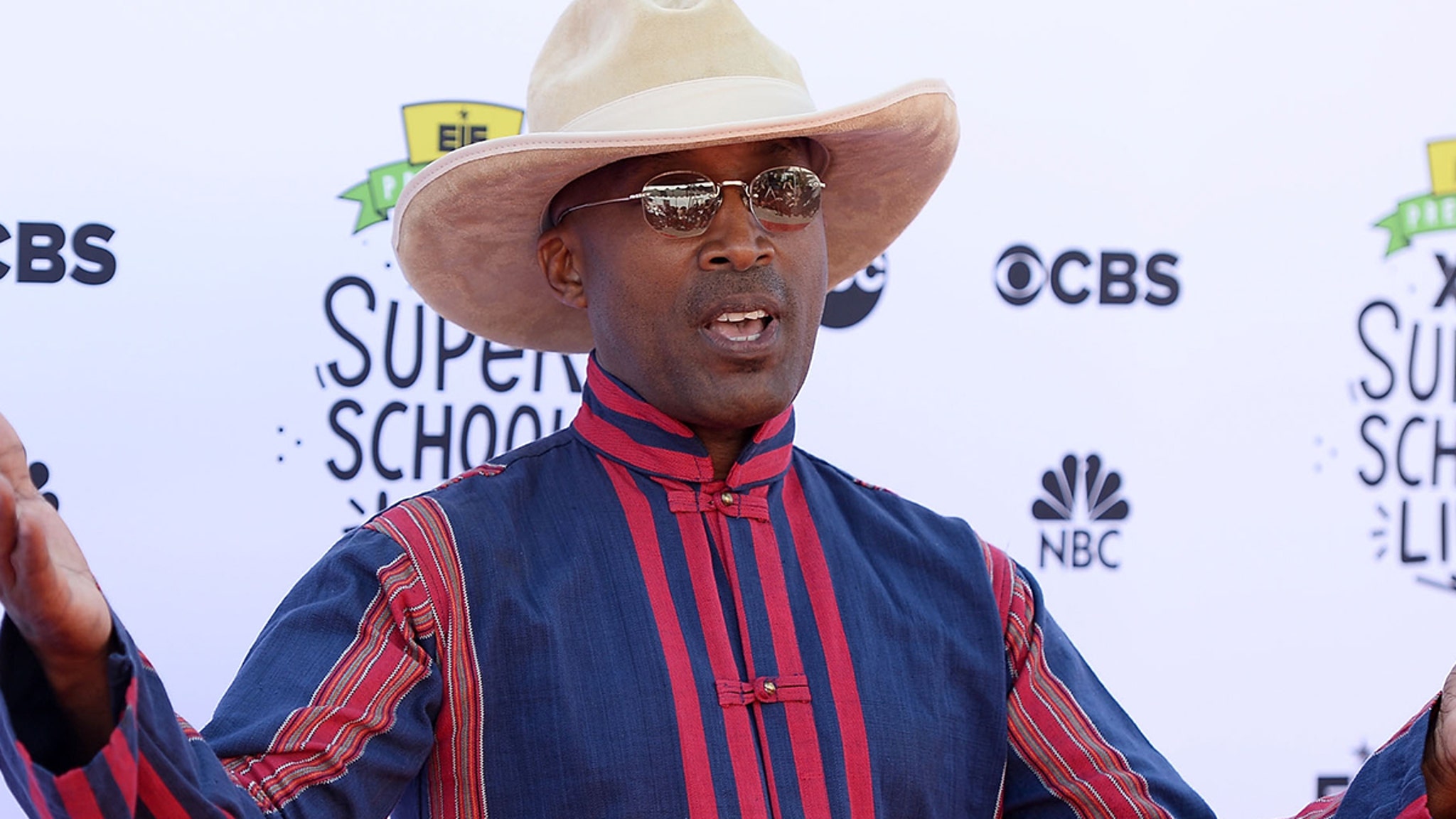
Who Was D’Wayne Wiggins in the Story of Tony! Toni! Toné!?
For casual listeners, Tony! Toni! Toné! is shorthand for a certain kind of Bay Area‑flavored R&B: warm, musical, and slightly vintage even when it was brand new. Within that trio, D’Wayne Wiggins was crucial — guitarist, vocalist, songwriter, and producer. He helped shape not just the band’s sound, but the larger R&B landscape that followed.
The group’s run from the late ’80s through the mid‑’90s put them alongside acts like Boyz II Men, Jodeci, and New Edition, but with a more musician‑driven, live‑band feel. Their albums Who?, The Revival, and Sons of Soul are still name‑checked by producers and artists who care about groove and instrumentation.
“Tony! Toni! Toné! fused live instrumentation with the slickness of late-’80s R&B, re-centering soul music around musicianship without losing its chart appeal.”
Outside the group, Wiggins was also a behind‑the‑scenes force. From artist development in the Bay Area to collaborations and production work, he represented the archetype of the musician who turns success into community infrastructure.
What TMZ Reported: A $700K Estate and a Family Divide
According to court documents cited by TMZ, Wiggins’ family members are now battling over control of his estate, valued at around $700,000. That’s “six figures” by tabloid shorthand, but in the context of music history, it almost feels small considering how omnipresent Tony! Toni! Toné!’s songs still are.
Estate disputes often turn on a few recurring pressure points:
- Who is the legal executor? Confusion or disagreement about who should manage the estate is usually step one toward litigation.
- How clear was the will? If the language isn’t specific, relatives can interpret “intent” very differently.
- What’s liquid vs. long‑term? Royalties, publishing rights, and future licensing can be harder to value — and harder to divide — than cash or property.
The reported figure suggests the estate likely includes a mix of assets — possibly real estate, residuals, and intellectual property rights. For someone tied to hit records that still get radio and playlist play, the long‑tail value of royalties can be more important than the headline number.

When “who gets what” is unclear, courts become the stage where a family’s private grief turns into public record.
Why So Many Music Legends Leave Complicated Estates
The Wiggins situation isn’t unique. From Prince to Aretha Franklin, music history is full of icons whose estates became legal mazes. Several factors are baked into the industry itself:
- Unpredictable income streams.
Touring, advances, and royalties ebb and flow. Building a clean, long‑term financial plan can be harder than in a 9‑to‑5 world. - Intellectual property complexity.
Who owns the masters? Who controls the publishing? Was anything sold to labels, publishers, or investors? These questions matter more than the car in the driveway. - Late or informal planning.
Creative careers can be all‑consuming, and estate planning often feels like a “later” problem — until there isn’t a later.
From a cultural standpoint, it’s also about how we value Black artistry in America. R&B and soul artists who heavily shaped pop culture don’t always have the financial cushion you’d expect from their influence on sound, fashion, and even film and TV soundtracks.

Legacy vs. Litigation: How Estate Drama Shapes the Memory of Artists
The risk with any high‑profile estate fight is that the headlines reduce a full life and career to a dollar amount. For fans who grew up with Tony! Toni! Toné!, the idea that the man behind those wedding‑reception staples and slow‑jam classics is now a “$700K estate story” feels oddly small.
There’s also a tension between:
- The public narrative – what tabloid pieces highlight: numbers, conflict, who’s suing whom.
- The private reality – families grieving, trying to honor what they think the artist would have wanted.
Objectively, the Wiggins case, as reported, sits in a middle zone: it’s not a billion‑dollar catalog fight, but it’s also not trivial money. For relatives, it’s meaningful. For the culture, it’s another reminder that the people who made the soundtrack to your life are often navigating fragile financial and legal structures.

Legacy isn’t just what you leave in people’s hearts; it’s also what you leave in writing — or fail to.
What Fans and Artists Can Learn from D’Wayne Wiggins’ Estate Fight
It might feel morbid to talk estate planning while streaming “Anniversary,” but situations like this underline some very real takeaways — not just for artists, but for anyone with people they care about.
- Make a clear, updated will.
Especially if you have royalties, business ownership, or property. Vague language becomes a courtroom invitation. - Document how creative rights should be handled.
For musicians, that can mean specifying what to do with masters, publishing splits, and licensing approvals. - Talk about it while you can.
The hardest conversations in families are often the most necessary. Silence typically becomes conflict later.
None of that diminishes the sadness of seeing Wiggins’ name in legal headlines instead of liner notes. But it does connect the story to a broader reality: estate planning is as much a part of protecting a legacy as releasing a classic album.

Remembering D’Wayne Wiggins Beyond the Courtroom
However the legal battle over D’Wayne Wiggins’ estate plays out, his cultural value was never going to be captured by a $700K line item. The true “estate” is the way his guitar tone sits under a vocal hook, the way a Tony! Toni! Toné! track can still reset the mood of a room three decades later.
In the near term, expect more filings, more stories, and more public dissection of private relationships. Longer term, the hope is that the music industry — and the artists who power it — continue to get smarter about ownership, planning, and preservation. If there’s a lesson in a story like this, it’s that loving the art should also mean protecting the artist’s future, even after they’re gone.
For now, the most grounded way to honor Wiggins is simple: press play, read the credits, and remember that every smooth R&B classic was built by real people whose legacies deserve clarity, not just controversy.
