
Inside the Streaming Wars: How Bundles, Price Hikes, and Creator Economics Are Rewiring Digital Entertainment
As Netflix, Disney+, Max, Amazon Prime Video, Spotify, YouTube, TikTok, and others chase growth, the streaming “wars” have evolved into a complex contest over pricing, attention, advertising, and creator economics that will define the future of digital media.
What began as a simple alternative to cable has become a high-stakes, global competition reshaping how media is produced, distributed, and monetized. The “streaming wars” now span video, music, and podcasts, bringing together Hollywood studios, Big Tech, telecoms, and millions of independent creators on platforms whose rules change constantly.
Tech and media outlets including The Verge, TechCrunch, Wired, and The Next Web track every pricing change, bundle, and licensing dispute. Underneath the headlines is a deeper question: can these business models stay sustainable for both consumers and creators?
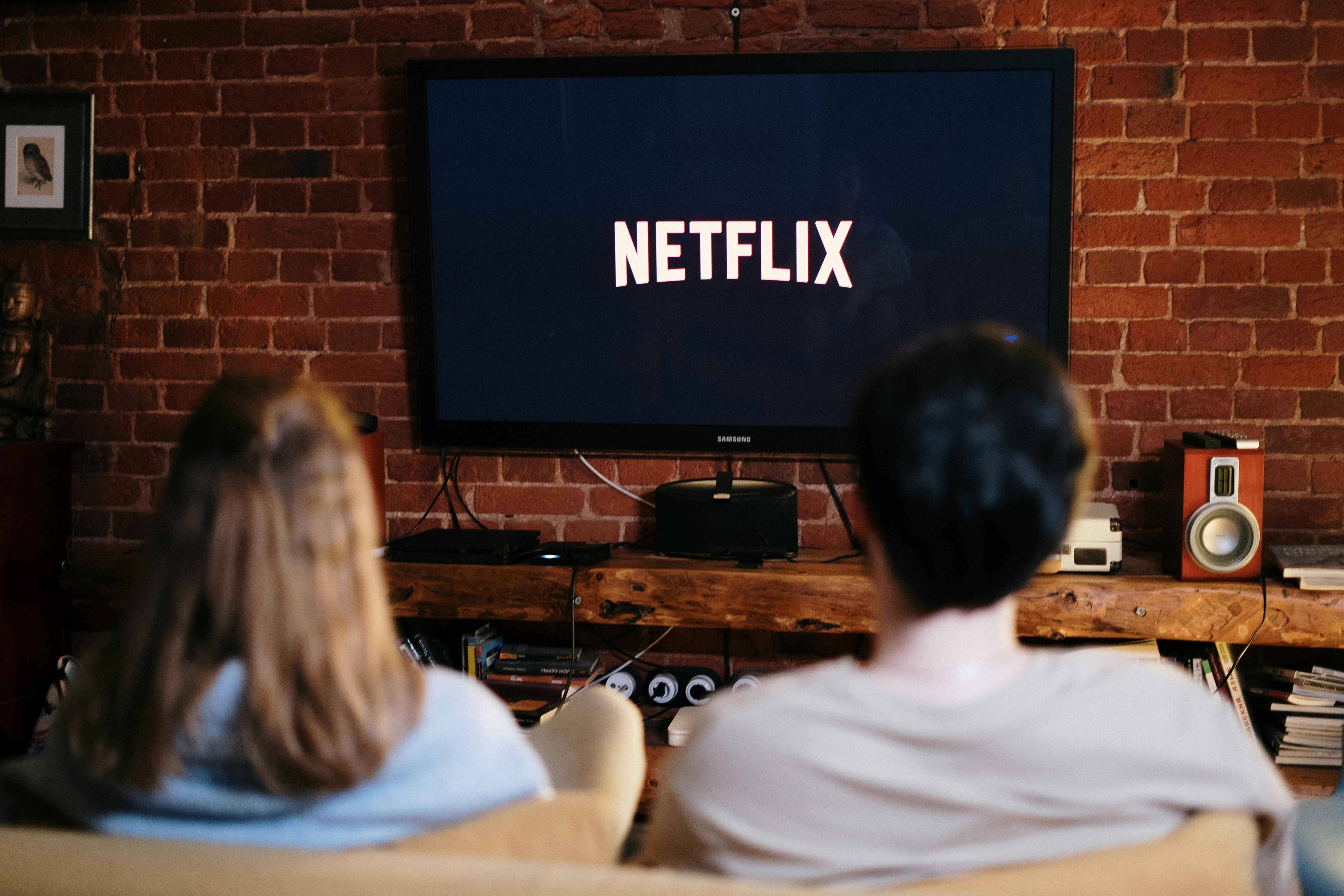
This article unpacks the latest phase of the streaming wars as of early 2026—covering price hikes and ad tiers, the new wave of bundling, creator and rights-holder economics, AI’s role in content pipelines, and the mounting consumer fatigue driving a new round of experimentation.
Mission Overview: What Are the Streaming Wars Really About?
At their core, the streaming wars are not just about who has the best shows or biggest music catalog; they are about controlling three scarce resources:
- Time – the limited hours per day consumers can dedicate to watching, listening, or scrolling.
- Data – behavioral and preference data that power recommendations, ad targeting, and AI models.
- Money – subscription revenue, advertising budgets, and ancillary sales like rentals and in‑app purchases.
“Streaming is no longer a simple subscription product; it’s an ecosystem play where attention, data, and rights are bundled into one vertically integrated machine.” – Paraphrased from industry analyses in Wired and The Verge.
Today’s streaming strategies are built around a hybrid model:
- Grow subscriptions, ideally across multiple services under one corporate umbrella.
- Layer in ad-supported tiers to boost average revenue per user (ARPU).
- Exploit cross-promotion, data, and IP (intellectual property) across video, music, games, and merchandise.
This is why price hikes, bundles, and creator payouts are all deeply connected. Each lever influences churn, content investment, and bargaining power with creators and rights holders.
Price Hikes and Ad-Supported Tiers: The New Normal
Over the past few years, nearly every major streaming video service has raised prices on ad-free plans while pushing ad-supported tiers as the default recommendation for new subscribers. Netflix, Disney+, and Max have all followed this pattern, often pairing price hikes with announcements of “premium” content or improved features.
How the ARPU Equation Drives Strategy
From the platforms’ perspective, ad tiers are attractive because:
- They enable lower entry prices, making it easier to acquire price-sensitive users.
- Ads can raise effective ARPU above what basic ad-free plans generate, especially in large markets like the U.S. and Europe.
- They bring in brand advertisers fleeing declining linear TV audiences.
As The Verge and other outlets frequently note, the real business metric platforms watch is not just subscribers, but revenue per user and total engagement time.
Consumer Reaction and Churn Dynamics
Consumers, however, feel the squeeze. Social media and budgeting forums are filled with posts dissecting which services are “worth it” each month. Analysts following churn data highlight patterns such as:
- Service rotation: Subscribers cancel and re‑subscribe based on release windows for major shows or sports seasons.
- Plan downgrades: Users move from ad‑free to ad tiers to cut monthly costs.
- Account sharing crackdowns: Measures similar to Netflix’s paid-sharing policies add friction and cost, which can either raise revenue or accelerate churn.
“The age of the endlessly cheap, ad-free streaming buffet is over. What we’re seeing now is the industry converge on something that looks a lot like cable economics—just with smarter data.” – Common sentiment summarized from media analysts quoted in outlets like The New York Times and CNBC.
For music and podcasts, Spotify’s recent price increases and ad innovations (like interactive audio ads and sponsored recommendations) mirror this trend, blending subscription and advertising revenue while experimenting with new formats that remain palatable to listeners.
Re-Bundling of Services: Streaming’s Return to “Cable”
After a decade of cord-cutting and unbundling, the market is swinging back toward bundled offerings. The difference is that instead of a single cable provider, bundles now involve combinations of:
- Multiple streaming video services in one discounted package.
- Streaming integrated into mobile, broadband, or hardware subscriptions.
- Cross‑media bundles that tie together video, music, cloud gaming, and e‑books.

Telecom and Big Tech as Gatekeepers
Telcos and device makers are increasingly powerful gatekeepers. TechCrunch and Recode-style coverage highlight concerns including:
- Market power & competition: When a mobile carrier preferentially zero-rates or bundles one service, rivals may be disadvantaged.
- Net-neutrality-adjacent issues: Even if data is technically treated equally, economic incentives can steer users toward preferred partners.
- Lock‑in effects: Bundles can make it psychologically and financially harder for users to switch, similar to cable contracts of the past.
Is This Just Cable with a New Skin?
In practice, many consumers now hold:
- One or two “must have” video services (for prestige series, children’s content, or sports).
- One music subscription (often via a family plan or carrier bundle).
- A handful of “free” ad-supported video, music, and FAST (Free Ad-supported Streaming TV) channels.
This structure resembles cable’s mix of base packages and premium add‑ons, but with more granular churn and individual app identities. The long‑term question is whether regulators will treat big bundles as potential competition issues, particularly when vertically integrated with studios or labels.
Creator and Rights-Holder Economics: Who Really Gets Paid?
While corporate strategy focuses on ARPU and bundles, creators and rights holders are primarily concerned with payout formulas, algorithms, and contract terms. On music, podcasts, and short-form video platforms, the tension between platform growth and creator livelihoods is central.
Music Streaming: Pro Rata vs. “Artist-Centric” Models
On services like Spotify, Apple Music, and others, debates continue over:
- The pro rata model, where all subscription revenue goes into one pool and is divided by total streams.
- Emerging “artist-centric” models that promise to reward active fans, reduce fraud, and prioritize established catalogs.
- How short-form video (e.g., TikTok, Instagram Reels) influences streaming spikes for tracks that go viral.
Coverage in Wired and The Next Web emphasizes how opaque these models are to most artists, and how negotiation power remains concentrated among major labels and large distributors.
“For many independent artists, streaming is more of a discovery engine than a primary income source. The money is made downstream—in touring, merchandise, and direct fan relationships.” – Synthesis of commentary from musicians and managers interviewed in Wired and podcast interviews.
Short-Form Video and TikTok Licensing Battles
TikTok’s evolving relationships with major labels highlight how central short-form video has become to music promotion. Licensing disputes—sometimes leading to catalog removals or muting of videos—show that:
- Labels seek higher compensation for viral usage and UGC (user-generated content).
- Platforms argue their primary role is discovery and marketing, not just royalty distribution.
- Creators get caught in the middle, with content suddenly muted or blocked, impacting their reach and earnings.
YouTube, Podcasts, and Platform-Dependent Careers
On YouTube and podcast platforms, monetization mixes:
- Ad revenue sharing (e.g., YouTube Partner Program, YouTube Shorts Creator Fund adjustments).
- Sponsorships and brand deals, often negotiated off-platform.
- Platform-exclusive licenses or windowing for big shows.
- Direct support mechanisms like channel memberships, Patreon links, and merch shelves.
Many creators diversify income across multiple platforms to hedge against algorithm changes or policy shifts. Commentary channels on YouTube and TikTok often act as real-time analysts of these shifts, amplifying backlash when payouts fall or guidelines tighten.
Helpful Tools for Creators Navigating Streaming Economics
For independent creators, analytics and audio gear can meaningfully impact performance and income. Popular tools in the U.S. include:
- Studio microphones such as the HyperX QuadCast USB Microphone , widely used by streamers and podcasters for its plug‑and‑play setup and solid audio quality.
- Entry-level audio interfaces like the Focusrite Scarlett 2i2 (3rd Gen) , which help musicians capture higher‑quality recordings for streaming platforms.
While gear alone does not guarantee success, professional production values can increase watch time, completions, and ultimately platform recommendations.
Technology: AI, Personalization, and New Ad Formats
Technological innovation underpins nearly every change in the streaming wars, from recommendation algorithms to AI‑assisted localization and content generation. Wired, Ars Technica, and academic papers all highlight how AI is not just a buzzword but a core infrastructure layer.
AI in Localization and Production Pipelines
Video and audio platforms increasingly use AI for:
- Automated dubbing and subtitling, including voice-cloning for multi-language releases.
- Scene-level metadata tagging to improve recommendations and searchability.
- Automated A/B testing of thumbnails, artwork, and previews to maximize click‑through rates.
AI cuts costs and speeds up international releases, but raises questions around labor displacement for translators, voice actors, and editors, as well as consent and rights when using AI-generated or cloned voices.

Recommendation Algorithms and Discovery
Across Netflix, Spotify, YouTube, and TikTok, recommendation algorithms are the invisible force shaping who gets discovered. Key technical aspects include:
- Collaborative filtering and embeddings that model similarity between users, items, and behaviors.
- Multi-armed bandit frameworks to continually A/B test recommendations.
- Reinforcement learning approaches that optimize for watch time, completion, or ad revenue over a session.
The challenge is that optimizing for engagement can favor incumbents, sensational content, or established franchises, making it harder for new voices to break through without external promotion.
New Ad Formats: Shoppable, Interactive, and Contextual
As ad budgets move from TV to digital, platforms are experimenting with:
- Shoppable video ads where viewers can purchase products directly from a show or live stream.
- Interactive audio ads that allow listeners to respond with voice commands or quick taps.
- Contextual targeting based on content semantics instead of only user identifiers, in response to privacy regulations.
These changes drive higher ad premiums but also demand new skills from creators and brands, blurring lines between content and commerce.
Scientific and Economic Significance of the Streaming Shift
Beyond entertainment, the streaming wars are a living laboratory for studying digital markets, algorithmic governance, and attention economics. Researchers in economics, computer science, and media studies are closely watching:
- Two‑sided markets: How platforms balance incentives between users and advertisers, and between creators and rights holders.
- Competition policy: How bundling, exclusive licensing, and vertical integration affect market concentration.
- Behavioral dynamics: How subscription fatigue, FOMO, and recommendation feedback loops shape cultural consumption.
“Streaming platforms are effectively running massive, always‑on experiments in human attention, with algorithms tuning the supply of content to maximize engagement.” – Summarized from commentary by digital economists and data scientists on LinkedIn and academic talks.
For regulators, these dynamics intersect with concerns around data privacy, algorithmic transparency, and fair competition. For creators and producers, they redefine what it means to build a sustainable career in the attention economy.
Key Milestones in the Streaming Wars
While trends are continuous, several milestones over the last decade help explain where we are now:
- The Netflix pivot to originals – Proved that streaming-native originals could rival cable and premium TV, driving others to follow.
- Major studio launches (Disney+, HBO Max/Max, Paramount+, Peacock) – Fragmented catalogs and ended the era of “all content everywhere.”
- Global expansion – Platforms invested heavily in local originals, boosting non-English content and exporting it worldwide.
- The rise of short-form video – TikTok and YouTube Shorts reshaped discovery, attention spans, and music promotion.
- Writers’ and actors’ strikes – Highlighted tensions over residuals, streaming data transparency, and AI usage in production contracts.
- Crackdowns on password sharing and price hikes – Marked the transition from “growth at any cost” to profitability and cash-flow focus.
Each milestone reinforced the shift from one‑time purchases or linear schedules toward perpetual, data-driven services that optimize revenue over the full life cycle of content.
Challenges: Sustainability for Consumers and Creators
The current configuration of the streaming ecosystem presents serious structural challenges that may trigger further waves of consolidation, regulation, and innovation.
1. Consumer Fatigue and Fragmentation
With dozens of services available, many households are hitting budget and cognitive limits. Common strategies shared across social media, Reddit, and Hacker News include:
- Rotating subscriptions based on release calendars.
- Pooling family and household plans while staying within terms of service.
- Using free, ad-supported platforms (FAST channels, YouTube, podcast apps) to fill gaps.
This behavior undermines long-term subscriber growth and increases pressure on platforms to differentiate through exclusive franchises, live events, or superior UX (offline viewing, cross-device continuity, family controls).
2. Creator Bargaining Power and Income Volatility
For creators, income volatility is a major concern:
- Algorithm changes can instantly alter traffic patterns and ad revenue.
- Platform policies on demonetization, copyright claims, or content moderation can cut off income streams.
- Contract terms for exclusive shows or catalog deals can limit future flexibility.
Many creators respond by building diversified income stacks: streaming, live shows, merchandise, direct fan support, and licensing deals. Still, entry barriers for new players remain high, particularly without marketing budgets.
3. Regulatory and Legal Uncertainty
Governments are increasingly interested in:
- Antitrust and merger review as media and tech giants expand via acquisitions and partnerships.
- Data protection and AI regulation, especially around profiling, recommendation transparency, and AI‑generated content.
- Copyright and licensing frameworks that keep pace with new formats like user‑generated remixes and AI‑assisted content.
Legal outcomes will shape what kinds of bundles, data-sharing practices, and AI tools are permissible in future streaming strategies.
4. Economics of Niche vs. Mass-Market Content
One persistent question is whether streaming models can sustainably fund niche genres (arthouse films, experimental music, long‑tail podcasts) that have passionate but small audiences. Without specific public funding, cross‑subsidies, or direct patronage, many of these works risk being drowned out in recommendation systems tuned for scale.
Practical Strategies for Consumers in the Streaming Era
While the macroeconomics of streaming are complex, individual consumers can take concrete steps to manage costs and maintain control over their media diets.
Optimize Subscriptions
- Create a simple monthly audit of subscriptions and cancel those you have not used in 30–60 days.
- Align subscriptions with seasonal interests—for example, subscribing to certain services only during sports seasons or prestige TV release windows.
- Use family plans and legitimate household sharing features to reduce per-person cost.
Explore Alternatives and Ownership
Some users are rediscovering the value of ownership via physical or digital purchases:
- Buying favorite films or box sets on Blu‑ray or 4K UHD ensures access even if titles rotate between services.
- Buying MP3s, high‑resolution audio, or vinyl for cherished albums, while using streaming for discovery.
External storage devices and home media servers can complement streaming, offering a hybrid model of ownership plus on‑demand convenience.
Mindful Consumption
Given that algorithms are tuned to maximize engagement, some viewers intentionally:
- Use watchlists and playlists to take charge of what they see and hear.
- Follow curators, critics, and newsletters instead of relying solely on “Top 10” carousels.
- Set time limits or use focus modes to prevent endless autoplay sessions.
This more intentional approach can make streaming feel less like passive scrolling and more like purposeful media exploration.
Useful Tools and Resources for Deep Divers
For readers who want to track and understand the streaming wars more deeply, there are several high-quality resources:
- Industry newsletters and podcasts – Shows like The Verge’s podcasts, and media-business podcasts on Spotify and Apple Podcasts, regularly analyze new deals and price changes.
- Data-driven blogs and channels – YouTube channels that break down earnings reports, subscriber numbers, and strategy shifts in plain language.
- Academic and policy papers – Open-access work from organizations like the Brookings Institution or EU competition authorities examines market structure and regulation.
For creators focused on audio and video quality, accessories like closed‑back monitoring headphones (e.g., the widely recommended Audio‑Technica ATH‑M50x ) can help ensure mixes translate well to different streaming services.
Conclusion: Toward a More Mature, More Contested Streaming Ecosystem
The streaming wars are entering a more mature and contested phase. Growth for its own sake is no longer enough; platforms must demonstrate profitability, justify content spend, and manage churn in a saturated market. Price hikes, ad‑supported tiers, and bundles are rational responses—but they carry real costs in consumer trust and creator satisfaction.
For consumers, the best response is strategic: rotate services, embrace ad tiers where sensible, and retain some ownership of what matters most to you. For creators, diversification across platforms and revenue streams is essential to withstand algorithm shifts and contract changes.
As AI continues to transform production and personalization, and as regulators scrutinize the power of integrated media‑tech giants, the streaming landscape will keep evolving. Understanding the underlying economics and technologies is the first step toward navigating, and perhaps influencing, the next chapter of digital entertainment.
References / Sources
Selected sources and further reading:
- The Verge – Streaming Wars coverage
- TechCrunch – Streaming and media tag
- Wired – Streaming and entertainment technology
- The Next Web – Streaming industry articles
- CNBC – Media and entertainment business coverage
- Financial Times – Streaming and media economics
- Ars Technica – Streaming technology insights
- Netflix – Official news and investor updates
- Spotify – Investor relations and payout model updates
- YouTube for Creators – Monetization and policy resources
These links provide up-to-date reporting and analysis that complement the overview presented here and offer deeper dives into specific platforms, legal developments, and creator case studies.
