
Inside the Shia LaBeouf–Mia Goth Breakup: What TMZ’s Sources Are Really Saying
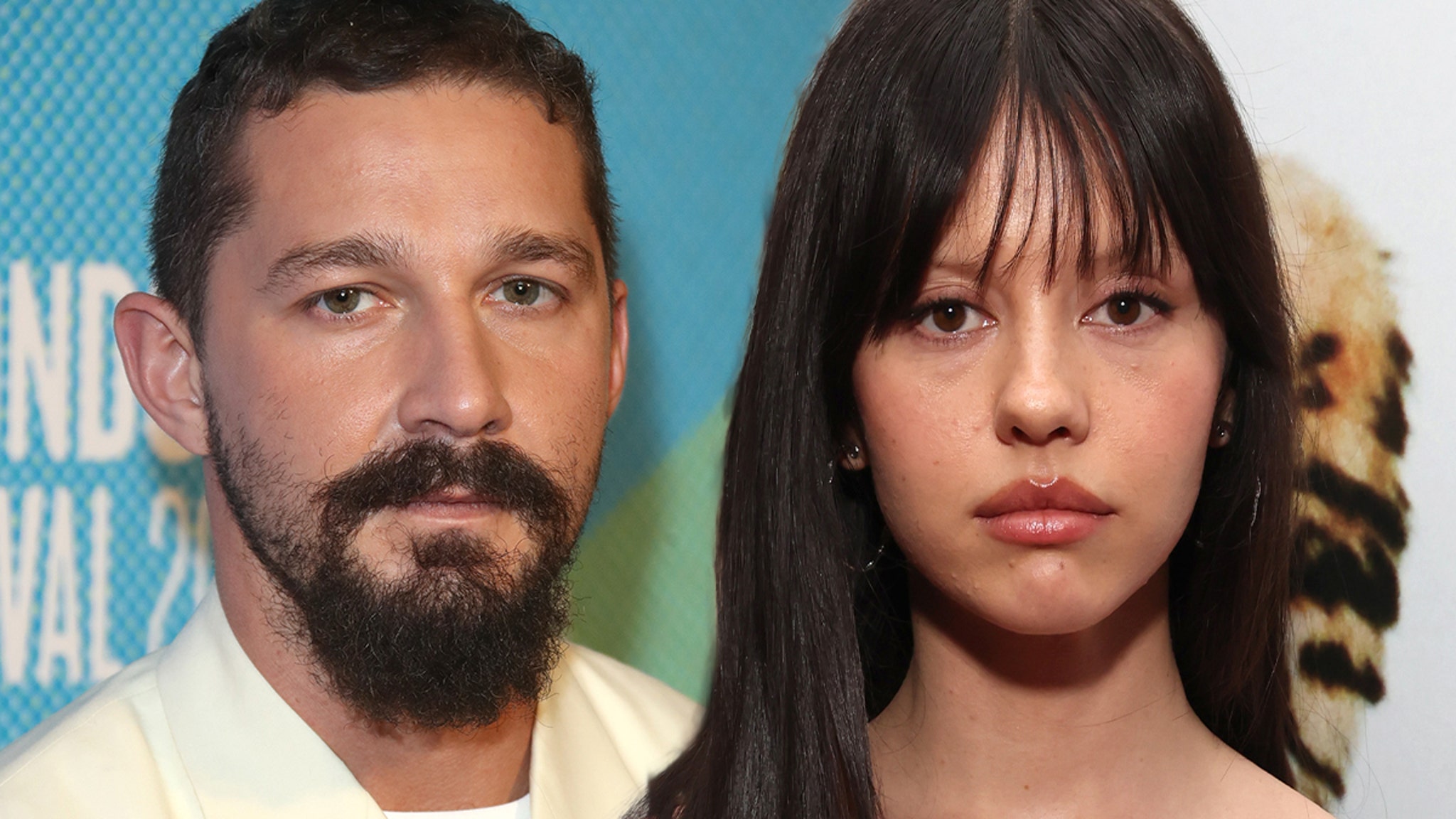
Shia LaBeouf and Mia Goth’s reportedly fractured relationship is back in the spotlight, with TMZ reporting that LaBeouf’s inner circle believes he tried to save the marriage, while sources close to Goth push back on that narrative. In a news cycle that thrives on conflicting “insider” accounts, this split has become less about who left whom and more about how celebrity breakups are packaged, framed, and consumed in 2026.
How We Got Here: A Relationship Built in the Spotlight
Shia LaBeouf and Mia Goth have been one of Hollywood’s more enigmatic couples. They first met on the set of Lars von Trier’s Nymphomaniac, a project already steeped in controversy, and their relationship has since weathered public arguments, reconciliations, and a low-key family life that occasionally surfaced in paparazzi photos.
Over the years, their story has moved from “wild, unpredictable romance” tabloid fodder to something more grounded: parenthood, shared domesticity, and, for a time, a seemingly quieter existence compared to LaBeouf’s more chaotic earlier years in the industry.
What TMZ’s Sources Are Saying About the Breakup
According to the latest report from TMZ, LaBeouf’s inner circle disputes the idea that he was the primary cause of the breakup. Those sources claim he “tried to save” the relationship, suggesting he made an effort to keep the family unit together.
“Shia did what he could to make things work,” one source close to the actor reportedly told TMZ, emphasizing that the decision to split was more complicated than a single act or incident.
On the other side, sources aligned with Goth push back on any implication that LaBeouf is walking away as a misunderstood would‑be savior of the relationship. While details remain intentionally vague—no one is going fully on record—the framing suggests that Goth’s camp does not agree with a narrative that softens or simplifies LaBeouf’s role.
- LaBeouf’s camp: He tried to keep the relationship intact.
- Goth’s camp: The reasons for the breakup are more complex than that characterization.
- Public takeaway: We’re seeing a familiar tabloid tug‑of‑war over “who’s to blame.”
The Tabloid Narrative: Who Gets to Control the Story?
Celebrity breakups rarely unfold in a vacuum. They’re stage‑managed through “sources,” strategically timed leaks, and an unspoken race to define the story first. TMZ, long a central player in Hollywood’s ecosystem, often functions as the conduit through which these curated narratives reach the public.
With LaBeouf and Goth, the current reporting fits a familiar pattern:
- A split is reported, usually from the more media‑savvy side or the one anticipating bad publicity.
- Counter‑narratives emerge, frequently framed as “sources close to X disagree.”
- Social media then amplifies whichever narrative resonates with existing perceptions of the people involved.

In LaBeouf’s case, his public history—legal issues, previous abuse allegations, and a reputation for volatility—inevitably colors how any new breakup is perceived, regardless of the actual private dynamics.
Why Shia LaBeouf’s Past Shapes the Present Conversation
LaBeouf is not entering this story as a blank slate. His last decade includes a widely publicized lawsuit from musician FKA twigs alleging abuse and “relentless” emotional distress, which he has partially addressed in interviews and in court filings. Even as he’s continued to work, his image has been in a kind of cultural limbo—some view him as an artist fighting demons, others as a repeat offender of destructive behavior.
Against that backdrop, any claim that he “tried to save” his relationship with Goth is going to be read through an ethical filter: is this a sincere attempt at growth, or a reputational cleanup job? The answer probably depends on which parts of his history a reader finds most salient.
Mia Goth’s Rise and Why Her Side of the Story Matters
While LaBeouf has long been a lightning rod, Mia Goth’s profile has skyrocketed in the last few years thanks to horror hits like X and Pearl. She’s moved from being known mainly as “Shia LaBeouf’s partner” to a critical favorite in her own right, praised for performances that feel both raw and stylized.

That context makes the TMZ mention of “sources close to Mia” significant. It suggests that Goth’s camp is no longer just absorbing hit after hit from LaBeouf‑centric narratives; there’s now a counter‑voice insisting that her perspective isn’t simply an accessory to his storyline.
In a 2020 interview, one critic writing about Goth’s work in Pearl noted, “She has the eerie intensity of a classic horror icon but with a modern psychological depth. She’s no one’s supporting character, on or off screen.”
Whether or not we ever hear a direct statement from Goth, the fact that her side is being filtered through the same “sources” language as LaBeouf’s is part of a broader shift: women in these high‑profile splits are increasingly treated as narrators, not just subjects.
The Ethics of Watching a Relationship Unravel in Public
There’s an uncomfortable truth lurking under every TMZ alert: we click. The demand for intimate details about celebrity relationships is what keeps outlets chasing leaks and “friends of friends” quotes in the first place.

In LaBeouf and Goth’s case, you have at least three overlapping layers:
- The human layer: a long‑term relationship and family reportedly coming apart.
- The industry layer: an actor with a fraught reputation and an actress on the rise.
- The cultural layer: debates about accountability, redemption, and who gets believed.
Navigating these stories responsibly doesn’t mean ignoring them altogether; it means holding space for the fact that, beyond the headlines and the “sources,” there are real people dealing with real fallout, much of which we will never see.
From Set Photos to Split Rumors: The Visual Economy Around the Couple
Images have always driven the LaBeouf–Goth narrative: leaked wedding clips, red‑carpet photos, candid shots of them with their child. Every new visual becomes a Rorschach test—are they distant, affectionate, strained?

TMZ’s latest piece continues that visual tradition, pairing claims from insiders with photography that reinforces a mood—tense, reflective, or resolute. It’s a reminder that in celebrity culture, photographs don’t just document a story; they subtly write it.
What This Breakup Tells Us About Celebrity Culture in 2026
Right now, all we definitively have are competing narratives: Shia LaBeouf’s circle insisting he tried to hold the relationship together, and Mia Goth’s side reportedly rejecting that framing. The truth, as usual, is likely messier than any one‑sentence summary.
What’s more revealing than the split itself is the machinery around it: the rush to define blame, the careful use of “sources,” and the way past controversies resurface to shape present perception. As 2026’s entertainment landscape grapples with questions of accountability, mental health, and privacy, stories like this one function as a litmus test for how much we’ve really changed—and how much we still treat real lives as serialized drama.
For now, the most responsible posture might be curiosity without certainty: acknowledging what’s being reported, recognizing what we can’t know, and watching how both LaBeouf and Goth choose to navigate the next chapter of their lives and careers—on their own terms, if they’re ever allowed that luxury.
